
Table of Contents
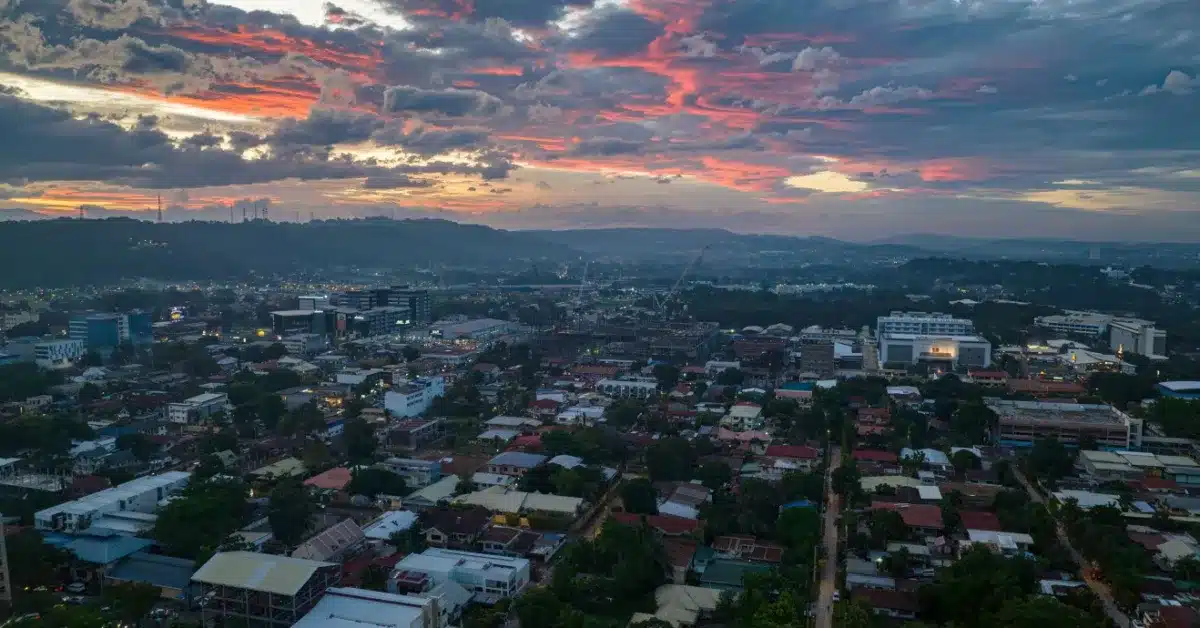
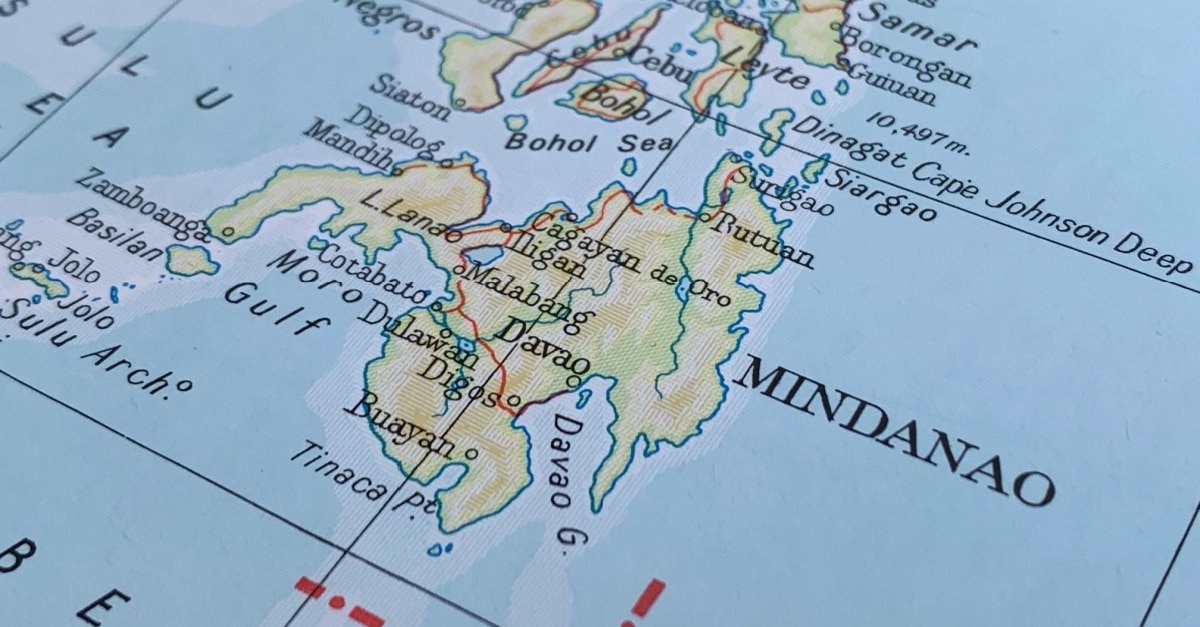
August alone saw the Mindanao grid placed under red and yellow alerts for a combined 89 hours. National Grid Corporation of the Philippines (NGCP) data showed that demand peaked at 2,616 megawatts (MW), surpassing the 2,602 MW available supply by 14 MW and leaving the grid without any reserve capacity.
But the strain on Mindanao’s power supply could deepen as Super El Niño strengthens. The climate phenomenon is forecast to reach very strong levels from October 2026 to January 2027.
PAGASA expects the impact to intensify with the onset of the northeast monsoon, or Amihan, when rainfall typically declines across much of the country. PAGASA Regional Services Division Weather Services Chief Anianita R. Fortich warned that a very strong El Niño during this period could leave many areas with little to no rainfall.
“When the Amihan season sets in, rainfall is already below average,” she explained. “If a very strong El Niño coincides with this period, many areas may experience significantly reduced rainfall or even no rainfall at all.”
The prolonged dry spell could trigger a cascade of drought conditions, beginning with below-normal rainfall and progressing to depleted soil moisture that threatens crops. As water deficits deepen, rivers and reservoirs may fall to critical levels, affecting irrigation, household supply and hydropower generation. In the most severe cases, the resulting shortages could disrupt livelihoods, businesses and broader economic activity.
(Also read: Davao WTE Project Faces Backlash Over Waste Segregation Failures)
What Super El Niño Could Mean for Mindanao
Hydropower is a major component of Mindanao’s electricity supply, providing renewable energy (RE) that supports households, businesses, and industries across the island. Department of Energy (DOE) data for 2023 show that hydropower contributed 4,807 gigawatt-hours (GWh), or 31.07% of Mindanao’s total gross electricity generation of 15,473 GWh.
A major contributor is the Agus-Pulangi Hydroelectric Power Complex, which supplies roughly a quarter of Mindanao’s electricity. Operated by the state-owned National Power Corp. (NPC), the complex has an installed capacity of approximately 1,002 MW and generated about 4.49 million megawatt-hours of electricity in 2024.
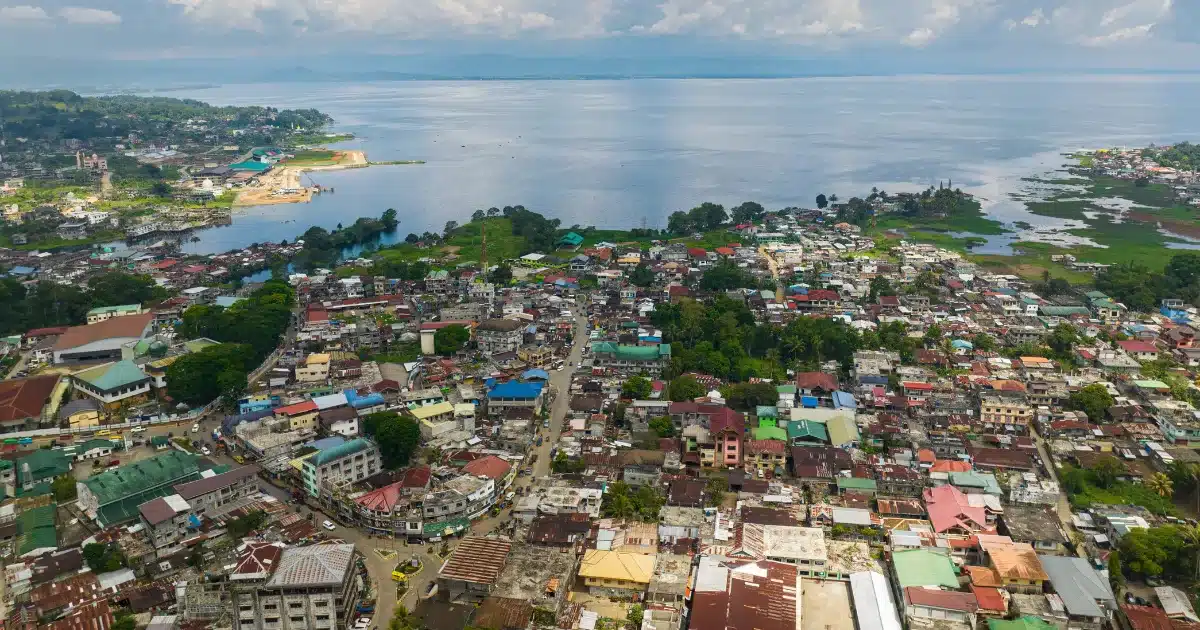
The complex comprises six Agus hydropower plants that draw water from Lake Lanao in Lanao del Sur, and the Pulangi plant in Maramag, Bukidnon, which harnesses the Pulangi River. Both depend on sufficient water levels to sustain generation, leaving them vulnerable to prolonged dry conditions that may accompany a strong El Niño.
Lake Lanao must remain at least 698.15 meters above sea level for the Agus plants to operate. If the lake falls below that threshold, all six plants would have to shut down. The Pulangi facility, meanwhile, would cease operations if water levels drop below 280 meters.
This vulnerability is significant as the Philippines continues to plan for additional hydropower development. The DOE lists 7,316.12 MW of indicative hydropower projects nationwide, with target commercial operations extending through 2033.
However, expanding hydropower capacity does not eliminate the risks posed by prolonged dry conditions. A DOE simulation projects a relatively low risk of yellow alerts on the Mindanao grid but cautions that a red alert could occur in the last quarter of 2027. El Niño-related reductions in rainfall are a potential factor, as lower water inflows could reduce generation at the Agus-Pulangi facilities.
The prospect of tighter supply has also raised concerns over electricity costs. The South Cotabato I Electric Cooperative (SOCOTECO I) has cautioned consumers that El Niño could drive up rates as hotter temperatures increase electricity demand, adding pressure to Mindanao’s power supply amid outages at several major power plants.
El Niño’s Impact on the World’s Energy Sources
Analysts warn that this year’s rare “super El Niño” could trigger another shock to global energy markets, as extreme heat drives up electricity demand.
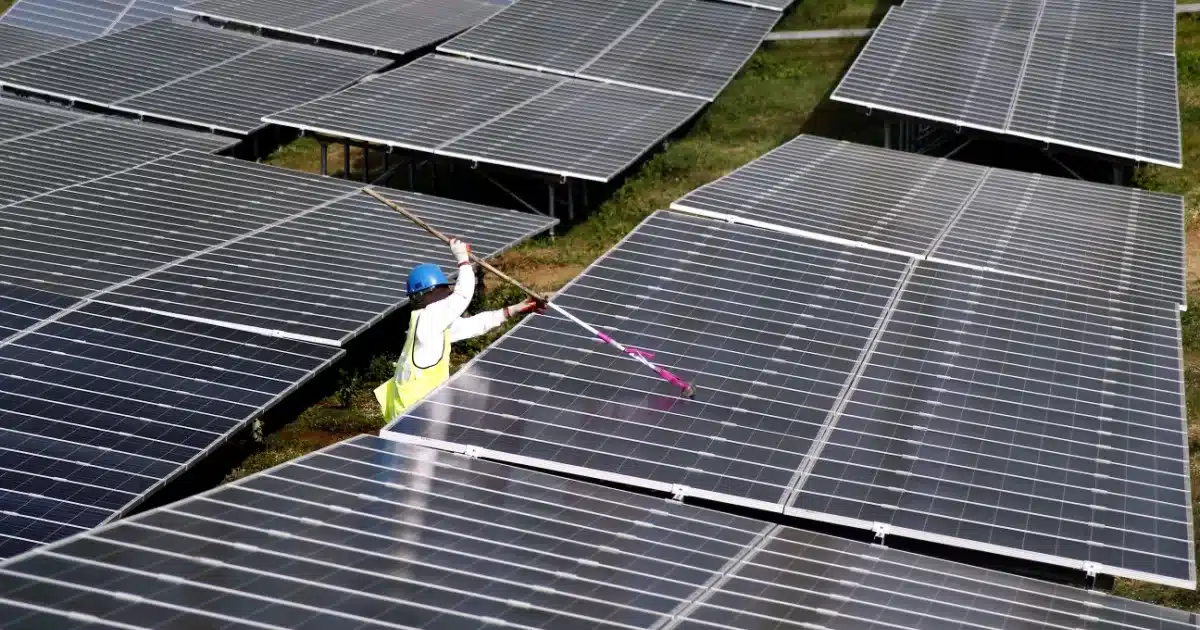
Studies cited by the Institute for Energy Research (IER) have found that solar, wind and hydropower output declined in some regions during El Niño years, as shifts in cloud cover, wind patterns and rainfall affected generation.
Research suggests El Niño can reduce solar radiation in regions with expanding solar capacity, including California, parts of South America, the Middle East and eastern China. These effects may be more pronounced during a Super El Niño, with researchers estimating solar output could fall by about 5% in California and up to 10% in parts of southeastern China.
In regions heavily reliant on solar power, such shortfalls could prompt greater use of fossil fuels to meet electricity demand.
Prolonged drought can also leave hydropower plants struggling for water. Colombia offers a stark example. During the 2015–2016 El Niño, water levels in its dams fell by as much as 60% to 70%, according to the World Energy Council. It triggered its second-worst drought on record, with rainfall dropping 40% below normal and water reserves severely depleted.
The same El Niño also curtailed hydropower output in Washington and Oregon, where hydroelectricity is the Pacific Northwest’s leading source of power. According to the U.S. Energy Information Administration, below-average generation pushed the region to rely more heavily on natural gas and other fossil fuels to meet electricity demand.
Similar supply pressures are emerging closer to home. On October 10, the Oriental Mindoro Electric Cooperative Inc. (ORMECO) projected supply shortfalls during midday and evening peak hours, with the deficit potentially reaching 6.68 MW.
It attributed the reduced supply largely to low fuel availability, which left Power One Corporation and Minda Hydro Electric Corporation at zero capacity, while weak winds and low water levels further constrained renewable generation.
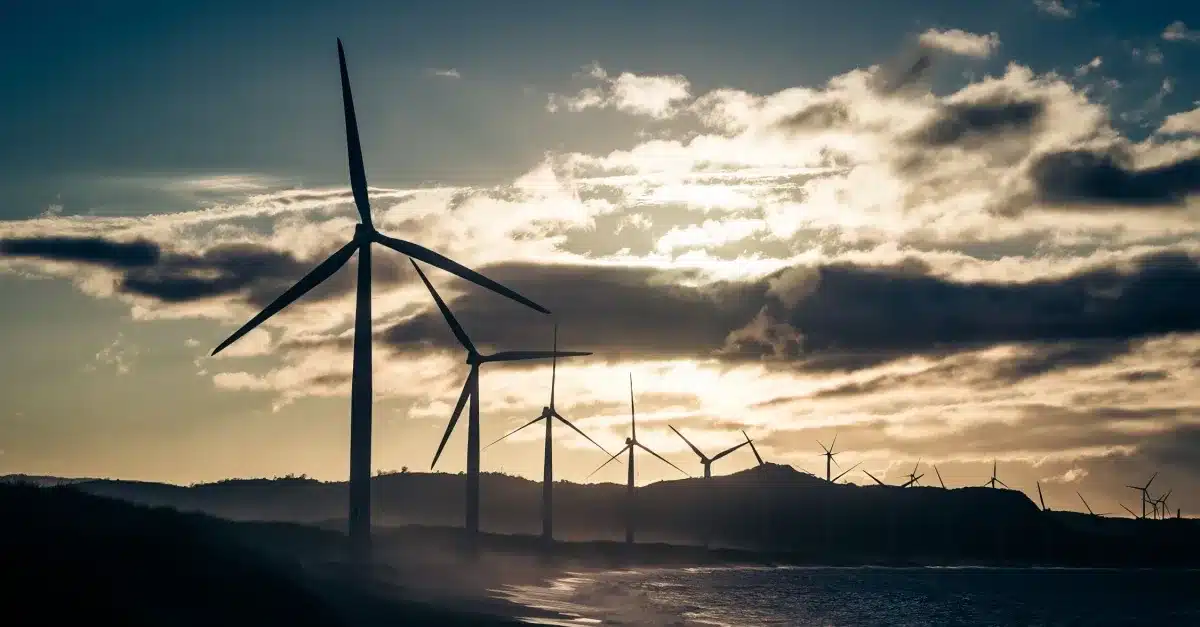
When it comes to wind power, El Niño can disrupt prevailing wind patterns, reducing generation in some regions. Parts of Asia have experienced wind power deficits during these events. Researchers linked the drop in wind generation to shifts in storm tracks and changes in wind speeds, which can weaken or destabilize airflow across key wind farm areas.
(Also read: Iran War, El Niño, Soaring Prices: Why Coal Matters More Than Ever)
Energy Diversity is Necessary
The International Energy Agency (IEA) recommends that ASEAN countries diversify their energy sources and supply routes, maximize the use of domestic resources where economically viable, and invest in energy efficiency and electrification to strengthen energy security.
The United Nations Conference on Trade and Development (UNCTAD) similarly emphasizes that economies with diversified energy sources are better equipped to withstand supply disruptions and market shocks.
“With a strong El Niño episode looming, the Philippines faces a familiar double bind—drought that drains hydropower reservoirs and wilts crops, even as global energy markets stay volatile,” wrote a Business Mirror editorial. “The gap is not resource. It is speed, grid modernization, and the political will to stop treating energy policy as a series of crises to be managed rather than a structure to be built.”
The challenge comes as the Philippines seeks to raise renewables’ share of its power generation mix to 35% by 2030 and 50% by 2040.
The IER points out that as countries expand RE, utilities and policymakers may need to revise generation forecasts and maintain sufficient backup capacity to offset potential drops in output during El Niño events.
“Wind and solar power are affected by weather conditions and must have back-up, which essentially means a secondary system, whether that power is provided by coal, natural gas, or nuclear, or by very expensive storage batteries that store power when there is excess wind and/or solar power and release it when these sources are in a lull,” it stresses. “Adding system costs to wind and solar power no longer makes them the cheap energy sources the media and environmentalists tout.”
It also argues that greater reliance on weather-dependent renewables could pose challenges for power reliability and affordability, particularly as a super El Niño threatens to reduce RE output. As subsidies decline, these energy sources could become more costly, underscoring the need for utilities to anticipate generation shortfalls and plan for adequate backup capacity.
Roberta Boscolo, climate and energy lead at the World Meteorological Organization (WMO), notes that El Niño is a recurring natural phenomenon that typically occurs every two to seven years and lasts around a year. She emphasizes the importance of diversifying energy sources to prevent power grids from becoming too reliant on a single source and to strengthen their resilience to climate-related disruptions.
Historically, El Niño research has focused largely on its effects on rainfall patterns and the frequency and severity of droughts. But as the energy sector evolves, the impact of El Niño and other natural climate phenomena on renewable power generation can no longer be overlooked.
For Mindanao, the need to diversify its energy mix is especially pressing as electricity demand rises and the region pursues further economic growth. With the DOE projecting that the Mindanao grid will require an additional 12,629 MW of capacity by 2050, diversifying the region’s energy mix will be crucial to meeting future demand.
Its forecast estimates the need for 2,560 MW from baseload plants, 760 MW from mid-merit plants, and 9,309 MW from peaking plants. Meeting these requirements will call for substantial investment in new generation capacity and a more resilient power system that can withstand weather-related disruptions and fluctuations in fuel availability.
Hydropower will remain vital to Mindanao, but prolonged drought exposes the risks of relying on weather-dependent sources. Diversifying the energy mix and strengthening storage, grid infrastructure, and backup capacity will help secure reliable, affordable power as demand grows and the region pursues long-term development.
Sources:
https://businessmirror.com.ph/2026/10/12/doe-simulates-high-power-demand-setting-in-el-nino
https://mindanews.com/top-stories/2024/01/power-rates-expected-to-rise-because-of-el-nino
https://themindanaolife.com/measures-in-place-to-cushion-el-ninos-impact-on-power-sector
https://www.eenews.net/articles/how-a-super-el-nino-could-disrupt-renewable-energy
https://businessmirror.com.ph/2026/10/16/resilience-is-not-a-slogan-it-is-an-energy-strategy
https://prod-cms.doe.gov.ph/documents/d/guest/doe-power-sector