Table of Contents
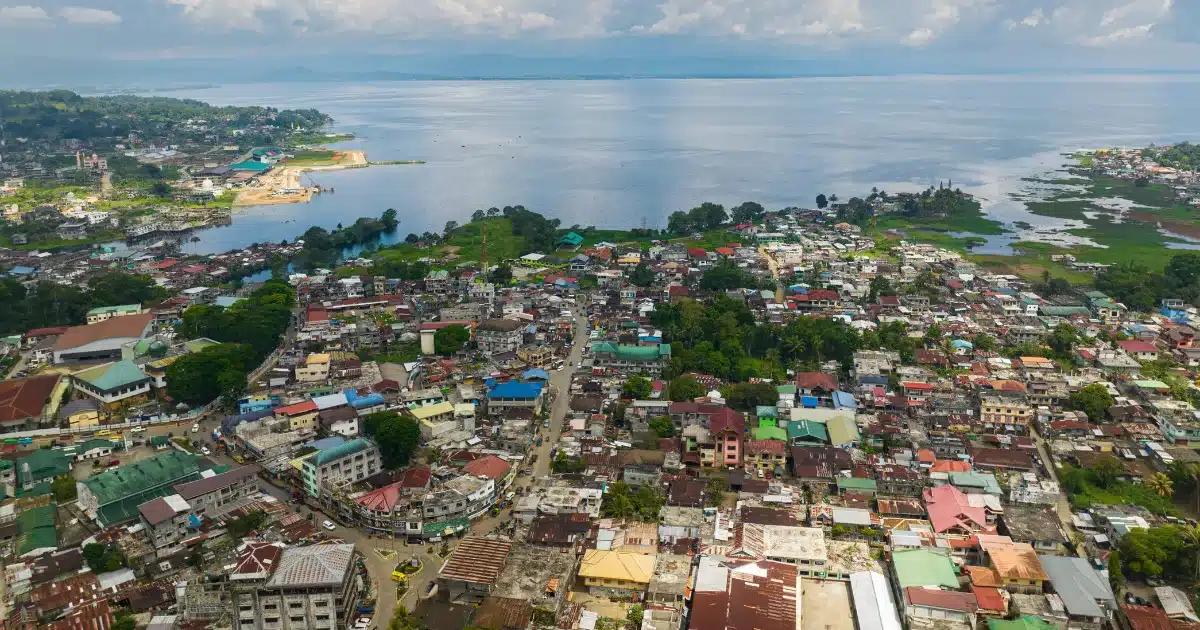
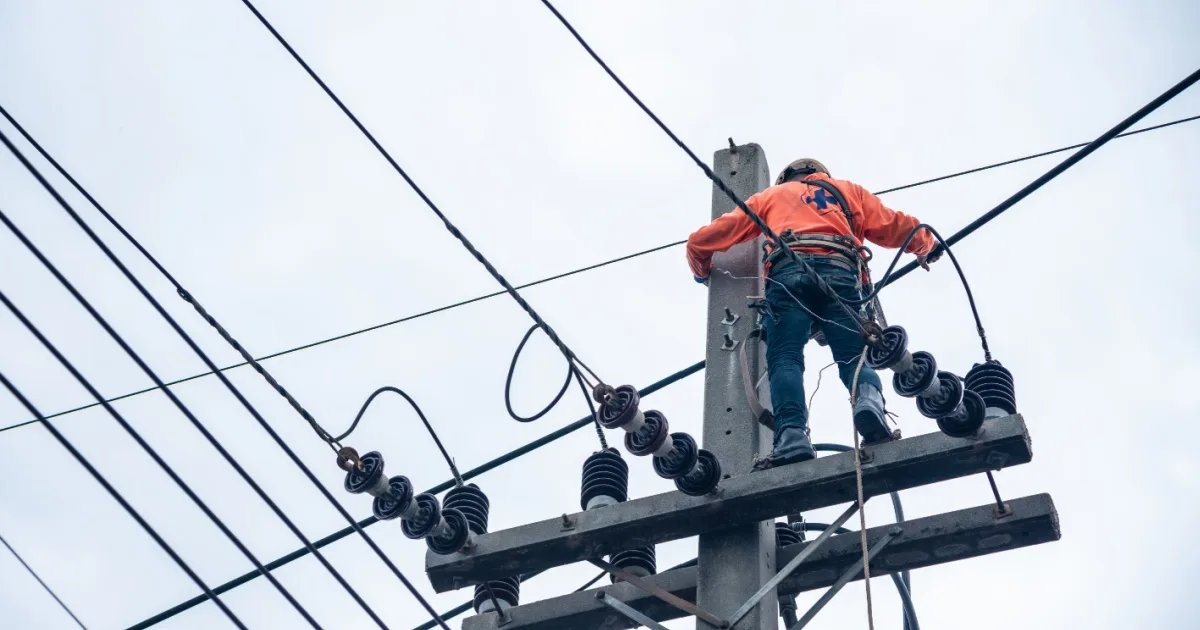
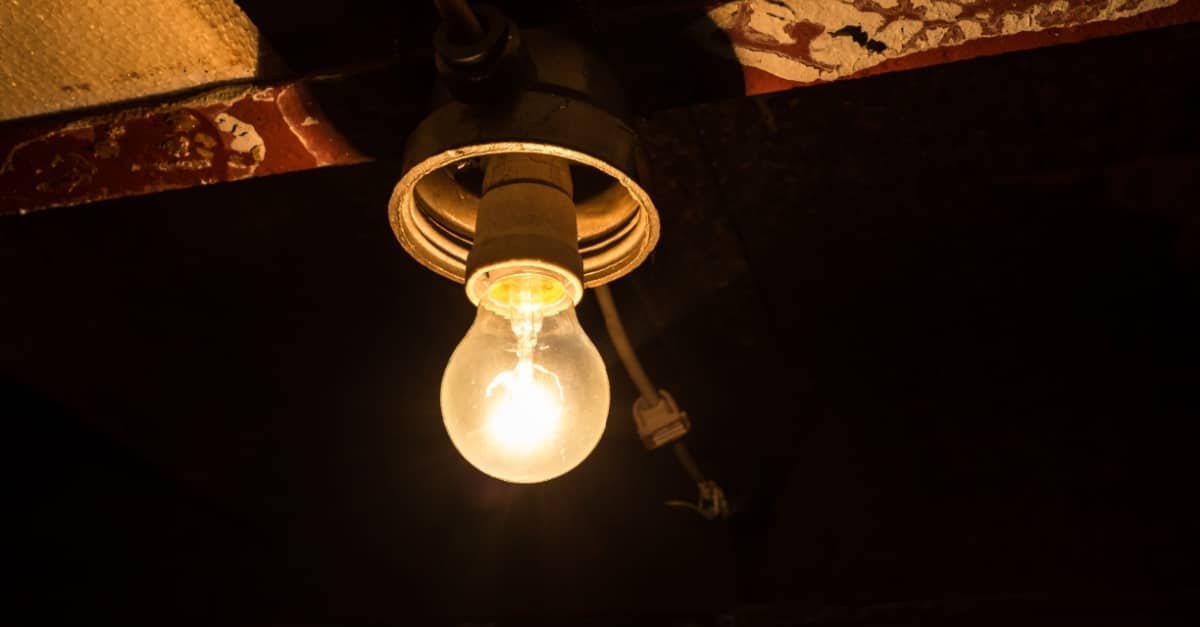
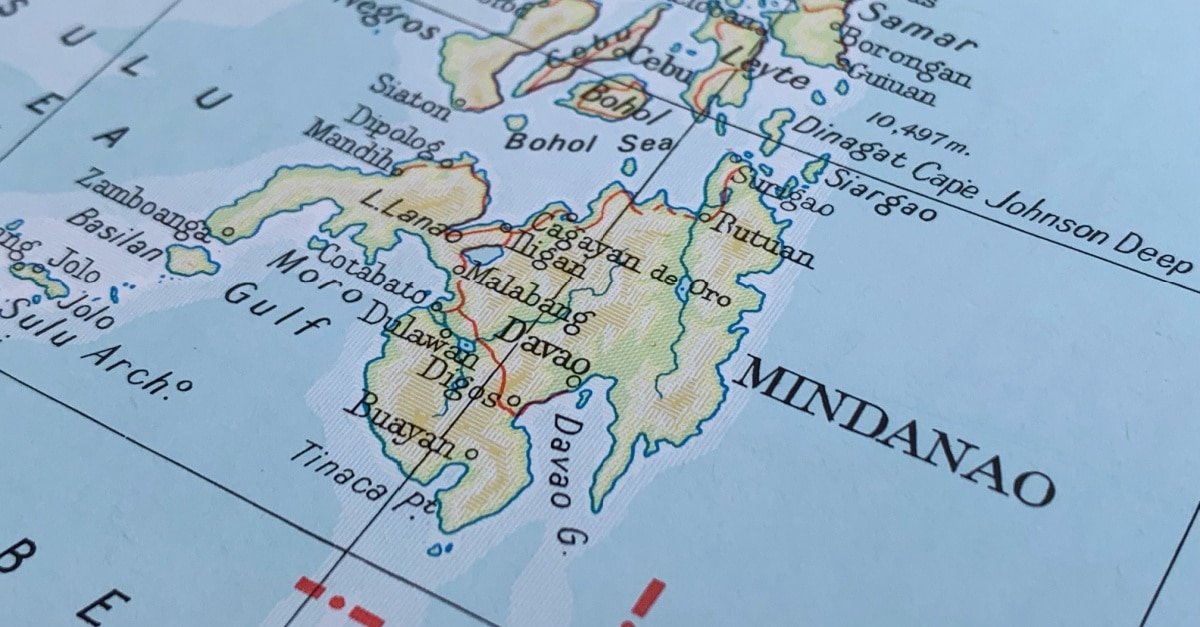
The Department of Energy (DOE) is intensifying its electrification efforts in Mindanao as the government works toward providing electricity to all Filipino households by 2028, with remote and geographically isolated communities requiring tailored energy solutions instead of traditional grid connections.
Energy Secretary Sharon Garin said the country has already achieved a household energization rate of 94.9 percent, but reaching the remaining unserved homes has become increasingly challenging due to population growth and the remoteness of many communities.
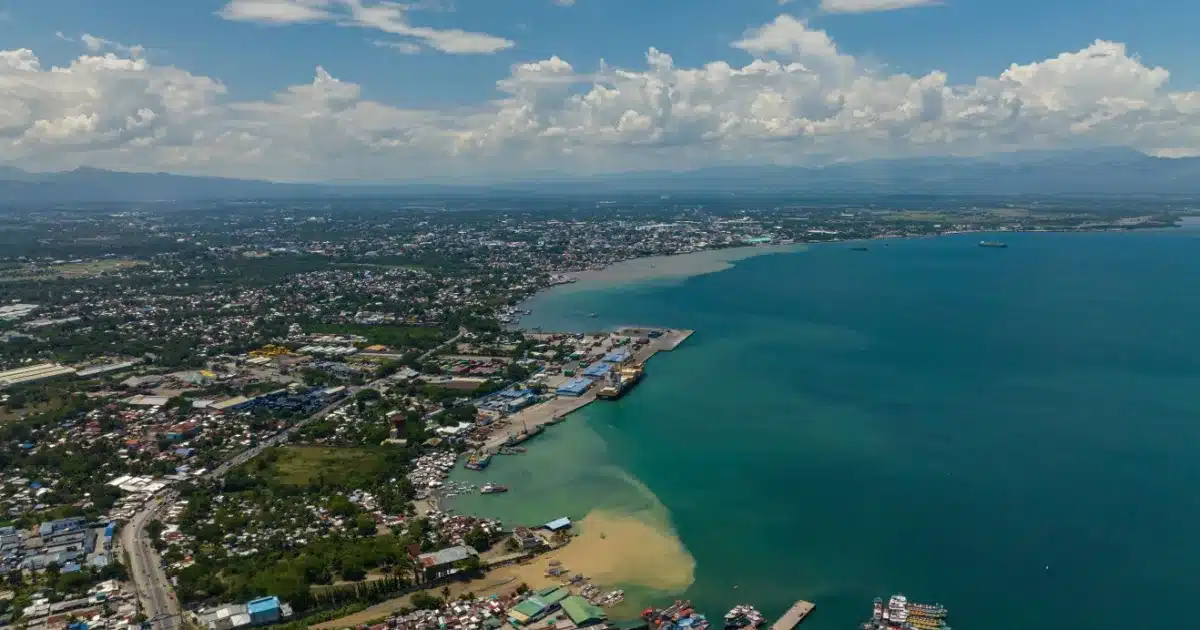
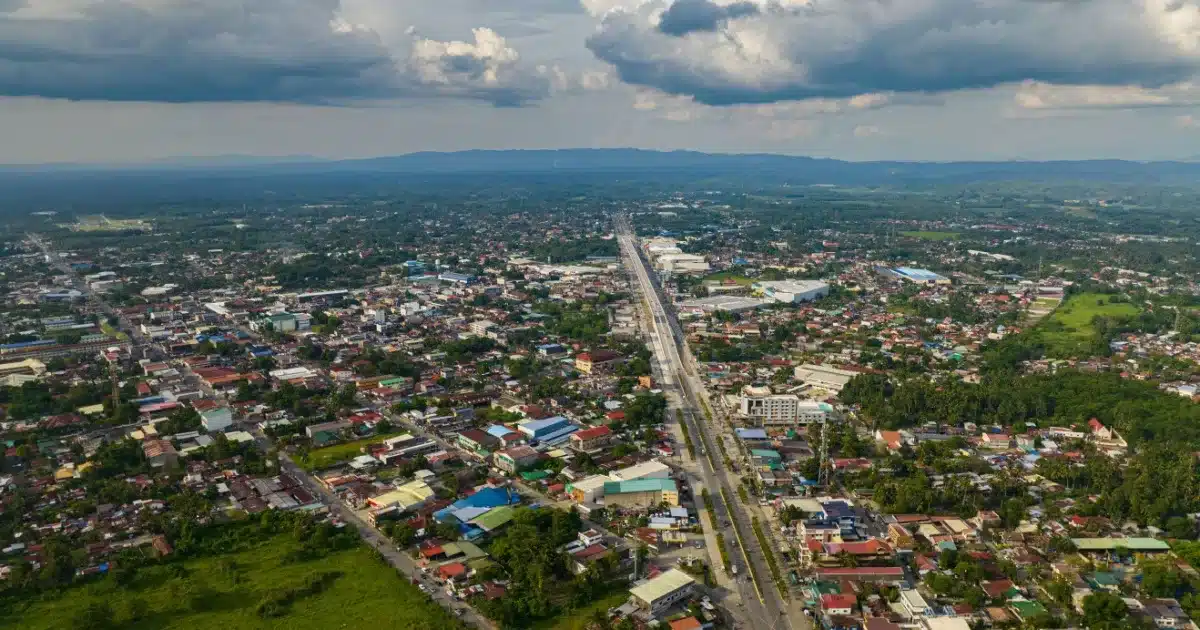
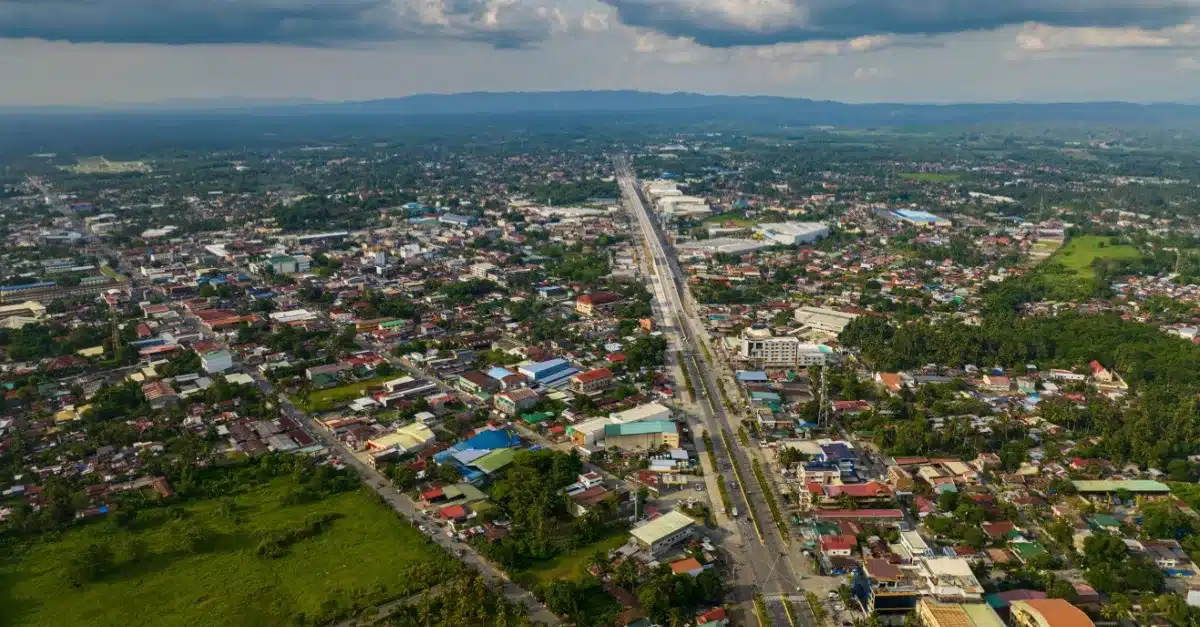
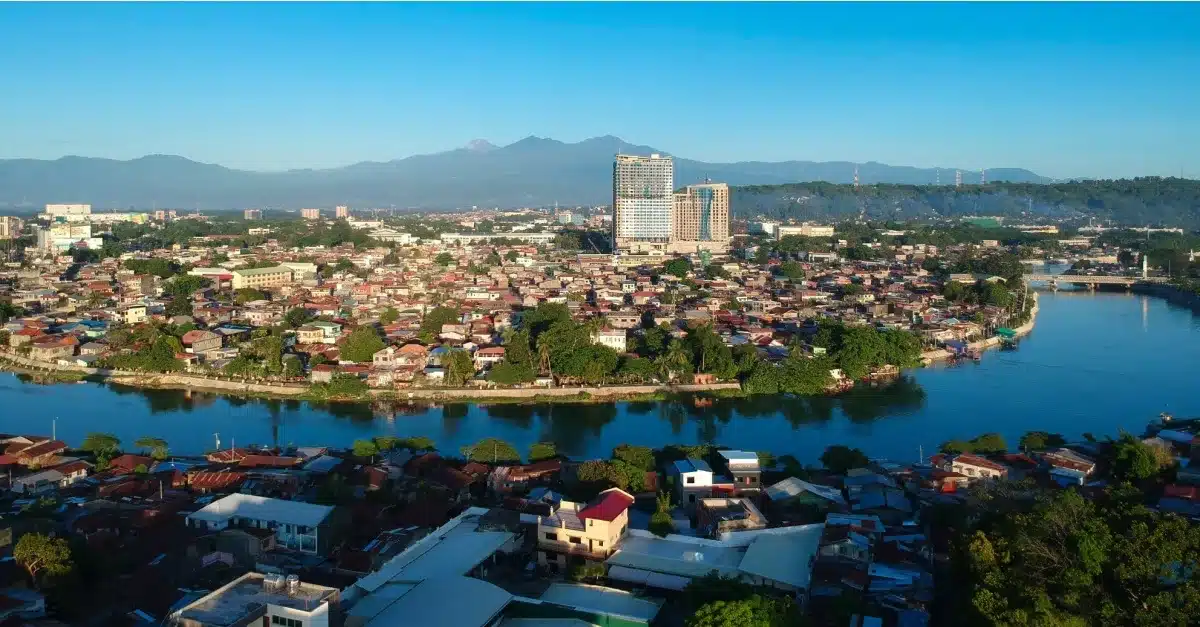
“We’re concentrating more on Mindanao now because Mindanao is lower than Visayas and Luzon,” Garin said during the Bagong Pilipinas Ngayon program aired on state-run PTV on Thursday. She added that narrowing the electrification gap would help promote more balanced regional development, noting that access to electricity drives economic progress.
Targeting Underserved Communities
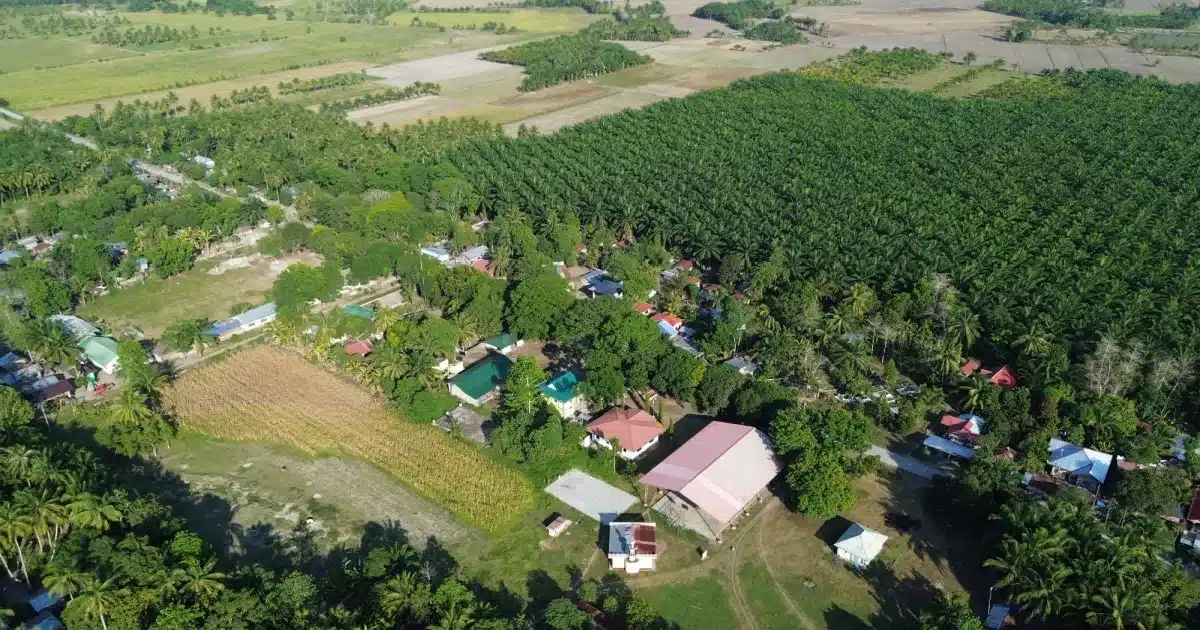
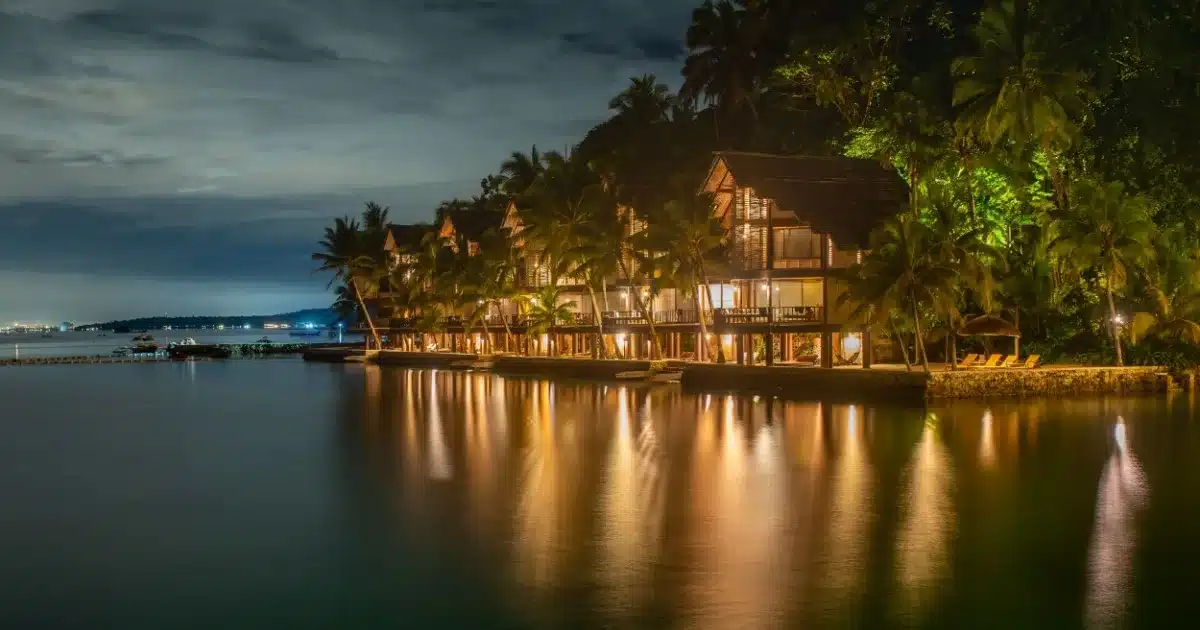
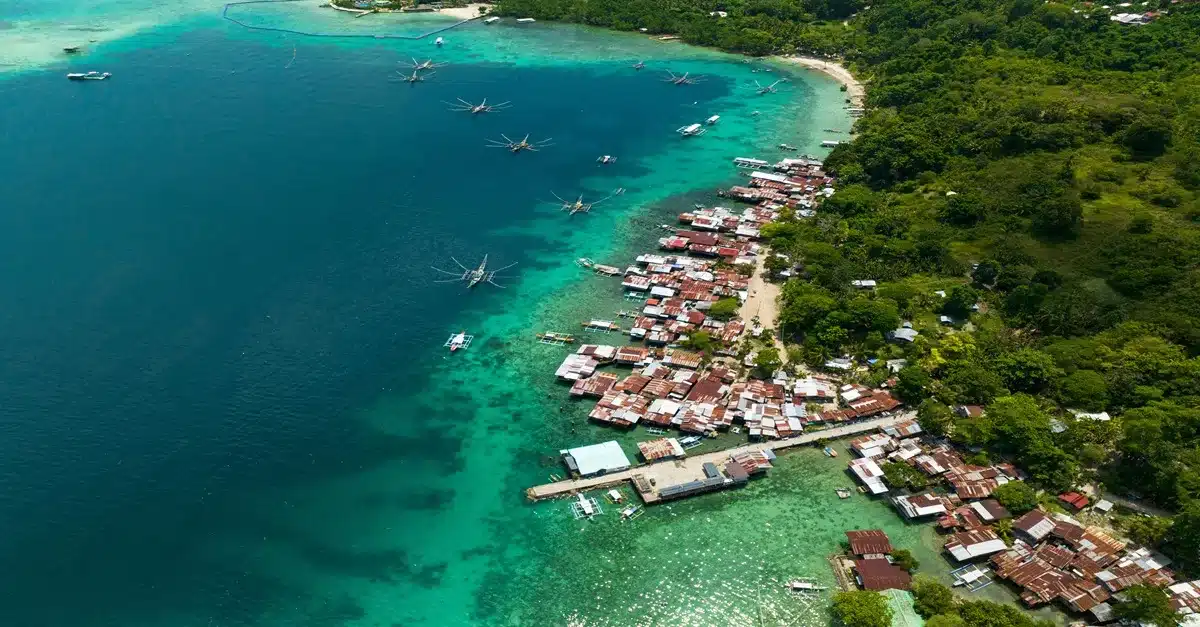
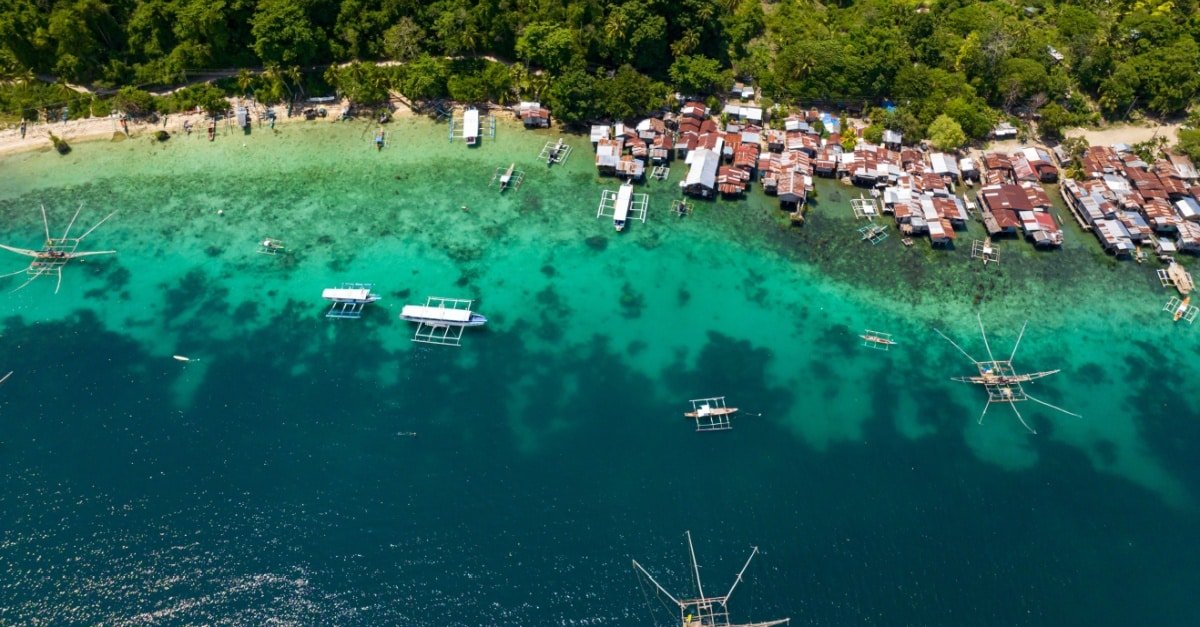
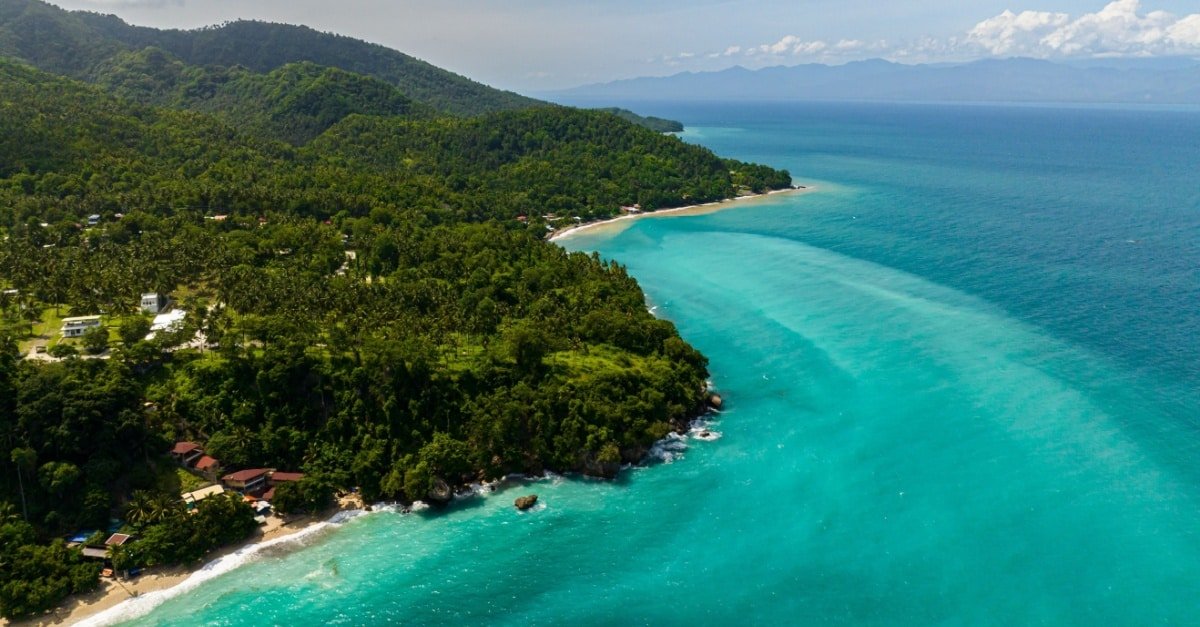
According to Garin, Mindanao remains the government’s priority because many of its unserved households are located in far-flung areas that are difficult and costly to connect to the national grid.
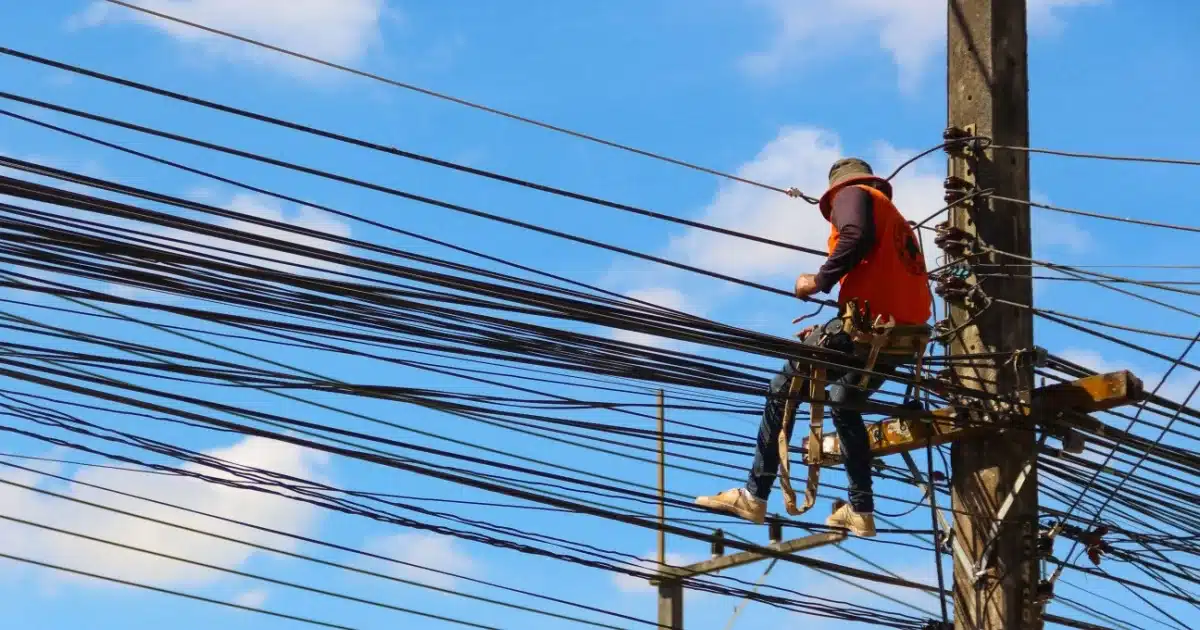
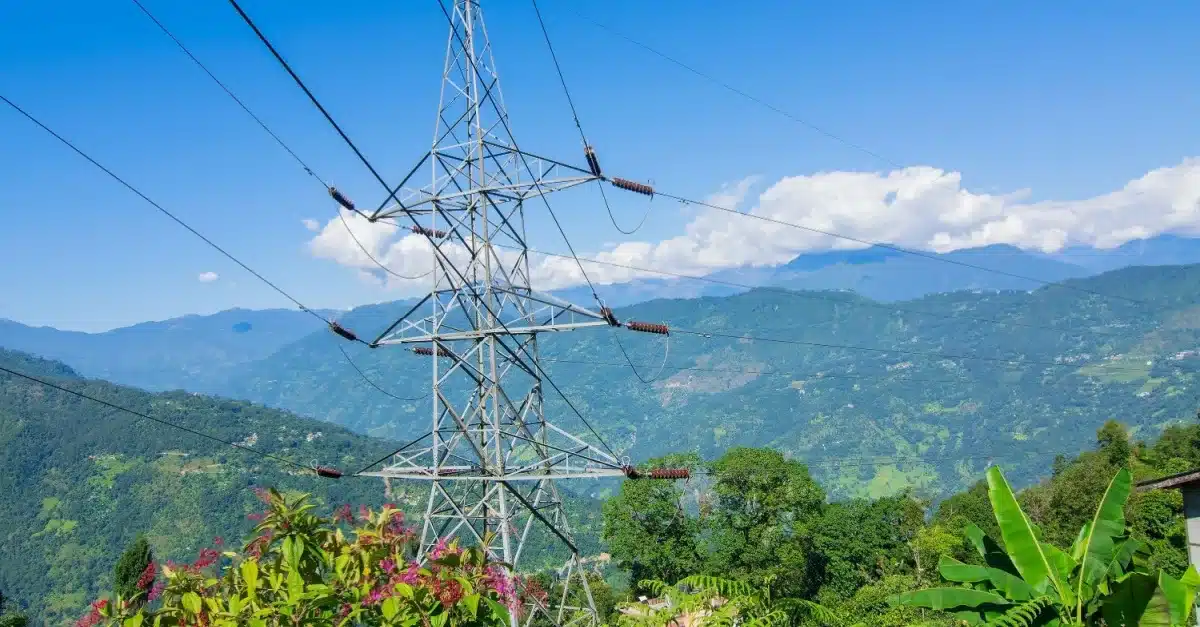
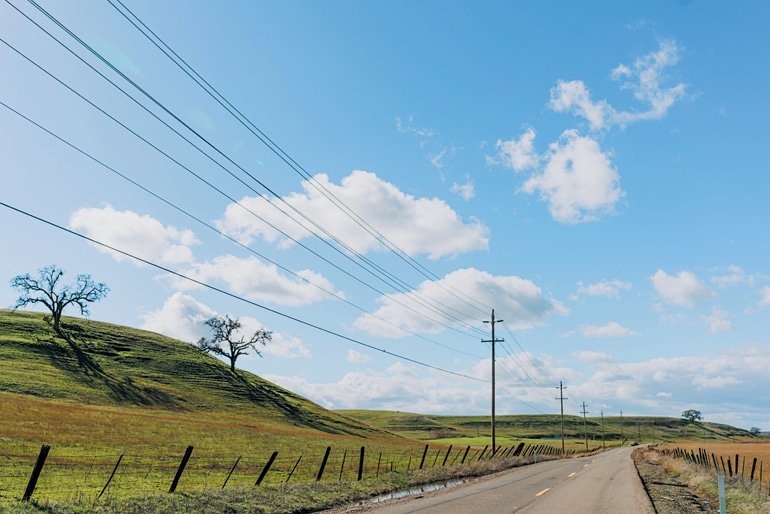
Some communities are situated as far as 20 kilometers from the nearest tapping point, making conventional transmission line expansion economically impractical, especially when only a small number of households would benefit.
Instead of relying solely on grid expansion, the DOE is exploring alternative technologies designed to meet the specific needs of each community.
“Every island or every community needs its unique solution,” Garin said, stressing that extending power lines is not always the most efficient approach.
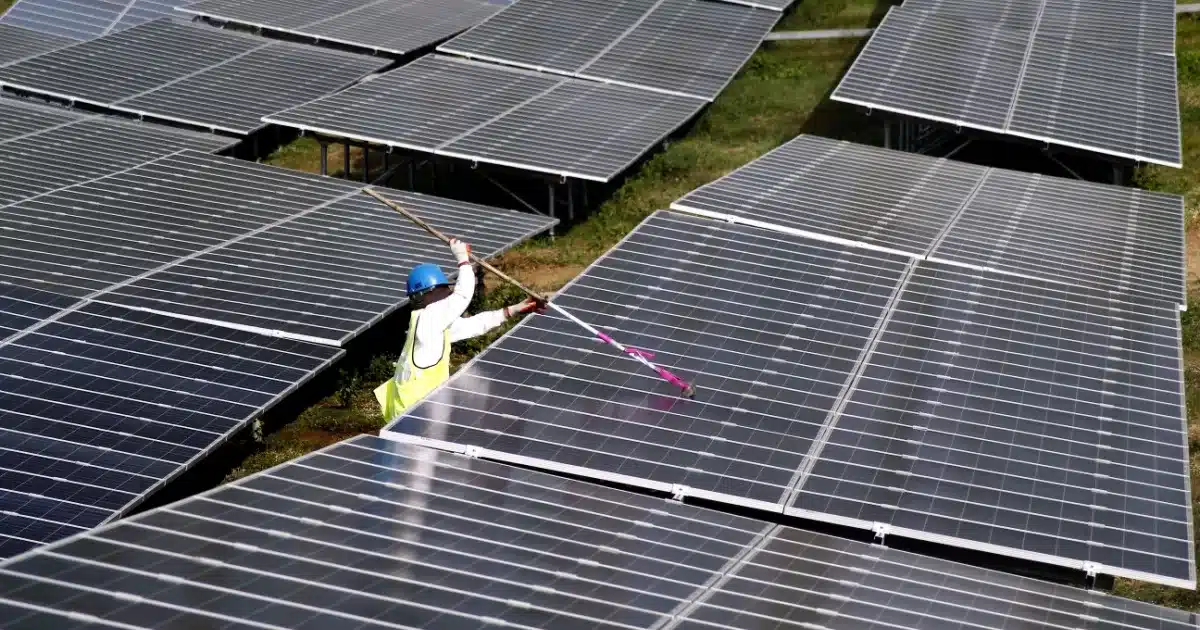
Among the alternatives being deployed are containerized energy systems equipped with solar panels, battery storage and backup diesel or gas-powered generators. For individual households, the government is also distributing solar home systems that include solar panels, lighting equipment and radio units.
Garin said these decentralized energy solutions allow the government to reach isolated communities more quickly while reducing the high costs associated with traditional grid infrastructure.
Off-Grid Electrification
The accelerated electrification campaign follows President Ferdinand Marcos Jr.’s directive during his fourth State of the Nation Address, where he instructed the DOE and the National Electrification Administration (NEA) to provide electricity to the country’s remaining 2.6 million unserved households before the end of his term.
As part of this initiative, the DOE is preparing a Competitive Selection Process for Microgrid System Providers to connect around 12,000 households in off-grid areas across several provinces. These include Quezon, Camarines Norte, Palawan, Masbate, Samar, Negros Occidental, and Zamboanga del Sur.
The program seeks to expand access to reliable electricity through microgrids and other decentralized energy systems, particularly in areas where conventional grid expansion is not feasible.
Pushing Toward Universal Access
While the Philippines is nearing universal household electrification, Garin acknowledged that sustaining progress remains challenging as population growth continues to increase demand for electricity.
She expressed optimism that the government would continue expanding coverage by adopting flexible and community-specific solutions rather than relying on a one-size-fits-all approach.
The DOE’s strategy reflects a shift toward combining conventional grid expansion with renewable and hybrid energy technologies, particularly for isolated communities where alternative systems can deliver electricity more efficiently and at lower cost.
With Mindanao now at the center of the government’s electrification efforts, officials hope the remaining underserved households will gain access to reliable power in the coming years, bringing the country closer to its goal of full household electrification by 2028.
Source: