Table of Contents
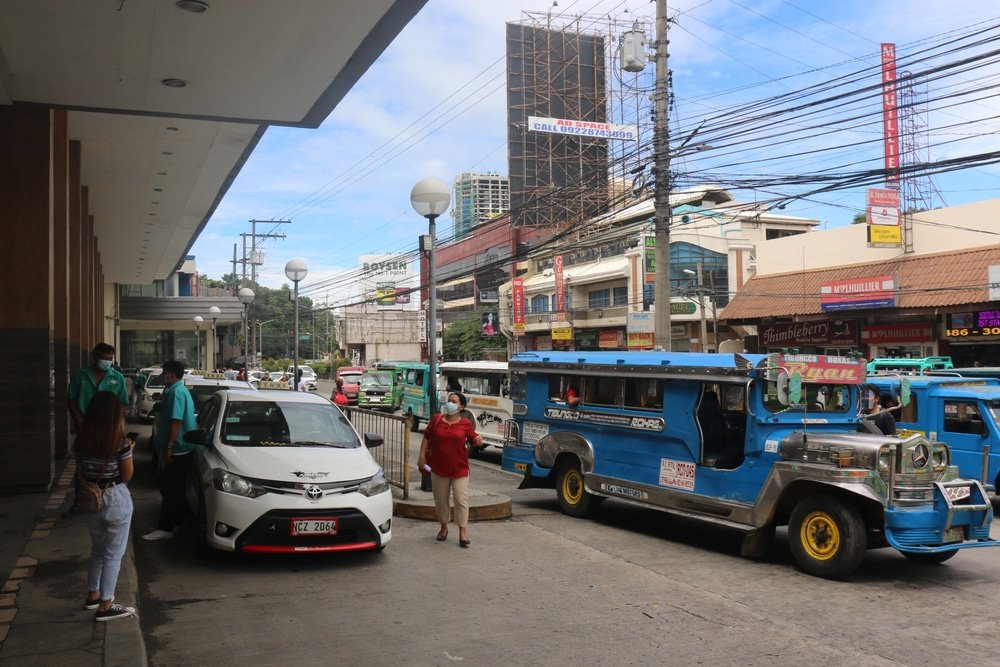
For many communities across Mindanao, electricity is no longer simply a utility issue. It dictates whether students can study at night, compromises hospital operations, limits fishermen’s ability to preserve their catch, strains sari-sari store survival, and shapes investor confidence in regions that desperately need jobs.
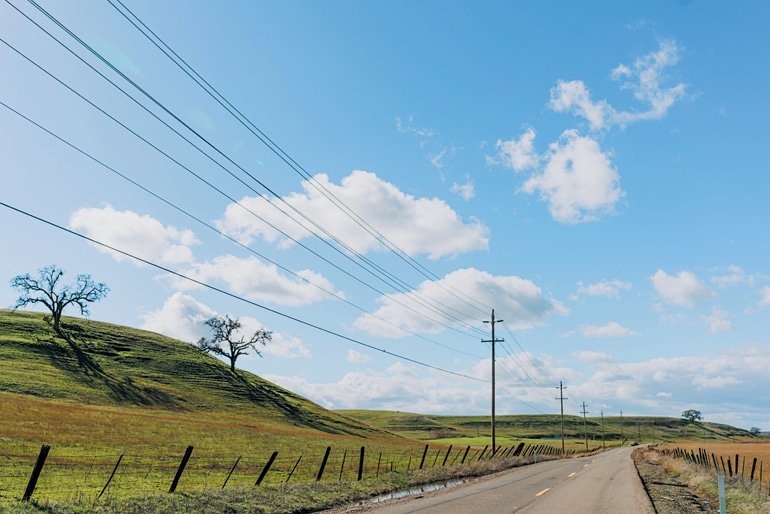
Yet despite decades of electrification programs, many electric cooperatives (ECs) in Mindanao continue to struggle with unreliable service, aging infrastructure, and weak distribution systems. In some areas, consumers endure recurring brownouts while still paying rising electricity bills. The burden falls hardest on ordinary households and small businesses that cannot afford generators or backup systems.
The problem carries enormous economic consequences. A study by the Philippine Institute for Development Studies (PIDS) found that local governments are estimated to incur more than ₱10 billion in losses from a single electricity supply interruption, disrupting the delivery of essential public services, particularly in housing and community development, as well as labor and employment programs.
The authors emphasized that electricity supply interruptions significantly undermine local economic activity. However, they also noted that despite these widespread disruptions, the issue has received limited attention from policymakers.
“Improving electricity reliability, especially outside the NCR (National Capital Region), is both crucial and urgent as unreliable electricity supply has major repercussions on local growth and development,” stated PIDS. “Developing policies that would help boost the performance of ECs, as well as ensuring they have access to enough power supply, should be high in the list of priorities.”
(Also read: Filinvest Solar Project In Misamis Clears ERC Hurdle, Set To Boost Mindanao Grid)
Siargao: When Paradise Goes Dark
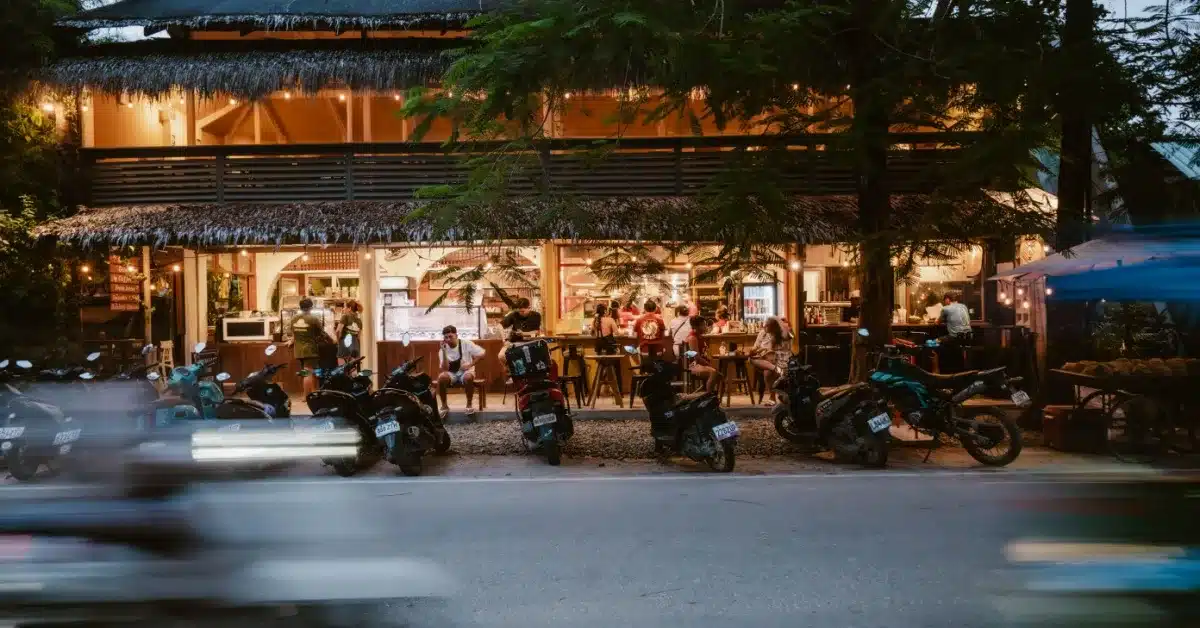
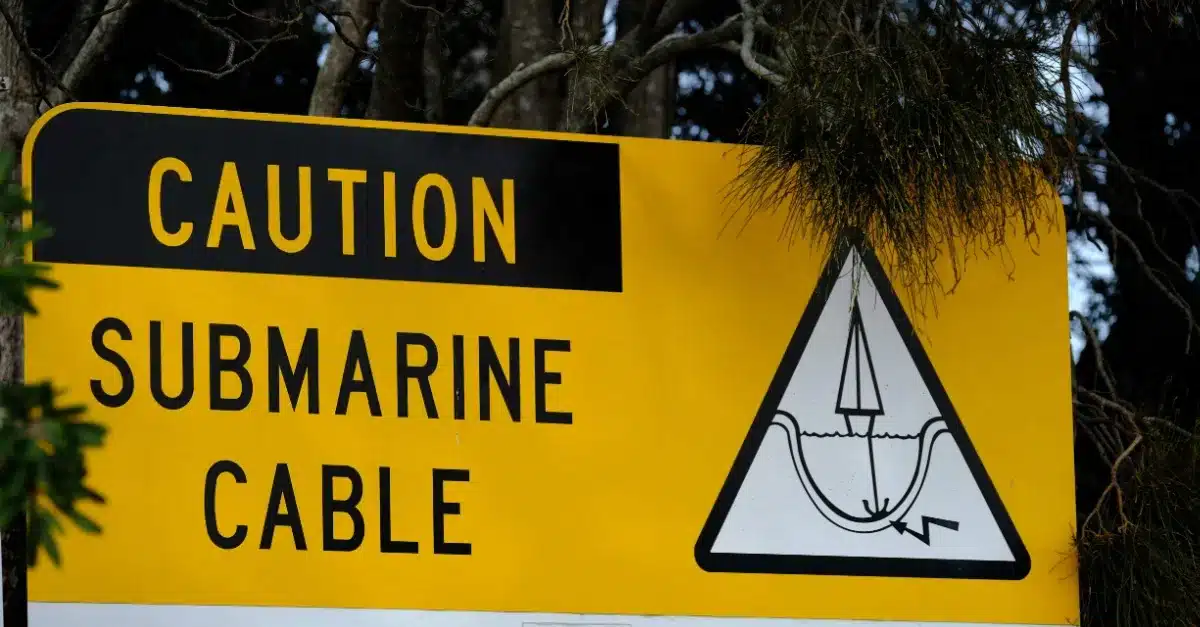
Siargao illustrates the human cost of prolonged outages, after its submarine cable—managed by the Siargao Electric Cooperative (SIARELCO)— failed due to wear and tear in late 2024, cutting the island off from Mindanao’s power grid. Approximately 36,000 people were affected during the two-week blackout, prompting the Provincial Disaster Risk Reduction and Management Office (PDRRMO) of Surigao del Norte to proclaim a state of calamity.
Business owners said the outage worsened the island’s long-running power instability, with some establishments losing up to ₱100,000 daily. Smaller businesses without generators struggled to operate, while a resident warned that the outages were hurting not just tourism enterprises, but also families and communities dependent on the industry for income.
Jireh Dorothy, a staff member of the Municipal Disaster Risk Reduction and Management Office and a resident of San Benito in Siargao Island, said the prolonged outage had severely affected local fisherfolk, many of whom struggled to continue earning a living as ice prices nearly doubled from around ₱700 to ₱800 per block to as high as ₱1,500. “Ang ibang fisherfolk, hindi na nakakapag-livelihood (Some fishermen can no longer earn a living),” she lamented.
The power outage also disrupted water access across many municipalities, where households still depend heavily on electrically powered pumps for their daily water supply.
Small accommodation operators in Siargao expressed alarm over losing expected holiday tourism revenue amid the prolonged outage, with some forced to cancel bookings because they lacked generators capable of sustaining operations. One hostel owner in General Luna said he had to turn away a group reservation of 20 guests due to inadequate backup power.
By the time the problem was addressed, the blackout had already inflicted around ₱1.09 billion in economic losses, with tourism establishments reporting daily revenue declines ranging from ₱10,000 to ₱30,000 during the peak holiday season.
Struggling Businesses in Davao del Norte
In parts of Davao del Norte, residents and entrepreneurs served by the Northern Davao Electric Cooperative (NORDECO) have spoken openly about how unstable electricity affects daily survival. Frequent outages have affected everything from small shops to larger commercial establishments, threatening livelihoods and daily life.
In Asuncion, a first-class municipality in Davao del Norte with a population of around 70,000 and located about 14 kilometers from Tagum, economic activity has expanded, but local businesses continue to struggle under the strain of unreliable electricity.
Noel Jabines, who has long operated Jabines Meat Shop, said recurring outages have caused major financial losses over the years. On one occasion, a prolonged blackout spoiled around 100 kilos of chicken. He also reported that three freezers were rendered unusable over 10 years due to power instability. With limited savings, he had to take out loans to replace them, spending between ₱40,000 and ₱60,000 per unit—an expense that placed significant strain on his small enterprise.
Cynthia, a manager of a 7-Eleven branch in Kapalong, said recurring power interruptions have become a major operational challenge for 24/7 businesses, noting that even their point-of-sale machine was recently damaged due to unstable electricity.
Meanwhile, Xishka, a small retailer, described how the long-running jurisdictional dispute between the Davao del Norte Electric Cooperative and NORDECO left consumers caught in uncertainty over billing and payments.
While Xishka said NORDECO’s service appears to have improved recently, which she believes may be linked to news of Davao Light’s potential takeover, she maintained that unannounced brownouts continue to be a regular disruption.
“I think they just got used to people not complaining because they monopolized our electrical needs,” she disclosed. “Now, if we had a choice, I would definitely transfer to another company.”
(Also read: Mindanao Hydro Rehabilitation Plans Strengthen Case For Renewable Shift)
Malaybalay’s Warning Signs
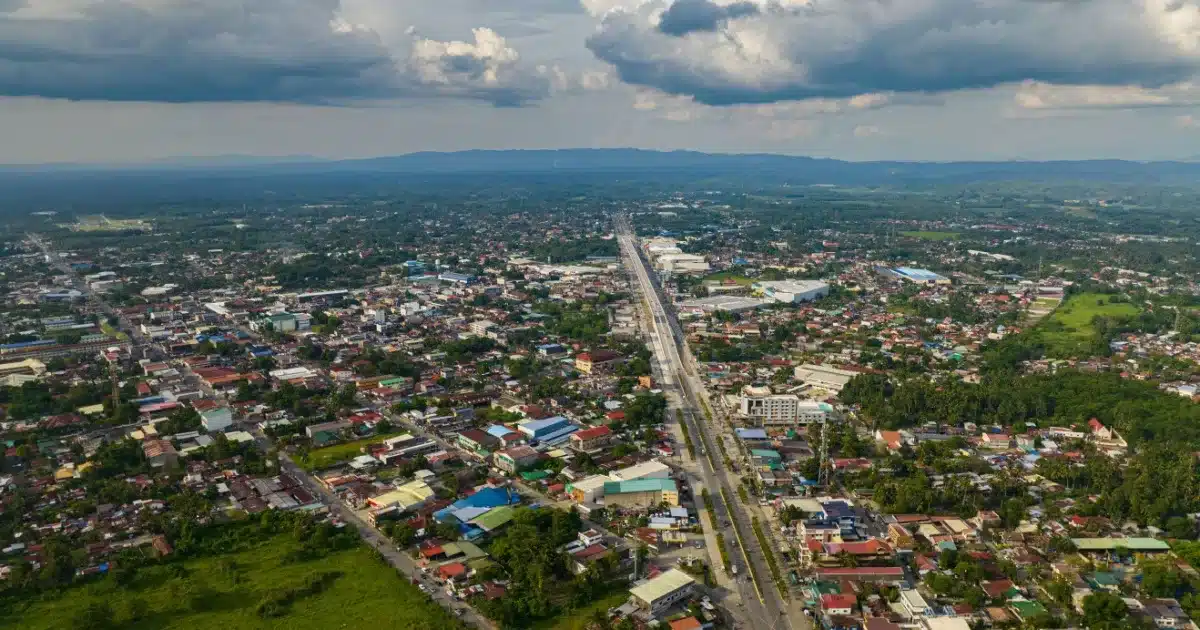
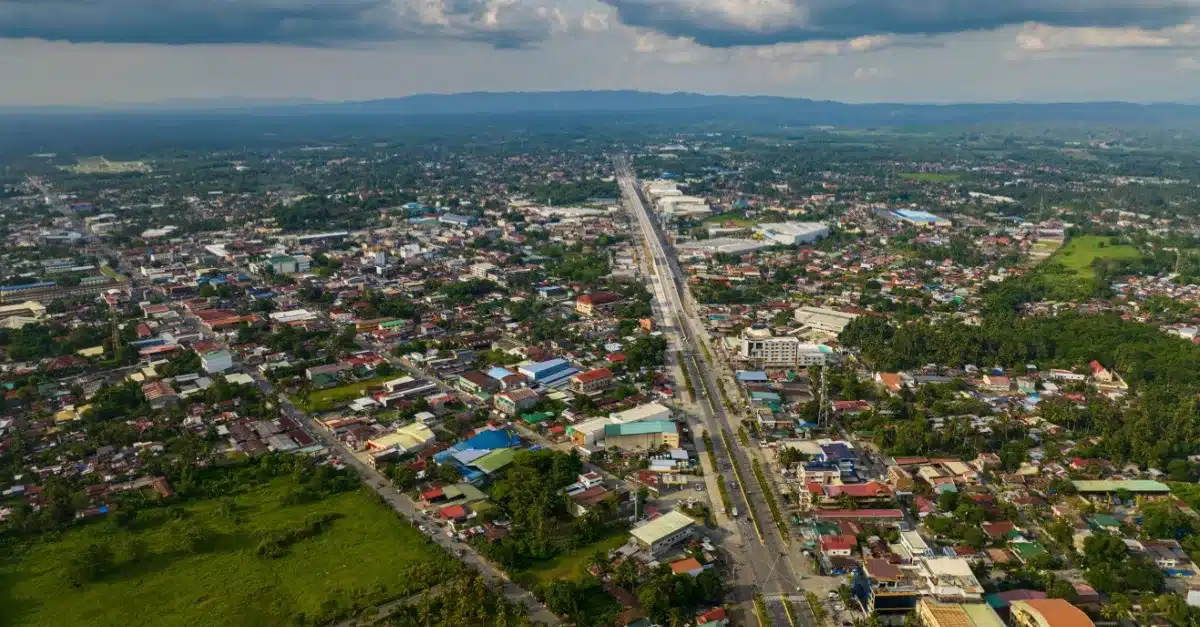
Malaybalay City, the capital of Bukidnon in Northern Mindanao, has developed into a fast-growing urban center driven by population growth of 1.87% annually, expanding economic activity, and its role as the province’s administrative hub. It was ranked 35th out of 114 component cities for economic dynamism in 2023 and received the Seal of Good Local Governance in 2022, reflecting strong institutional performance.
However, a recent paper, Forecasting the Total Electricity Demand in the City of Malaybalay: Application of Seasonal Autoregressive Integrated Moving Average Model, documented how recurring outages from the Bukidnon Electric Cooperative (BUSECO II) continue to threaten broader economic development. According to the study, from the start of 2025 until August 7, 2025, Malaybalay recorded 59 scheduled and 72 unscheduled power outages.
These disruptions were linked to a range of operational and technical factors, including line faults, routine system maintenance, pole rehabilitation works, vegetation clearing, and other grid-related issues. “While these causes may appear routine, their cumulative effect is economically crippling,” pointed out the study.
It continued to note that Malaybalay operates within a markedly different context from the industrialized or highly urbanized settings. Its local economy is dominated by services and small-scale enterprises, which tend to be more exposed to the effects of power interruptions. Unlike large industrial operators equipped with backup generation systems, many micro, small, and medium businesses in the city depend entirely on uninterrupted grid electricity, meaning outages can quickly disrupt both commercial activity and household incomes.
Data from the Business Permit and Licensing Office show that Malaybalay had 6,303 registered micro, small, and medium enterprises (MSMEs), highlighting the scale of its locally driven business sector.
“Power outages remain a significant challenge in Malaybalay as it aims to become a highly urbanized city,” the study stated. “Scheduled and unscheduled brownouts exacerbate economic losses across almost all sectors of the economy.
Why Underserved Communities Suffer the Most
While affluent households can cushion disruptions through solar panels, inverters, generators, or battery systems, and large commercial establishments are often able to absorb short-term losses, poorer communities are left far more exposed.
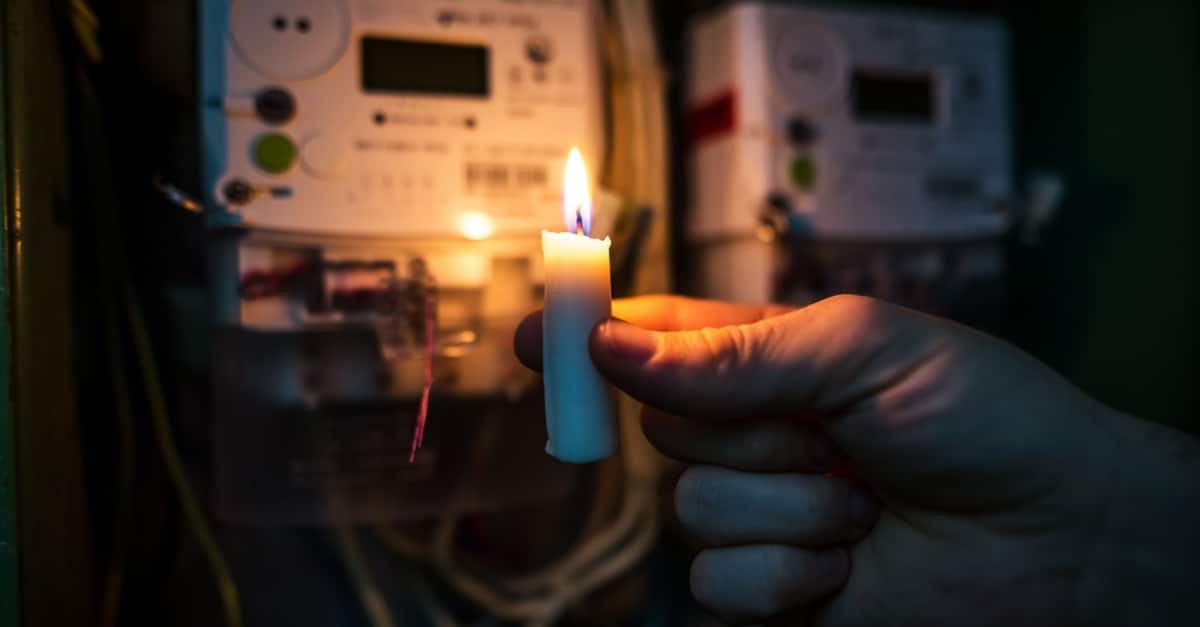
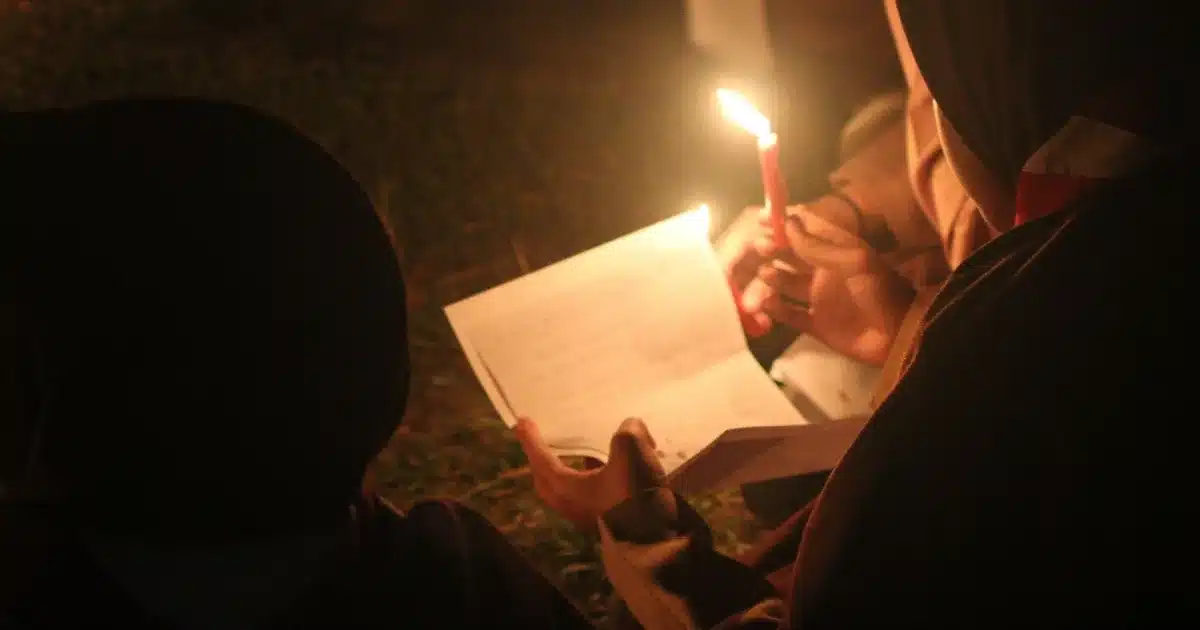
In areas served by struggling ECs, residents are frequently compelled to adjust daily life around uncertainty—charging devices whenever electricity returns, storing water in advance of outages, planning business activity around blackout advisories, studying under candlelight, enduring hot nights without fans, and carefully managing food supplies that may spoil during interruptions.
Over time, these conditions reinforce existing cycles of poverty. Students in underserved communities face learning setbacks when repeated outages disrupt study time and limit internet access, while small entrepreneurs lose potential income and growth opportunities. At a broader level, investors are often hesitant to enter areas with unreliable utilities, further constraining local development. The cumulative effect is a widening gap between communities with stable infrastructure and those persistently left behind by inconsistent power supply.
Electricity supply plays a fundamental role in sustaining economic productivity, ensuring business continuity, and enabling broader urban development. When power interruptions occur frequently, they can significantly constrain firm output, disrupt supply chains, and weaken investor confidence, especially in cities with expanding commercial activity.
“It becomes evident that stable electricity supply is not only a technical requirement but a foundational element of sustained economic growth,” stated the study on Malaybalay’s power issues.
Communities outside major urban centers deserve the same reliability, efficiency, and quality of life available elsewhere in the country. They deserve electric systems capable of supporting modern education, healthcare, tourism, entrepreneurship, and industry.
Ultimately, discussions about ECs are not merely about transformers, substations, or distribution lines. They are about whether entire communities are given a fair chance to prosper.
Sources:
https://powerphilippines.com/ilaw-calls-for-urgent-power-reforms-after-another-siargao-blackout