Table of Contents
The Department of Energy (DOE) and the Bangsamoro Autonomous Region in Muslim Mindanao (BARMM) are strengthening cooperation to develop indigenous energy resources, expand electricity access in remote communities, and gradually transfer greater energy-sector responsibilities to the regional government.
The partnership covers petroleum, renewable energy, native hydrogen and electrification initiatives as the national government works with the Bangsamoro government to build a more secure and self-reliant energy system.
DOE Undersecretary Giovanni Carlo Bacordo said the agency is coordinating closely with BARMM’s Ministry of Environment, Natural Resources and Energy (MENRE) through the Intergovernmental Energy Board to establish policies and regulatory mechanisms that will support the region’s energy development.
“Our direction is clear: BARMM must not be left behind in the country’s energy development,” Bacordo said.
He said the DOE and MENRE are working to develop new energy resources while strengthening the institutions needed to turn these resources into reliable, cleaner, and accessible energy for Bangsamoro communities.
Petroleum Projects
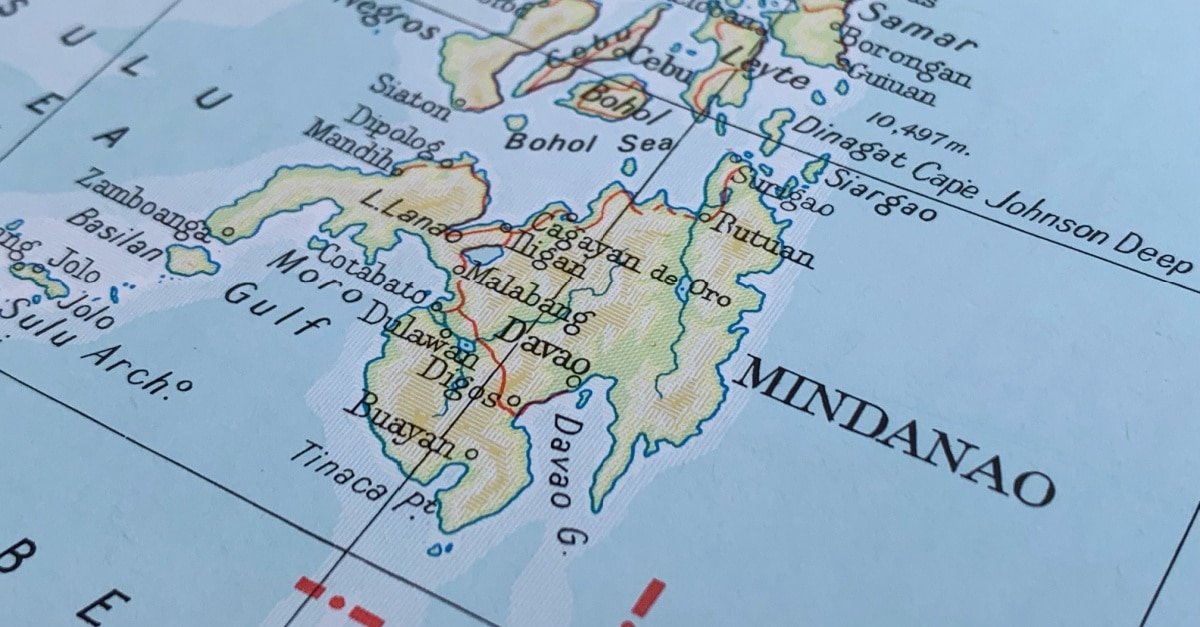
A key part of the cooperation is the development of Petroleum Service Contracts (PSCs) 80 and 81 in the Sulu Sea.
The DOE and MENRE are finalizing a joint circular that will establish co-management arrangements for the newly awarded petroleum service contracts. The framework is expected to give BARMM a greater role in the development and management of petroleum resources within the region.
The initiative follows President Ferdinand R. Marcos Jr.’s announcement during his fifth State of the Nation Address that BARMM would co-manage the two petroleum contracts with the national government.
For Bangsamoro leaders, the partnership could help strengthen energy security while creating opportunities for investment, employment, and community development. It also forms part of the government’s broader effort to tap indigenous energy resources and reduce reliance on imported fuel.
Atty. Kitem Duque Kadatuan Jr., a member of the Bangsamoro Transition Authority Parliament, said reliable and affordable energy is essential to inclusive economic development.
“Energy is not only about keeping the lights on,” Kadatuan said, adding that dependable power can help communities attract investments, create jobs, and improve residents’ quality of life.
Native Hydrogen Exploration
The DOE and MENRE are also preparing a regulatory framework for the exploration and development of native hydrogen in BARMM.
Initial DOE studies indicate that Tawi-Tawi and Basilan have potential for native hydrogen, giving Mindanao another possible source of indigenous energy.
The effort is part of the government’s broader push to identify and develop domestic energy resources while improving long-term energy security.
Apart from resource development, the DOE is also assisting MENRE in establishing the regulatory systems needed to manage the region’s growing energy responsibilities.
Renewable Energy Transition
The two agencies are likewise implementing a transition agreement signed in November 2024 covering renewable energy functions.
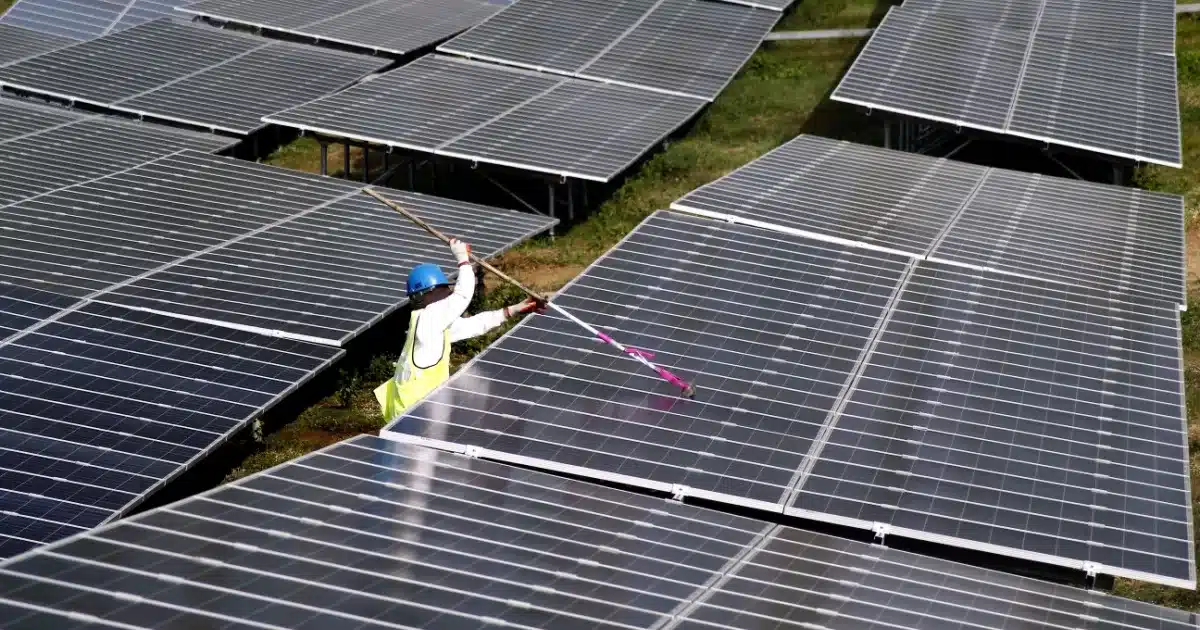
Under the arrangement, the DOE is supporting the transfer of renewable energy documents through data-sharing mechanisms and helping establish guidelines for projects that fall across national and BARMM jurisdictions.
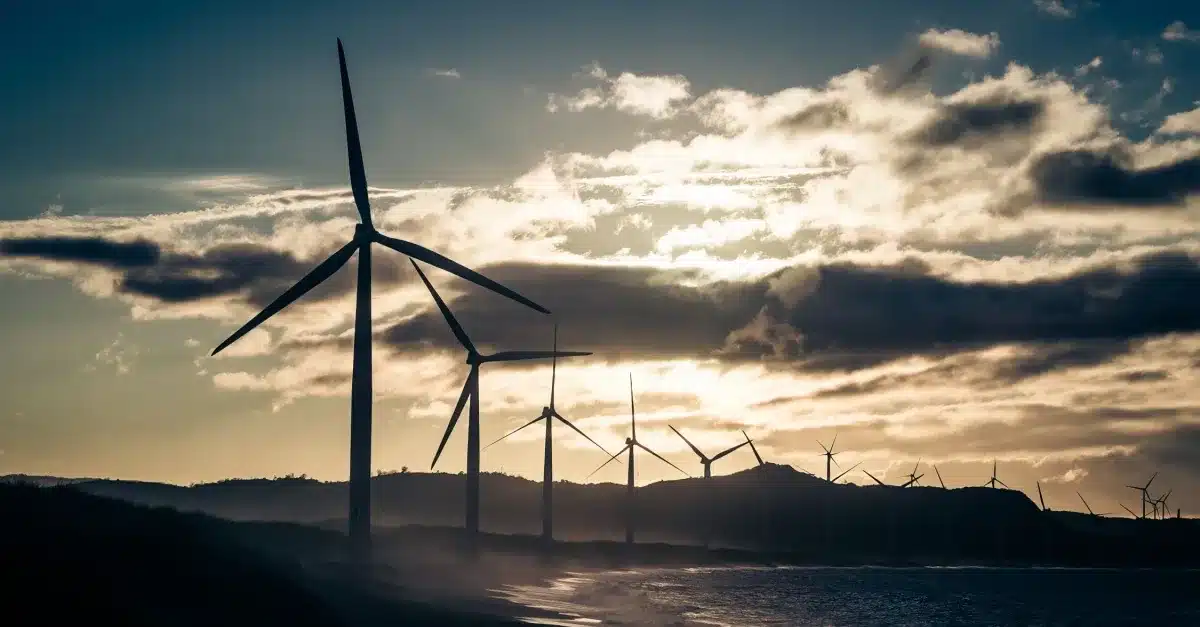
Technical assistance is also being provided for hydropower, wind, and biomass projects.
The renewable energy initiatives are aligned with the national goal of raising renewable energy’s share of the country’s power generation mix to 50 percent by 2040.
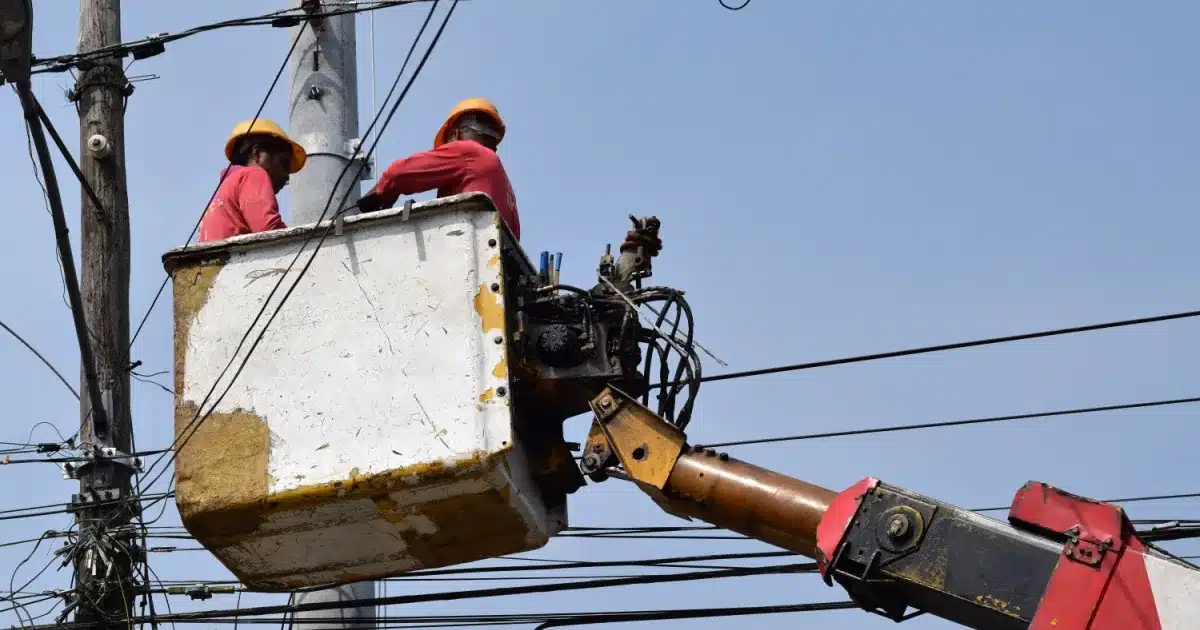
The DOE is also pursuing the phased transfer of power and electrification functions to MENRE, giving the regional government a larger role in managing its energy sector.
Electrification In Remote Communities
Despite ongoing expansion of electricity services, isolated communities remain among the biggest challenges to achieving total electrification in BARMM.
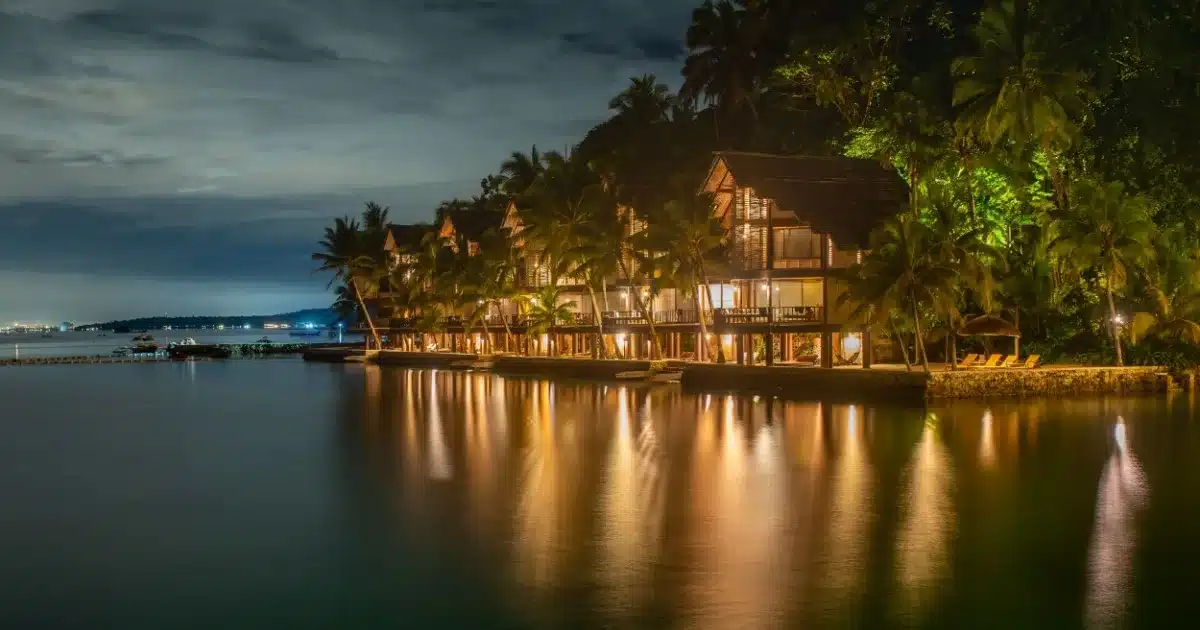
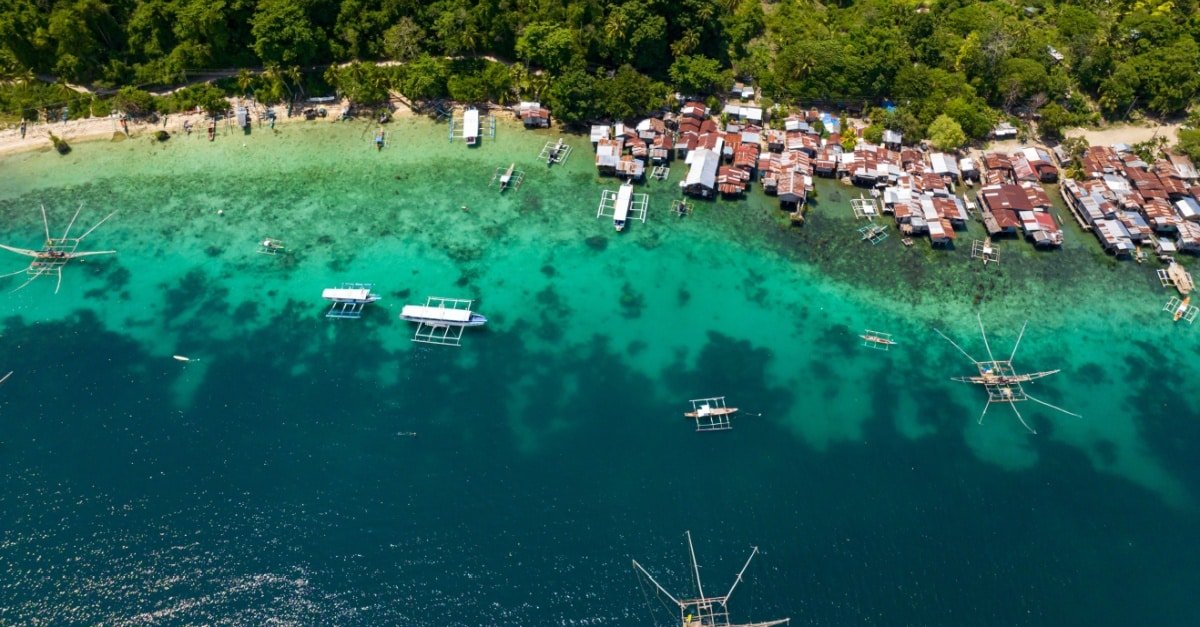
The DOE and MENRE are developing a consolidated electrification roadmap focused on remaining access gaps, including communities in remote and off-grid areas such as the Turtle Islands.
The agencies are also coordinating with the BARMM Parliament on a proposed Universal BARMM Electrification Act, which is intended to provide a long-term policy basis for sustained electricity access across the region.
Bacordo said total electrification should not be measured only by improvements in overall access figures.
“Total electrification must mean reaching communities where providing electricity is most difficult,” he said, stressing that geography should not prevent Bangsamoro families from gaining access to electricity.
The planned BARMM Energy Code is expected to complement these efforts by providing a comprehensive policy and regulatory framework for the region’s energy sector.
Source:
https://tribune.net.ph/2026/08/10/barmm-region-promises-a-self-reliant-energy-future