Table of Contents
President Ferdinand Marcos Jr. said consumers are increasingly prioritizing affordable electricity over its source, underscoring the need to keep power costs manageable amid the ongoing energy crisis.
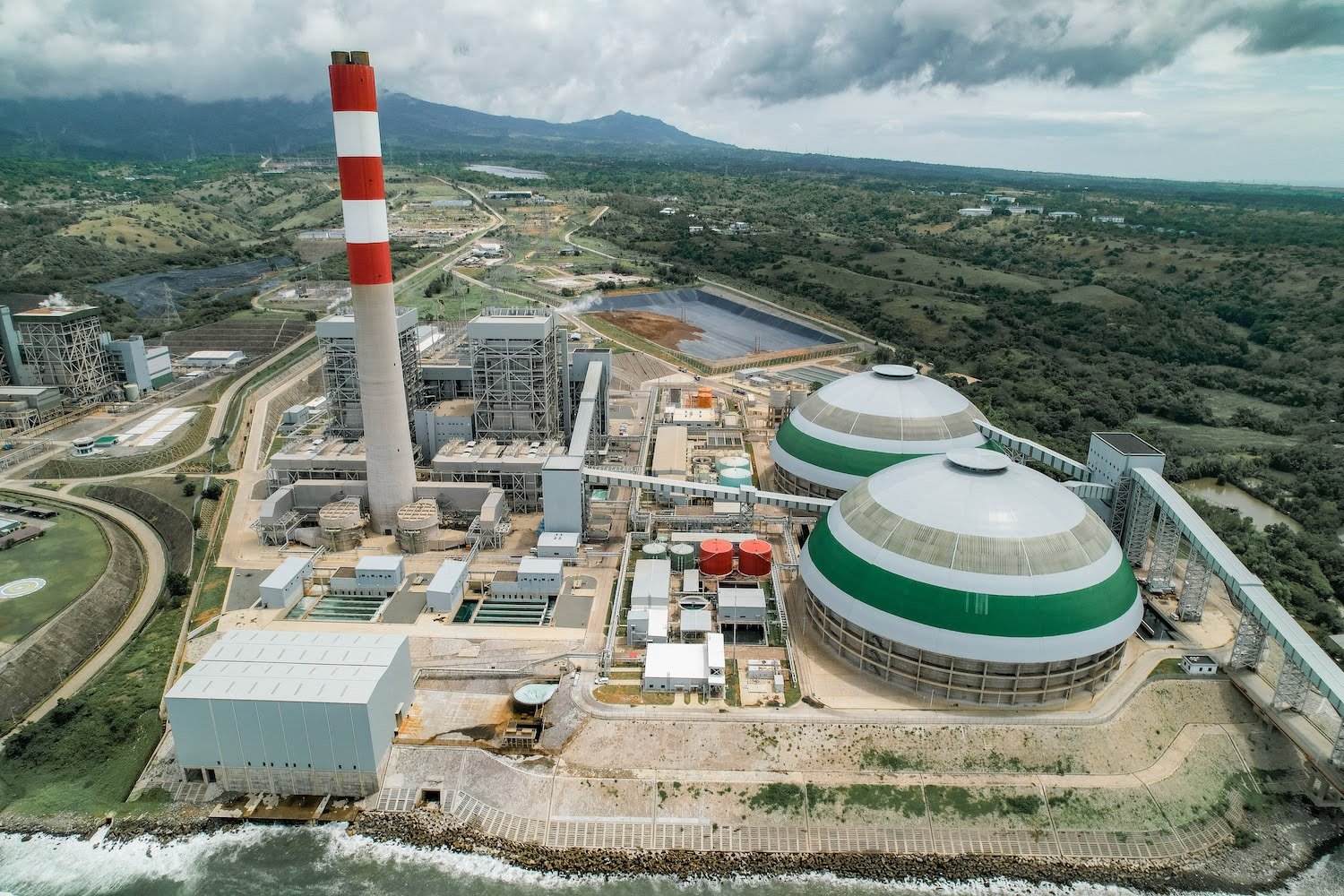
Against this backdrop, coal remains a key part of the Philippines’ efforts to meet electricity demand, with consumption expected to remain steady this year. In its Coal Mid-Year Update 2026, the International Energy Agency (IEA) noted that coal-fired power plants in the country are already operating at high load factors, helping sustain demand as Middle East supply disruptions tighten global fuel markets.
The government is maximizing coal-fired power generation to help ensure adequate electricity supply, with Department of Energy (DOE) Secretary Sharon Garin saying coal “remains one of the cheapest options” for generating power.
Coal accounts for around 60% of the Philippines’ energy mix, with consumption estimated at 47 million metric tons in 2025. Demand is projected to climb by 15% to 54 million tons by 2030.
While environmental groups may raise concerns over coal consumption, energy experts note that the Philippines accounts for just 0.45% of global greenhouse gas emissions.
“It makes more sense to take care of our economy first by assuring adequate power supply,” wrote Philstar columnist Boo Chanco. “Besides, rapid technological advances have drastically reduced coal’s potential to dangerously pollute the air.”
Modern coal plants use high-efficiency, low-emission technologies to generate more electricity with less fuel while reducing sulfur dioxide, nitrogen oxides, and particulate pollution. Already used in Japan and South Korea, these systems can lower operating costs and environmental impacts compared with conventional plants.
Marcos declared a year-long national energy emergency in March, citing the Middle East war’s threat to the Philippines’ energy supply. The move came hours after Garin announced plans to ramp up coal-fired power generation to help contain electricity costs amid disruptions to global gas shipments.
(Also read: Davao Presses Ahead With Japan-Backed Waste-To-Energy Facility)
Super El Niño Threat Looms
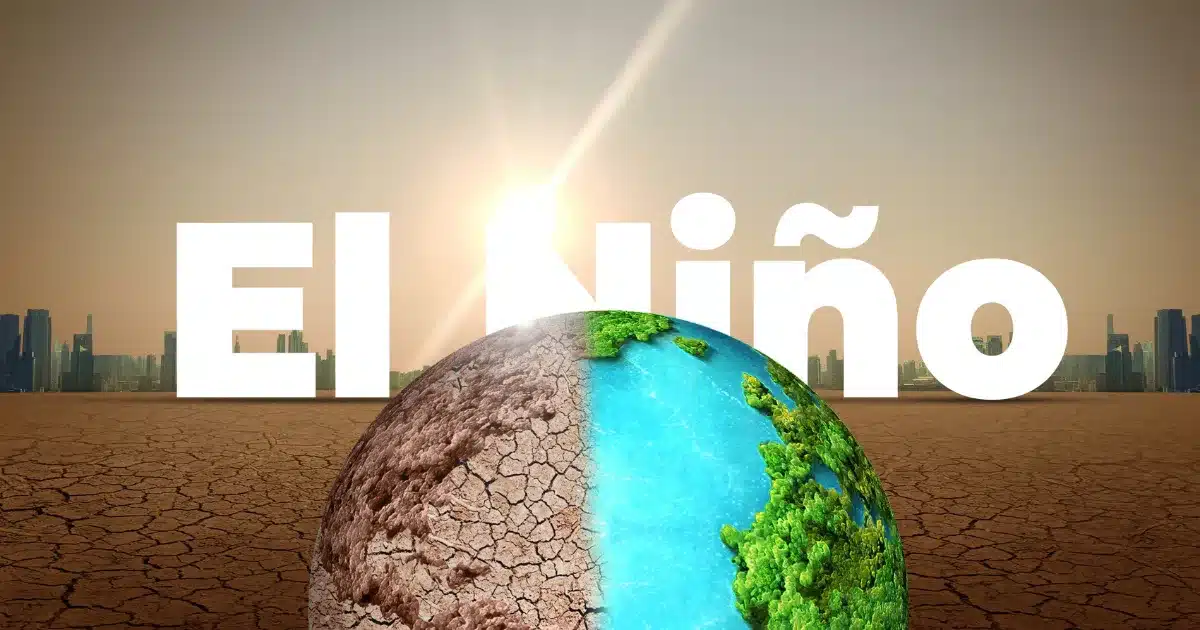
Adding to the strain from the Iran war, a looming “super El Niño” could expose Filipinos to more frequent power outages and higher electricity bills.
El Niño is a climate phenomenon marked by unusually warm Pacific Ocean surface waters, often bringing hotter temperatures, prolonged droughts, and irregular rainfall.
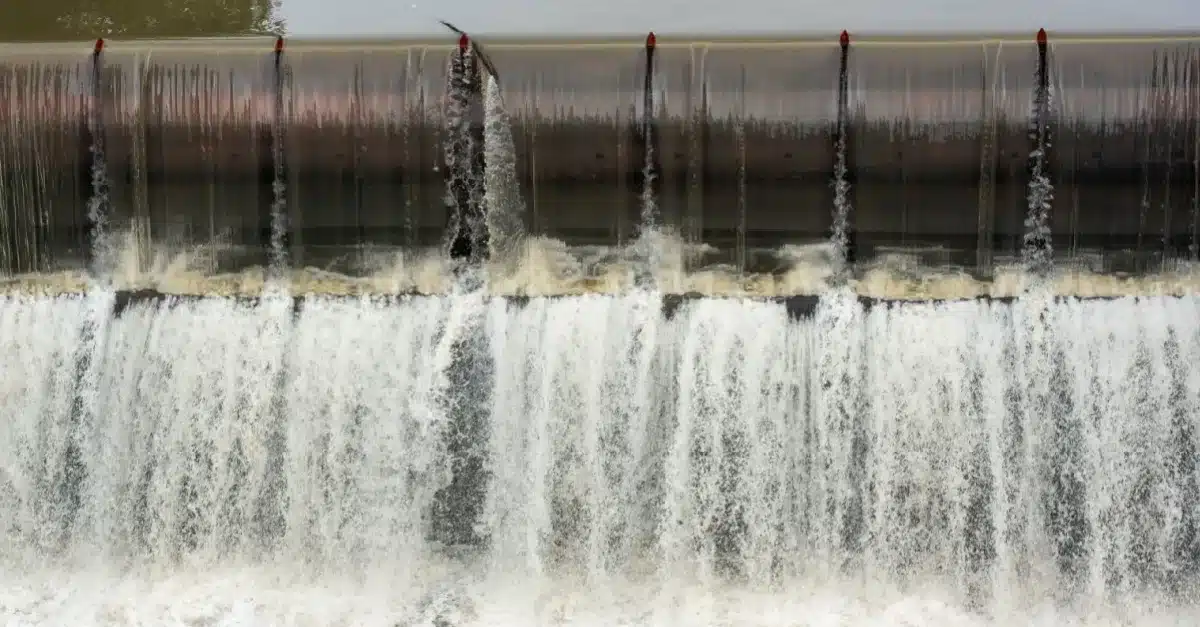
Prolonged extreme heat may also strain coal-fired power plants, while dwindling water supplies could curb hydroelectric generation, further tightening electricity supply.
“So it will affect our supply, and DOE is preparing to cover for that based on the other options that we have. But the appeal is for the public to be aware of this so that we can already start having the mindset of energy savings,” explained Garin.
Garin cautioned that tighter supply could drive up electricity prices in the Wholesale Electricity Spot Market (WESM), where rates fluctuate with market conditions. To prevent potential manipulation, the DOE and the Energy Regulatory Commission (ERC) are stepping up market monitoring to ensure fair pricing.
Garin added that fuel prices could stay high for months, with little prospect of returning to pre-war levels in the near term.
So far, the El Niño has affected 388,375 people across the Philippines, with agricultural damage reaching P5.4 billion, according to the National Disaster Risk Reduction and Management Council (NDRRMC). The prolonged dry spell has devastated crops and livelihoods, while dry conditions have also heightened the risk of wildfires in parts of the country.
Meanwhile, the DOE expects the bidding for Semirara coal to take place by the end of the year, as the country seeks to shore up its energy supply amid mounting pressures.
“The Semirara is scheduled to be bidded out this year, end of November or early December,” stated Garin. “On coal during El Niño, coal will still be there whether the contract expires or not. There’s still production, and the current contract is up to 2027.”
Coal Ban Remains, but Its Role Endures
The DOE introduced a moratorium on new coal-fired power projects in 2020 to steer the Philippines away from fossil fuels. However, the policy exempts existing operating plants and coal projects already considered committed investments.
In May, the Department of Economy, Planning, and Development (DepDev) explored the possibility of scrapping the moratorium on new coal-fired power plants as the Philippines sought more reliable, affordable electricity amid global fuel market uncertainties.
“Generating more coal, that’s a short-term option. That is an option for now, while waiting, for example, for highly affordable batteries for solar panel generation. I think we should,” DepDev Secretary Arsenio Balisacan stressed.
Coal projects that have made significant progress and secured clearances from local governments and regional development councils may be exempted from the moratorium. The DOE plans to issue a coal transition roadmap outlining how these projects will be developed, potentially adding 3 to 5 gigawatts (GW) of baseload capacity.
“Our existing coal plants are breaking down or are derated – they can’t operate at 100 percent capacity. Because of that, we need to build the plants that aren’t covered by the moratorium,” explained DOE Undersecretary Rowena Guevarra. “They aren’t covered by the ban, yet they still are not building. That is why a coal transition policy is being rolled out. Some are obedient and are already building, but others are not.”
She emphasized that while the country must continue working toward its renewable energy (RE) targets, securing a reliable energy supply must remain a top priority.
For Rappler columnist Den Somera, coal remains necessary in the near term to protect the country’s energy security and economic stability, even as the Philippines pursues its shift to renewables.
“Coal stands as the most reliable and cost-effective ‘baseload’ fuel capable of shielding Filipino households and industries from a total energy collapse,” he wrote, adding that during an energy emergency, coal plants provide steady power to help offset renewable fluctuations and reduce blackout risks. “Extending the life of existing coal facilities and allowing for planned expansions is not a rejection of green energy, but a ‘no-regrets’ strategy to ensure the lights stay on while the RE infrastructure matures.”
(Also read: Mindanao’s Power Supply Faces a 2028 Squeeze)
A Resilient Energy Future Requires Balance
The Philippines faces a difficult energy challenge: meeting rapidly growing electricity demand while shielding households and businesses from volatile global fuel prices. The Iran war has exposed the risks of relying heavily on imported energy, with higher oil prices feeding into food, transport, utilities, and production costs. For low-income families already struggling to make ends meet, energy insecurity quickly becomes a broader cost-of-living crisis.
The answer is not to abandon the transition to cleaner energy, but to manage it with greater flexibility and foresight. Solar and other renewables offer a path toward lower long-term generation costs and reduced exposure to imported fuels. Yet expanding renewable capacity alone will not guarantee reliable electricity. Storage systems, stronger transmission networks, and sufficient dispatchable generation must develop alongside it to keep supply stable when renewable output fluctuates.
Coal remains part of this equation for now. Existing coal-fired plants provide dependable baseload power, while diversified supply routes may offer some protection against disruptions affecting other fuels. Any consideration of extending coal’s role must therefore weigh immediate reliability needs against long-term climate commitments.
Ultimately, energy policy should avoid a false choice between affordability, security and sustainability. The country needs to keep existing capacity reliable while accelerating investment in renewables, storage and grid infrastructure. Clear regulations, faster project approvals and better demand forecasting will be equally essential.
The transition will take time, but its costs need not fall disproportionately on Filipino consumers. A diversified energy mix, backed by realistic planning and consistent investment, can help the Philippines weather external shocks without sacrificing its development goals. The priority is not to favor one fuel indefinitely, but to ensure that cleaner alternatives are ready before dependable power sources are phased out.
“The Filipino household deserves an energy portfolio that is handled as carefully and managed as rationally as any well-run investment fund,” wrote Somera. “The crisis of 2026 has made that unmistakably clear.”
Sources:
https://globalnation.inquirer.net/341334/marcos-filipinos-want-cheaper-power-regardless-of-source
https://www.philstar.com/business/2026/09/14/2556026/coal-demand-likely-keep-steady-pace
https://www.philstar.com/business/2026/09/16/2556515/our-coal-dilemma
https://www.rappler.com/business/opinion-recalibrate-philippines-energy-program
https://business.inquirer.net/610792/el-nino-seen-to-drive-asean-coal-use
https://businessmirror.com.ph/2026/08/31/doe-set-to-issue-coal-transition-policy