Table of Contents
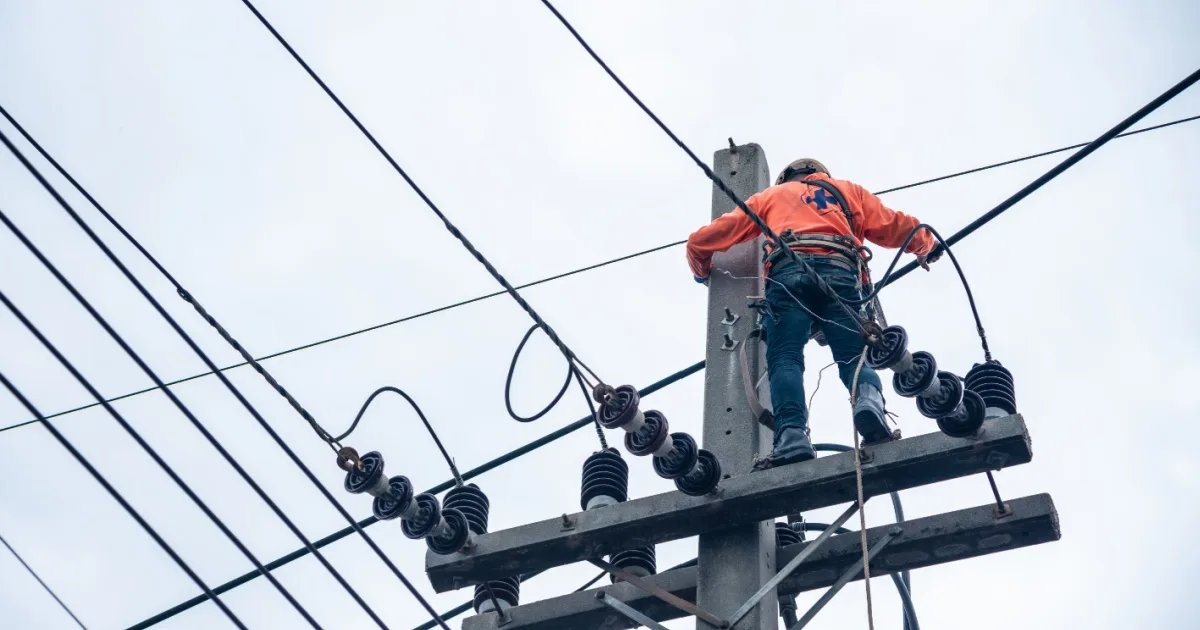
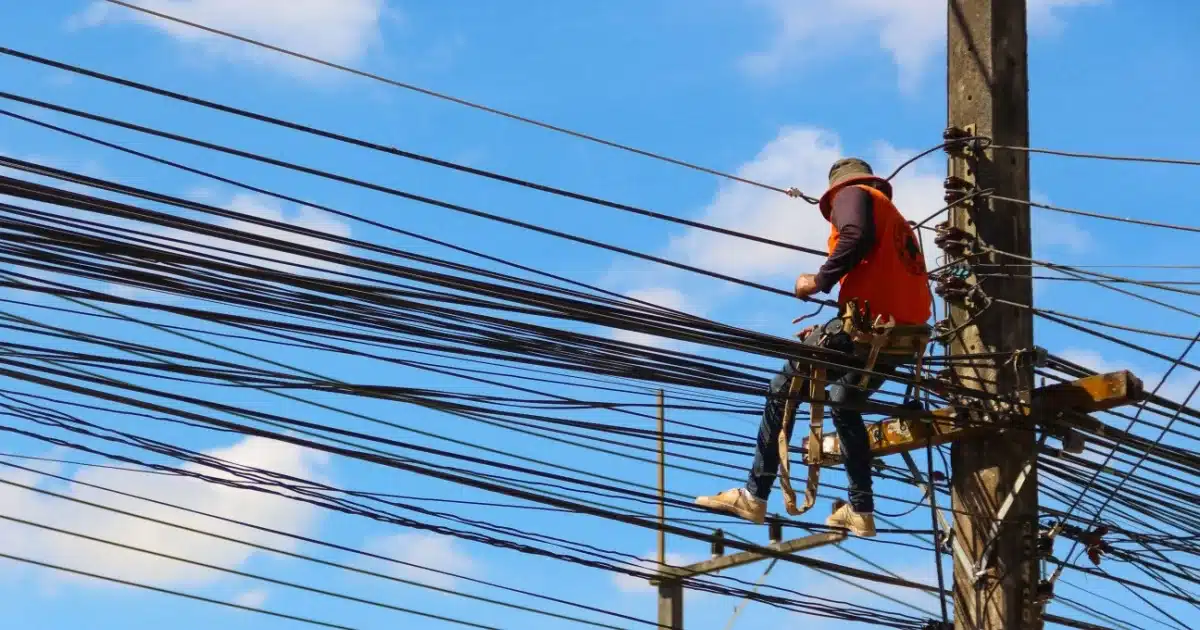
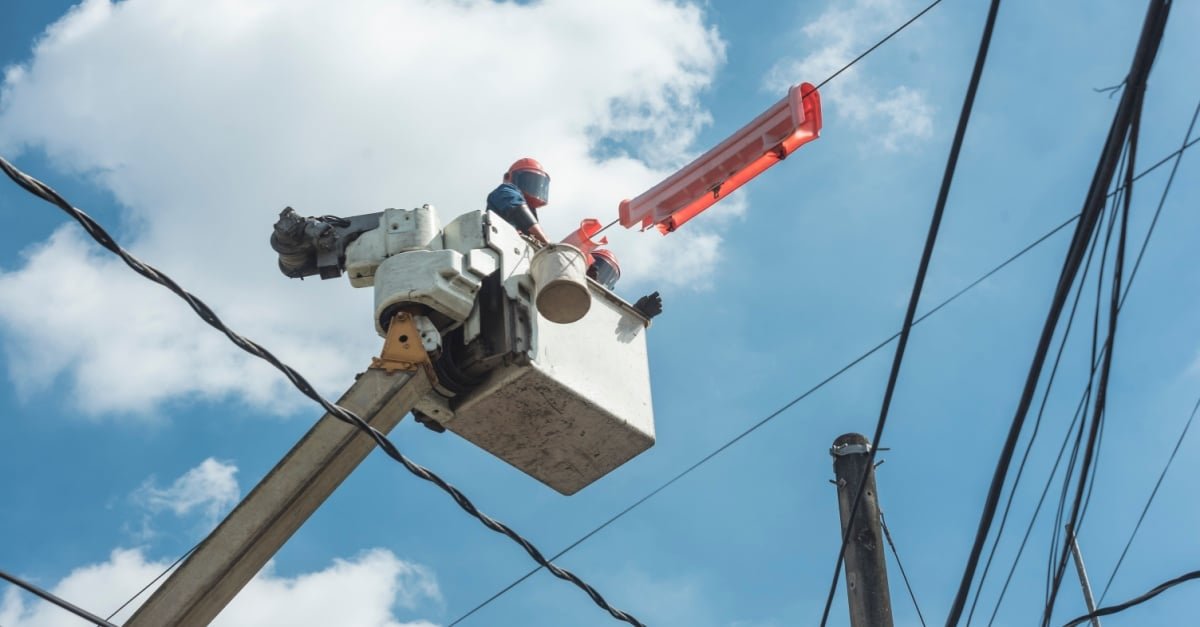
President Ferdinand Marcos Jr. has ordered the National Grid Corp. of the Philippines (NGCP) to immediately restore critical transmission lines and coordinate with power generators following recent grid disturbances that triggered rotational brownouts in Luzon and repeated alert warnings in the Visayas.
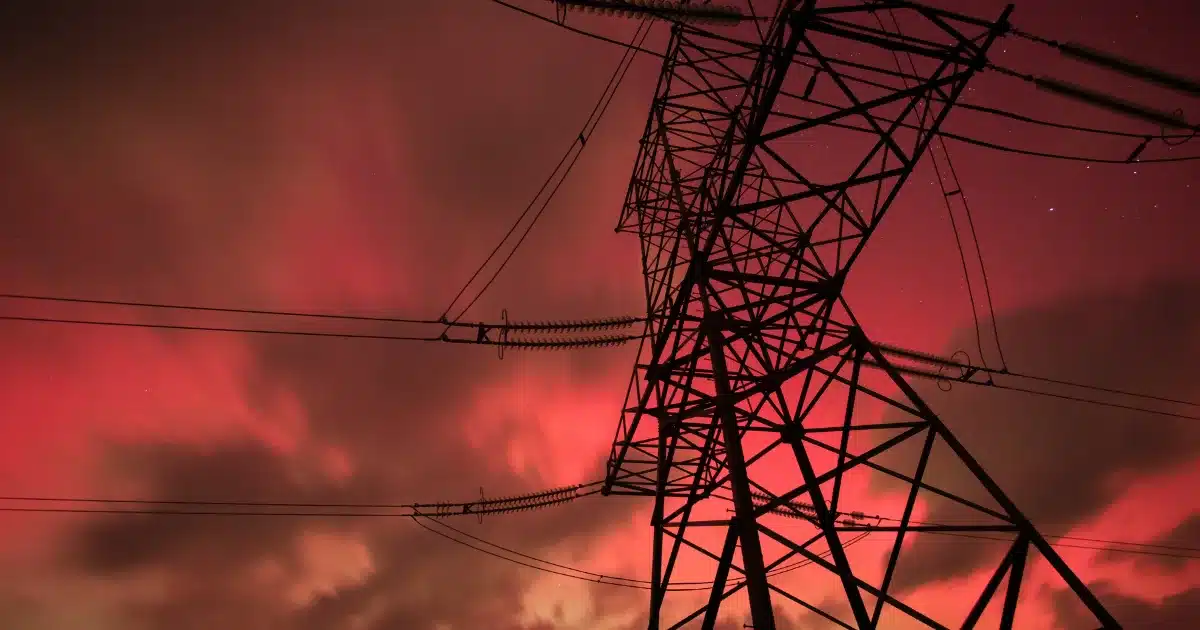
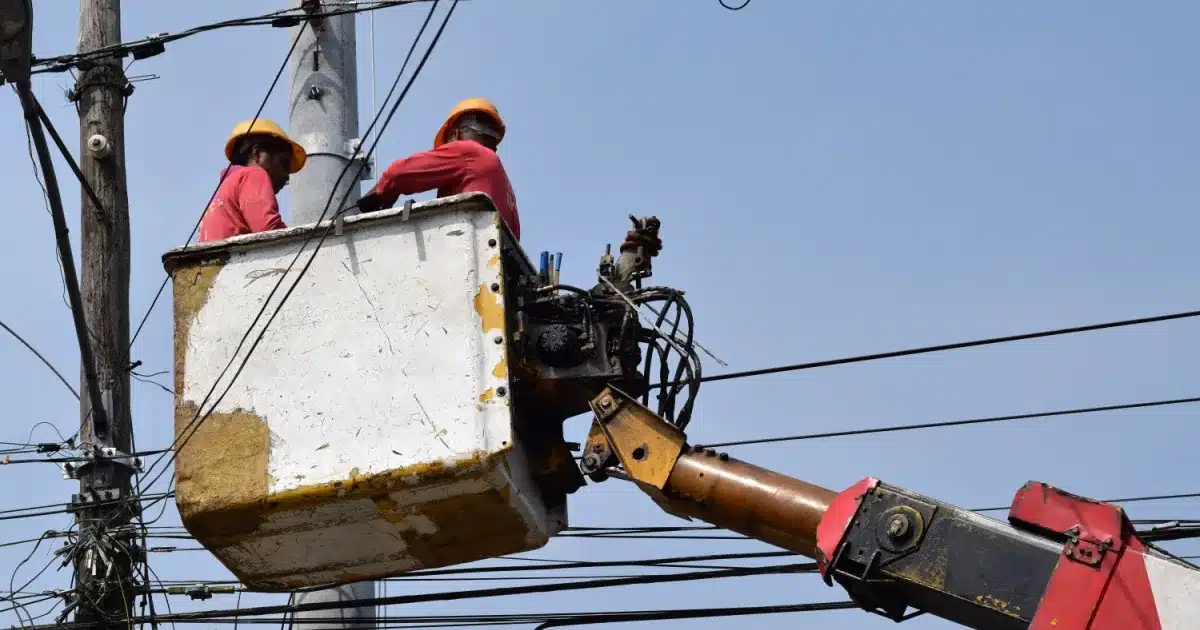
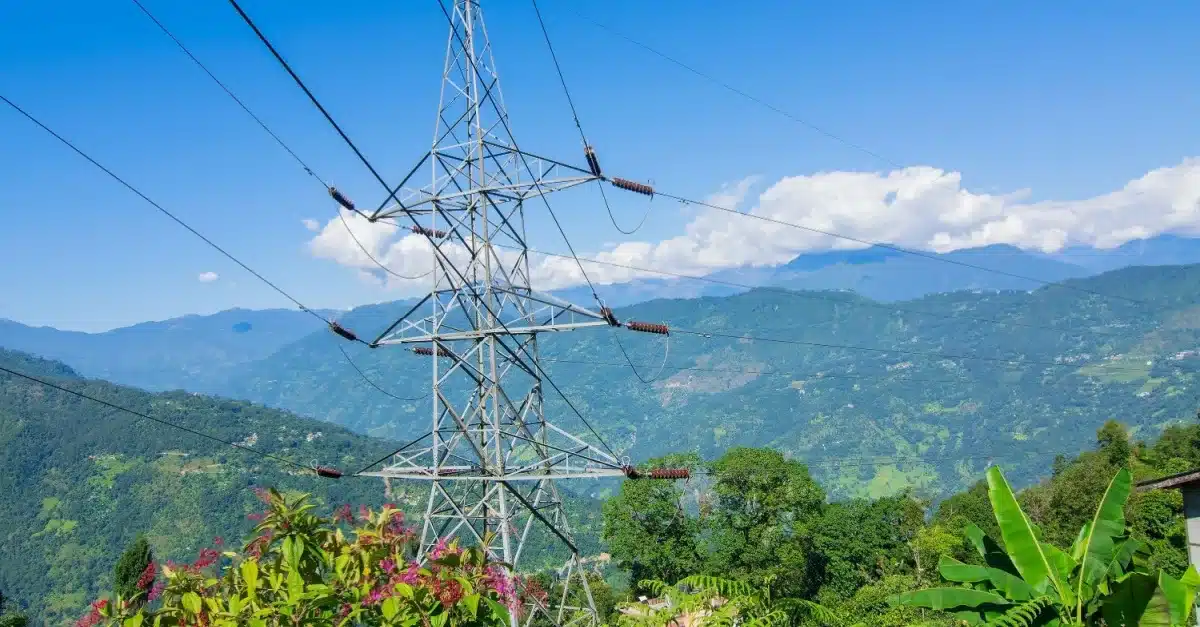
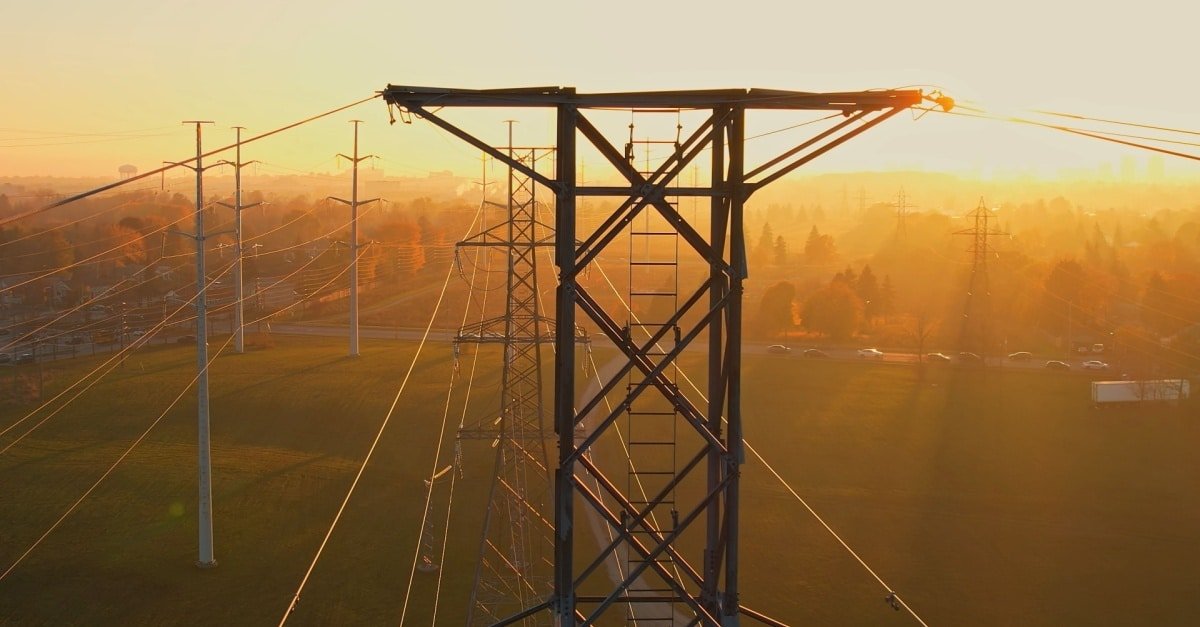
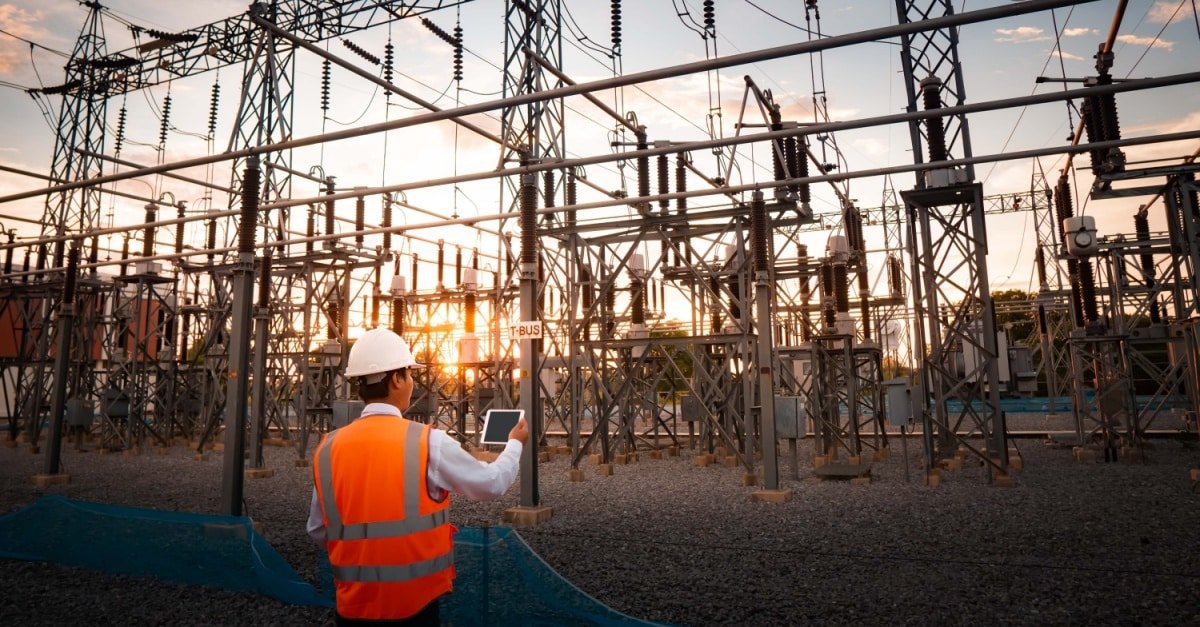
The directive came after the tripping of the 500-kilovolt transmission Tayabas-Ilijan and Dasmariñas-Ilijan lines disconnected around 2,462.1 megawatts of natural gas-fired power capacity from the Luzon Grid, resulting in widespread supply disruptions affecting millions of consumers.
Palace Press Officer Claire Castro said the Department of Energy (DOE) moved swiftly under the President’s instructions to stabilize grid conditions and prevent further interruptions.
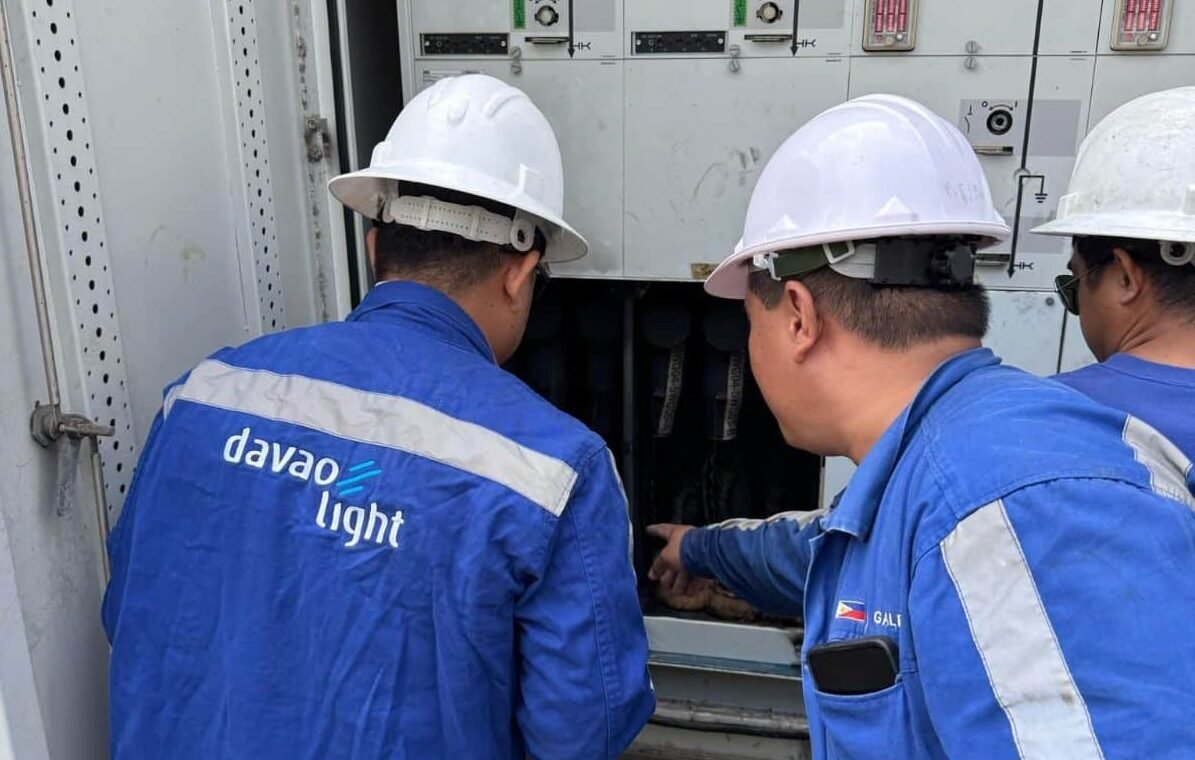
“Under the directive of President Ferdinand R. Marcos Jr. to immediately stabilize grid conditions and protect consumers from power disruptions, the DOE swiftly ordered NGCP’s restoration of affected transmission lines,” Castro said, citing the DOE.
Probe Sought Over Transmission Failures
The transmission disturbances have also triggered calls for a congressional investigation into the reliability of the country’s transmission system.
House Speaker Faustino Dy III and Senior Deputy Speaker Ferdinand Hernandez filed House Resolution No. 1024 seeking an inquiry into the back-to-back tripping incidents that forced NGCP to implement manual load dropping across parts of Luzon.
The outages affected an estimated 3.9 million customers in Metro Manila, Batangas, Bulacan, Cavite, Laguna, and Rizal.
“It is unacceptable that millions of Filipinos suffered power outages because of the failure of our transmission system. Electricity is not a luxury. It is a basic need that directly affects livelihoods, businesses, education, and daily life,” Dy said.
The resolution seeks to determine whether the incident resulted from force majeure or from alleged failures by NGCP to properly maintain and invest in the national transmission backbone. Lawmakers said the repeated tripping incidents exposed vulnerabilities in the reliability and resilience of the country’s power grid.
“The people have to know what really happened and whether there was negligence in maintenance, monitoring, and compliance with grid standards,” Dy added.
The DOE earlier described the incident as having a “cascading impact” across the power system after the Ilijan Gas-to-Power Complex in Batangas became isolated from the Luzon grid due to the transmission failures.
The agency said the incident prompted the declaration of a Red Alert over the Luzon Grid and a Yellow Alert over the Visayas Grid, highlighting the severity of the disruption. Investigations remain ongoing to determine the exact cause of the line trippings.
Gatchalian Presses DOE, ERC, And NGCP For Action
Sen. Sherwin Gatchalian also called on the DOE, NGCP, and the Energy Regulatory Commission (ERC) to immediately resolve recurring power interruptions affecting communities nationwide.
“Nagpapatupad na nga ng four-day work week ang maraming sangay ng gobyerno dahil sa tensyon sa Gitnang Silangan, pero nagba-brownout pa rin sa iba’t ibang panig ng bansa. Hindi ito katanggap-tanggap (Many government agencies have been implementing a four-day work week due to tensions in the Middle East, but brownouts are still occurring in various parts of the country. This is unacceptable),” Gatchalian said.
The senator stressed that generation companies should also be held accountable if repeated plant outages contributed to the power shortages.
“If recurring plant outages are driving the problem, generation companies must be made to answer. The ERC should enforce compliance with performance standards and take action against erring plants,” he said.
Gatchalian warned that prolonged outages continue to affect businesses, schools and hospitals, particularly patients dependent on electricity-powered medical equipment.
He also reiterated earlier calls for NGCP to adopt more proactive grid management measures, including securing sufficient ancillary services to help prevent disruptions during periods of peak demand.
“Hindi pwedeng paulit-ulit na lang ang ganitong sitwasyon. Kailangan ng malinaw na paliwanag, agarang aksyon at pananagutan mula sa mga awtoridad (This situation cannot be repeated. There needs to be a clear explanation, immediate action and accountability from the authorities),” he said.
Alerts Persist In Visayas, Luzon Grids
The latest disturbance came as the Visayas Grid was again placed under yellow alert on May 18 due to the continued unavailability of several power plants.
NGCP said available capacity in the Visayas stood at 2,676 MW against peak demand of 2,513 MW.
For May alone, the Visayas Grid was placed under yellow alert for six days from May 12 to 16 and again on May 18. It also experienced red alert conditions during certain periods from May 13 to 15.
The Luzon Grid similarly experienced red and yellow alerts from May 13 to 15 following the transmission line trippings and plant outages.
A yellow alert is issued when operating reserves fall below required levels, while a red alert means available power supply is insufficient to meet consumer demand and transmission requirements.
The recent disturbances also come months after Maharlika Investment Corp. signed an agreement to acquire a 20 percent stake in Synergy Grid and Development Philippines Inc., which holds a 40.2 percent effective ownership in NGCP. The transaction is expected to increase government participation in oversight of the country’s transmission system.
Source:
https://newsinfo.inquirer.net/2230787/house-resolution-to-probe-ngcp-after-grid-failure-sought