Table of Contents
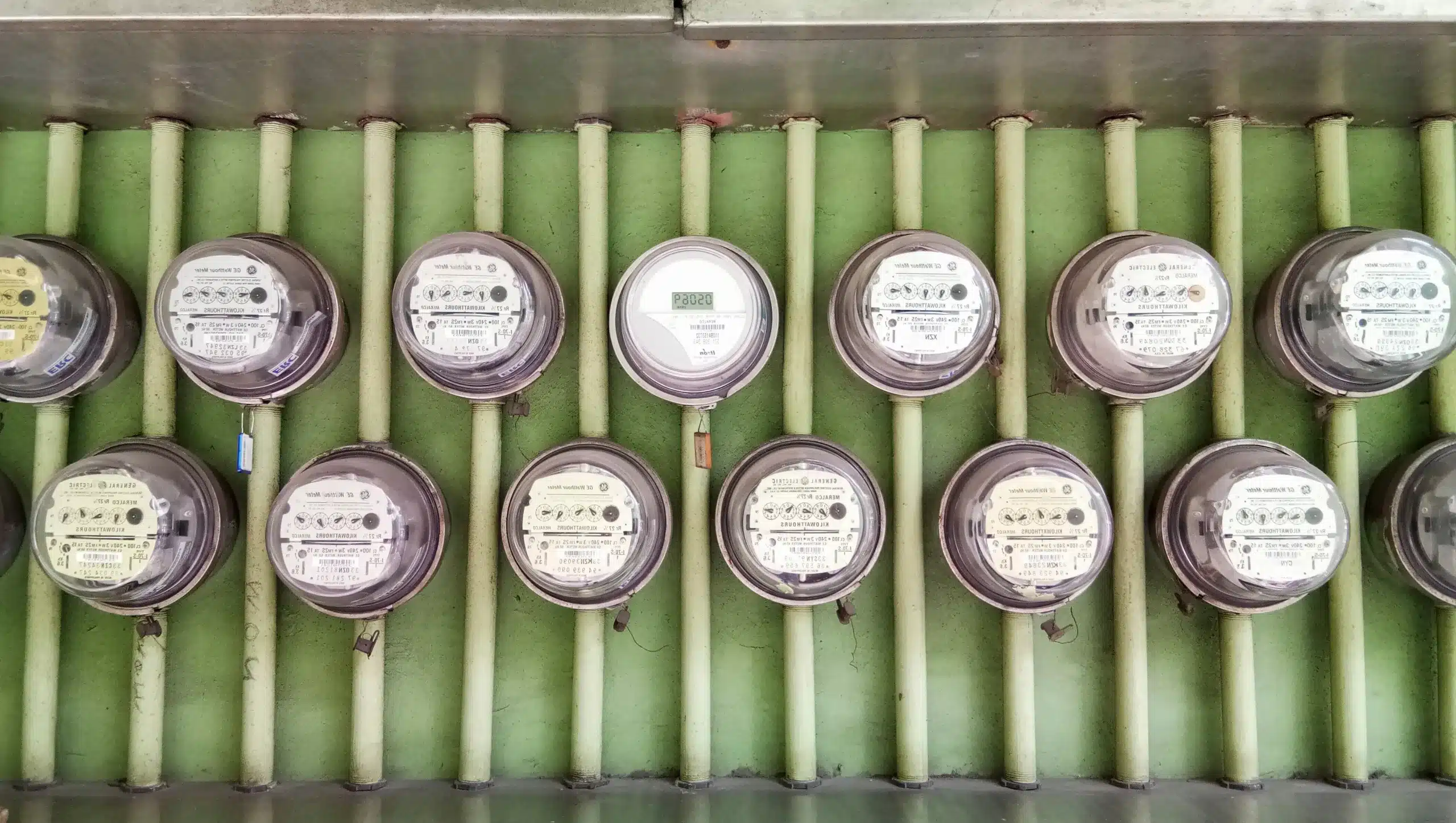
The Iloilo Electric Cooperatives (ILECO I, II, and III) recently maintained that they remain “financially stable” despite accumulating millions of pesos in loans from the National Electrification Administration (NEA).
“ILECOs are financially stable. Allegations of excessive debts must be viewed within the context of ILECOs’ commitment to providing reliable and sustainable electricity services to their (member-consumer-owners),” they said in a statement on May 1.
The statement came in response to reports highlighting their outstanding obligations despite all three electric cooperatives (ECs) holding the ‘Triple A’ (AAA) performance rating, NEA’s highest designation for ECs. The ILECOs stressed that their borrowings are strategic, aimed at funding infrastructure and service improvements, noting that loans are a normal part of financing capital-intensive projects.
NEA Administrator Antonio Mariano Almeda confirmed that the debts are tied to capital expenditures (CAPEX) meant to improve service reliability, particularly substation operations and system upgrades. “The ILECO cooperatives are supposedly implementing capital expenditures, as we call it, to be at par with the demands of electric consumption of their member-consumer-owners,” he explained. “They need substation operations [and] assistance to have a steady supply and eliminate fluctuations. That is where it usually goes.”
Almeda added that ILECO I, II, and III have outstanding loans of ₱12.4 million, ₱36.2 million, and ₱52 million, respectively.
(Also read: Energy Transition or Energy Illusion?)
A Pattern of Financial Mismanagement in ECs
The explanations from the ILECOs and the NEA were necessary to ensure transparency, particularly as ECs have repeatedly made headlines over the years due to financial accountability concerns.
In 2025, the National Electrification Administration (NEA) facilitated nearly ₱2.8 billion
in government-backed loans for 45 ECs. According to agency data, about ₱1.7 billion of the total was allocated to capital projects undertaken by 34 ECs.
Additionally, in January 2026, NEA released around ₱956 million in working capital loans to 11 ECs in various provinces, including Albay, Camarines Sur, Cotabato, and Pangasinan. It also facilitated ₱142.4 million in climate-related financing last year.
Taxpayer-funded subsidies are meant to strengthen rural electrification, but concerns have been raised over how effectively these resources are being managed.
In December 2024, the Commission on Audit (COA) flagged the National Electrification Administration (NEA) for lapses in enforcing rural electrification rules, noting ₱992 million in subsidies remained unliquidated as of end-2023. While NEA is tasked with overseeing the country’s rural power program, actual implementation is largely carried out by ECs.
Under existing guidelines, ECs are given six months to complete projects after receiving subsidy funds from NEA. If delays are unavoidable, they must formally request an extension. Once projects are completed, ECs are required to liquidate or settle the funds within three months.
As the report stated: “[The] NEA should conduct periodic inspection to monitor the project progress, as well as fund utilization and recommend remedial or corrective actions for any issues or problems that may arise.”
Additionally, a study by the Institute for Contemporary Economics (ICE) found significant gaps in capital spending among seven ECs in the Panay and Guimaras regions. Out of a ₱10.52 billion programmed capital expenditure budget for 2022 to 2024, only ₱2.38 billion was actually disbursed.
The report noted that the limited funds released were largely used for routine maintenance rather than long-term upgrades. While this helps sustain day-to-day operations, it leaves little room for the modernization of substations, distribution lines, and protection systems needed to improve grid reliability and meet rising demand.
Stakeholders and industry observers warned that continued underinvestment could worsen service reliability issues, slow economic growth, and increase the risk of outages, particularly in island provinces where power systems are already under strain.
These spending shortfalls come alongside separate but related concerns over financial management in some ECs.
In May 2025, the NEA filed complaints with the Department of Justice (DOJ) against several ECs over alleged financial irregularities.
Among the cases, officials of the Ilocos Norte Electric Cooperative (INEC) were accused of embezzling ₱118 million from the Employees’ Retirement Fund. The Nueva Ecija II Electric Cooperative (NEECO II) also faced allegations of misappropriating about ₱250 million from retirement and internal funds.
Moreover, the First Bukidnon Electric Cooperative (FIBECO) was investigated over an alleged ₱11.55 million irregular land purchase, along with a separate ₱6 million transfer reportedly diverted to the personal account of a former manager.
Senator Win Gatchalian warned that “issues of corruption hounding certain ECs cause consumers to lose their confidence in the ECs concerned. Such a situation negatively impacts operations to the detriment of consumer welfare.” He also pointed to recurring concerns that some EC officials may be prioritizing personal gain over financial stability and service performance, contributing to inefficiencies and weak service delivery.
He further stressed the need for tighter oversight, noting: “Kailangang bantayan natin ang pamamahala ng mga electric coop dahil hindi matutugunan nang maayos ang pangangailangan sa kuryente ng ating mga kababayan hangga’t hindi nareresolba ang mga isyu ng korapsyon na kinasasangkutan ng ibang ECs” (“We must monitor the management of ECs because the electricity needs of our citizens will not be properly met as long as corruption issues involving some ECs remain unresolved”).
Gatchalian also underscored that some ECs may be vulnerable to governance lapses due to perceived gaps in audit and monitoring mechanisms.
(Also read: New Power Shifts Reshape the Future for Mindanao Electric Cooperatives)
The Case for Private Sector Participation
The ILECOs mentioned earlier in this article were once at the center of debates on energy affordability and reliability, particularly when MORE Electric and Power Corporation (MORE Power) expanded into areas previously served by ILECO I, II, and III.
At the time, residents raised concerns over high electricity rates and billing inconsistencies. Some consumers reported extended billing cycles, along with sudden increases in market-based charges.
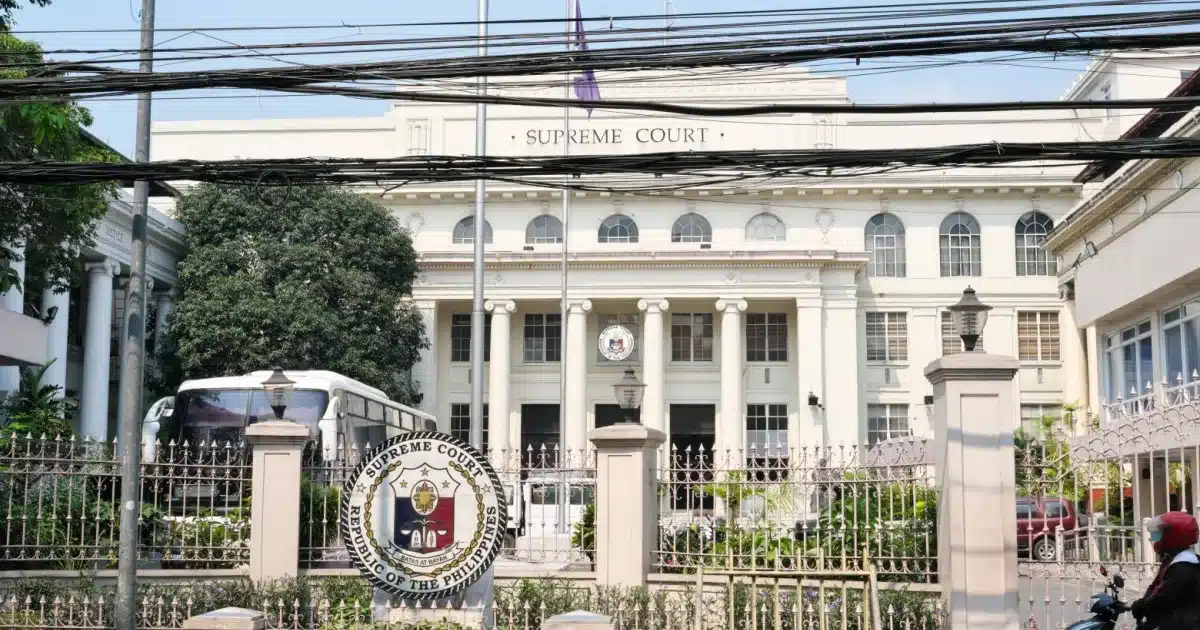
The issue eventually reached the Supreme Court, which ruled that ECs do not hold an exclusive constitutional right to operate franchises, stating that “a franchise … is not the exclusive private property of the franchisee.”
In its 2024 decision, the Court upheld the expansion of MORE Power’s franchise, citing public interest in promoting competition, improving service reliability, and helping reduce electricity costs. Associate Justice Rodil V. Zalameda wrote, “Without competition, ILECOs can easily dictate the price of electricity. Allowing the entry of another player thus benefits consumers, who no longer have to wait until ILECOs’ franchises expire.”
The ruling underscored that consumer welfare and energy affordability take precedence over exclusivity, reinforcing the view that greater competition may help address pricing and service gaps where utilities underperform.
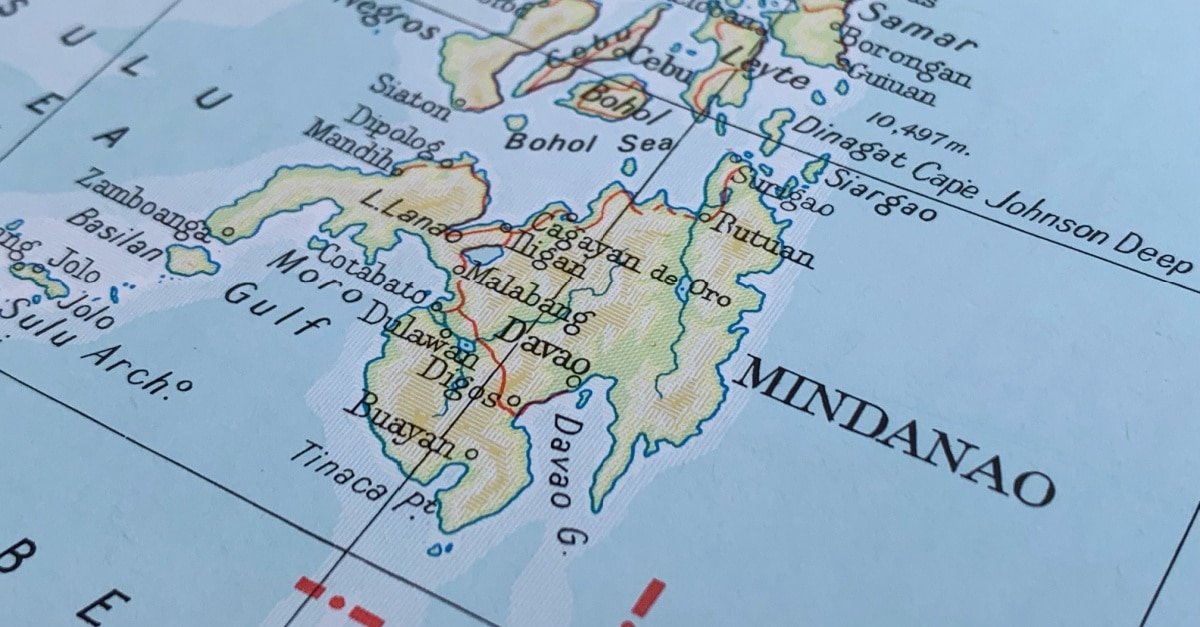
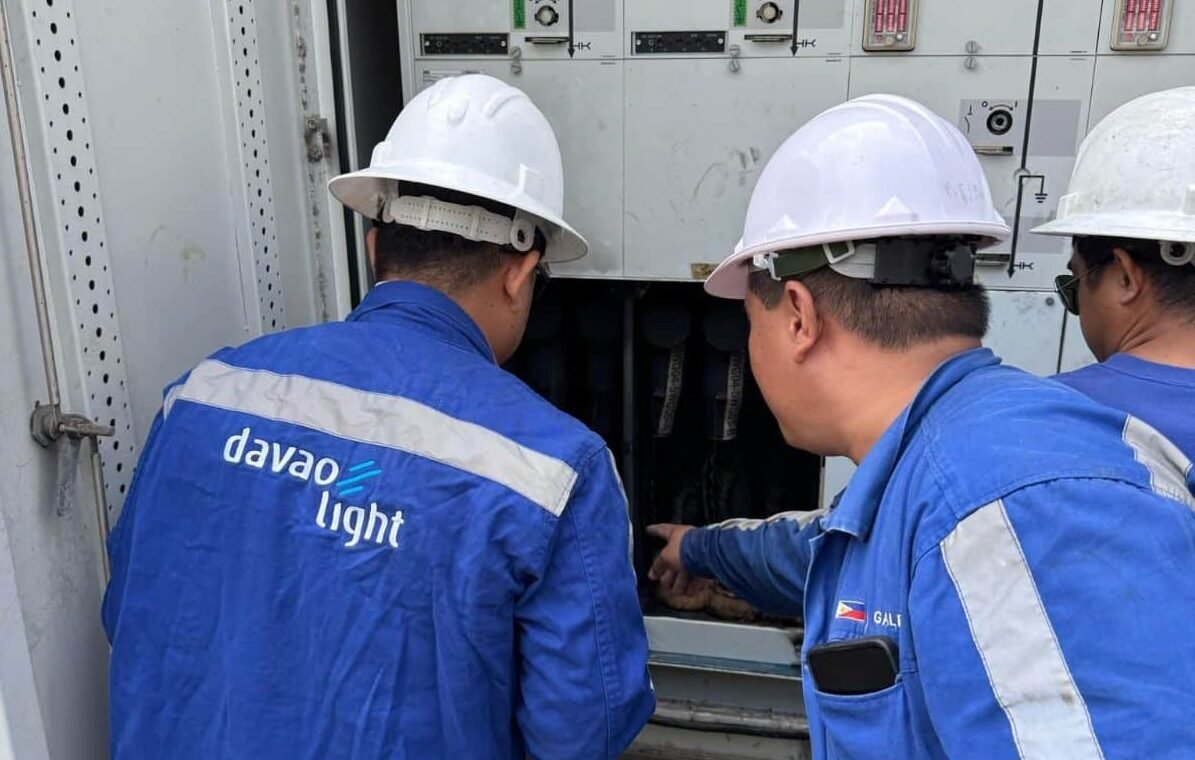
A similar dispute is unfolding in Davao, where the Supreme Court recently upheld the constitutionality of Republic Act 12144, allowing the entry of Davao Light and Power Company into areas previously served by the Northern Davao Electric Cooperative (NORDECO).
However, NORDECO said it would continue operating within its franchise area while pursuing legal remedies before the Supreme Court to contest the expansion. Davao Light, meanwhile, asserted that it has assumed distribution operations in parts of Davao del Norte and clarified that consumers in affected areas should now settle payments directly with the company.
The overlapping claims have caused confusion among consumers over billing and service applications. Davao Light said its operations in Samal Island began on February 26, 2026, with wider rollout in other parts of Davao del Norte starting May 26, 2026.
Amid the dispute, the Davao Consumer Movement urged NORDECO to comply with existing court orders while cases remain pending, and called on both utilities to provide clearer guidance to avoid further consumer confusion and inconvenience.
NORDECO’s position was weakened by longstanding concerns over service reliability, billing issues, and relatively higher electricity costs reported by consumers in parts of its franchise area. These were compounded by infrastructure and capacity constraints that affected its ability to consistently upgrade and improve distribution services.
Electricity as a Public Trust
ECs manage taxpayer-supported funds to deliver a basic necessity that underpins economic stability and daily life. This responsibility demands not only financial prudence but measurable performance in service reliability, affordability, and transparency.
Ultimately, electricity is a national priority, and consumers deserve systems that are both stable and affordable. ECs must therefore demonstrate that public resources translate into tangible improvements, or risk justifying broader reforms in how power services are delivered.
As DOE Secretary Sharon Garin stressed, “Energy security is inseparable from national security.”
Sources:
https://www.pna.gov.ph/articles/1267004
https://www.dailyguardian.com.ph/panay-power-grid-at-risk-due-to-underinvestment-by-electric-coopsys
https://legacy.senate.gov.ph/press_release/2024/0213_gatchalian1.asp
https://www.panaynews.net/explain-surge-in-power-bills-eleco-1-2-3-told
https://www.dailyguardian.com.ph/ileco-ii-spike-in-billings-due-to-market-power-rates
https://www.sunstar.com.ph/davao/supreme-court-upholds-davao-light-expansion
DOE Sec. Sharon Garin, keynote address at the Economic Journalists Association of the Philippines (EJAP) Energy Forum 2026, Manila, Philippines, May 26, 2026.