Table of Contents
President Ferdinand Marcos Jr., in his July 27, 2026 State of the Nation Address (SONA), called for changes to the Electric Power Industry Reform Act (EPIRA) to stop distribution utilities (DUs) from passing system-loss charges to consumers. His message was straightforward: consumers should not pay for electricity they did not use.
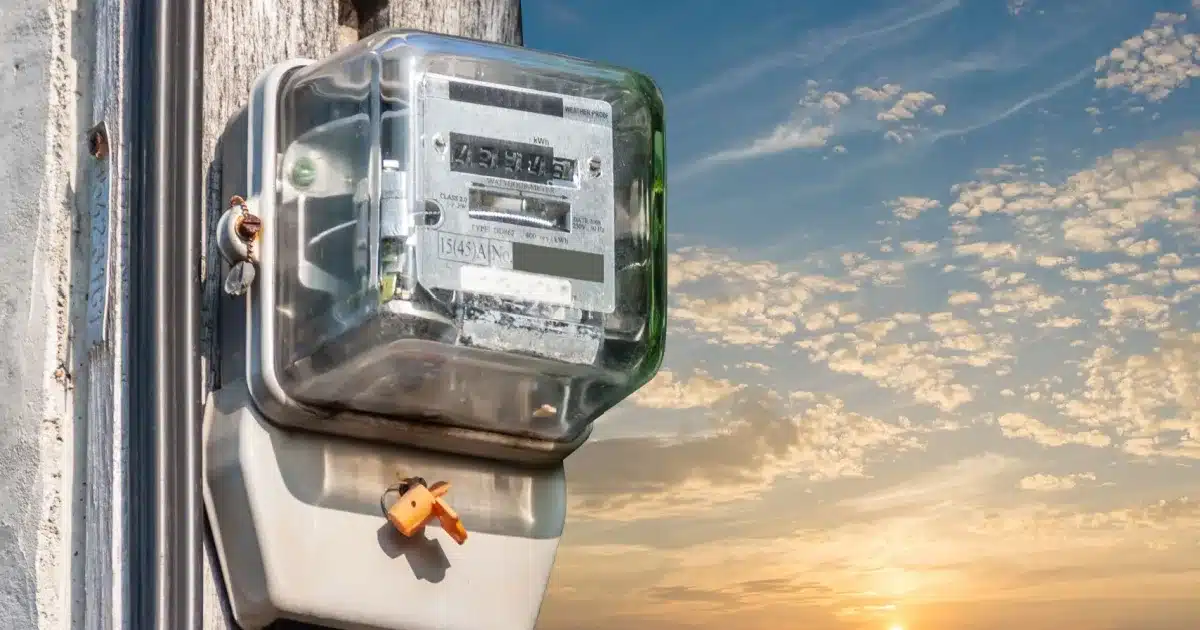
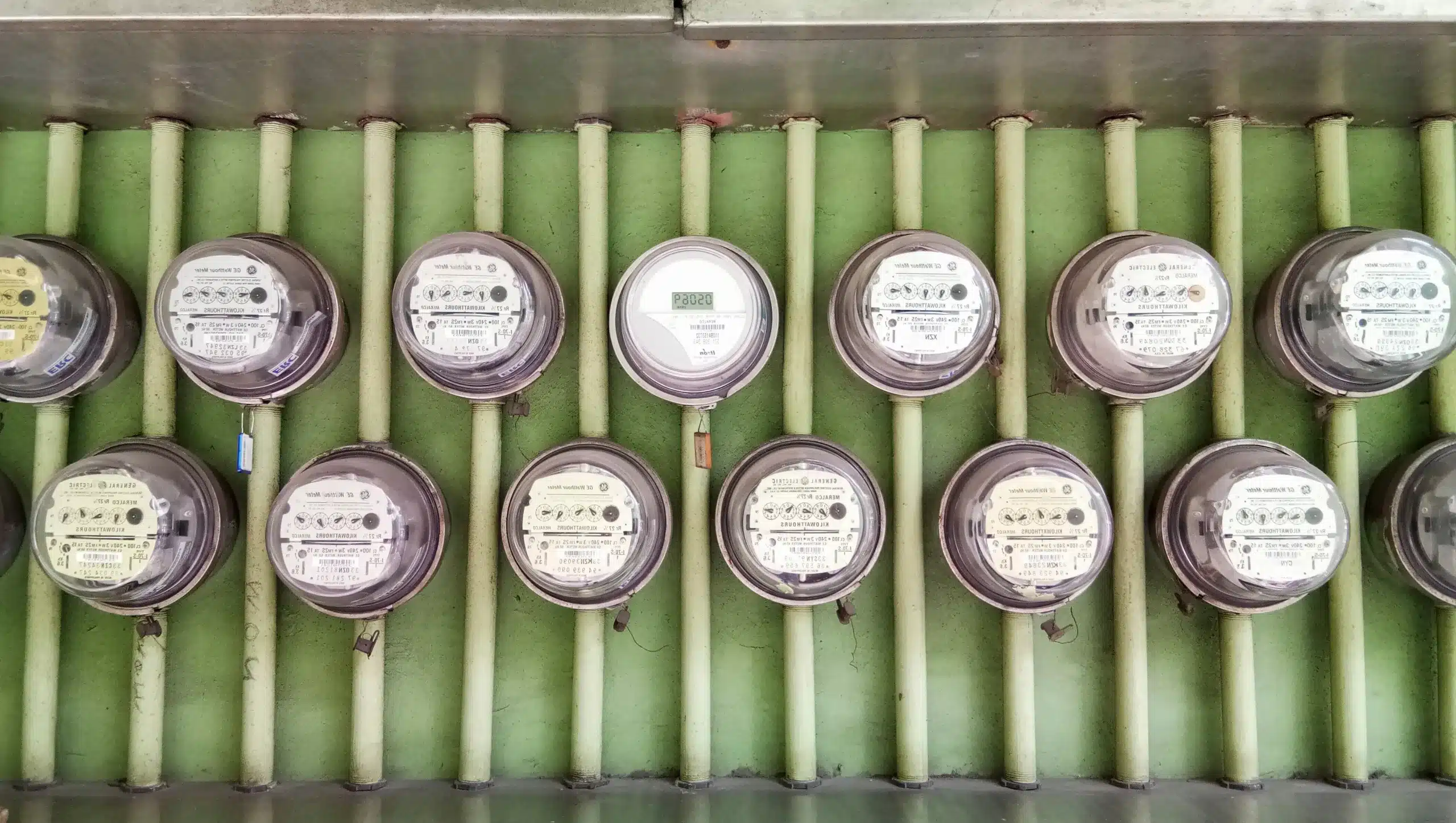
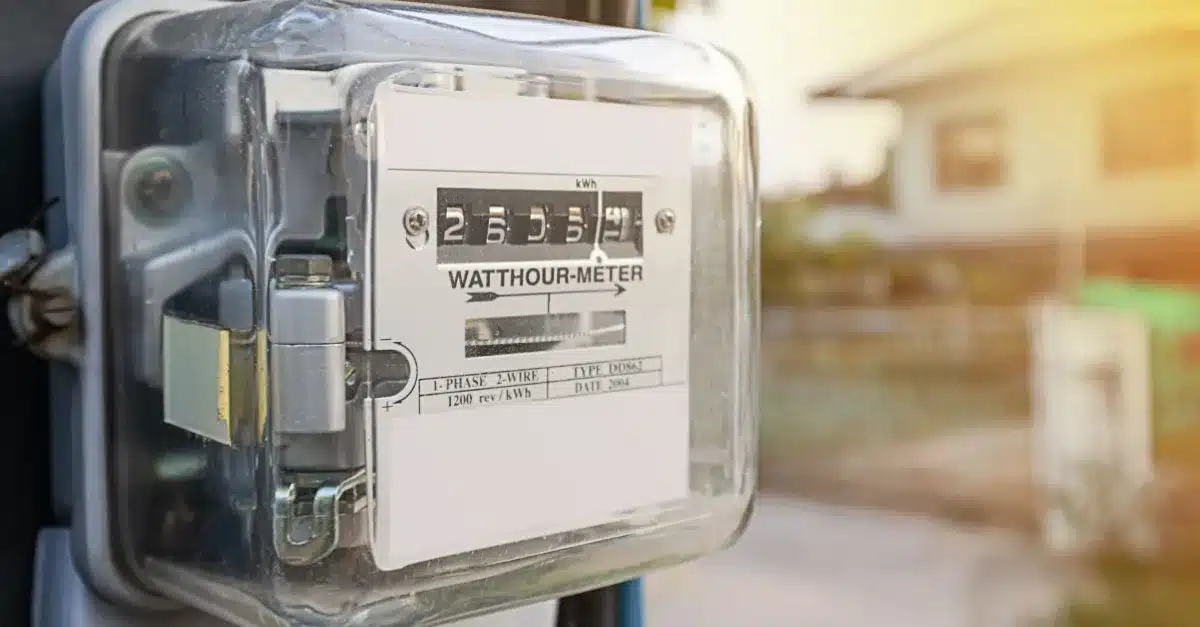
System losses are either technical, caused by electricity lost through wires, transformers, and other equipment, or non-technical, arising from meter inaccuracies, electricity theft, and other irregularities. The latter has drawn particular attention among electric cooperatives (ECs), several of which report losses well above the regulatory ceiling.
Utilities may recover system losses up to the limit approved by the Energy Regulatory Commission (ERC). But when losses remain high, consumers effectively shoulder the cost of inefficient distribution, while utilities have fewer incentives to fix the underlying problems.
The challenge is especially acute for ECs operating aging or obsolete networks. While removing the system-loss charge could further weaken their already fragile finances and leave less money for system upgrades, excessive losses also strain paying consumers and widen the gap between regions with modern, efficient grids and those served by aging systems.
If consumers are already being asked to shoulder the cost of system losses, how much further should taxpayers go in supporting cooperatives that cannot consistently keep their finances and operations in order?
(Also read: Mindanao’s Power Supply Faces a 2028 Squeeze)
When ECs Need Government Help to Stay Afloat
ECs struggling with high system losses already have access to substantial government support. In 2025, the National Electrification Administration (NEA) disbursed P2.8 billion to 45 cooperatives, including P1.7 billion for capital projects and P956 million for working capital. Its lending programs also cover calamity, concessional, and system-loss financing.
Government support is meant to help ECs upgrade their networks and remain financially viable. But with repeated calls for more funding, it also raises the question of whether public money is becoming a backstop for inefficient cooperatives.
Department of Energy (DOE) Undersecretary Rowena Cristina Guevara said ECs need capital to reduce system losses. “We also need to talk to the National Electrification Administration (NEA) because it needs to provide loans or long-term financing so electric cooperatives can carry out system improvements,” she said.
The NEA is now seeking P7 billion from Congress to help ECs reduce non-technical losses—more than its entire proposed P6.49-billion 2027 budget. The request is separate from the executive budget, which includes P850 million for EC loans and P5.64 billion for rural electrification.
NEA Administrator Antonio Mariano Almeda explained that the funds would support measures such as installing meters on unmetered connections and replacing defective units to curb electricity theft. The P7 billion would come as loans, not subsidies.
Financially-Strained ECs in the Spotlight
Many ECs are financially strained, leaving them with limited funds to maintain efficient and reliable service. These weaknesses can translate into higher electricity costs for consumers, who end up shouldering the burden of underperforming distribution systems.
“Modernizing electricity distribution nationwide is an urgent development matter,” pointed out Alex Magno of Philstar. “As our economy modernizes, power demand rises. Investments depend on the reliability and quality of power distribution in localities served by cooperatives.”
A closer look at some ECs shows the scale of the problem.
Albay Electric Cooperative (ALECO): Excessive System Losses
Energy Regulatory Commission data show that the combined operations of Albay Electric Cooperative Inc. (ALECO) and Albay Power and Energy Corp. (APEC) recorded a 21.5% system loss in 2025, ranking among the highest reported by ECs.
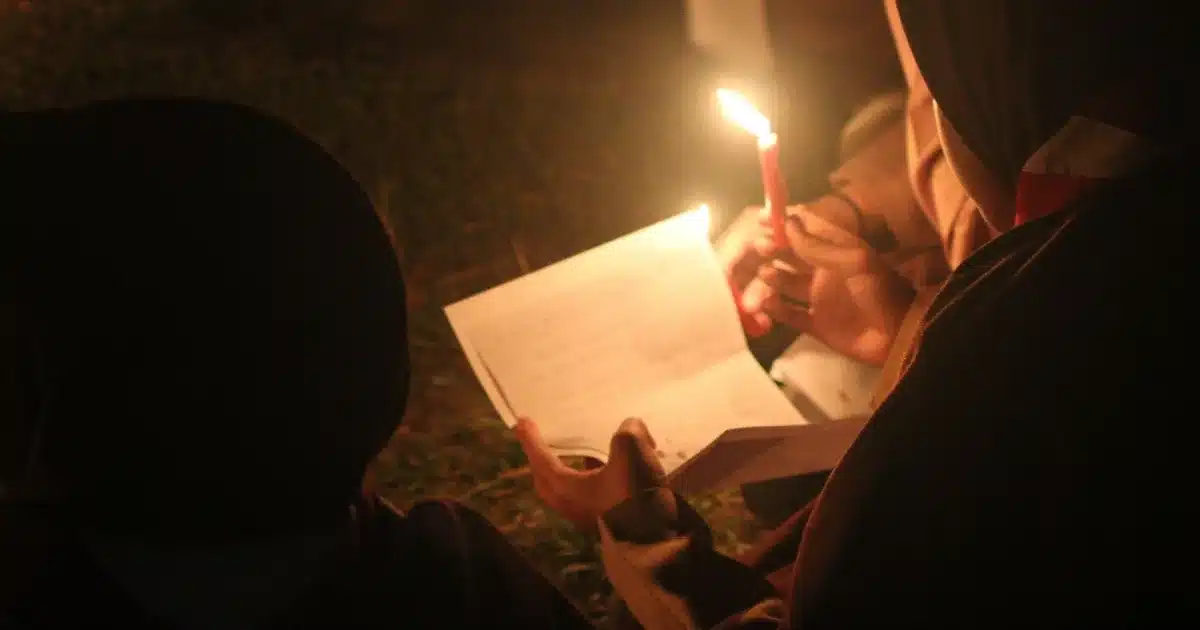
According to the Manila Bulletin, ALECO has been affected by grid alerts and manual load dropping (MLD) as power supply tightened in the region. During prolonged disruptions in the Visayas, parts of Albay were hit by rotating brownouts as power shortages spread across Bicol.
ALECO’s financial problems run deep. As of June 2025, it had more than P656 million in Wholesale Electricity Spot Market (WESM) arrears and nearly P9.9 billion in total liabilities. NEA records have classified the cooperative as “ailing” for eight consecutive years.
Meralco is considering a possible partnership with ALECO after local officials sought its help in addressing the province’s persistent power distribution problems. Meralco Senior Vice-President Arnel P. Casanova said Albay leaders had approached the company to assist ALECO in improving its electricity services.
“They say they are struggling because businesses planning to move into their municipalities are unable to invest due to unreliable power supply,” explained Casanova.
He added that Meralco is assessing ALECO’s situation before deciding whether to submit an unsolicited partnership proposal, similar to arrangements it is pursuing with other ECs.
South Cotabato II Electric Cooperative (SOCOTECO II): Mounting Financial Concerns
SOCOTECO II is facing mounting financial and operational pressures, with an accumulated loss of P2.1 billion and a P521.8-million net loss in 2025. The EC serves South Cotabato, Sarangani, and General Santos City, where an aging distribution network increasingly requires costly repairs and upgrades.
Its financial strain has also slowed capital projects. Some investments dating back to 2015 remain tied up in regulatory processes, while a new CAPEX program worth about P1 billion is still being prepared. The EC estimates that fully rehabilitating its system could require around P10 billion, far beyond what its current finances can comfortably support.
SOCOTECO II has reported negative cash flow of about P900 million and average monthly losses of P46 million. It has consequently relied on loans from the NEA and commercial banks, while also tapping funds intended for operations to cover urgent infrastructure work.
The financial strain has brought a proposal from Ignite Power and Energy Holdings Inc. for a Conditional Joint Venture Agreement with SOCOTECO II. Under the proposed deal, Ignite would inject fresh capital to rehabilitate and modernize the EC’s aging distribution system.
Lanao del Sur Electric Cooperative (LASURECO): Long-Running Debt Problem
LASURECO’s financial problems have been years in the making, with its debt to the government continuing to grow despite repeated efforts to keep the cooperative’s power supply afloat.
The Power Sector Assets and Liabilities Management Corp. (PSALM) had already raised concerns over LASURECO’s unpaid obligations years ago. By 2021, the Lanao del Sur cooperative owed about P11.98 billion in overdue power bills and unremitted universal charges. PSALM issued a final demand for payment and sought help from the NEA in pressing LASURECO to settle its arrears and keep current on its bills.
In 2022, the Department of Finance (DOF) ordered PSALM to cut off LASURECO over more than P16 billion in unpaid electricity bills. The move was part of the government’s stricter enforcement of its credit and collection policy.
The latest response came from Congress. In May 2024, the House approved on third reading a measure seeking to condone LASURECO’s accumulated interest, penalties, and universal charges owed to PSALM, while allowing the remaining obligations to be restructured and tied to performance improvements.
(Also read: Court Unblocks Socoteco 2 Vote On Ignite Power Partnership)
Accountability Must Reach The Distribution Grid
The country’s power problems cannot be explained by generation shortages, transmission constraints, regulatory delays or the cost of new infrastructure alone. The condition of the distribution sector also matters. Where ECs struggle with persistent losses, financial weakness and unreliable service, consumers ultimately bear the consequences.
The concerns go beyond operational inefficiency. Sources have pointed to allegations of mismanagement and corruption in some cooperatives, including questionable projects, irregular procurement and excessive compensation. Such practices, when established, can drain resources that should instead go toward maintaining networks, reducing system losses and improving service.
This is where regulators must enforce the standards already set by law. Under Section 23 of EPIRA, DUs are required to provide electricity within their franchise areas and serve captive customers in the least-cost manner. NEA, meanwhile, is tasked with strengthening the technical capability and financial viability of ECs and preparing them to operate in a competitive electricity market.
Those responsibilities should not stop at keeping financially troubled cooperatives afloat. Government assistance must be accompanied by stronger oversight, measurable performance improvements, and accountability for persistent failures.
The electricity system is also becoming far more demanding. The growth of solar and wind, energy storage, electric vehicles, data centers, industrial automation and other distributed energy resources requires distribution utilities to invest in smarter, more flexible and more resilient networks. Avoiding blackouts can no longer mean simply keeping existing lines running; it requires anticipating demand and modernizing the grid before congestion and shortages emerge.
Private participation may offer another path where cooperatives repeatedly fail to deliver. That does not automatically mean higher or lower costs, but it does raise the question of whether consumers should remain tied indefinitely to systems that cannot provide reliable service.
Public money should buy more than an EC’s survival. It should buy better service, stronger networks and measurable results. When a cooperative repeatedly fails despite years of assistance, the question is no longer how many more lifelines it should receive. The question is whether the system is doing enough to protect the consumers who ultimately pay for them.
Sources:
https://tribune.net.ph/2026/08/13/albay-co-ops-top-system-loss-list
https://www.rappler.com/business/national-electrification-administration-2027-budget-system-loss
https://www.philstar.com/opinion/2026/09/08/2554710/uncooperative
https://mb.com.ph/2026/07/22/meralco-explores-albay-power-partnership
https://docs.congress.hrep.online/legisdocs/basic_20/HB04017.pdf
https://mb.com.ph/2026/07/22/meralco-explores-albay-power-partnership
https://www.dailyguardian.com.ph/blog/socoteco-ii-faces-php-2-1-billion-loss-infrastructure-backlog
https://www.philstar.com/opinion/2026/08/04/2546762/electric-coops
https://www.philstar.com/business/2026/10/01/2560049/epira-25-distribution-utilities