Table of Contents
A sharp surge in global oil prices triggered by conflict in the Middle East is pushing the Philippines into a deepening energy crisis, exposing structural vulnerabilities in its import-dependent energy system and forcing policymakers to weigh difficult economic and geopolitical choices.
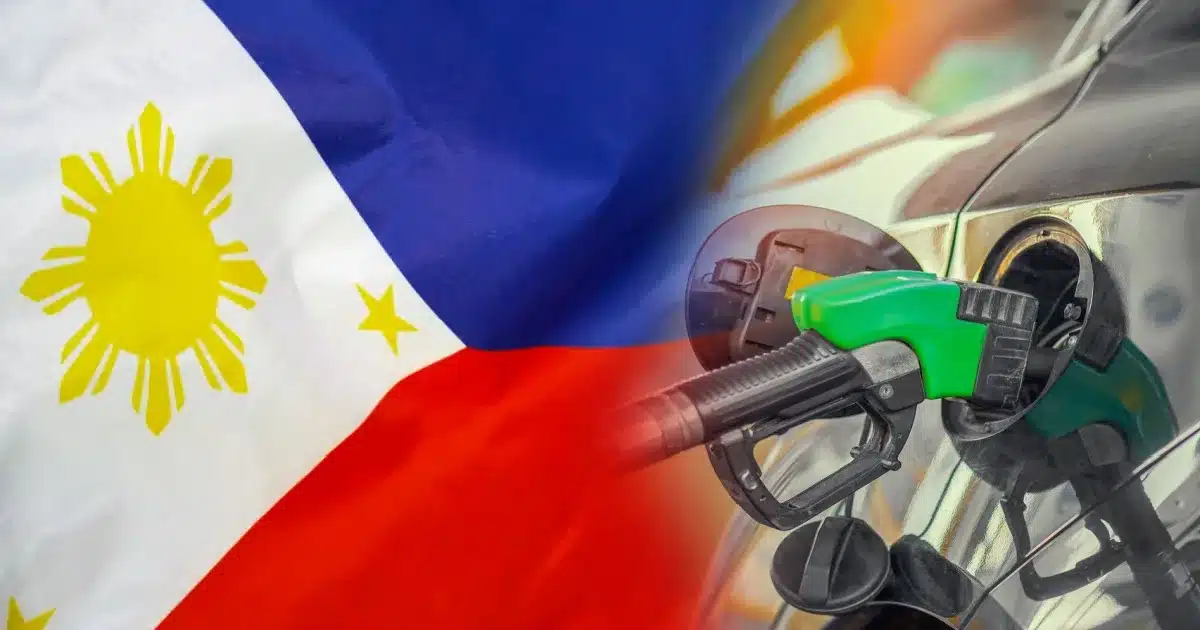
For workers like Piolito Salgan, a jeepney driver in Manila for nearly three decades, the impact has been immediate and severe. Diesel prices have more than doubled since the outbreak of war involving Iran, reaching about 150 pesos per liter, which is among the highest increases in Asia. The spike has slashed daily earnings for public transport operators, with Salgan’s income dropping by nearly half to around 900 pesos.
“I will stop when (the diesel price) reaches 200 pesos…I will just help my wife sell bread and other food items outside our home,” he said.
The crisis is being felt across sectors. Businesses are shortening operating hours, transport costs are rising, and households are cutting back on basic spending. Nearly 10 percent of jeepney drivers have reportedly stopped operating due to mounting fuel costs, while others warn they may soon follow if prices continue to climb.
Economists caution that the shock could further weaken an already slowing economy, which grew just 4.4 percent last year, marking the weakest pace since the pandemic. With no fuel subsidies or price caps in place, consumers are directly exposed to global price volatility.
Emergency Measures
In response, the government has declared a national energy emergency and implemented fuel rationing measures. It has also turned to alternative suppliers, including purchasing Russian oil for the first time in five years, as disruptions linked to Iran’s temporary blockage of the Strait of Hormuz tightened global supply.
Although Tehran later signaled it would allow safe passage during a ceasefire, uncertainty remains over the durability of any truce, keeping markets volatile.
Analysts say the crisis underscores the Philippines’ longstanding failure to diversify energy sources or develop domestic reserves. The country remains heavily reliant on Middle Eastern imports, leaving it highly vulnerable to geopolitical shocks.
“Energy security is very vulnerable to international disruptions because of our dependence on imports,” said Gerry Arances of the Center for Energy, Ecology and Development.
The China Option
Amid geopolitical tensions, Manila has reopened discussions with Beijing on potential joint oil and gas exploration in the South China Sea, an area long contested by the two nations.
The Department of Foreign Affairs emphasized that any agreement would strictly adhere to the Philippine Constitution and uphold national sovereignty. “Any decision… will be made solely in accordance with the Constitution and in full assertion of sovereign prerogatives,” it said.
Preliminary talks resumed late last month, covering not only energy cooperation but also broader concerns such as fertilizer supply disruptions tied to the Middle East conflict.
President Ferdinand Marcos Jr. has framed the discussions as part of a broader push to ensure stable and affordable energy supplies, even suggesting the crisis could serve as an impetus for a diplomatic “reset” with China.
However, the prospect of cooperation remains politically sensitive. Critics warn that joint exploration could undermine the Philippines’ territorial claims in the South China Sea, where tensions have escalated in recent years due to maritime confrontations.
Opposition figures have described such moves as unacceptable if they compromise sovereignty, highlighting the delicate balance Manila must strike between energy security and national interest.
Calls Grow For Structural Reform
Beyond foreign policy, the crisis has reignited debate over the structure of the Philippines’ energy sector, with growing calls for stronger government intervention and long-term reforms. The country’s deregulated oil industry has left domestic fuel prices largely exposed to global market swings, intensifying the burden on consumers during periods of volatility.
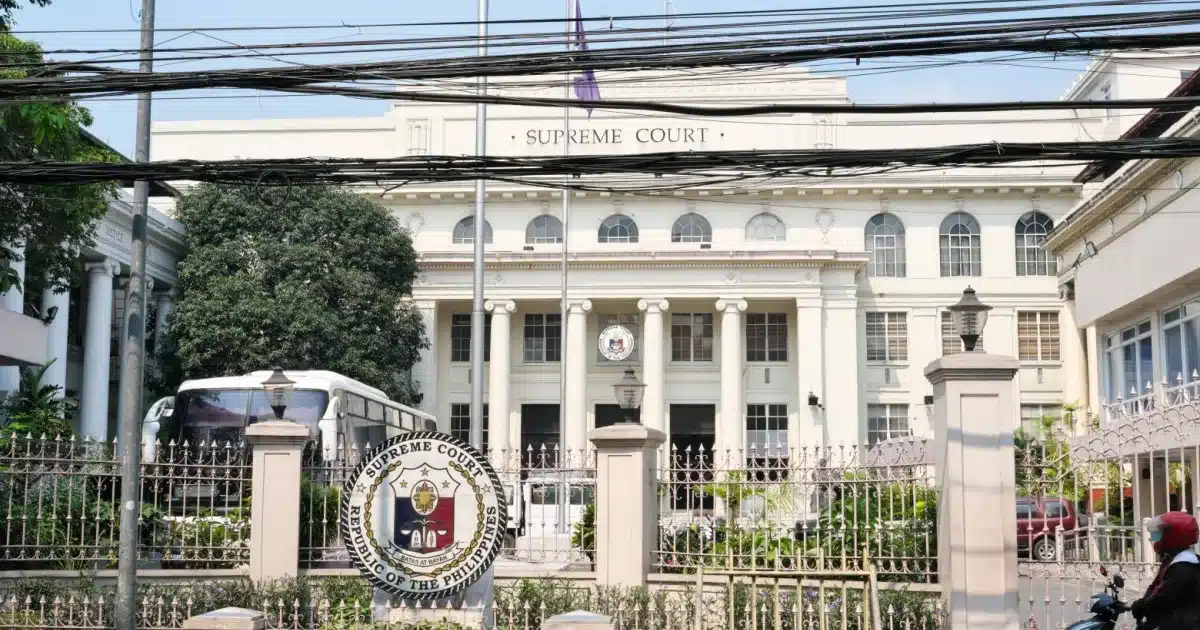
In the Senate, lawmakers have begun pushing for institutional measures to address the crisis. Senate Bill No. 2020, filed by Sen. Loren Legarda, seeks to formally recognize a national emergency arising from the 2026 global oil crisis, which she linked to geopolitical hostilities in West Asia and the broader Middle East.
The proposed measure outlines a “whole-of-government” response aimed at ensuring energy security, food stability, and economic resilience. It would authorize the President, for a limited period and subject to safeguards, to exercise targeted emergency powers to respond more swiftly to the crisis. Legarda said the bill is designed to provide “a responsive and robust safeguard” by enabling coordinated and strategic interventions, not only to address immediate disruptions but also to stabilize critical sectors affected by rising fuel costs.
Alongside legislative proposals, some experts and industry groups are advocating for deeper structural changes, including increased state participation in the oil industry. Suggestions range from government ownership of refining and retail assets to the potential nationalization of key players such as Petron, the country’s only oil refinery and a major fuel supplier.
Proponents argue that stronger state control could help stabilize prices and protect consumers from extreme fluctuations. Petron’s parent company has indicated openness to such a move if it serves the public interest.
Mounting Pressure On Households And Policymakers
As the crisis drags on, pressure is building on the government to deliver immediate relief while crafting long-term solutions. Public transport groups are planning nationwide protests, demanding price controls and policy reforms.
For many Filipinos, the stakes are increasingly personal. Families are cutting discretionary spending, altering diets, and scaling back travel plans. Workers like Salgan are contemplating leaving their livelihoods altogether if fuel prices continue to rise.
Economists warn that without decisive intervention, the country could face a broader cost-of-living crisis, compounding existing challenges such as unemployment and poverty.
The unfolding situation highlights a stark reality: the Philippines’ energy security is not only an economic issue but also a strategic one—shaped by global conflicts, domestic policy choices, and the complex geopolitics of its region.
Source:
https://www.ft.com/content/09ef1a28-36a0-49d9-8428-4c79218eb277?syn-25a6b1a6=1
https://mb.com.ph/2026/04/06/bayanihan-3-bill-proposing-temporary-oil-regulation-filed-in-senate