Table of Contents
The Bangsamoro Autonomous Region in Muslim Mindanao (BARMM) is maintaining stable fuel supplies for now, but authorities are moving to contain the wider impact of volatile global oil prices through targeted interventions and contingency planning.
Recent reports suggest that the region is not facing an immediate fuel shortage. According to regional energy officials, fuel supply remains stable, with distribution facilities receiving regular replenishment sufficient to meet April demand without disruption. This assurance comes at a critical time, as the Philippines grapples with a broader energy emergency triggered by geopolitical tensions affecting global oil supply chains.
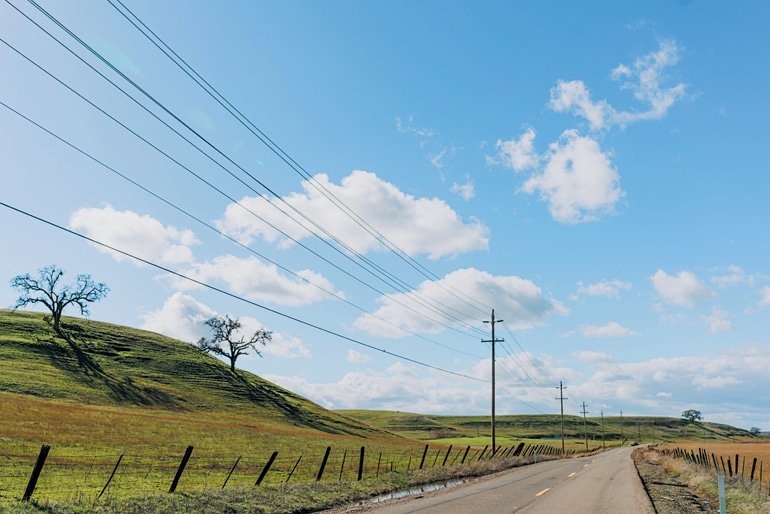
However, this stability in fuel availability does not fully reflect the structural vulnerability of BARMM’s electricity system to petroleum price fluctuations. A significant share of electricity in off-grid and island communities in Mindanao, including parts of BARMM, is generated through diesel-fired power plants and small-scale diesel generators, which are costly to operate and highly sensitive to global oil price movements. When global crude prices rise, generation costs in diesel-dependent systems typically increase almost immediately, which then translates into higher electricity rates for end-users.
This means that even in the absence of a fuel shortage, electricity affordability and price stability remain exposed to global petroleum volatility, particularly in geographically isolated areas.
Recognizing these risks, the Bangsamoro government has moved swiftly. In April 2026, it created an inter-agency task force to address the impact of the global oil crisis, focusing on easing price pressures, maintaining essential services, and safeguarding vulnerable groups.
The task force has been set up to closely monitor fuel price swings and gauge their wider impact on mobility, supply chains, and basic services. It is developing response measures, from conservation strategies to targeted financial support, to cushion affected sectors.
At the same time, it is weighing fuel import options and determining whether current conditions justify declaring a regional state of emergency. Regional leaders are now considering direct oil importation from ASEAN and Muslim-majority countries, alongside efforts to fast-track the exploration of local energy reserves.
“Among the primary frameworks being studied is the ASEAN Petroleum Security Agreement (APSA), a treaty to which the Philippines, Malaysia, and Brunei are all signatories,” elaborated Atty. John Anthony “Jet” Lim, Bangsamoro Transition Authority Floor Leader.
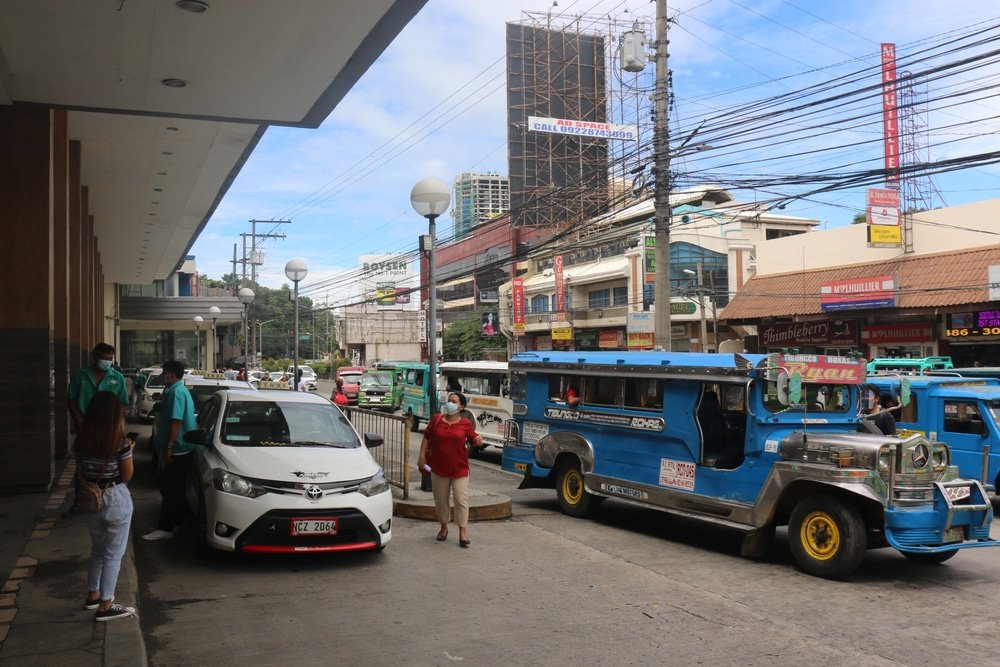
To mitigate the effects, the BARMM transport ministry has launched fuel subsidies for public utility operators as fare hike proposals remain pending. Under itsPantawid Pasada Program, eligible franchise holders, including jeepneys, UV Express units, buses, minibuses, and taxis, will receive ₱7,500 each, provided they hold valid permits issued by the regional franchising board.
Beyond transport and fuel logistics, the more persistent risk lies in electricity price transmission effects. In diesel-based generation systems, fuel cost changes are typically passed through directly into electricity tariffs through generation charge adjustments. This creates a situation where households and businesses in diesel-reliant grids experience immediate upward pressure on electricity bills when global oil prices rise, with limited buffering mechanisms.
These short-term measures underscore a broader reality: BARMM’s energy challenges are deeply shaped by its unique geographic and institutional landscape—factors that continue to influence how power is generated, distributed, and accessed across the region.
(Also read: Davao Light Takeover Signals Turning Point For Power-Strained Davao del Norte Communities)
Understanding BARMM: Geography, Governance, and Fragmentation
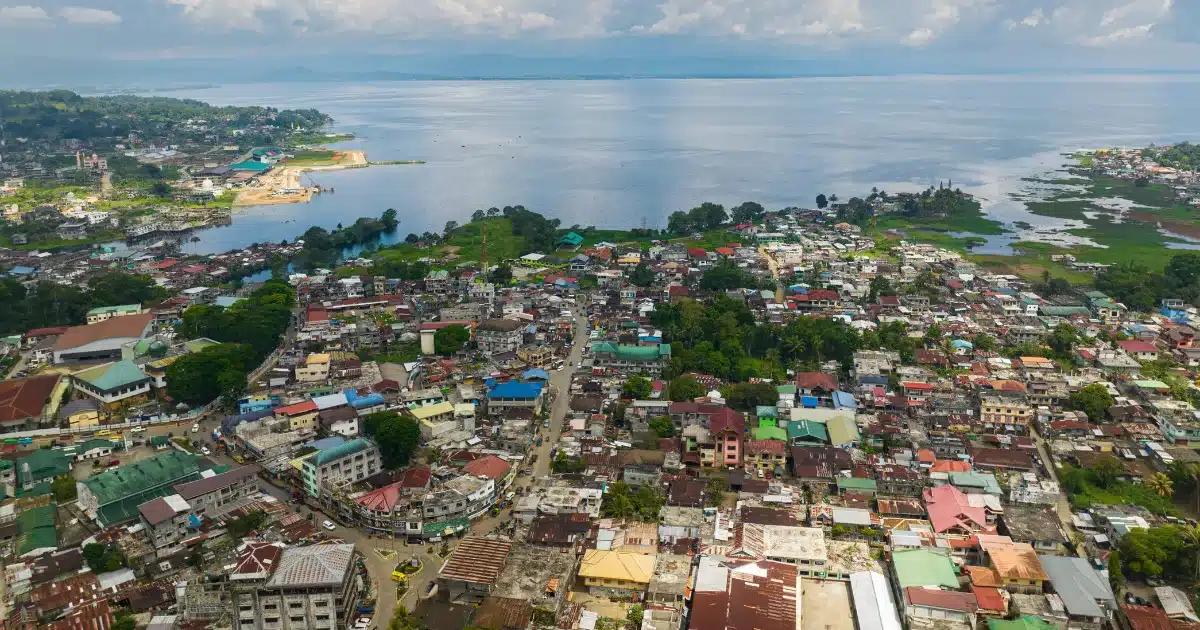
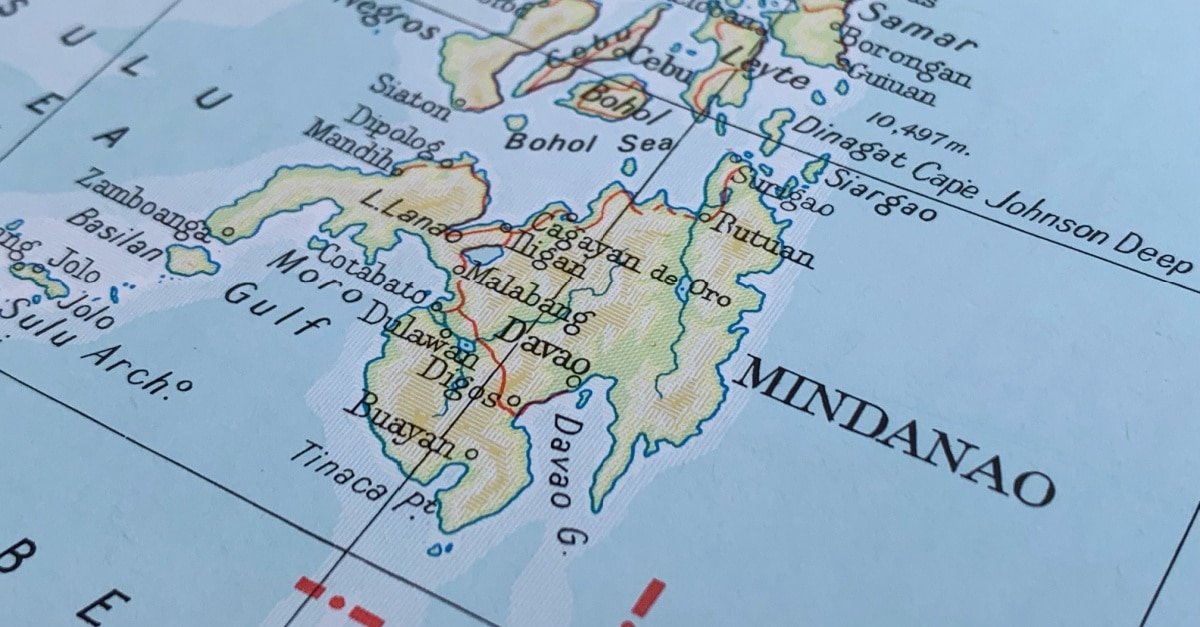
BARMM was established in 2019 following the ratification of the Bangsamoro Organic Law, replacing the Autonomous Region in Muslim Mindanao. It comprises six provinces: Lanao del Sur, Maguindanao del Norte, Maguindanao del Sur, Basilan, Sulu, and Tawi-Tawi, along with Cotabato City and the Special Geographic Area in North Cotabato.
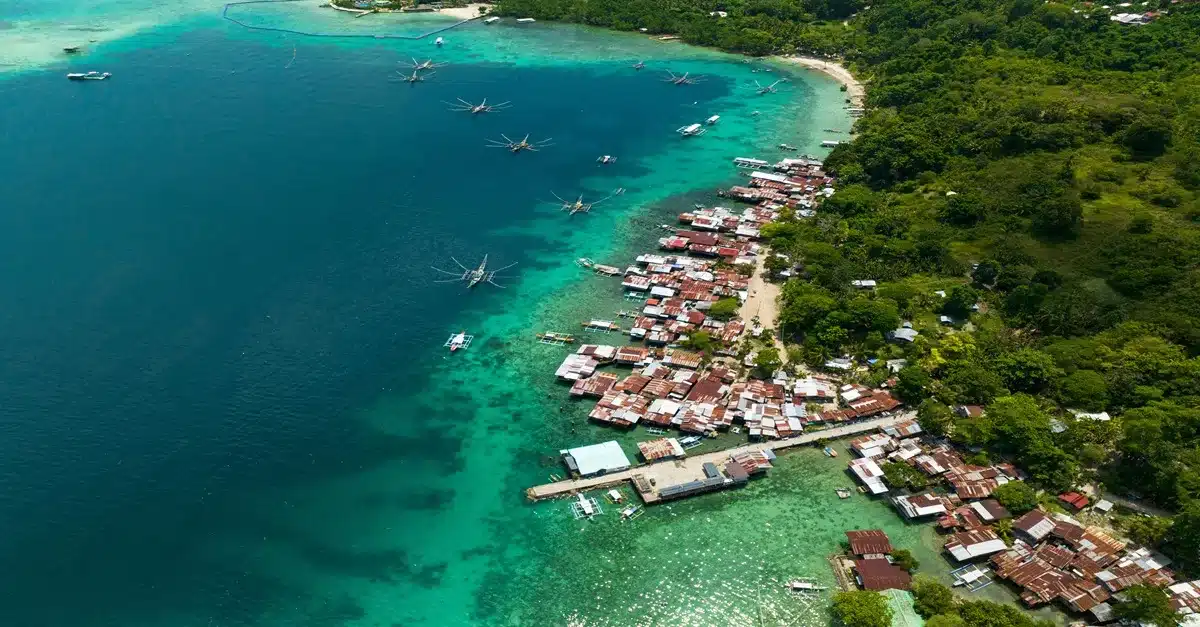
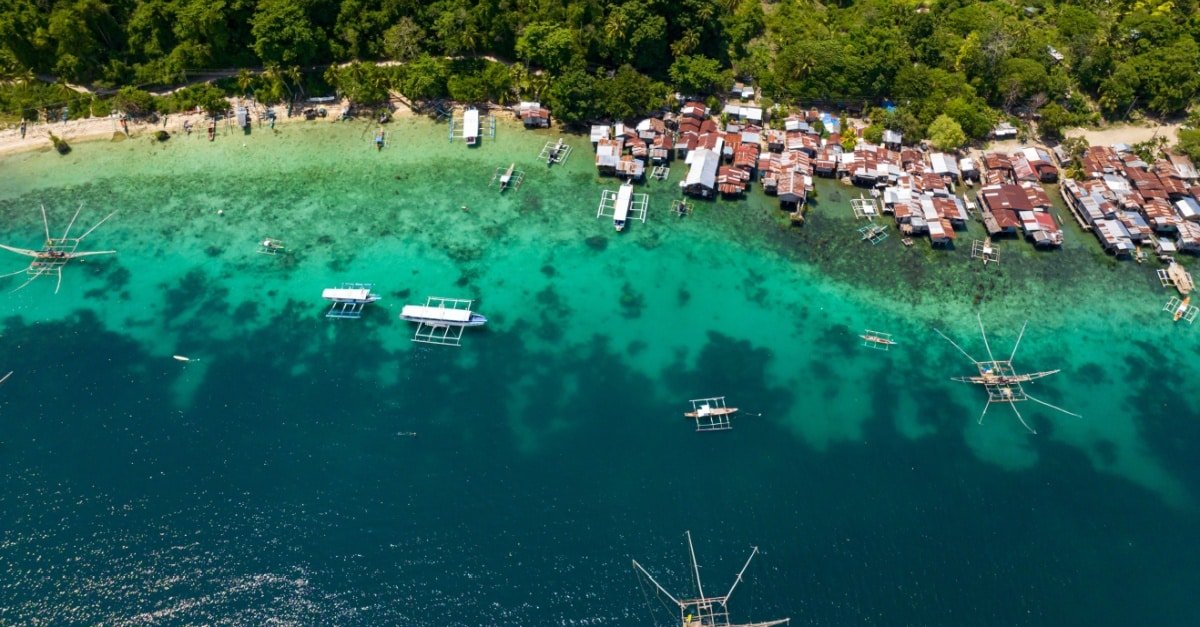
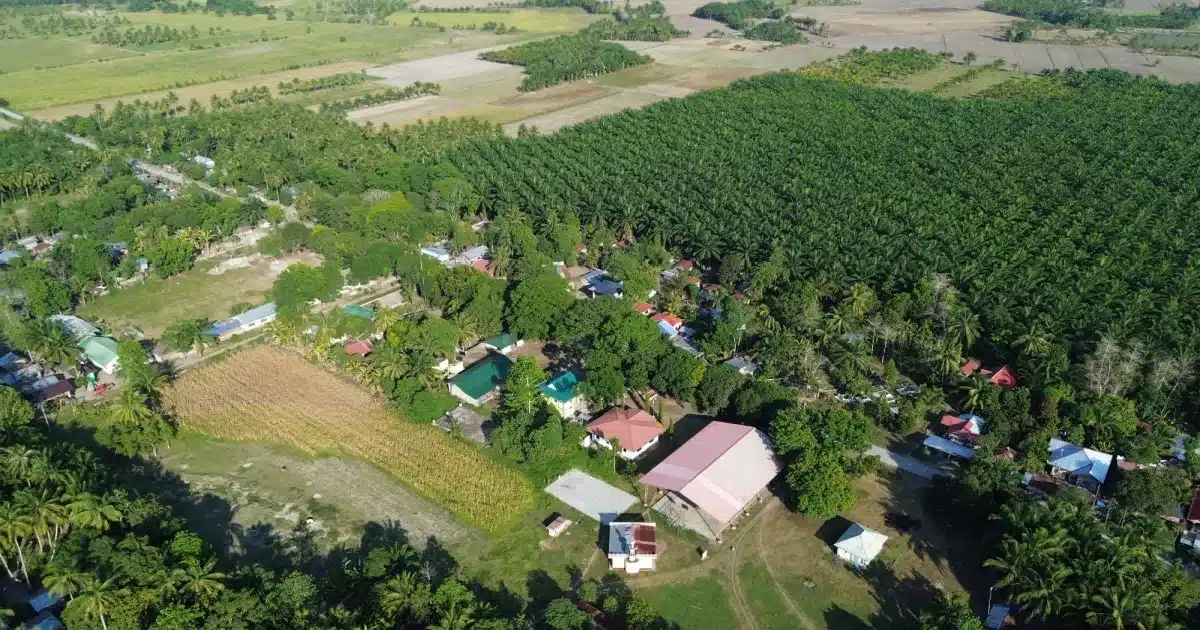
Geographically, BARMM is split into two distinct energy contexts, with mainland areas connected to the Mindanao power grid while the island provinces of Basilan, Sulu, and Tawi-Tawi (BASILTA) remain largely off-grid and dependent on diesel-powered generation. This fragmentation has led to uneven electricity access across the region and continues to complicate infrastructure development. While some urban centers benefit from grid connectivity, many rural and island communities still rely on small-scale systems that are often costly and less reliable.
The region’s economy continues to expand, but growth remains modest and uneven. In 2024, the region recorded 2.7% growth, a slowdown from 4% in the previous year, reflecting weaker momentum across key sectors. Despite expansion, BARMM remains structurally constrained, with per capita spending well below national levels.
However, BARMM has posted a notable drop in poverty incidence, which regional officials link to expanded social protection programs, gains in peace and security, and gradually improving economic opportunities across the region. Poverty incidence in the region fell from 28% in 2021 to 23.5% in 2023, with earlier projections suggesting it could ease further to 21.5% by 2025.
The State of Energy: Meeting Demand, But Not Yet Transforming It
Electricity demand in BARMM reached around 119 megawatts (MW) as of 2020, a small share nationally but significant relative to its infrastructure capacity. More importantly, demand is expected to grow rapidly as economic activity accelerates.
BARMM continues to face a significant electricity access gap, with many households still either underserved or unserved. Data from the Bangsamoro Development Plan 2023–2028 and the Department of Energy (DOE) show that the region has the lowest electrification rate in the country. As of December 2022, provincial electrification stood at just 43.7%, excluding Cotabato City’s near-universal access of about 99%, leaving more than 300,000 households without grid electricity.
The region’s power distribution system is made up of 11 utilities, including one private distributor, seven electric cooperatives (ECs) within the region, and three outside cooperatives serving select areas, including parts of the Special Geographic Area. These utilities report full barangay coverage, but system performance remains a major concern.
According to the National Electrification Administration (NEA), all ECs operating within BARMM are classified as poor-performing. These include the Basilan Electric Cooperative (BASELCO), Lanao del Sur Electric Cooperative (LASURECO), Tawi-Tawi Electric Cooperative (TAWELCO), and Sulu Electric Cooperative (SULECO), which are tagged as “ailing” or “red” cooperatives. Meanwhile, the Maguindanao Electric Cooperative (MAGELCO), Siasi Electric Cooperative (SIASELCO), and Cotabato Electric Cooperative (CASELCO) fall under the “yellow-2” category. This classification reflects persistent financial and operational challenges across the region’s distribution network.
Despite these setbacks, BARMM is gradually emerging as a strategic frontier for renewable energy development, driven by policy reform, resource mapping, and institutional strengthening between the DOE and the Ministry of Environment, Natural Resources, and Energy (MENRE).
A major milestone was the formal transition of renewable energy governance responsibilities from the national government to BARMM authorities, enabling MENRE to directly implement the Renewable Energy Act within the region. This shift is expected to accelerate project approvals and localized energy planning, particularly for solar, hydro, and hybrid systems suited for island and off-grid communities.
In 2024, the DOE also opened BARMM-specific energy bid rounds, identifying multiple pre-determined areas for development of indigenous energy resources, including renewable and emerging options such as hydrogen. These initiatives are designed to attract private investment while strengthening energy security in the region.
By 2025, BARMM formally launched its Bangsamoro Energy Master Plan, a long-term roadmap prioritizing renewable energy expansion, grid modernization, and sustainable electrification. The plan positions renewables as the backbone of future energy supply, aligning with national decarbonization targets and regional development goals.
(Also read: https://balitang-mindanao.info/ocean-renewable-energy-southern-ph-sea/)
Strengthening Institutions for a More Resilient Energy Future
BARMM is entering a decisive phase in its energy development, where short-term stability in fuel supply is being tested against long-standing structural weaknesses. At present, regional authorities have managed to keep diesel supplies stable and have responded quickly to global oil price pressures through an inter-agency task force. However, they do not yet resolve the underlying vulnerabilities of the system.
The core challenge remains structural. BARMM continues to rely on a fragmented power landscape shaped by limited grid reach and diesel-dependent mini-grids in island provinces. As a result, energy access and reliability remain uneven across the region, reinforcing existing development gaps.
ECs remain central to the system, but continue to face persistent operational and financial constraints that limit overall performance. With many classified as underperforming, they require urgent reform in governance, financial management, and operational efficiency. Without significant improvement in these institutions, investments in generation expansion and renewable energy will struggle to translate into reliable service delivery for end users.
There are, however, clear signs of transition. Renewable energy governance reforms, new investment bidding rounds, and the Bangsamoro Energy Master Plan indicate a stronger policy direction toward cleaner and more localized energy systems. These developments provide a foundation for long-term improvement but will depend heavily on execution capacity at the distribution level. Without deep institutional reform, BARMM’s energy transition risks remaining policy-driven rather than system-changing.
Sources:
https://newsinfo.inquirer.net/2204398/barmm-has-enough-fuel-for-april-regl-energy-agency-says
https://en.wikipedia.org/wiki/2026_Philippine_energy_crisis
https://pia.gov.ph/news/barmm-creates-task-force-to-tackle-impact-of-global-oil-crisis
https://newsinfo.inquirer.net/2201728/barmm-grants-p7500-fuel-subsidy-to-transport-sector
https://rssobarmm.psa.gov.ph/content/barmms-economy-expands-27-percent-2024
https://www.sciencedirect.com/science/article/abs/pii/S036054422201502X
https://legacy.doe.gov.ph/press-releases/philippines-opens-green-energy-auction-4-integrating-energy
https://www.philstar.com/business/2022/12/29/2233860/erc-releases-new-rules-pass-through-charges