Table of Contents
In 2025, the National Electrification Administration (NEA) expanded its financial support to electric cooperatives (ECs), releasing ₱2.8 billion in loans—up 56% from ₱1.8 billion in 2024. The increase supported wider upgrades in distribution systems and operational needs across the country.
Of the total loan, ₱1.7 billion supported capital expenditure projects for 34 ECs, while ₱956 million went to working capital for 11 ECs in provinces including Albay, Camarines Sur, Cotabato, Negros Oriental, Pampanga, Pangasinan, Sultan Kudarat, and Tarlabc. An additional ₱142.4 million was provided as calamity loans to repair infrastructure damaged by Super Typhoon Odette, including a mini-hydro facility in Bohol and distribution lines in Surigao del Norte.
(Also read: Davao Del Norte Consumers Pin Hopes On Davao Light As Power Transition Unfolds)
Funding Rises, EC Networks Still Lag
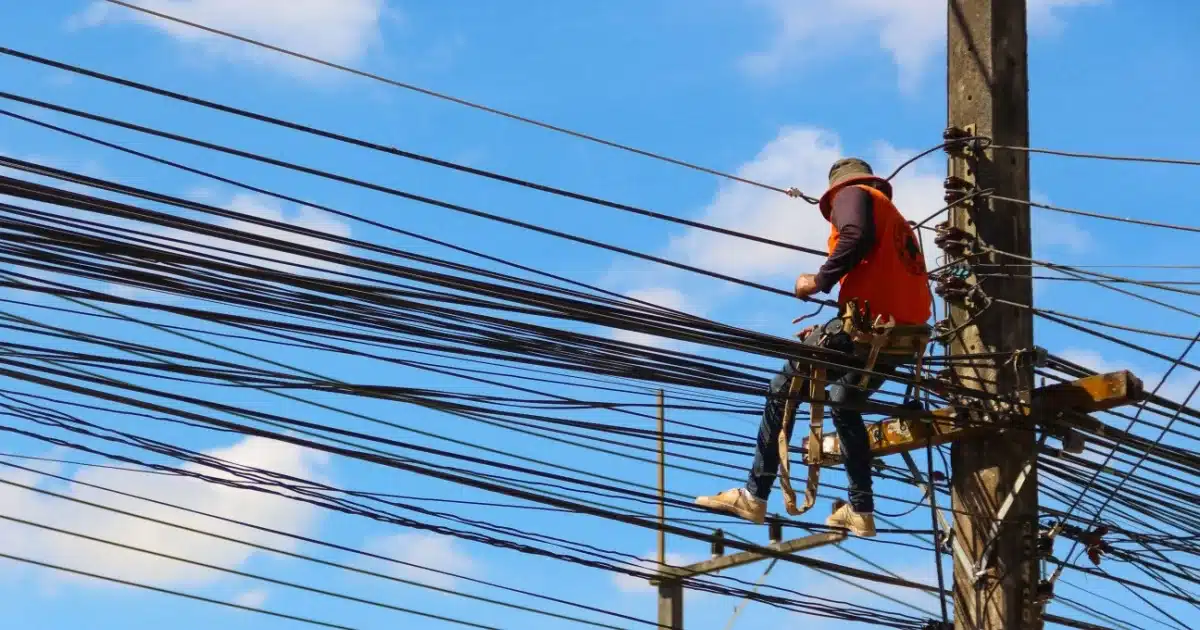
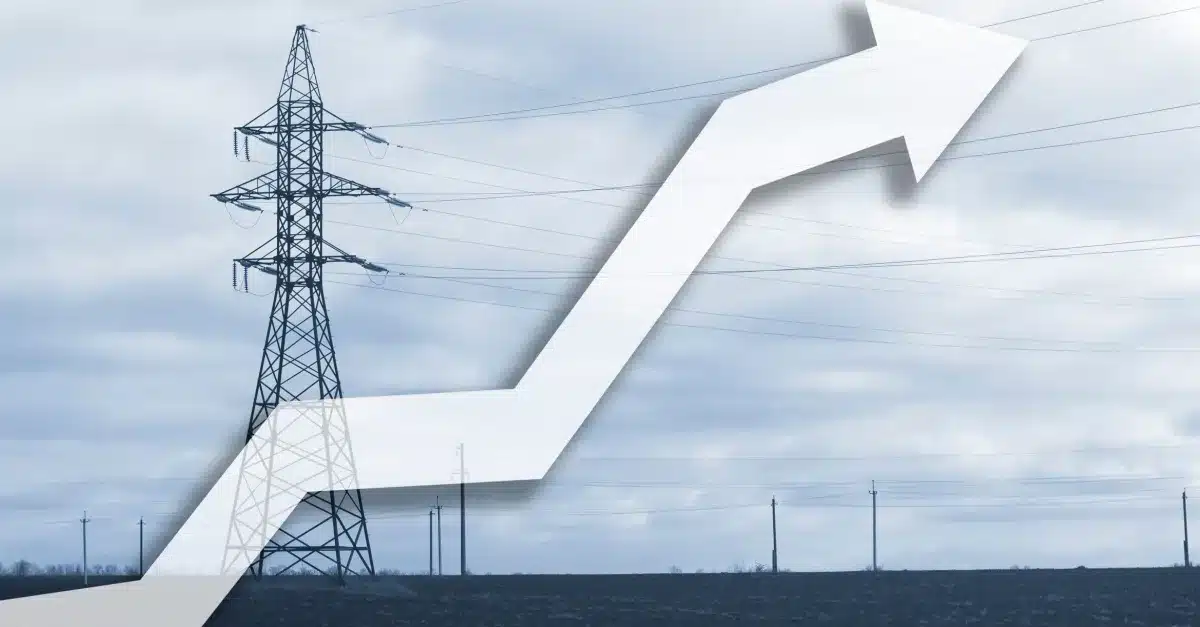
Despite the increased public funding from taxpayer money, many ECs continue to grapple with aging and overstretched distribution systems that contribute to persistent system losses, with electricity wasted through deteriorating lines, overloaded transformers, and outdated equipment.
This has created a growing disconnect between new power generation and electricity delivery.
While billions of pesos are being invested in RE projects, many local grids, particularly in rural and island communities, still lack the capacity to reliably transmit and distribute that power.
Panay ECs lag in grid investment
A report from the Iloilo-based Institute of Contemporary Economics (ICE) flagged growing risks to the Panay and Guimaras power grid due to persistent underinvestment in electricity distribution infrastructure, warning that current spending patterns may undermine long-term system reliability.
The study showed that seven ECs in these areas allocated only ₱2.38 billion in capital expenditures from 2022 to September 2024, far below the ₱10.52 billion they had programmed for the period. This translates to a completion rate of just 22.6%, highlighting a significant gap between planned and actual infrastructure spending.
These ECs collectively supply electricity to around 785,183 consumers, yet only 3.1% to 3.7% of their total expenditures were directed toward infrastructure development. ICE noted that such a low share of capital spending suggests a focus on maintenance rather than expansion or modernization, with limited capacity to upgrade aging distribution systems.
The think tank warned that this investment shortfall could weaken the grid’s ability to handle rising operational pressures, including more frequent extreme weather events, the integration of RE sources, and growing expectations for improved service quality and reliability.
Across the Philippines, ECs account for 122 of 152 distribution utilities and serve about 11.4 million customers nationwide.
Delayed upgrades in South Cotabato
A National Electrification Administration (NEA) audit has pointed to long-standing governance and management failures behind the South Cotabato II Electric Cooperative’s (Socoteco II) inability to modernize its power distribution system.
The review said the cooperative went almost a decade without implementing key system upgrades, even as clear warning signs accumulated, including rising system losses, deteriorating equipment, poor collection efficiency, and steadily weakening service reliability.
According to the audit, the EC is now effectively in financial distress, losing about ₱25 million per month due to system losses and poor collection performance. Regulators said the worsening condition has also disrupted daily operations, contributing to slower service response, more frequent outages, and further revenue decline in a reinforcing cycle of deterioration.
Rene “Migs” Dominguez of the General Santos City Chamber of Commerce Foundation Inc. noted that full rehabilitation would require around ₱2 billion annually over five years, or ₱10 billion total.
He warned that financing such a scale could push monthly amortization to roughly ₱50 million, potentially worsening losses if governance issues remain unresolved. Dominguez stressed that without reforms in leadership, technical capacity, and regulatory oversight, the burden of recovery risks being passed on to consumers in the Soccsksargen region.
Frequent outages in Antique and Aklan
In May 2026, a multi-sector briefing convened in the Senate under the initiative of Senator Loren Legarda, where officials discussed ongoing power reliability concerns in Western Visayas, particularly in Antique and Aklan.
During the discussions, Legarda noted that recent service interruptions were not solely driven by supply shortages. She explained that many of the outages in the two provinces were also linked to large-scale maintenance and upgrading activities being undertaken by ECs.
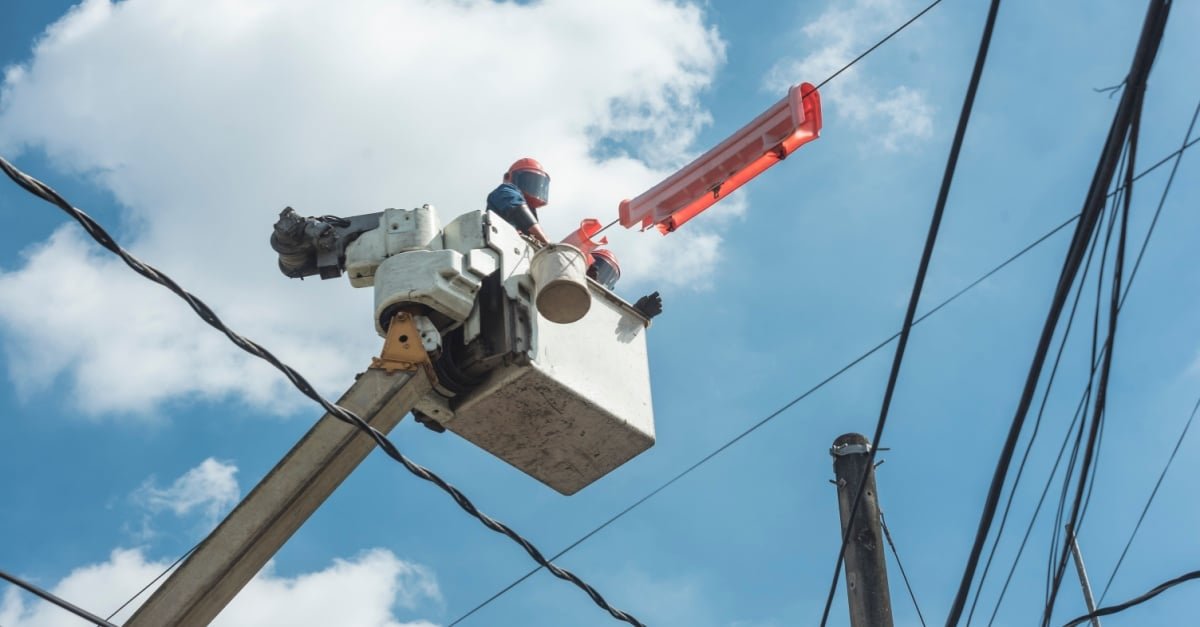
These works include reconductoring of lines, replacement of ageing bare wires, substation upgrades, and other system improvements intended to strengthen distribution infrastructure. While the ongoing projects represent overdue efforts to modernize ageing distribution systems, Legarda said these should be implemented with proper planning, clear timelines, and limited disruption to homes, businesses, schools, and public services.
“We know how electricity and internet affect daily life. They affect children studying, small businesses earning, and tourists visiting our provinces,” the senator stressed. “That is why we have to complete the substations, power lines, and last-mile electrification projects, but we must look for ways that it will not suddenly add to the burden of consumers.”
Back in December 2025, the National Grid Corporation of the Philippines (NGCP) formally took over ownership and operations of the Caticlan–Unidos 69-kilovolt transmission line in Aklan, a key infrastructure link tied to longstanding power reliability issues in the province.
The line had previously been under the management of the Aklan Electric Cooperative (Akelco) and had experienced recurring outages and gradual structural decline. These disruptions had affected electricity supply in Boracay and nearby communities, including an 18-hour blackout in May 2025 that drew widespread online criticism, as residents and tourists endured severe heat during the prolonged outage.
(Also read: Mindanao Powers Through: Quake-Hit Communities Regain Electricity In Joint Recovery Effort)
Modernizing Distribution Networks
A way to address the outdated distribution networks of ECs is through targeted, low-interest financing supported by the government or structured public-private partnerships. These credit facilities would be strictly dedicated to both physical upgrades and digital modernization of EC systems.
Such funding could help improve overall operational efficiency across EC networks. It would also support the gradual shift toward smarter grid systems capable of handling more complex load patterns and integrating higher levels of RE.
This need for stronger and more coordinated upgrades is reflected in recent regional developments. According to the ICE, improvements in Iloilo’s distribution system have helped soften the impact of tightening power conditions in the Visayas, even as broader supply constraints continue to strain the grid.
Primelectric, a privately owned distribution utility, has invested about ₱2.65 billion since 2020 in upgrading Iloilo City’s power network, reflecting comparatively stronger modernization efforts than many ECs.
“Maintenance keeps an existing network operating,” highlighted the report. “Modernization builds capacity, redundancy, automation, monitoring capability, faster restoration, and resilience.”
This underscores the critical importance of sustained investment in power distribution infrastructure, a priority that has gained significant momentum in more advanced power markets.
In the United States, for example, utilities have sharply increased capital spending on distribution systems over the past two decades. Data from the U.S. Energy Information Administration shows that investment in distribution infrastructure rose by $31.4 billion from 2003 to 2023, a 160% increase over the period.
In 2023 alone, American utilities allocated $50.9 billion to distribution upgrades, with more than 20% of the total two-decade growth concentrated in just the 2022–2023 period, highlighting an accelerating push to modernize grids for reliability and future demand.
Taken together, these developments point to a clear policy imperative: the modernization of the country’s distribution grid can no longer be treated as an incremental or purely operational concern.
While ECs remain central to rural electrification, repeated findings of delayed upgrades, rising system losses, and uneven investment performance suggest that relying on existing structures alone may be insufficient to meet rising demand and ensure reliable service. Strengthening oversight, tightening performance accountability, and accelerating access to dedicated financing will be critical to prevent infrastructure gaps from widening further.
Ultimately, sustained grid modernization must be treated as a national priority anchored on stronger governance and more effective delivery mechanisms, ensuring that essential upgrades are implemented consistently, efficiently, and in line with long-term energy security goals.
Sources:
https://tribune.net.ph/amp/story/2026/01/14/nea-pumps-p28b-into-ecs-amid-modernization-push
https://mb.com.ph/2026/05/30/legarda-rallies-solutions-for-antique-aklan-power-and-connectivity
https://www.philstar.com/business/2025/12/21/2495714/ngcp-takes-over-troubled-power-line-aklan
https://www.philstar.com/nation/2025/09/16/2473123/power-back-boracay-after-2-days
https://business.inquirer.net/597427/visayas-power-woes-highlight-need-for-gridwide-upgrade