Table of Contents
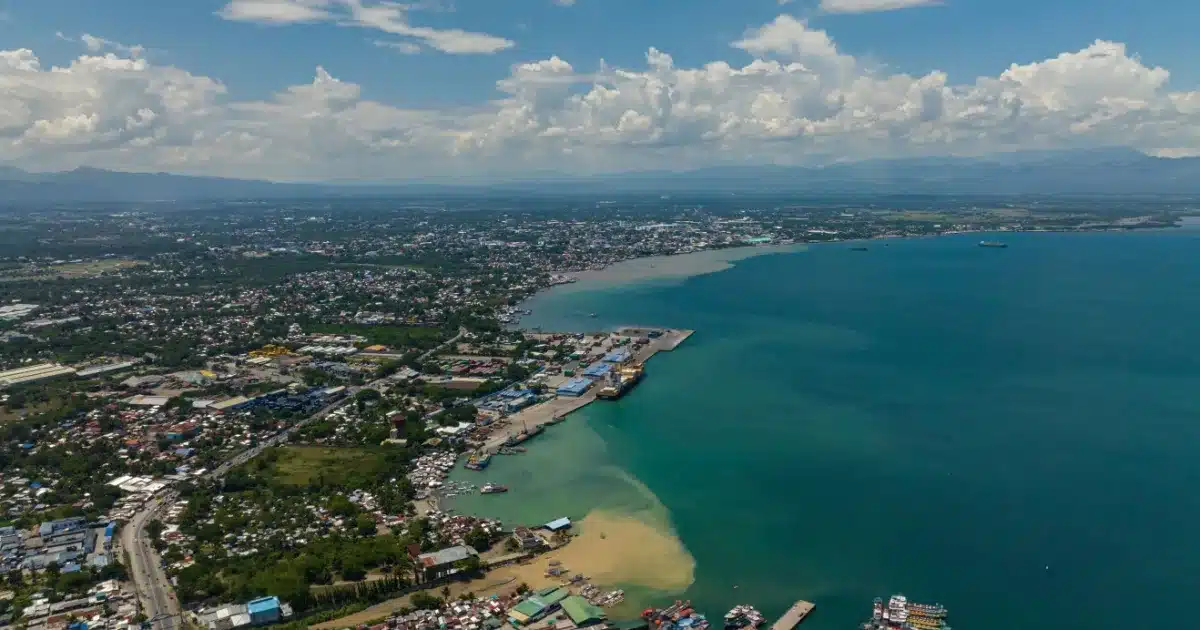
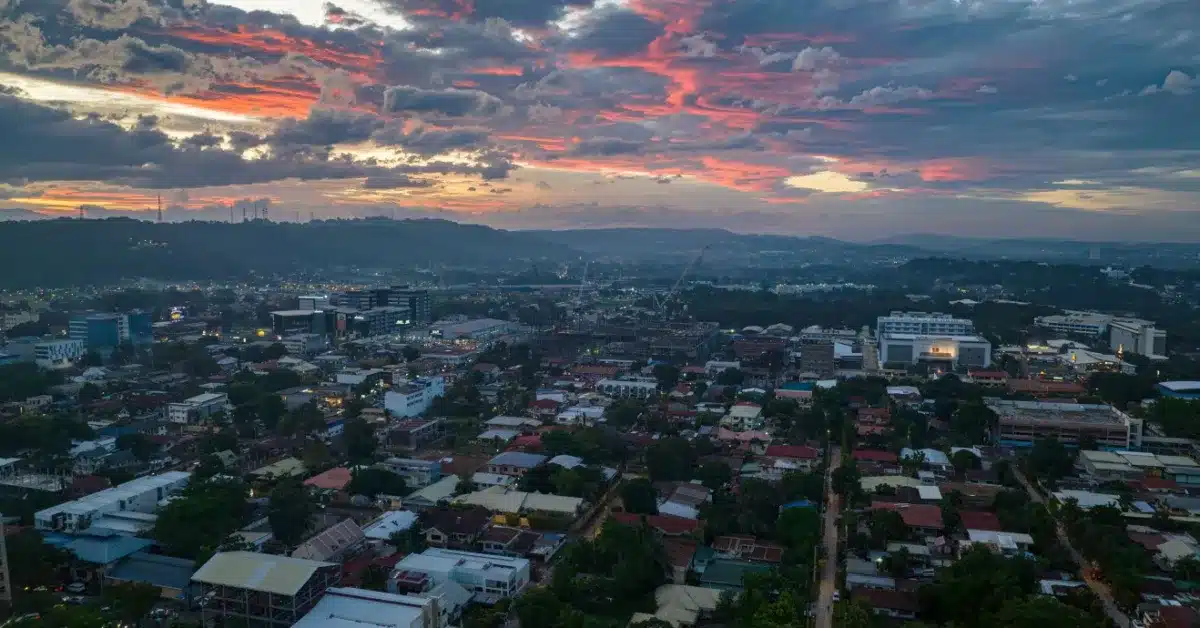
Mindanao is stepping up efforts to strengthen its electricity infrastructure, expand power access, and attract investments as rising economic activity and uneven electrification call for a more reliable and resilient energy system across the island.
The Mindanao Development Authority (MinDA) brought together government agencies, power companies, investors, development partners, academics and civil society representatives at the PowerForward Mindanao forum to discuss long-term solutions to the region’s growing energy requirements.
The high-level policy dialogue, held at Aria Hotel & Residences on Nov. 10 under the theme “Driving Conversations on Energy Security and Growth,” focused on aligning public and private sector efforts to improve power generation, transmission, and electricity access.
“Growth, access, and resilience are one agenda, and no single agency, company, or local government unit can deliver it alone,” MinDA chairperson and Secretary Leo Tereso A. Magno said.
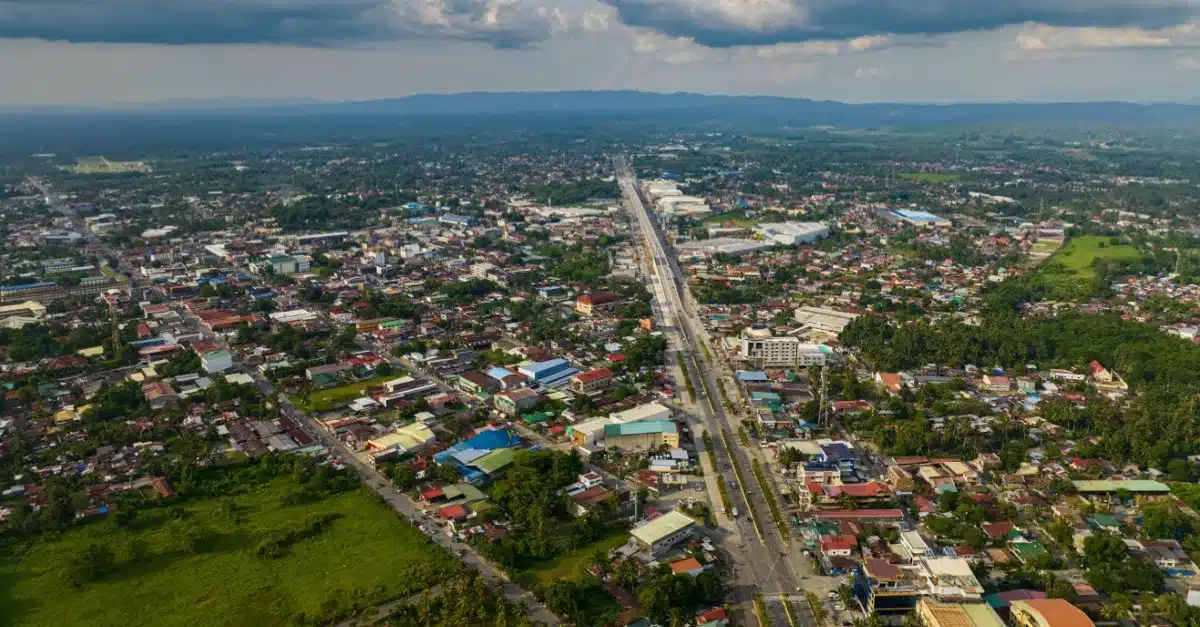
He said increasing electricity demand reflects the island’s expanding economic activity and reinforces the need for sustained investments in generation facilities, transmission infrastructure and emerging energy technologies.
Energy Undersecretary Giovanni Carlo Bacordo said Mindanao currently has a power surplus rather than an electricity shortage, but continued infrastructure investments are necessary to maintain grid stability and accommodate future demand.
Strengthening Interconnection
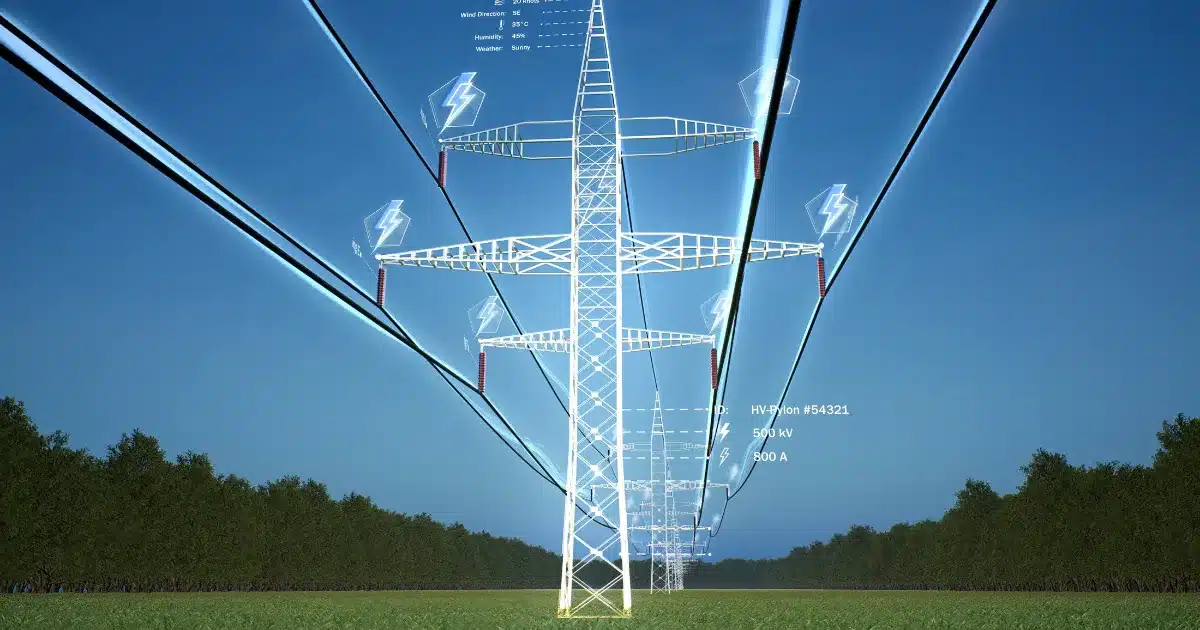
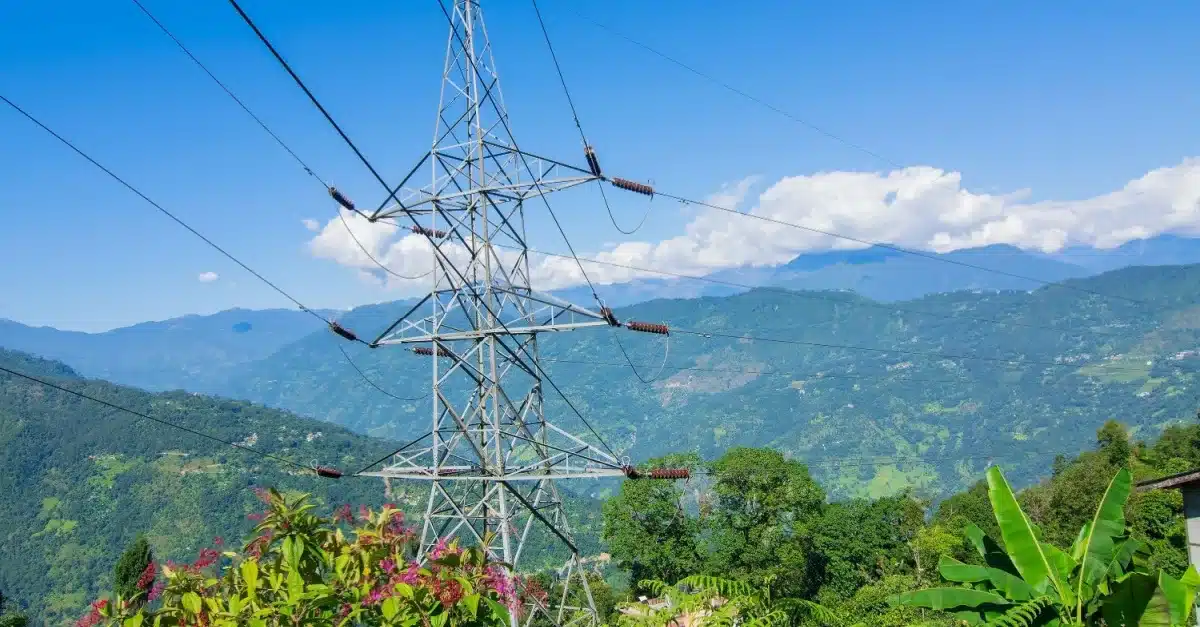
Bacordo highlighted the importance of expanding the Mindanao-Visayas Interconnection Project (MVIP), which allows electricity to be transferred between the two regions.
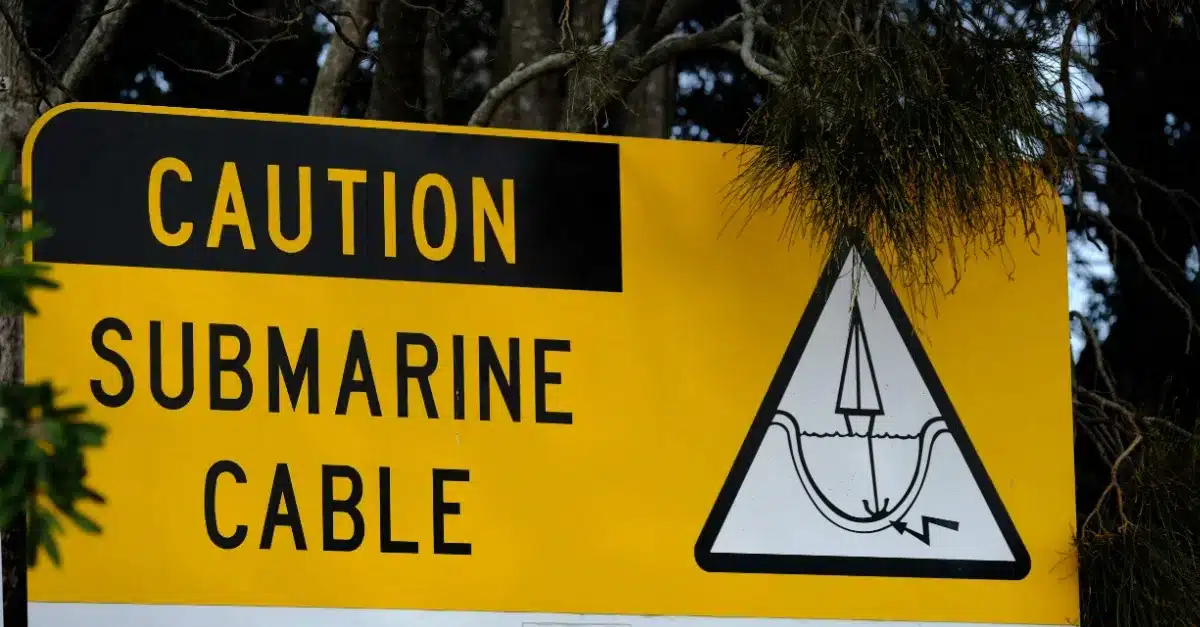
The project’s second stage aims to add 450 megawatts (MW) of transfer capacity, bringing the total to approximately 900 MW using the existing submarine cable infrastructure.
“This would allow electricity to flow in both directions between Mindanao and the Visayas, depending on the available supply and demand in each region,” Bacordo said, noting that power currently flows mainly from Mindanao to the Visayas.
The expanded interconnection would provide greater flexibility in managing electricity supply across the two regions, particularly when demand and available generation capacity change.
Aboitiz Power Distribution Utilities president and chief operating officer Ronaldo “Aldo” Ramos said Mindanao has more than 4,600 MW of installed generating capacity against peak demand of approximately 2,700 MW.
Despite the apparent supply cushion, he warned that recent yellow alerts demonstrated how quickly available reserves could tighten when problems affect other parts of the power grid.
Ramos recalled the 2016 Mindanao power crisis, when widespread electricity interruptions were estimated to have cost the region between ₱300 million and ₱400 million daily.
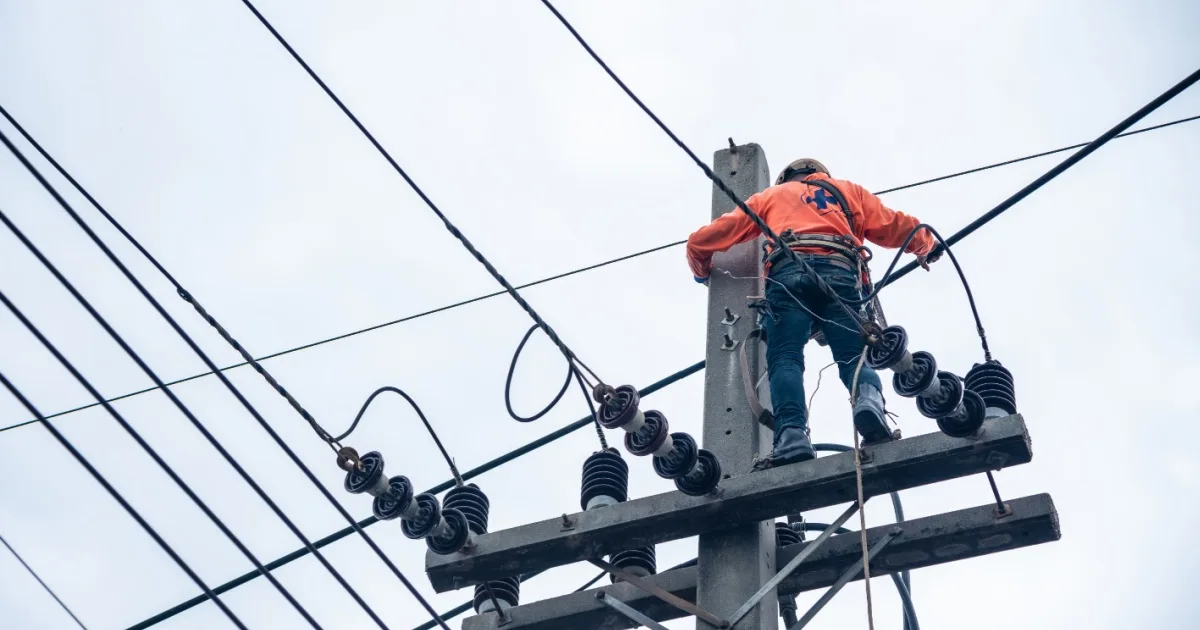
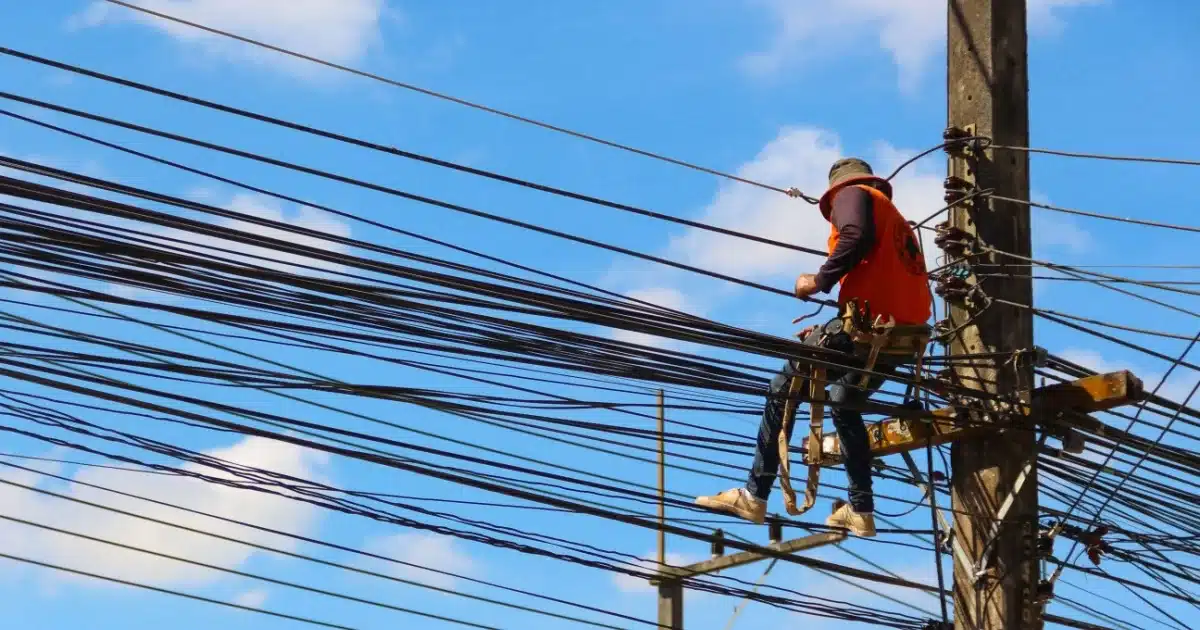
He said power disruptions affect households, businesses, government operations and small enterprises, highlighting the importance of investing in transmission facilities, battery energy storage, and grid resilience against extreme weather events.
Renewable Energy Pipeline
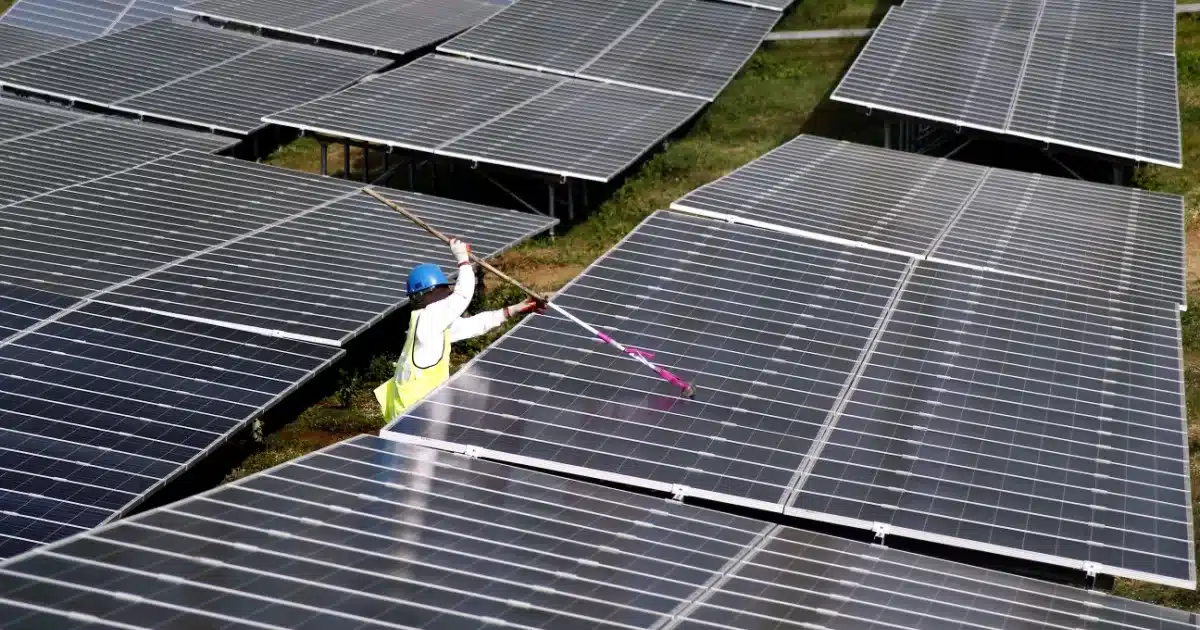
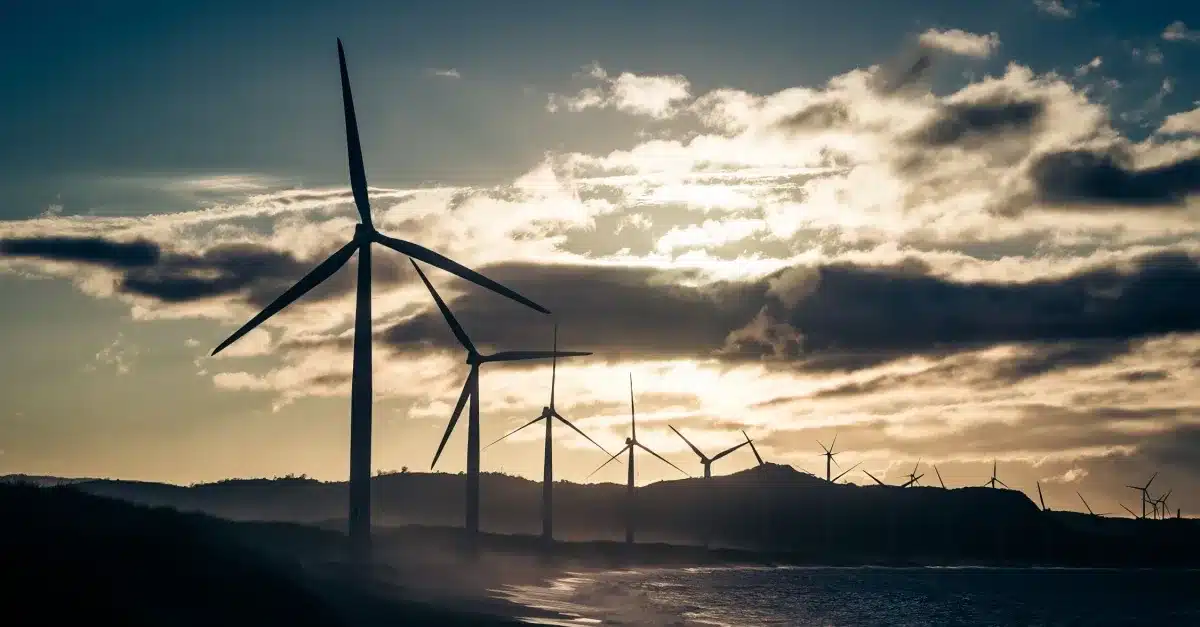
Alongside transmission improvements, the DOE is encouraging investments in renewable energy to diversify Mindanao’s power supply.
Bacordo said the department is monitoring 189 renewable energy service contracts across Mindanao, representing a potential combined capacity of approximately 5.1 gigawatts.
The DOE is also implementing Green Energy Auction 7, a program specifically designed for Mindanao that targets around 175 MW of run-of-river hydropower projects.
The auction is intended to encourage private sector investments and accelerate the development of cleaner energy sources.
Bacordo reaffirmed the department’s commitment to assisting prospective renewable energy investors pursuing projects in the region.
However, Davao del Norte Gov. Edwin Jubahib stressed that developing additional renewable energy capacity must go hand in hand with expanding transmission infrastructure to ensure generated electricity can reach consumers.
Jubahib said Mindanao aims to achieve a 50-percent renewable energy share in its energy mix by 2030, but warned that infrastructure constraints could undermine the region’s ability to meet its targets.
He also emphasized that affordable and dependable electricity is essential to attracting businesses, expanding industries and strengthening agricultural activities.
“High electricity costs could discourage investors from choosing the region,” Jubahib said.
Closing The Electrification Gap
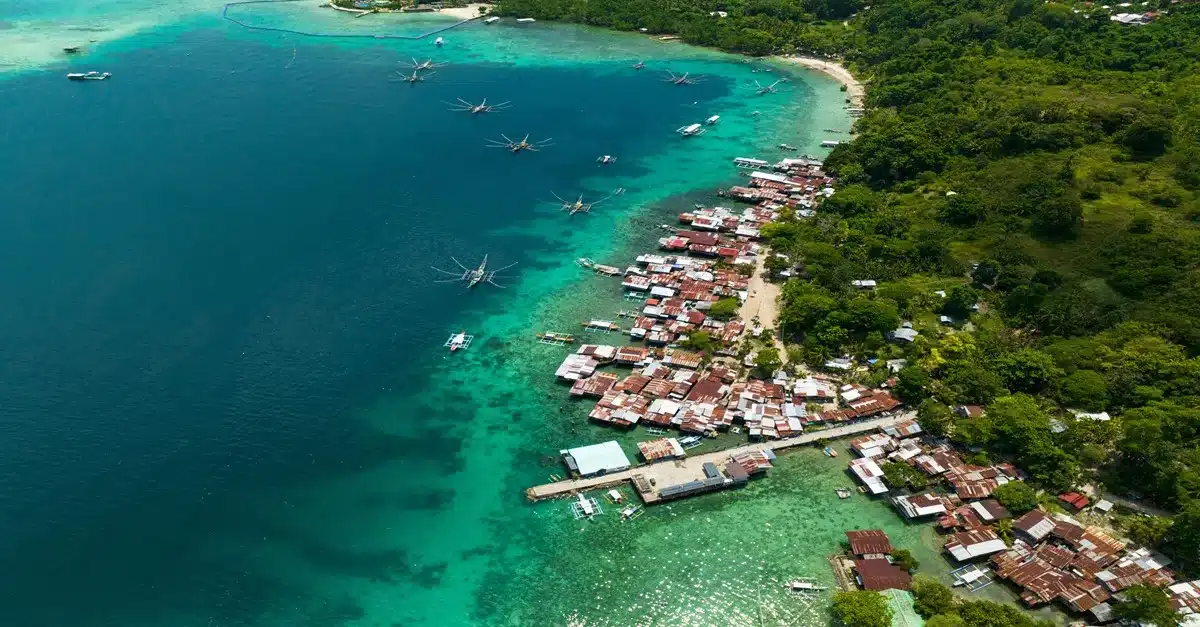
Beyond supporting industries and major economic centers, government efforts must also address the significant electricity access gap in remote communities.
Bacordo said household electrification in Mindanao stood at 85.7 percent as of June 2026, while the Bangsamoro Autonomous Region in Muslim Mindanao (BARMM) recorded a considerably lower rate of 51.3 percent.
The DOE and its attached agencies are working to connect more unserved households, particularly in underserved areas such as Basilan and Tawi-Tawi, through the National Total Electrification Roadmap.
Microgrids and other localized energy systems are among the solutions being pursued to provide electricity to communities that are difficult to reach through conventional grid infrastructure.
Bacordo said energy security in Mindanao extends beyond economic considerations, linking reliable electricity access to broader development and peace-building objectives.
“Here in the south, energy security is not merely an economic metric; it is the very foundation of lasting peace and true economic independence. When we light up homes, we dispel the shadows of conflict. When we power up industries, we build the engines of peace,” he said.
Coordinated Investments
Jubahib, who also chairs the Davao Regional Development Council and sits on the MinDA board, said reliable, affordable, and sustainable electricity must reach communities regardless of their distance from major commercial centers.
He said Mindanao’s continued economic expansion requires power infrastructure capable of supporting both established industries and emerging investment destinations.
Davao City Mayor Sebastian Duterte, in a message delivered by his representative, likewise emphasized the growing importance of dependable and affordable electricity as communities and industries expand. He expressed hope that the forum would produce concrete proposals and stronger partnerships to improve the region’s energy security.
The dialogue was attended by representatives from major energy companies, including AboitizPower, FDC Utilities Inc., Davao Light and Power Co. Inc., Basic Energy Corp. and PowerVenture Inc., alongside financial institutions and the National Grid Corp. of the Philippines.
MinDA said reliable and affordable electricity is critical to attracting investments, generating employment and improving Mindanao’s competitiveness within the Association of Southeast Asian Nations.
Through PowerForward Mindanao, the agency is promoting public-private partnerships and coordinated regional planning to address infrastructure requirements and support the island’s long-term economic transformation.
Source:
https://www.sunstar.com.ph/amp/story/davao/business/minda-pushes-mindanao-power-security
https://mb.com.ph/2026/11/11/doe-mindanao-needs-stronger-power-grid-to-sustain-economic-growth
https://www.pna.gov.ph/article/minda-pushes-energy-security-power-access-in-mindanao