Table of Contents
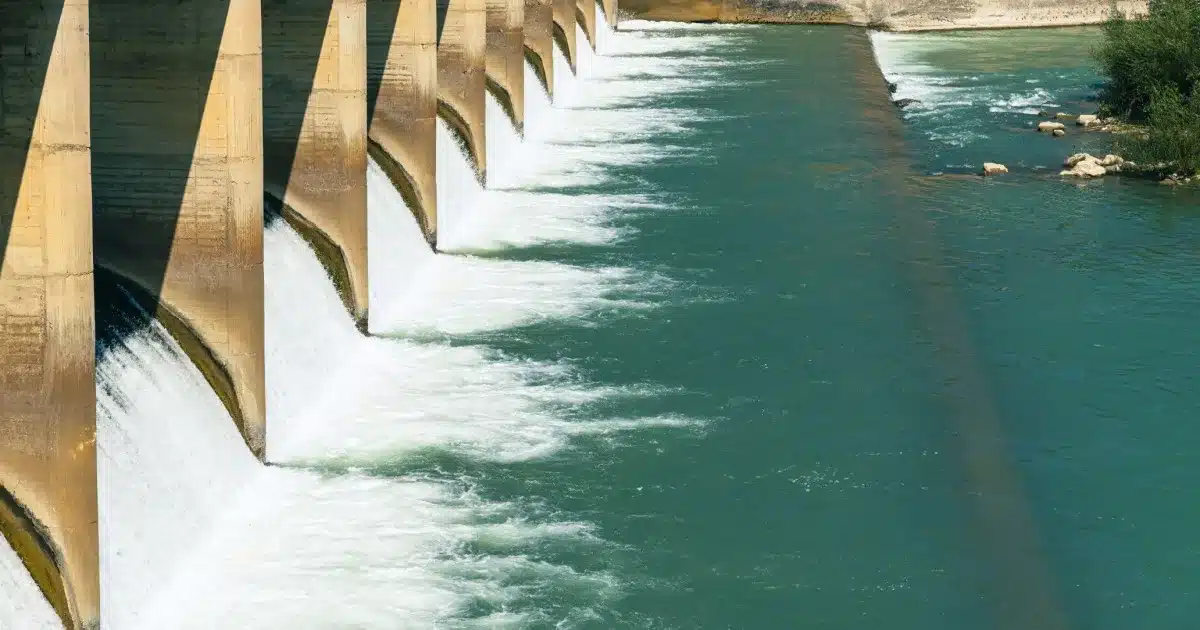
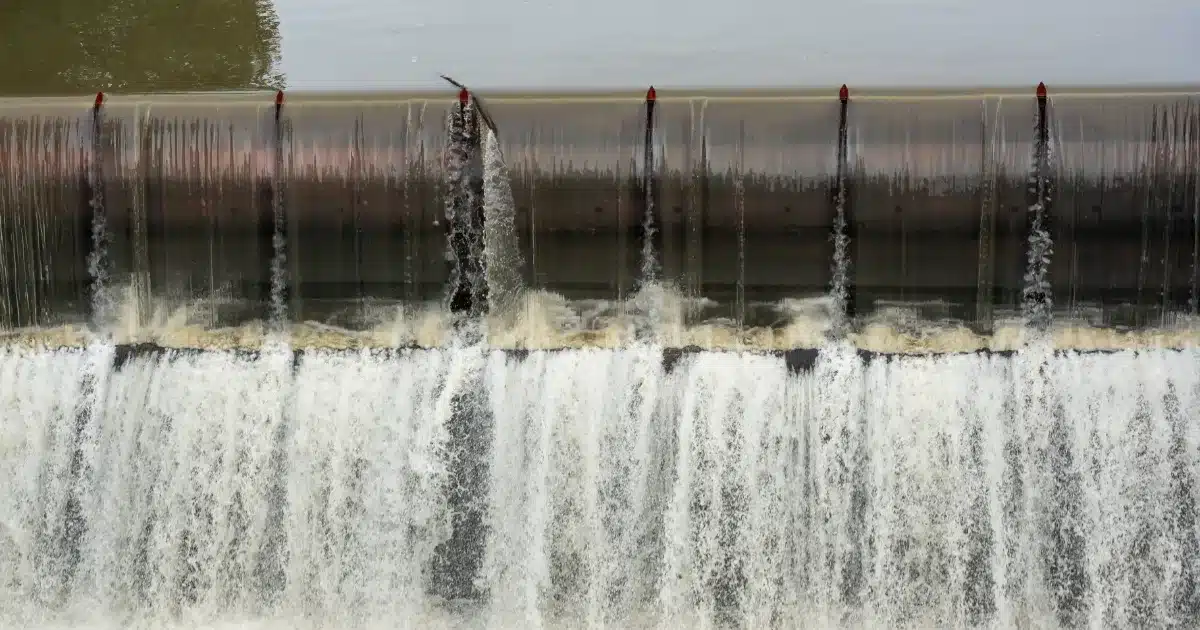
The Power Sector Assets and Liabilities Management Corp. (PSALM) is moving to rehabilitate the aging Agus-Pulangi Hydropower Complex (APHC) in phases, with the state-run agency targeting the award of a rehabilitation contract to a private company by December, in a bid to strengthen Mindanao’s power supply.
“Our objective is to restore and sustain dependable generating capacity, improve plant efficiency and reliability, reduce forced outages, and allow the existing facilities to operate more consistently,” PSALM president and chief executive officer Dennis de la Serna said.
He added that the improvements could help reduce supply deficits during periods of high demand and limit the need for more expensive or less reliable replacement power.
Phased Rehabilitation
The APHC is a critical generation source for Mindanao but has been operating below its installed potential because of aging infrastructure. PSALM plans to carry out the rehabilitation in stages instead of taking the entire complex offline, allowing as much capacity as possible to remain available while work is underway.
De la Serna said the phased approach would allow PSALM to coordinate individual unit outages with grid conditions, prioritize facilities based on their condition, and progressively return rehabilitated units to service.
This is particularly important as Mindanao had about 3,196 MW of available generating capacity against a system peak demand of roughly 2,488 MW as of Aug. 20, based on National Grid Corp. of the Philippines data.
Mindanao also exports electricity to the Visayas through the Mindanao-Visayas Interconnection Project. A significant reduction in Mindanao’s available supply could therefore affect the Visayas grid, which has experienced prolonged yellow and red alerts since May.
Still, De la Serna cautioned that rehabilitating APHC would not by itself resolve Mindanao’s power-supply requirements.
“[The] rehabilitation of APHC should be viewed as one important component of the broader Mindanao power-supply strategy, rather than as the sole solution to the region’s supply-demand requirements,” he said.
Private Sector Role
PSALM has not disclosed any private firms that have publicly confirmed participation, but De la Serna said the agency remains on track to award the rehabilitation contract in December.
The arrangement is consistent with the Electric Power Industry Reform Act, which permits partnerships or joint ventures with private investors to bring in capital for power-sector projects without relying solely on government funds.
“The immediate priority is to recover and sustain the current capacity of APHC, improve its reliability, and ensure that it can continue to contribute to the grid—particularly when the system is under stress,” De la Serna said.
The planned rehabilitation is also linked to the government’s program to privatize remaining state power assets. Finance Undersecretary Michael Alejandro said the government expects its ₱101.5-billion privatization revenue target for next year to receive a major boost from the Caliraya-Botocan-Kalayaan (CBK) hydroelectric facilities and the planned sale of Agus-Pulangi.
The CBK facilities were awarded in 2025 to the Aboitiz-led Thunder Consortium for ₱36.27 billion. The Agus-Pulangi complex is expected to generate about ₱40 billion to ₱90 billion in government revenues.
Asset Privatization
PSALM is also finalizing the bidding of other remaining National Power Corp. power assets, several of which are hydroelectric plants in Mindanao.
These include the 260-MW Agus 1 and 2 plants in Marawi, Lanao del Sur; the 213.10-MW Agus 4 and 5 plants in Balo-i, Lanao del Norte; the 273-MW Agus 6 and 7 plants in Iligan City; and the 255-MW Pulangi 4 plant in Bukidnon.
PSALM is targeting bidding for these assets between the second half of 2026 and the first half of 2027, with rehabilitation work planned between the second half of 2027 and the first half of 2028.
The government’s privatization program is intended not only to improve the efficiency of state power assets but also to generate funds for settling stranded debts and contract costs.
Source:
https://mb.com.ph/2026/08/21/psalm-plans-phased-overhaul-of-agus-pulangi-hydro-plant-by-december
https://business.inquirer.net/606344/psalm-readies-napocor-asset-bidding-finance-chief
https://business.inquirer.net/606544/state-hydro-assets-could-yield-up-to-p126b