Table of Contents
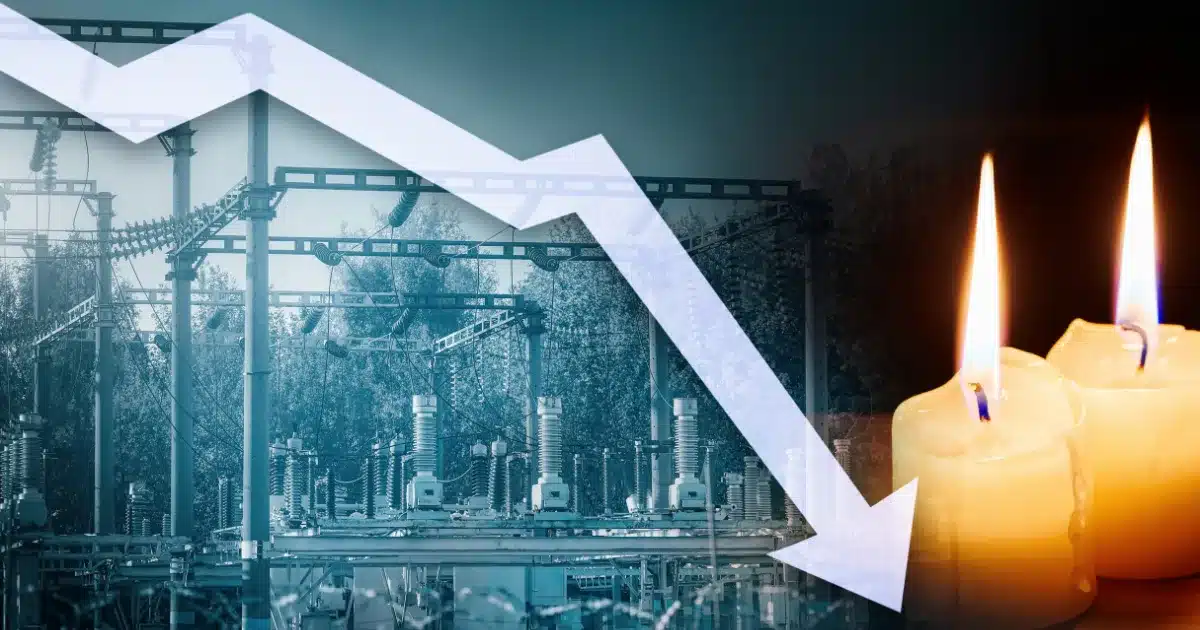
Mindanao is once again facing the prospect of tighter power supplies, with the region’s reserve margin expected to disappear by 2028 if no new generation capacity comes online. The warning from the National Grid Corp. of the Philippines (NGCP) raises the prospect of a repeat of the supply pressures that triggered the region’s 2012 power crisis.
“In Mindanao, we are seeing this, although I hope the NGCP’s projection is wrong,” stated NGCP Assistant Vice-President Cynthia P. Alabanza. “It would be good for other government agencies to study this as well and validate the NGCP’s data.”
Mindanao’s power crunch has been building for years as electricity demand steadily closes the gap with available supply. By 2028, Mindanao is expected to have no excess capacity left.
On August 10, Mindanao’s power grid came under red and yellow alerts after multiple generating plants were forced to cut output or shut down for repairs. The NGCP reported a 14-megawatt (MW) supply shortfall with no reserves available, as seven major and eight smaller generating units were affected by outages and reduced generation.
(Also read: Mt. Apo Geothermal Plant Eyes Full Capacity As Mindanao Grid Expands)
Baseload Saved Mindanao Before, It May Be Needed Again
During the summer of 2012, Mindanao experienced rotating brownouts lasting roughly one to eight hours a day as generation capacity fell short. It traces the problem to earlier reductions in hydropower output and repeated shortages beginning in 2010 and worsening through 2011 and 2012.
According to the Philippine Institute for Development Studies (PIDS), the crisis was largely driven by insufficient baseload capacity and an imbalanced generation mix. A World Bank assessment at the time noted that the Agus and Pulangi hydro plants accounted for roughly half of the island’s available capacity, while insufficient new generation had left the region chronically short of power.
The commissioning of several coal-fired plants helped ease Mindanao’s power shortages by adding steady baseload capacity to the grid. However, NGCP said no comparable generation capacity has been added since those facilities came online, leaving the region increasingly exposed as electricity demand continues to rise.
Mindanao’s once-stable power situation has deteriorated sharply in recent months. After recording just two power alerts over the past three years, the grid has logged 17 yellow and four red alerts so far this year, largely amid outages and reduced output from several major generating plants, including coal-fired facilities.
Ryan Amper, convenor of the Davao Consumer Movement (DCM), stressed that official records show no documented red alert in Mindanao from 2019 through August 10, 2026.
“The five consecutive days of Yellow Alert on the Mindanao Grid should serve as a warning to the national government and power regulatory agencies that the region’s power supply situation is tightening and requires urgent action to prevent a repeat of the power crisis Mindanao experienced more than a decade ago,” he warned.
Alabanza noted that population growth must be accompanied by greater economic activity, which in turn drives higher electricity demand.
Mindanao’s tightening power supply is also putting pressure on the Visayas, which relies on electricity imports from the southern grid to meet part of its demand.
DOE Secretary Sharon S. Garin said the government is coordinating efforts to address Mindanao’s worsening power supply situation.
“This whole exercise needs time, planning, and cooperation. If you want to fix the energy situation in Luzon, Visayas, Mindanao, and the whole Philippines by 2030, you should have started construction by 2025,” said Garin.
Will Renewable Energy Be Enough?
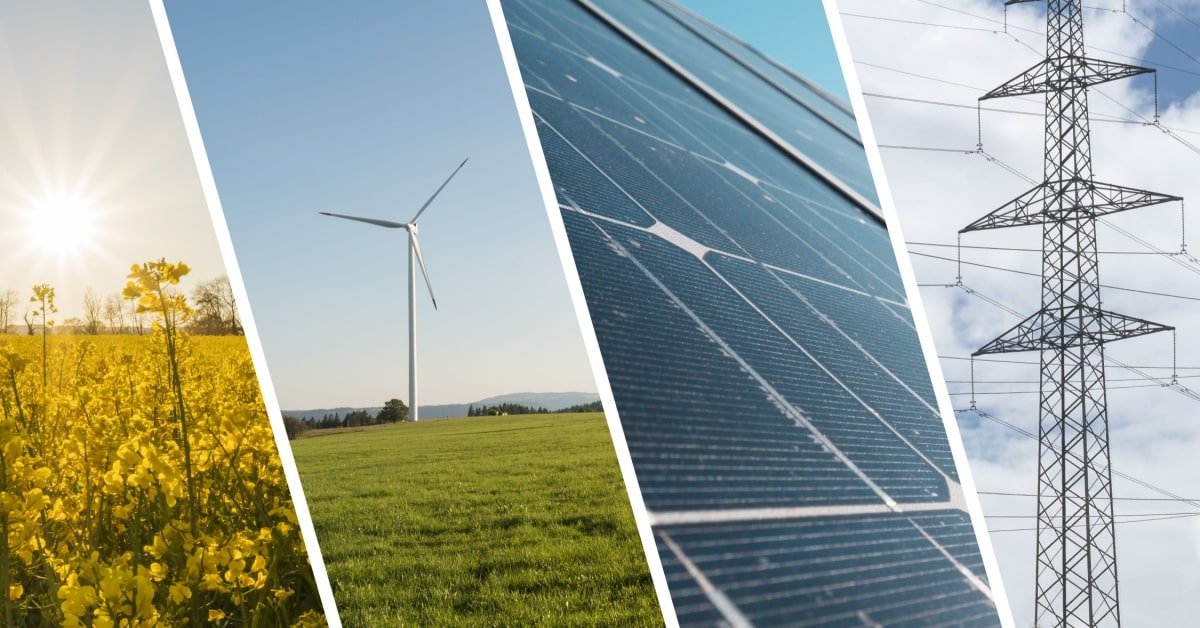
The DOE expects 1,323 MW of new capacity to come online in Mindanao from 2026 to 2031, with about 75% or 998 MW coming from renewable energy (RE) projects. Solar accounts for the largest share of Mindanao’s planned renewable capacity at 46.54%, followed by wind at 22.36% and hydropower at 6.48%.
Only two are coal-fired plants, with a combined capacity of 270 MW, while the remaining projects include two oil-based facilities and seven battery energy storage systems (BESS) totaling 208 MW.
Coal currently accounts for 48.1% of Mindanao’s power generation mix, followed by renewables at 31.6% and oil-based generation at 20.3%.The DOE now targets raising renewables’ share of its grid to 35% by 2030 and 50% by 2040.
However, the region’s power outlook was markedly stronger in 2025, when coal made up 50.8% of dependable capacity, compared with 17.6% for oil-based sources and 31.6% for renewables.
The region avoided major supply disruptions amid a sustained surplus and even exported 389 MW of excess power to the Visayas on June 15 that year.
Mindanao’s experience has shown the risks of relying heavily on weather-dependent generation, particularly hydropower. Yet the region is again moving toward a power mix with a growing renewable share, raising questions about whether the lessons of the past have been fully absorbed.
The only has to look at Negros to see the risks of leaning too heavily on renewable generation. In January 2022, Negros Oriental declared itself a clean and RE-supportive province and adopted the country’s first local Clean and Renewable Energy Code, which covers power projects across the province and bans new fossil-fueled plants.
Yet the shift has not eliminated supply problems. Residents across Negros, Panay and the wider Visayas are facing recurring rotating brownouts. Negros has about 200 MW of geothermal capacity and 250 MW of installed solar capacity, but nameplate capacity does not mean all of that power is available when the grid needs it.
DOE official Mario Marasigan has described the problem bluntly: apart from one geothermal plant, Negros has little baseload capacity and relies heavily on solar and other renewables. When a generating plant goes offline, he said, the region has too little firm capacity to make up the shortfall.
The irony is that Negros still relies on coal from outside the province to help meet its power needs. That dependence underscores the limits of renewables alone in supplying a reliable grid, particularly when variable generation falls short or conventional plants are unavailable.
(Also read: Mindanao Power Grid Set For 4,580-MW Generation Surge By 2031)
Time to Act Is Now
Mindanao’s worsening power situation is already showing up in the market. Independent Electricity Market Operator of the Philippines (IEMOP) data showed that Mindanao’s power prices jumped from P10.39 to P19.56 per kWh in August. IEMOP Vice President Sid Cacho Jr. said both Visayas and Mindanao were at the highest levels recorded in the spot market, with prices likely to remain elevated while yellow and red alerts persist.
The threat could intensify as El Niño tightens its grip. PAGASA expects the current event to persist through the first half of 2027 and potentially reach a very strong state before the end of 2026, raising concerns over water availability for hydropower.
But the warning signs are not new. The Mindanao Development Authority (MinDA) projected in 2021 that Mindanao would need about 3,500 MW of additional capacity by 2030. By 2024, it was warning of a potential supply shortage within three to five years without new generation. In January 2026, MinDA and the DOE again highlighted the need for sufficient firm baseload capacity alongside faster renewable development.
The window for action is narrowing. New power projects can take years to secure permits, financing, construction, and commercial operation. Waiting until reserves are critically low would leave Mindanao with fewer options just as demand from mining and other energy-intensive industries accelerates.
The region cannot afford to repeat the mistakes of the past. As Mindanao prepares for continued economic growth, securing reliable power must come ahead of rising demand.
As Amper put it, “The lesson from the 2013-2015 power crisis should be clear: power supply must be secured before the shortage arrives, not after.”
Sources:
https://www.philstar.com/nation/2026/09/24/2558561/mindanao-power-reserves-may-run-out-2028-ngcp
https://mindanews.com/ngcp-issues-alerts-for-low-power-supply-in-mindanao
https://www.worldbank.org/content/dam/Worldbank/document/ph_Philippine_Economic_Update_Dec2012.pdf
https://www.mindanaotimes.com.ph/dcm-is-mindanao-headed-toward-another-power-crisis/
https://mindanews.com/doe-sees-clean-energy-shift-in-mindanao
https://www.sunstar.com.ph/davao/mindanao-power-supply-stable-throughout-2025
https://energy.com.ph/negros-oriental-enacts-phs-first-renewable-energy-code
https://www.panaynews.net/a-test-for-sharon-garin
https://oxfam.org.ph/the-irony-of-negros-islands-abundant-renewable-energy/
https://newsinfo.inquirer.net/2310268/iligan-braces-for-el-ninos-impact-on-agriculture-electricity