Table of Contents
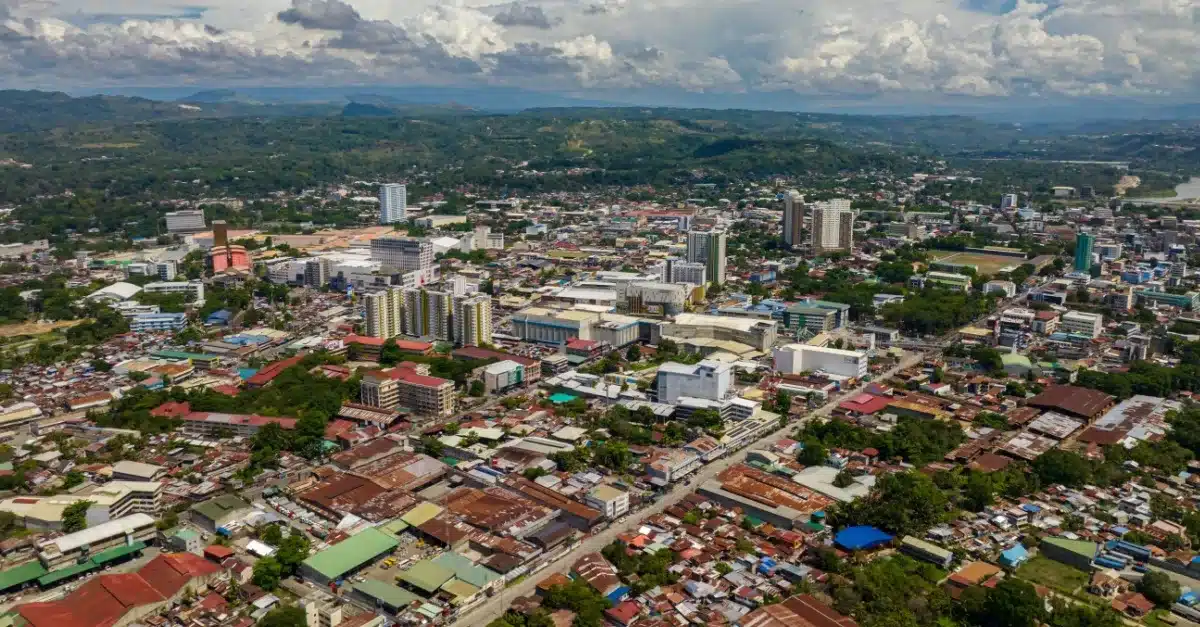
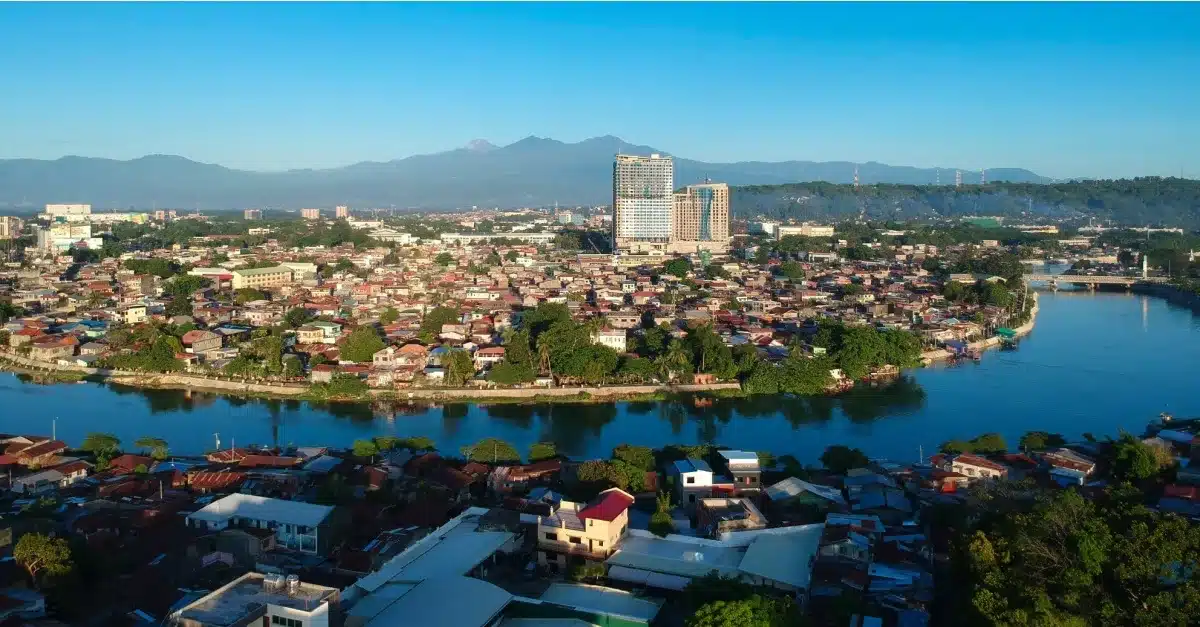
A regional trial court in General Santos City has allowed the South Cotabato II Electric Cooperative (SOCOTECO II) to continue discussions with Razon-led Ignite Power after rejecting a request to temporarily stop negotiations over the electric cooperative’s (EC) proposed modernization initiative.
In an order dated July 6, RTC Branch 35 Judge Roel John M. Ladeza denied a petition seeking a temporary restraining order and a writ of preliminary injunction against SOCOTECO II’s board and Ignite Power.
The petition was filed by six member-consumer-owners (MCOs) of SOCOTECO II, who argued that the EC should prioritize converting into a stock cooperative under the Cooperative Development Authority.
The court, however, ruled that the petitioners failed to demonstrate a legal basis for the extraordinary remedies they sought. Ladeza said the law grants the option to convert into a stock cooperative to the EC itself, not to individual members, and noted that SOCOTECO II’s bylaws do not empower members to initiate such a conversion.
The court also found the alleged harm to be speculative, emphasizing that Board Resolution No. 28 merely authorizes negotiations and does not prevent the EC from pursuing conversion in the future.
“The extraordinary remedies sought cannot issue based on rights that remain subject to judicial determination or injuries that are merely anticipated or contingent,” stated the order.
Ignite Power has also maintained that no formal negotiations have taken place and that any eventual partnership would still require approval from SOCOTECO II’s MCOs through a democratic vote.
SOCOTECO II continues to face criticism over recurring outages, aging infrastructure, and unreliable service. Consumers are urging faster system upgrades, warning that prolonged delays could further disrupt households, businesses, and the local economy.
(Also read: Grid Modernization Becomes Critical Bottleneck in Energy Transition as Electric Cooperatives Struggle)
Former NEA Chief Faces Scrutiny After Opposing EC Privatization
Recently, former National Electrification Administration (NEA) administrator Edgardo Masongsong criticized proposals to privatize large ECs, including SOCOTECO II, when they face operational or financial challenges.
The NEA is responsible for overseeing ECs and helping strengthen their operations, financial stability, and ability to provide reliable electricity services.
Speaking in a podcast, Masongsong said the NEA’s role is to assist ECs instead of weakening or replacing them through privatization.
“Of course there would be problems that need to be addressed,” he argued. “But that is where the mandate of the NEA comes in: it must empower and enable, not disempower and disenable.”
His remarks come five years after his removal from the NEA, which stemmed from corruption allegations. In 2021, then-President Rodrigo Duterte terminated Masongsong after the Presidential Anti-Corruption Commission (PACC) concluded that he violated the Anti-Graft and Corrupt Practices Act by allowing 121 ECs to finance the 2019 campaign of the Philreca party-list.
The Court of Appeals later upheld his dismissal, ruling that he committed grave misconduct by failing to stop state-regulated ECs from engaging in partisan political activities.
The timing of Masongsong’s remarks is notable, coming years after his court-upheld dismissal from the NEA. His call to empower ECs now stands against the backdrop of the regulatory failures cited in the case that led to his removal from the agency.
Catanduanes Power Row Raises Questions on NEA Role
Another NEA controversy has emerged, this time involving a power supply deal in Catanduanes that has raised questions over the agency’s role in EC decisions. The dispute centers on First Catanduanes Electric Cooperative (FICELCO), which serves around 62,000 consumers in the island province, and its efforts to secure temporary power supply amid a looming shortage.
FICELCO faced a supply gap after its 5-megawatt (MW) emergency power supply agreement (EPSA) with Sunwest Water & Electric Co. (Suweco) expired on May 15, 2026. With Catanduanes requiring around 24 MW of electricity and long-term supply procurement delayed, the cooperative opened bidding for a replacement EPSA.
Two firms submitted proposals: Vivant Corp. subsidiary Isla Dagyab Energy Corp. and SC Megaworld Construction and Development Corp. FICELCO’s technical committee initially endorsed Isla Dagyab, which offered 8 MW of diesel generation capacity, citing its stronger track record in power generation despite its higher proposed rate. The board approved the recommendation through a tiebreaker vote.
The decision was later reversed, however, after the board voted 6-1 in favor of SC Megaworld’s lower-cost offer. The company proposed a generation rate of ₱21.65 per kilowatt-hour (kWh), compared with Isla Dagyab’s ₱29.53/kWh, and offered a lower fuel consumption factor of 0.26 liters/kWh versus 0.28 liters/kWh.
The reversal prompted NEA action. Six FICELCO directors who supported SC Megaworld’s proposal received show-cause orders and were later placed under 90-day preventive suspension by the agency.
The controversy grew after allegations surfaced that NEA may have intervened in the procurement process, including claims that preparations for an 8-MW diesel facility had begun before the bidding was completed. The agency has yet to provide public responses to several questions regarding its involvement.
Consumer Group Pushes ILECO 1-MORE Power Partnership
Meanwhile, a consumer advocacy group in Iloilo is urging the Iloilo 1 Electric Cooperative (ILECO 1) to consider a joint venture with MORE Electric and Power Corp. (MORE Power) instead of competing for customers if the latter’s franchise expansion moves forward.
Bantay ng Bayan-101 (BNB-101), also known as the Movement of Iloilo Consumers for Better Electric Service, appealed on behalf of consumers in the seven municipalities of Iloilo’s 1st District: Guimbal, Igbaras, Tubungan, Oton, Tigbauan, Miag-ao, and San Joaquin.
The proposal comes as House Bill 7647, filed by Rep. Janette Garin, seeks to expand MORE Power’s service area beyond Iloilo City. The measure has already passed the House of Representatives and may proceed in the Senate.
BNB-101 said a partnership would provide a more practical solution than a prolonged competition between utilities. Regional director Raul Cordova warned that ILECO 1 could risk losing customers if consumers shift to MORE Power for better service, making a future partnership more difficult.
BNB-101 pointed to the 2024 MORE Power-CENECO joint venture as a possible model, noting that Negros Power’s customer base grew from 177,737 in August 2024 to nearly 300,000. The group said a similar partnership could help modernize ILECO 1 while reducing the need for costly network expansion, with several sectoral groups and local governments already backing the proposal through resolutions.
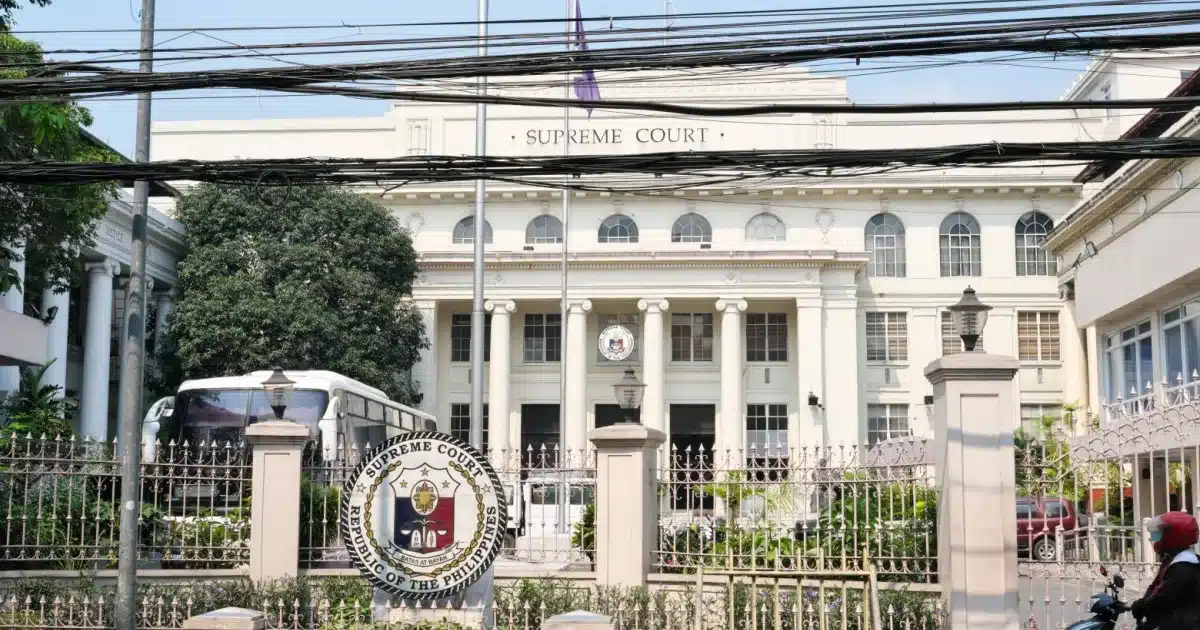
ILECO 1, along with ILECO 2 and 3, previously faced scrutiny over electricity costs and service concerns following MORE Power’s expansion into their franchise areas. The issue reached the Supreme Court, which upheld MORE Power’s entry, ruling that ECs do not have exclusive franchise rights and that competition could improve consumer choice, reliability, and affordability.
(Also read: Energy Transition or Energy Illusion?)
Why Private Partnerships Cannot Be Ignored
As the rainy season begins, millions of Filipinos in rural areas again face heightened risks from power disruptions. However, beyond the impact of severe weather, recurring blackouts and unreliable electricity services have also highlighted long-standing weaknesses among some ECs.
In a commentary by Jan Ecosio of Bandera, he attributed recurring service problems among some ECs to years of underinvestment in distribution infrastructure. Limited spending on network upgrades has left aging systems vulnerable, contributing to widespread outages and rotational brownouts during storms and other disruptions.
Ecosio cited data from the Institute of Contemporary Economics (ICE) showing that from 2022 to September 2024, seven ECs in Panay and Guimaras allocated only around 3.1% to 3.7% of their expenses toward infrastructure development. The figures raised questions about the sector’s ability to strengthen reliability amid growing electricity demand and climate risks.
He further noted that during disasters, some ECs often require assistance from larger and more experienced distribution utilities, such as Meralco, to restore power within their own franchise areas.
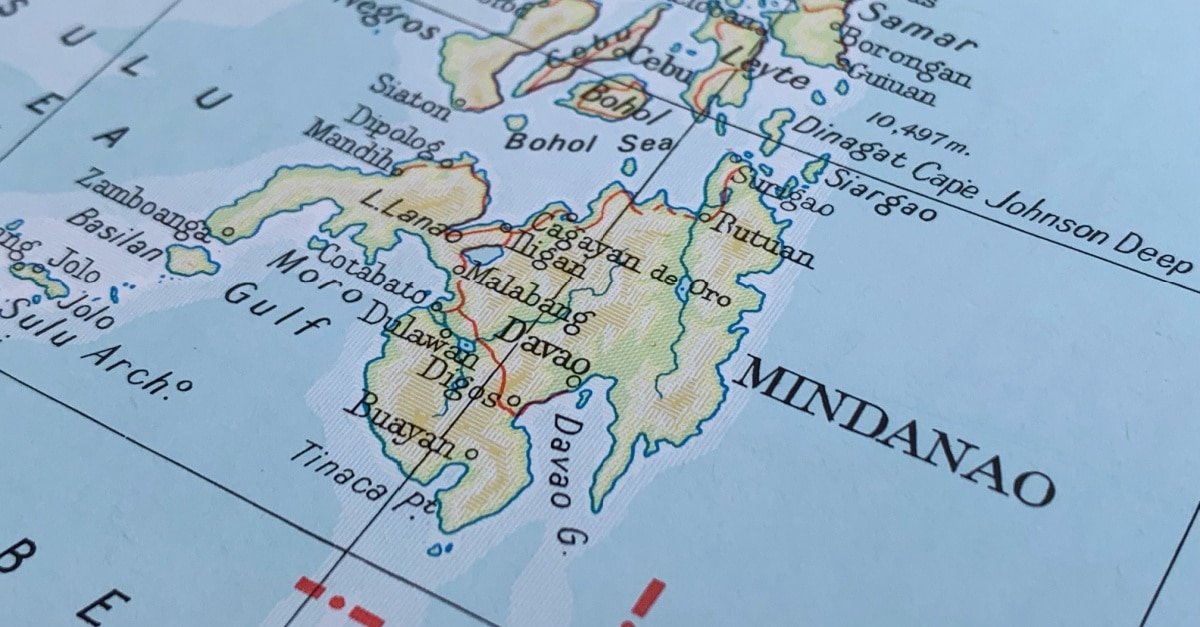
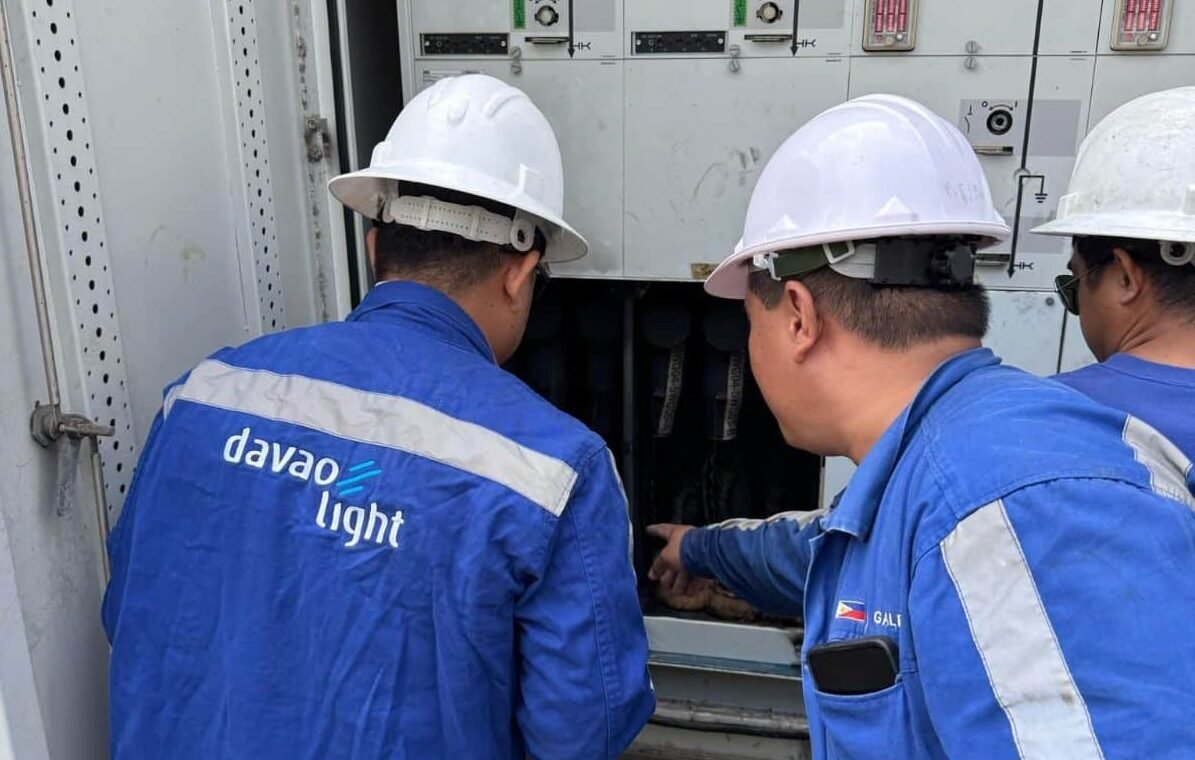
A recent example of consumers seeking alternatives to traditional ECs is the entry of the Davao Light and Power Company Inc. into areas previously served by the Northern Davao Electric Cooperative, Inc. (NORDECO). Following an Energy Regulatory Commission (ERC) directive, Davao Light assumed authority to operate, bill, and collect payments in expanded franchise areas covering the Island Garden City of Samal, Tagum City, and several municipalities in Davao del Norte.
The transition comes amid longstanding concerns over NORDECO’s performance, including financial difficulties, high electricity rates, and recurring service interruptions. The EC was previously suspended from the Wholesale Electricity Spot Market (WESM) over a ₱318.4-million unpaid obligation.
Meanwhile, Davao Light has begun strengthening supply reliability through infrastructure investments, including a submarine cable project connecting Samal Island to address persistent power constraints. The shift highlights growing consumer demand for more reliable electricity services and stronger distribution performance.
ECs Face Pressure to Evolve
Recent developments show that ECs are facing a defining moment. Questions surrounding governance, regulatory oversight, service reliability, and infrastructure investment have placed greater pressure on the sector to address long-standing issues.
While ECs continue to play an important role in bringing electricity to underserved communities, maintaining public trust will require more than preserving the status quo. Stronger accountability, improved management, and greater investment in distribution networks will be crucial to ensuring they can meet rising consumer expectations.
As private sector partnerships and alternative models gain attention, the challenge for ECs is to adapt while keeping consumer welfare at the center of their mission. The future of rural power service will depend on whether cooperatives can embrace reforms that deliver more reliable, affordable, and resilient electricity.
Sources:
https://tribune.net.ph/2026/07/11/court-clears-way-for-razon-firms-talks-with-south-socoteco-ii-2
https://www.dailyguardian.com.ph/blog/group-pushes-ileco-1-more-power-joint-venture
https://www.pna.gov.ph/articles/1278788
https://opinion.inquirer.net/190404/the-myth-of-coexistence-why-nordeco-must-finally-honor-the-law