Table of Contents
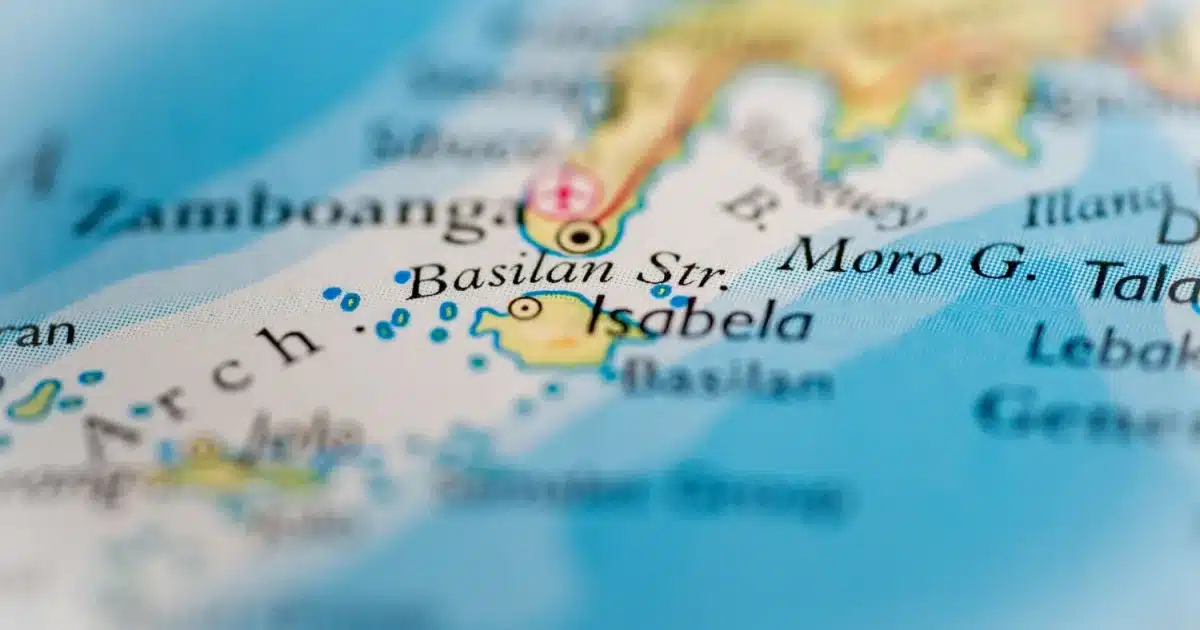
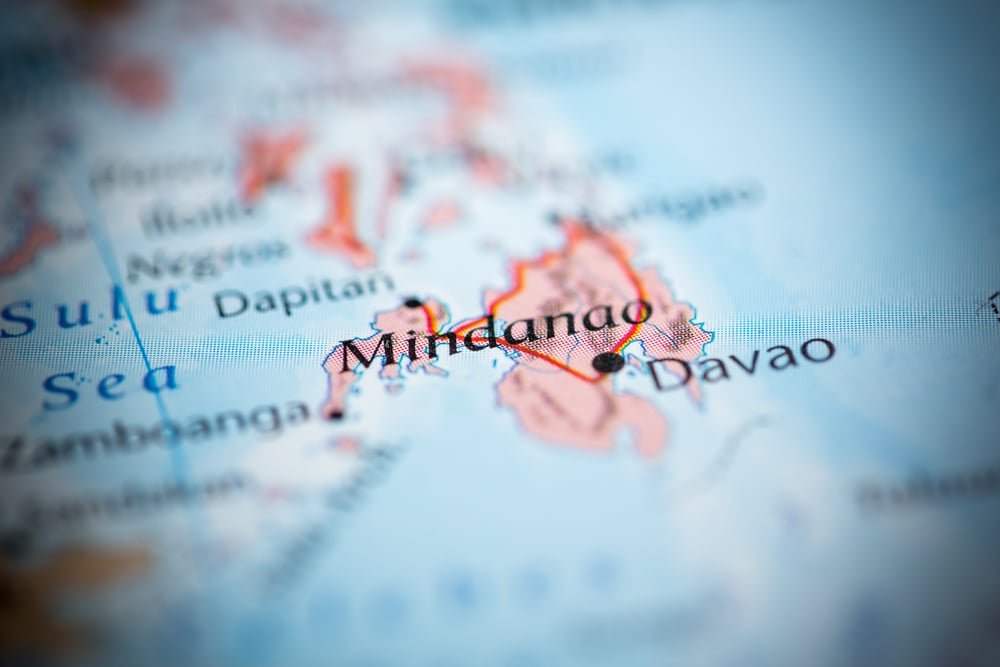
The Department of Energy (DOE) has intensified inspections and restoration efforts across southern Mindanao after a powerful magnitude 7.8 earthquake struck off the coast of Sarangani, disrupting power facilities and prompting a comprehensive assessment of critical energy infrastructure.
Following a directive from President Ferdinand Marcos Jr. to inspect key facilities, the DOE activated its disaster response protocols and mobilized its Task Force on Energy Resiliency to coordinate with electric cooperatives, distribution utilities, transmission operators, and oil industry stakeholders in determining the extent of damage caused by the quake.
The earthquake struck near Maasim, Sarangani, at 7:37 a.m. on Monday, according to the Philippine Institute of Volcanology and Seismology (Phivolcs), which also issued a tsunami alert. The Philippines regularly experiences seismic activity due to its location along the Pacific Ring of Fire.
Energy Facilities Under Assessment
“The DOE is currently consolidating reports on the condition of power lines, substations, distribution facilities, fuel depots, retail stations, and other energy infrastructure to determine whether any facilities have been affected,” the DOE said.
Authorities are also conducting continuous monitoring to ensure the uninterrupted supply of electricity and petroleum products in communities affected by the earthquake.
Energy Secretary Sharon Garin directed all stakeholders to prioritize the restoration and protection of facilities essential to emergency response and public welfare, including hospitals, evacuation centers, water systems, communication networks, and other critical installations.
While electricity service has already been restored in several areas, Garin emphasized that significant work remains in communities still experiencing power disruptions.
Power Plants Affected
Initial assessments showed that several major power generation facilities in Mindanao were affected by the earthquake.
The two generating units of San Miguel Corp.’s Malita coal-fired power plant in Davao Occidental, with a combined capacity of 300 megawatts (MW), remain offline following the quake. Unit 1 is targeted for restoration by June 10, while Unit 2 is expected to return to service by June 13.
Meanwhile, the two generating units of the Sarangani Energy Corp. coal-fired power plant, which have a combined capacity of 237 MW, were placed under emergency shutdown as inspections continue. Both units were initially targeted for restoration by June 10, subject to the outcome of ongoing safety assessments.
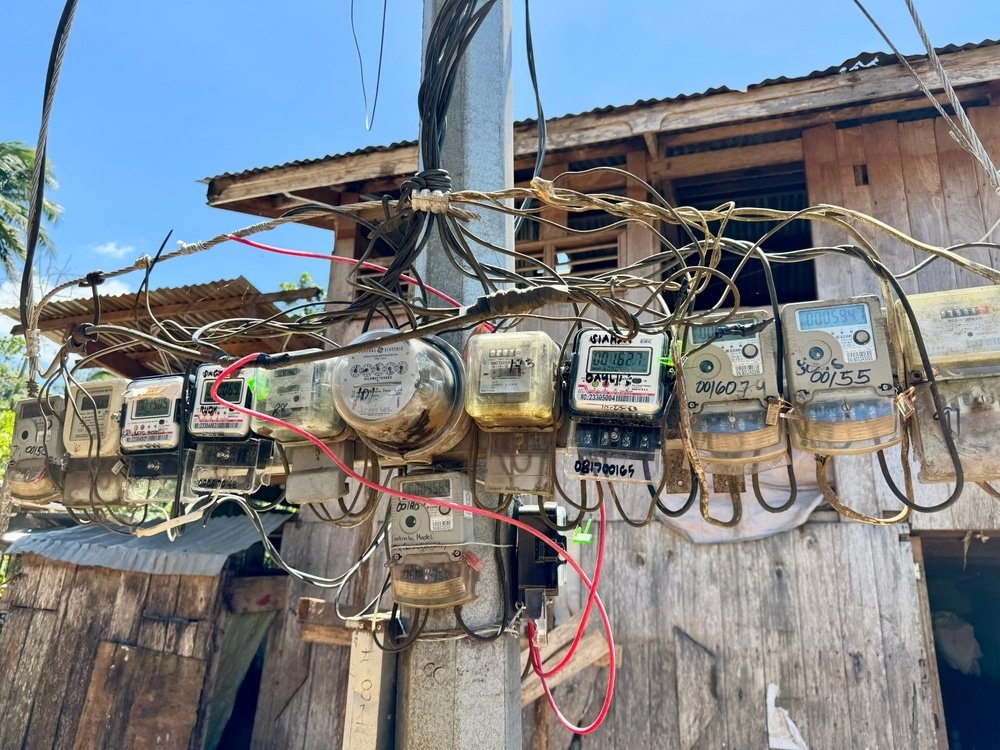
In off-grid areas, diesel power plants in Sarangani have continued operating normally. However, damage to local distribution lines has affected 1,149 consumer connections, with restoration activities continuing.
The quake also disrupted operations of Power Source Philippines Inc. (PSPI), the microgrid provider serving Balut Island in Davao Occidental. The outage affected 949 households across eight barangays, with restoration of plant facilities targeted by June 16.
Transmission Recovery
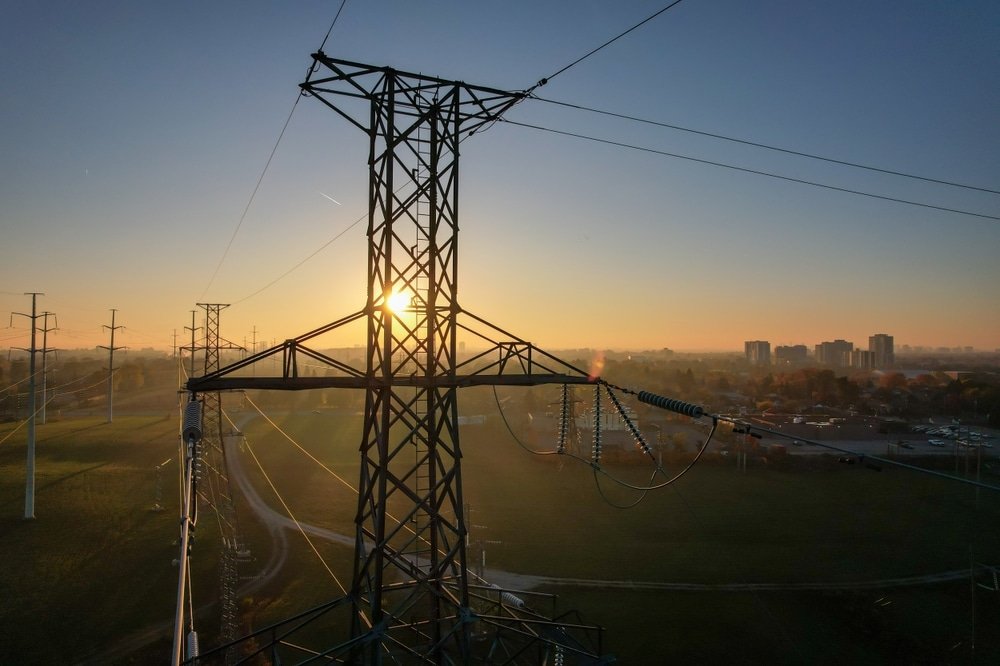
The National Grid Corp. of the Philippines (NGCP) said it is continuing to assess the condition of the transmission network in southwestern Mindanao while carrying out restoration work in affected areas.
According to NGCP, several transmission lines serving Davao del Sur, Davao Occidental, Davao de Oro, Davao Oriental, Maguindanao del Norte, Maguindanao del Sur, Sarangani, South Cotabato, North Cotabato, and Sultan Kudarat were affected by the earthquake.
Transmission services in Davao del Sur, Davao Occidental, Davao de Oro, and Davao Oriental were restored by around 8:20 to 8:30 a.m. on Monday. Full restoration was also achieved in Maguindanao and neighboring provinces, including North Cotabato and Sultan Kudarat, later in the morning.
However, transmission services in Sarangani, including General Santos City, remained unavailable as of the latest assessment. The Matanao-General Santos 138-kilovolt Line 2 also remains out of service, while two transformers at the General Santos substation are still undergoing evaluation.
NGCP noted that transmission services in northeastern, northwestern, north central, and Lanao areas remained stable despite the strong earthquake.
Restoration Teams Deployed
On the distribution side, restoration efforts have progressed in several service areas.
South Cotabato I Electric Cooperative Inc. (SOCOTECO I) has returned to normal operations following a total power interruption. However, Davao del Sur Electric Cooperative Inc. (DASURECO) and South Cotabato II Electric Cooperative Inc. (SOCOTECO II) continue to experience partial outages affecting a combined 157,263 consumer connections.
Davao Light and Power Co. likewise reported partial service interruptions affecting about 500 customers.
To accelerate restoration work, the DOE, in coordination with the National Electrification Administration (NEA), activated Task Force Kapatid (TFK) and deployed personnel to assist electric cooperatives and distribution utilities on the ground.
“TFK will be working alongside our electric cooperatives and distribution utilities to accelerate restoration efforts and reinforce local response capacities,” Garin said.
The DOE said it will continue to consolidate field reports and coordinate with industry participants as restoration and safety inspections proceed across the quake-hit areas of Mindanao.
Source:
https://mb.com.ph/2026/06/09/doe-races-to-restore-power-after-mindanao-quake
https://business.inquirer.net/594239/energy-sector-assesses-impact-of-strong-mindanao-quake