Table of Contents
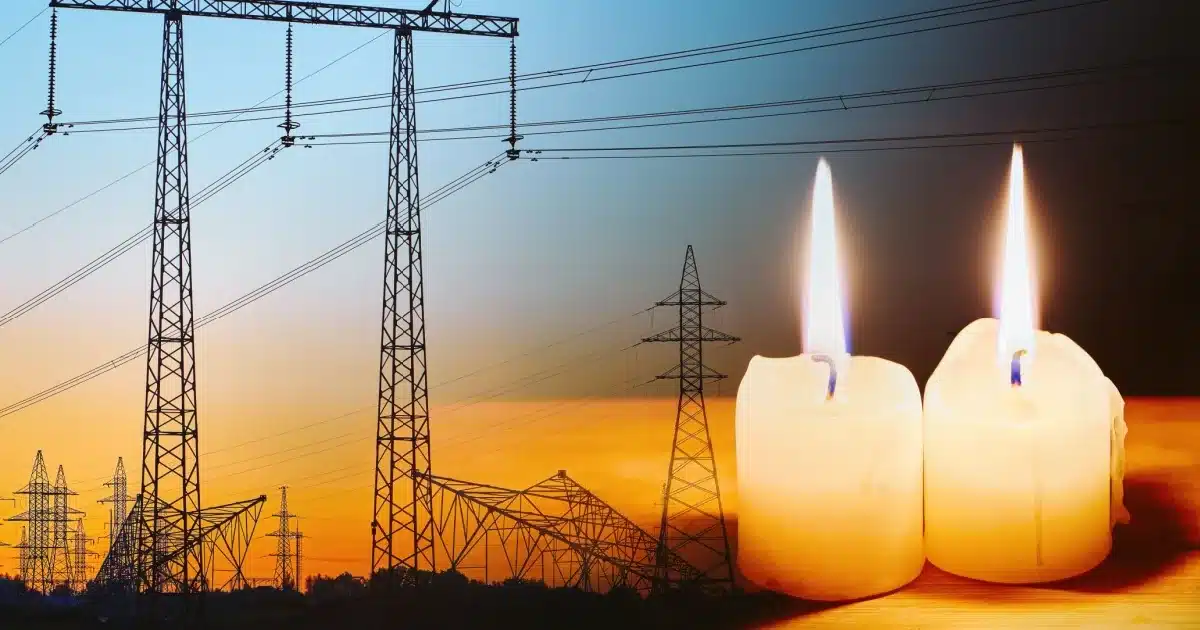
President Ferdinand Marcos Jr.’s State of the Nation Address (SONA) came amid economic strain: high inflation, weak employment, and rising costs of basic goods. Electricity prices have long been a source of concern, with consumers facing recurring bill shocks. The situation worsened with waves of red and yellow alerts in Luzon and the Visayas, as tight supply and high demand drove prices higher.
Against this backdrop, Marcos’ promise to prioritize lower electricity bills was met with enthusiasm. The goal is welcome, but whether abolishing system loss charges is the right path is less clear. Will removing the charges actually lower electricity costs and ease the burden on consumers?
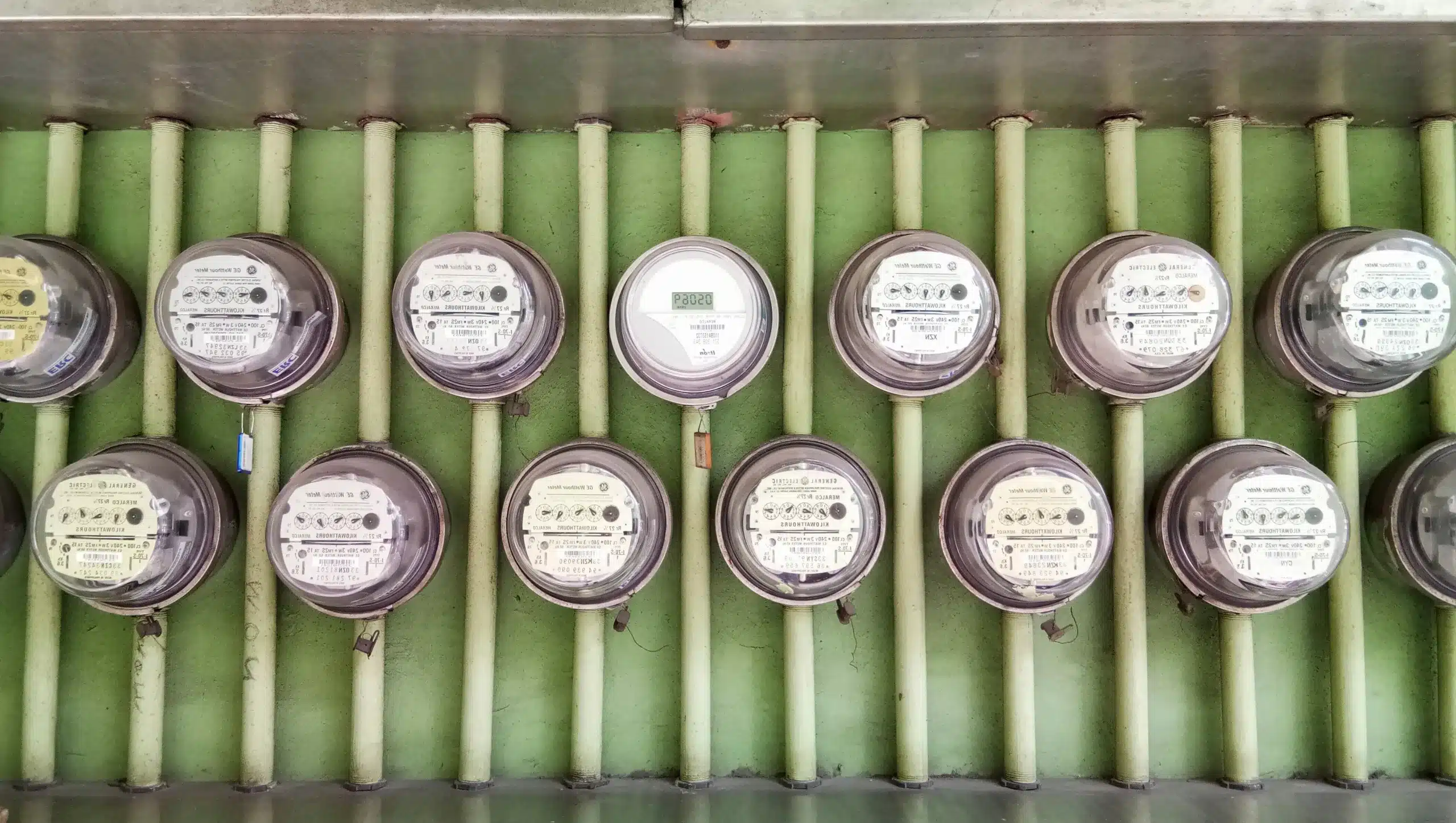
Among the first to push back were distribution utilities (DUs), unsurprisingly. Meralco, the country’s largest private DU, warned of the financial impact of scrapping the system loss charge. Its chairman, Manuel V. Pangilinan, strongly opposed the proposal, saying it “will cost the distribution sector tens of billions of pesos.”
While the policy would undoubtedly cut into Meralco’s revenue, the stakes are even higher for electric cooperatives (ECs), many of which operate with limited technical resources across vast, difficult-to-reach rural areas. For them, system loss charges are not a minor revenue stream but a key source of financial stability. Removing the charge could leave some cooperatives struggling to pay generators and transmission providers, potentially leading to outages and other issues.
(Also read: Consumer Groups, Electric Cooperatives Call For Balanced Reforms On System Loss Charges)
System Loss: A Cost of Power Distribution
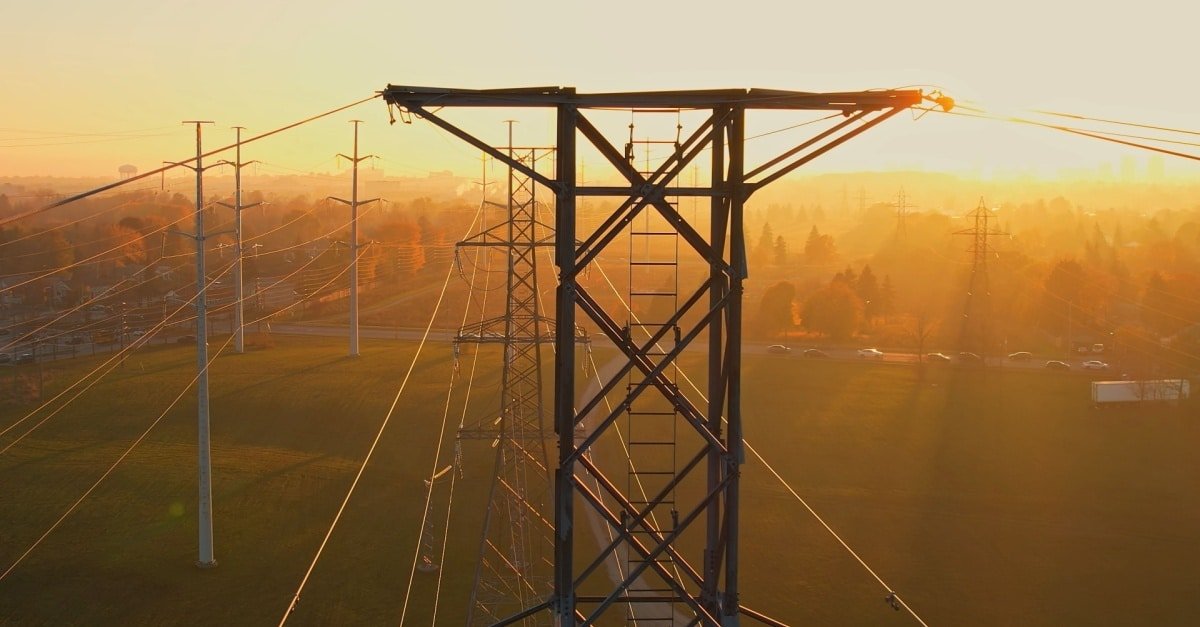
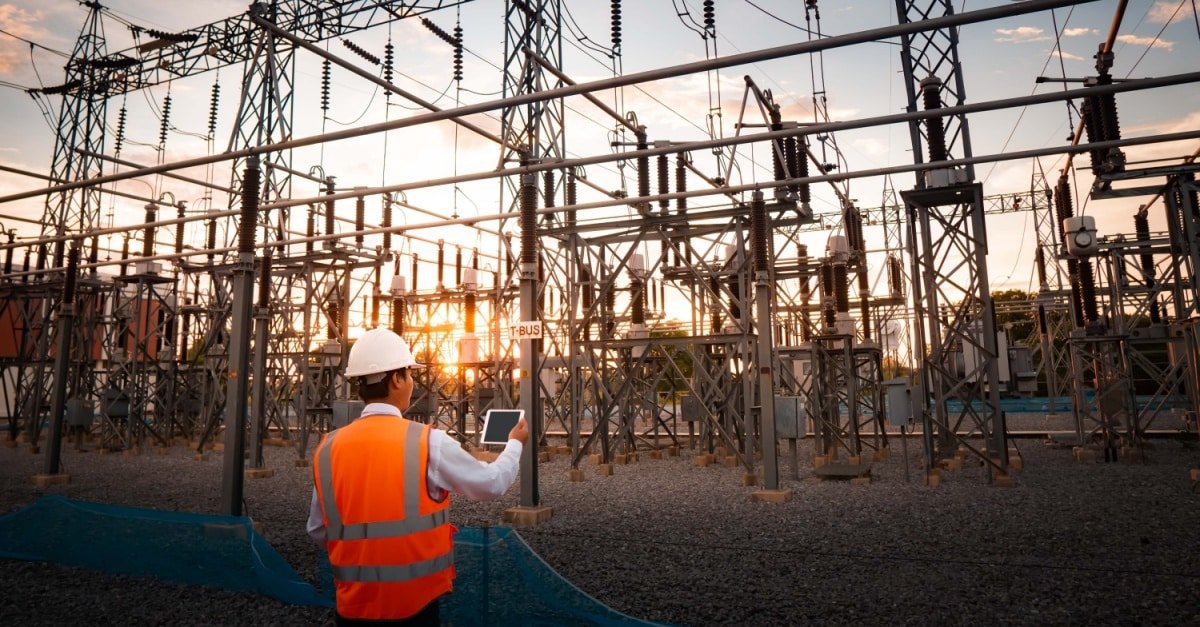
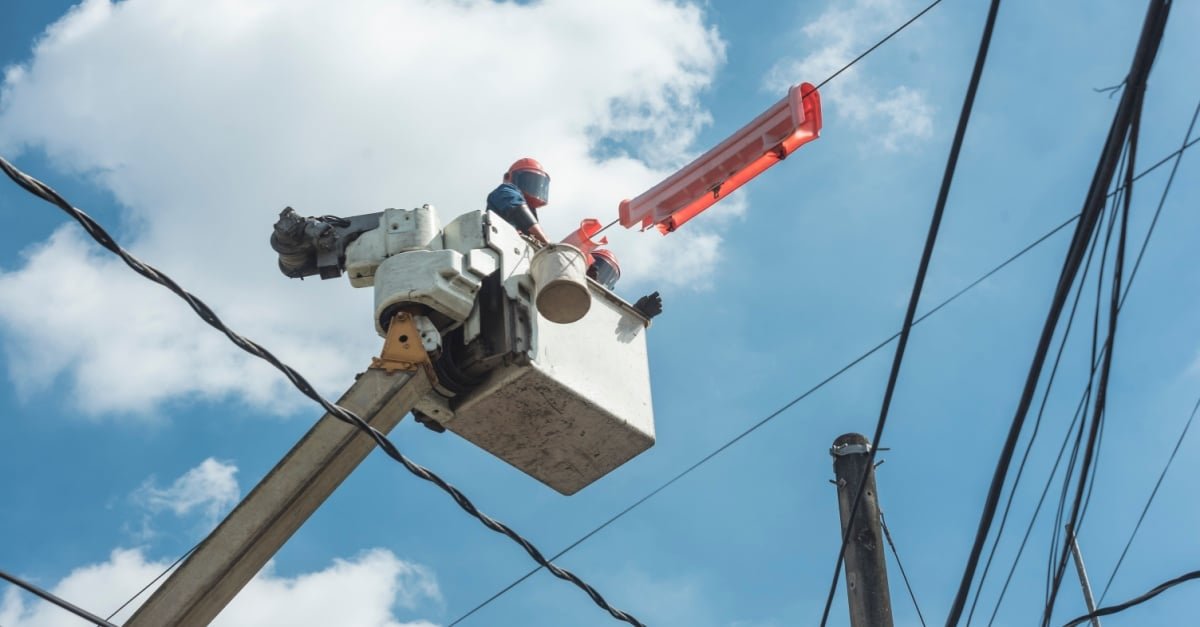
Electricity is an invisible service built on a vast, intricate system most consumers rarely think about. Behind every light switched on and every appliance running is a chain of power plants, transmission lines, substations, transformers, and distribution networks, supported by thousands of workers keeping the grid running around the clock. For consumers, however, all that complexity ultimately comes down to one tangible thing: the monthly electric bill.
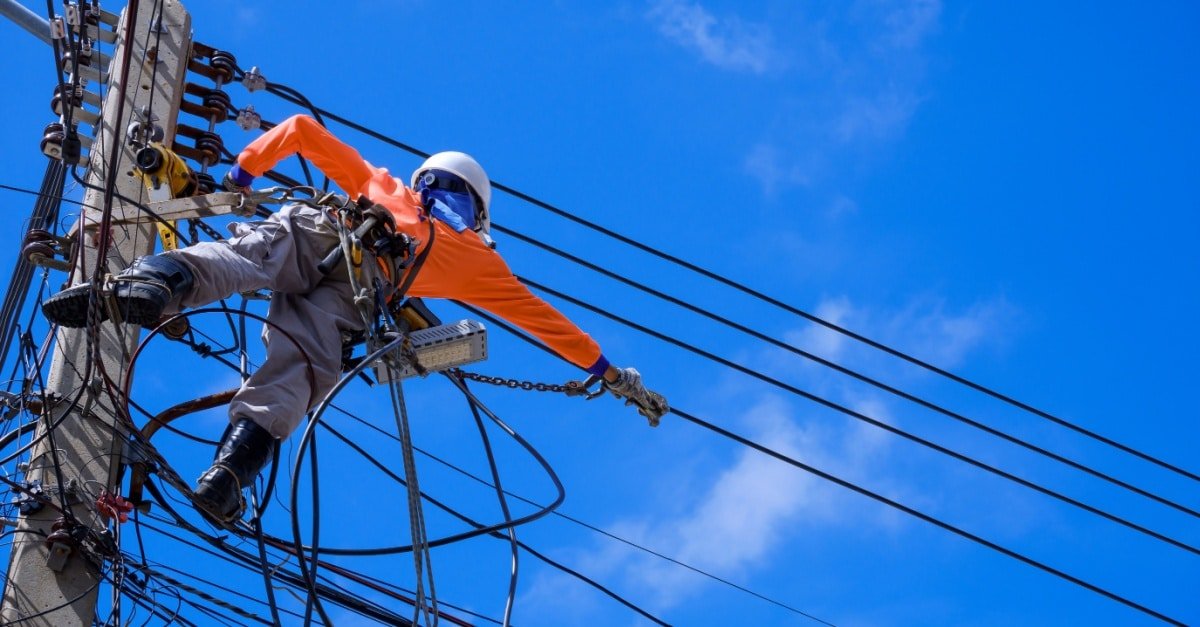
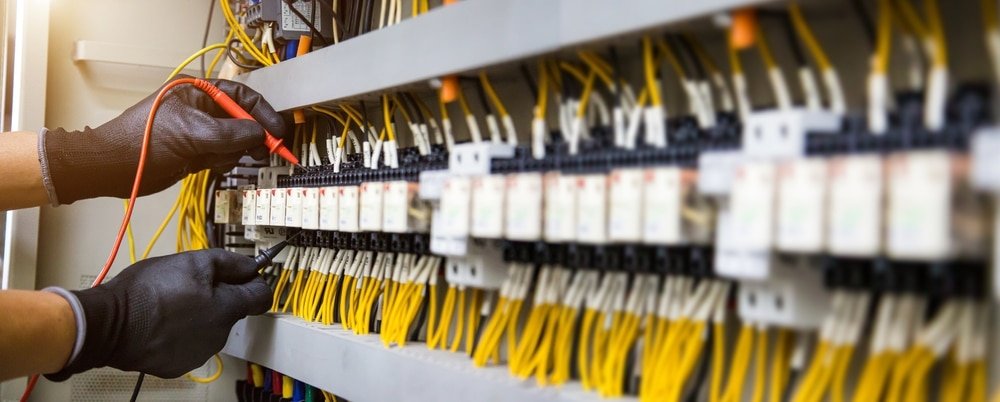
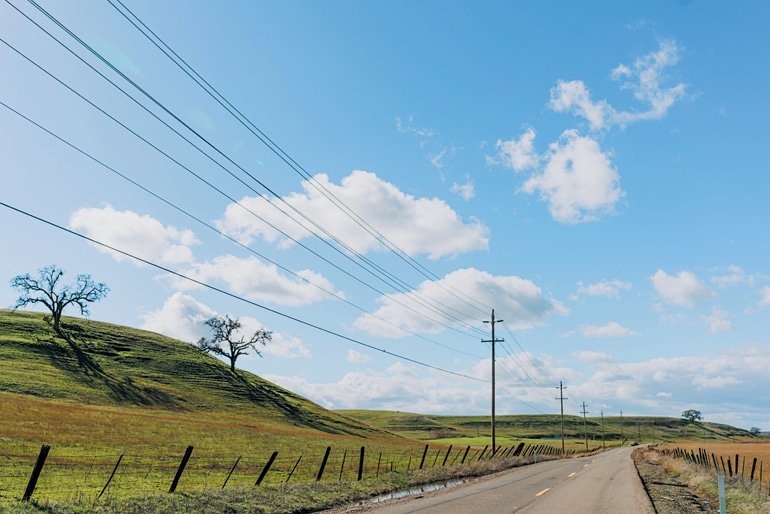
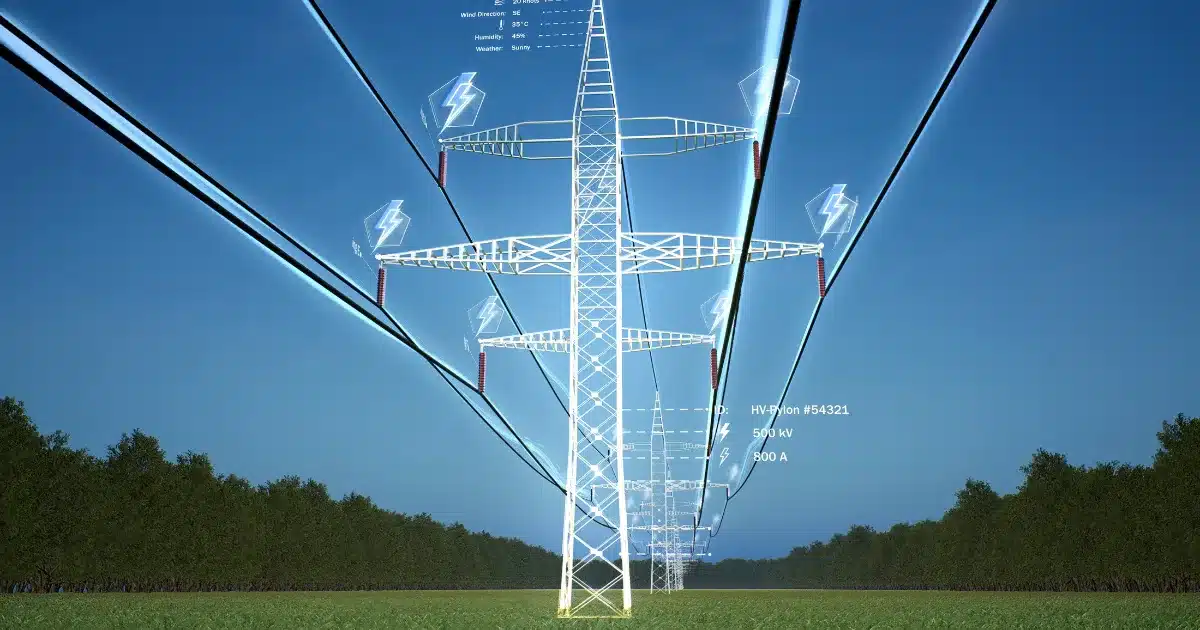
System loss broadly falls into two categories: technical and non-technical. Technical losses are an inherent part of moving electricity through the grid. As power travels through wires, transformers and other equipment, some energy is inevitably dissipated, primarily as heat.
Non-technical losses, by contrast, stem from human and operational factors. These include power theft, unauthorized connections, metering problems and other inefficiencies. Unlike technical losses, they can be reduced through measures such as improved monitoring, upgraded technology and stronger enforcement.
However, system loss is a physical limitation of electricity distribution, not a problem unique to any particular utility or country.
Even the world’s most advanced systems register some electricity lost during transmission and distribution, with the most efficient grids typically keeping losses around 3% to 5%. Across Asia, Japan, South Korea and Singapore are among the most efficient, while Malaysia, Thailand, Indonesia and Vietnam generally record losses of 6% to 8%. Larger or less efficient systems can see significantly higher rates, with Cambodia at about 12%.
The same pattern holds in advanced economies: Germany and Canada are around 4% to 5%, the US and Australia roughly 5% to 7%, and the UK and Spain about 6% to 9%. Higher-loss systems include Mexico and Brazil, at roughly 10% to 15%.
In the Philippines, utilities are allowed to pass a portion of system losses on to consumers, but not without limits. The Energy Regulatory Commission (ERC) sets recovery caps at roughly 5.5% to 6.5% for private DUs and 12% to 12.5% for ECs. Any losses above the prescribed thresholds must be absorbed by the utility rather than charged to customers.
How these costs appear on consumers’ bills varies by market. In the Philippines, system loss is typically shown as a separate charge on electricity bills, giving consumers a clearer view of what they are paying for. In many other countries, the same costs are folded into broader electricity or distribution rates and do not appear as a distinct line item.
Manila Bulletin’s Myrna Velasco emphasized that system losses are an unavoidable feature of electricity distribution, even in the world’s most efficient grids. “The goal is not zero loss, but lower loss achieved through smarter engineering approaches and massive investments that must be prudently recovered,” she wrote. “If you starve utilities of investment recoveries, the outcome will not be cheaper electricity, but weaker grids and unreliable power. A world-class power grid cannot be built on empty pockets.”
System Losses Have Declined Since EPIRA
The roots of today’s power landscape can be traced to 2001, when Congress passed the Electric Power Industry Reform Act (EPIRA). At the time, the sector was burdened by power shortages, mounting financial problems, and a pressing need for investment. The law overhauled the industry, opened more space for private participation and introduced reforms aimed at improving the reliability and financial viability of the power system.
However, the rules governing system loss predate the EPIRA. Republic Act 7832 already recognized that some losses are unavoidable but limited how much utilities could recover from consumers, with the allowable rate gradually reduced from 14.5% to 9.5%.
EPIRA retained the framework while giving the ERC authority to adjust the caps. The ERC subsequently lowered the limit for private DUs to 8.5% and eventually to the current 5.5% of feeder energy.
Boo Chanco of the Philippine Star pointed to the distribution sector’s progress in bringing system losses down. The more severe losses were seen among provincial ECs, some of which recorded rates above 40% or even 50%, which the columnist attributed to poor management and political interference. But from nearly 13% in 2003, about two years after EPIRA took effect, the national average had dropped to around 8% by 2025, driven by grid upgrades, better operations and efforts to curb power theft.
“While there is always room for further improvement, this steady decline over the past two decades shows that if the concern is rising electricity prices, system loss is clearly not the driver,” highlighted Chanco.
(Also read: Did NORDECO Deserve to Lose Its Franchise Areas to Davao Light?)
The Real Road to Lower Power Bills
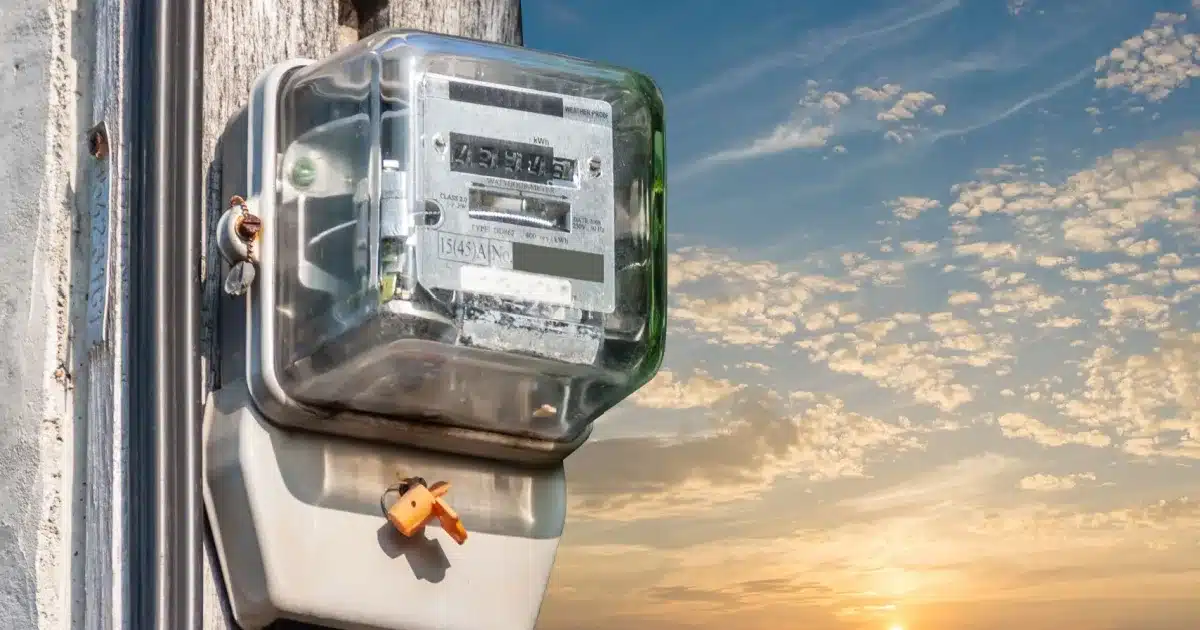
In reality, system loss accounts for only a small share of a typical electricity bill, at least in the country’s largest distribution utility. Meralco’s current bill breakdown, for example, puts the system loss component at about 5% of the total bill, compared with 64% for generation charges, 8% for transmission, and 11% for taxes, subsidies and other charges.
Additionally, technical losses, which inevitably occurs due to electrical resistance, account for roughly 70% of total system losses, making the complete elimination of system loss unrealistic.
If the goal is genuinely lower electricity bills, abolishing the system loss charge may offer the appearance of savings without addressing the real cost of delivering power. The electricity that is lost in transmission and distribution does not simply disappear from the balance sheet when the charge is removed. The cost still has to be recovered somewhere, whether through other components of the bill, subsidies or reduced investment in the grid.
There is also a longer-term risk. A policy that abruptly changes the rules for recovering legitimate distribution costs could make investors more cautious about putting capital into the power sector. Greater uncertainty can translate into higher financing costs, which could eventually find their way back to consumers. A measure intended to make electricity more affordable could, ironically, make the system more expensive to maintain and improve.
That does not mean high electricity bills should simply be accepted. Far from it. The more productive question is where the highest costs actually come from and which reforms can bring them down without compromising the reliability of the grid. That means looking beyond system loss and examining generation costs, the competitiveness of the power market, transmission constraints, fuel costs, taxes and other charges that make up the final bill.
The growing scrutiny of electricity pricing is a welcome development. Consumers deserve to understand not only how much they pay, but why they pay it. And policymakers need to distinguish between measures that genuinely reduce costs and those that merely move them from one line item to another.
The path to affordable electricity requires reforms grounded in economics, engineering and the realities of the power sector—not solutions that simply make costs less visible.
Sources:
https://www.manilatimes.net/2026/08/02/opinion/columns/the-system-loss-challenge/2396420
https://www.philstar.com/business/2026/08/06/2547224/understanding-system-loss
https://bworldonline.com/opinion/2026/08/05/768044/the-real-cost-of-mishandling-system-loss/
https://mb.com.ph/2026/08/03/scrapping-system-loss-why-that-sona-promise-may-never-happen
https://www.philstar.com/business/2026/08/03/2546504/system-loss-charge
https://www.meralco.com.ph/residential/billing-payment/understanding-your-bill/breakdown-charges
https://tribune.net.ph/2026/07/29/system-loss-vow-draws-fire