Table of Contents
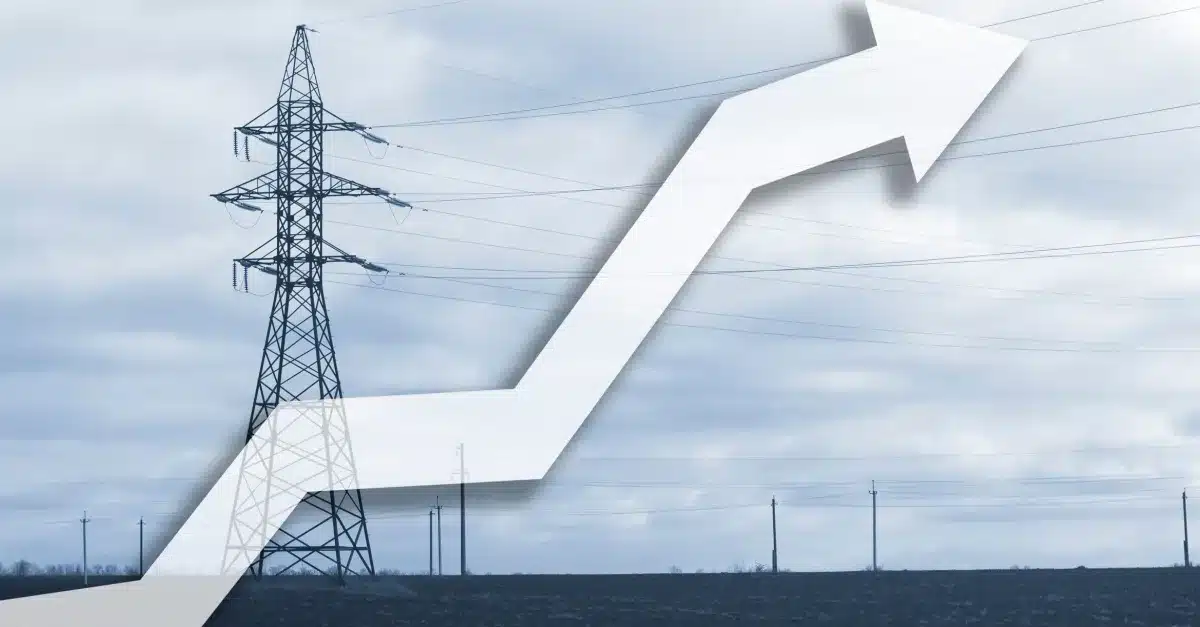
Consumer advocates and electric cooperatives have voiced support for efforts to lower electricity costs but cautioned that proposals to abolish system loss charges should be accompanied by broader reforms to prevent unintended consequences for both consumers and power distributors.
The Davao Consumers Movement (DCM) said President Ferdinand R. Marcos Jr.’s proposal to remove the system loss charge from electricity bills could provide immediate relief to households, particularly if the corresponding 12 percent value-added tax (VAT) is also removed.
However, the group warned that eliminating the charge without addressing the underlying cost-recovery mechanism could simply shift the burden to another component of consumers’ electric bills.
Electric cooperatives, meanwhile, said they share the goal of lowering power costs but warned that completely removing system loss charges without government support could weaken rural power distribution and undermine electrification efforts in the provinces.
Need For Comprehensive Reforms
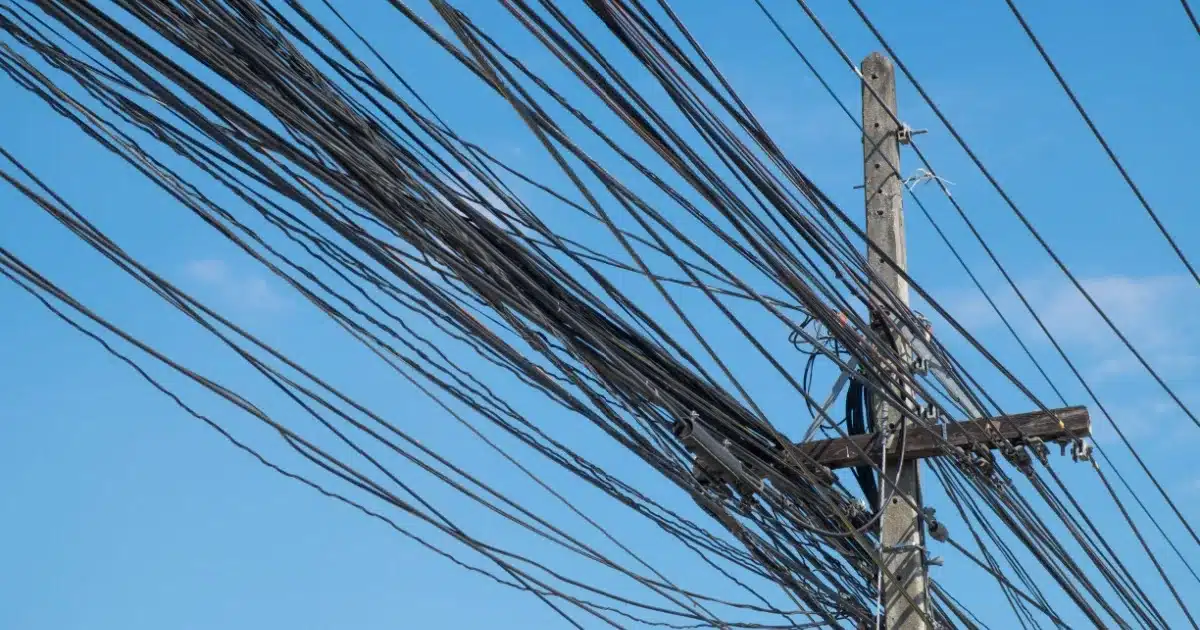
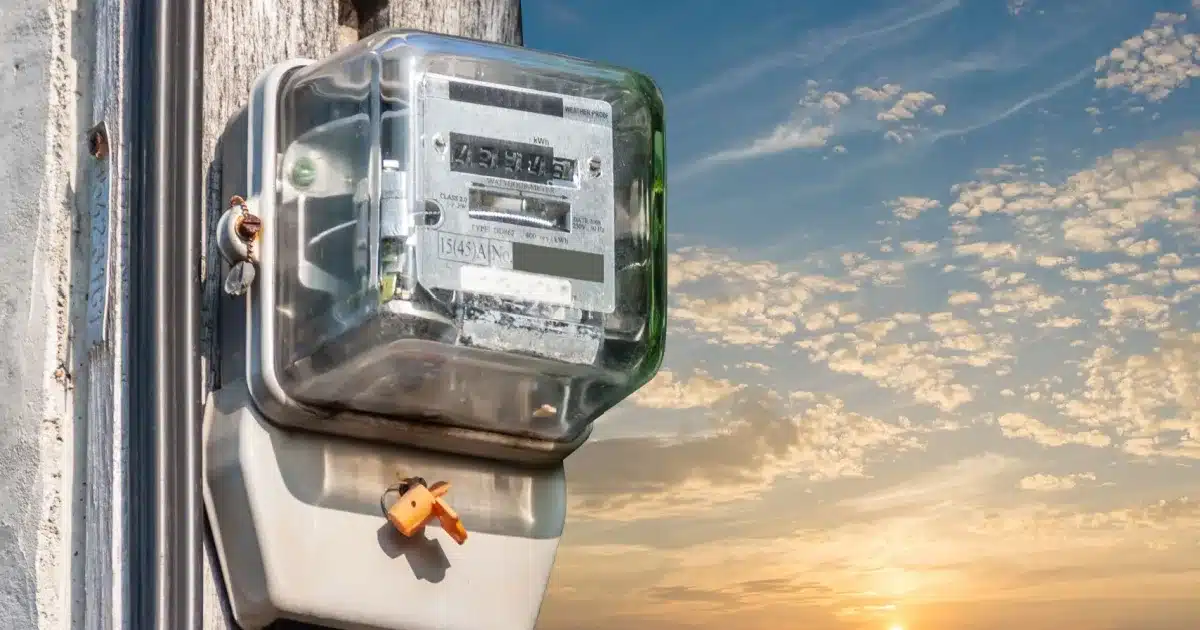
The DCM said system loss charges represent the cost of electricity already purchased by distribution utilities and electric cooperatives but not billed because of technical and authorized non-technical losses within distribution systems. These include electricity naturally lost as power travels through transmission lines, as well as losses arising from electricity theft and faulty metering.
The group emphasized that the charge is not an additional source of profit for distribution utilities but a mechanism for recovering legitimate operating costs.
“Without corresponding policy and regulatory changes, simply removing the system loss charge raises the question of how these legitimate costs will eventually be recovered,” the DCM said, warning that the expense could later be incorporated into another recoverable charge.
It added that any move to lower electricity costs should be supported by meaningful policy and regulatory reforms that provide lasting savings instead of merely redistributing charges within the monthly bill.
Electric Cooperatives Raise Concerns
The Philippine Rural Electric Cooperatives Association (Philreca), which represents 121 electric cooperatives nationwide, voiced concerns over the proposal from the perspective of distribution utilities.
Jose Raul Saniel, Philreca president and general manager of Zamboanga del Sur 1 Electric Cooperative (Zamsureco-1), said abolishing the system loss charge without government subsidies could place electric cooperatives under financial strain.
“It should not be like a zero-sum game where one side is okay, but the other side suffers. If electric cooperatives collapse because of operational losses, the economy and the public will bear the brunt,” Saniel said during a press briefing.
He stressed that technical system losses cannot be completely eliminated because electricity naturally dissipates as it passes through power lines and equipment.
“There are inherent losses. That is part of physics and thermodynamics—technical losses will always exist as electricity travels through lines,” he said.
Saniel said Philreca fully supports removing the VAT imposed on system loss charges but recommended that any reduction or removal of the charges themselves be implemented gradually to give distribution utilities time to adjust operations without affecting service reliability.
Reviewing Regulatory Policies
The DCM also urged the government to review the disparity in allowable system loss recovery between private distribution utilities and electric cooperatives.
Under existing regulations, private distribution utilities may recover up to 5 percent of system losses, while electric cooperatives are allowed to recover up to 12.5 percent. According to the group, this results in higher recoverable charges for consumers served by cooperatives.
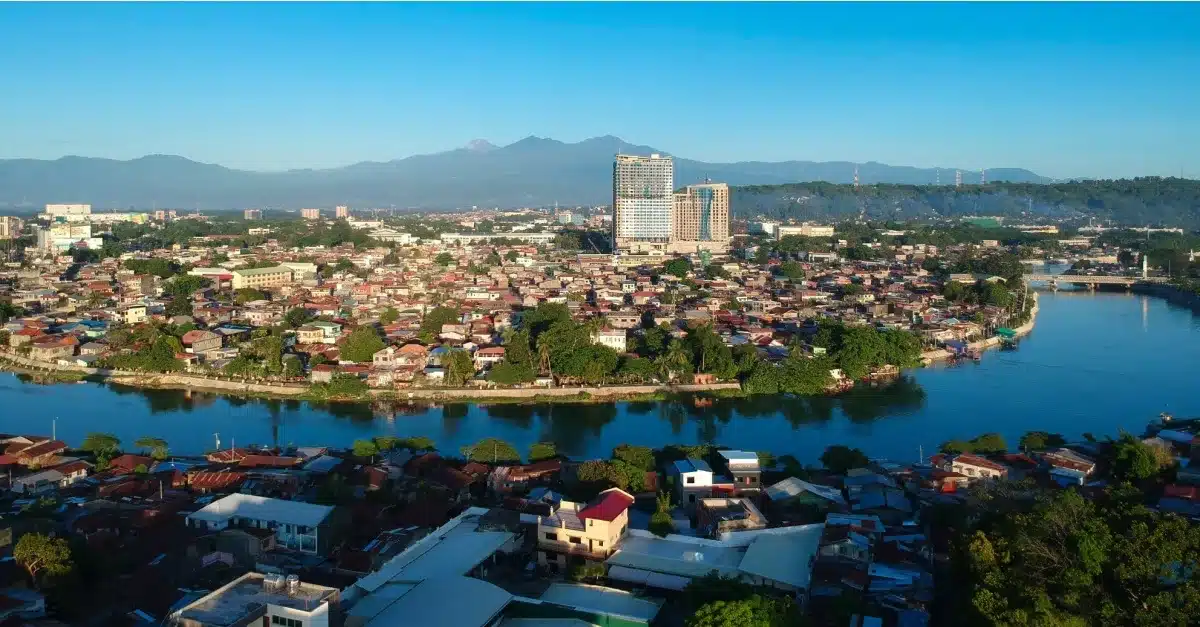
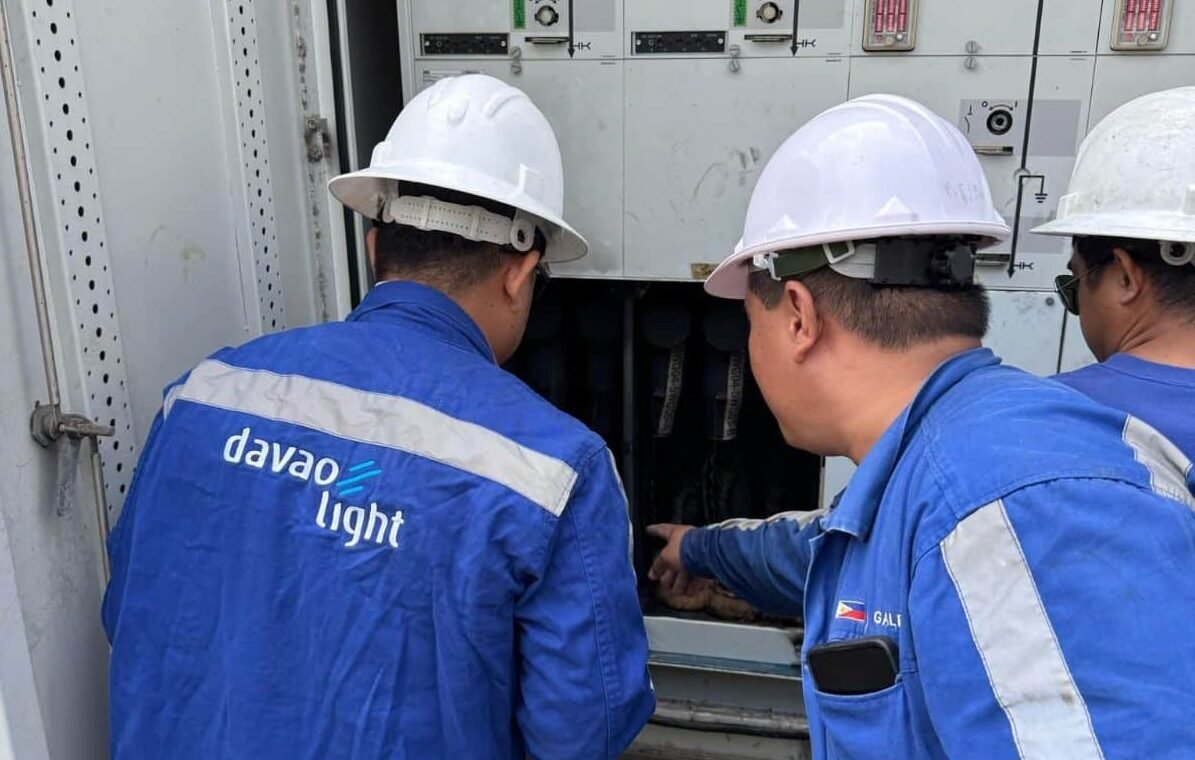
As an example, the DCM cited June 2026 billing data showing that consumers in Davao Light’s franchise area paid about ₱0.6322 per kilowatt-hour for system loss, compared with ₱1.4025 per kWh for customers of the North Davao Electric Cooperative (NORDECO).
For a household consuming 250 kWh monthly, this translates to approximately ₱158.05 under Davao Light and ₱350.62 under NORDECO.
The group proposed gradually reducing the allowable system loss recovery for electric cooperatives while providing government assistance to improve the efficiency of their distribution systems.
Electricity Bill Review
Both organizations also pointed to the need for a wider review of electricity pricing.
The DCM called on the government to examine charges imposed under the Electric Power Industry Reform Act of 2001 (EPIRA), including the Lifeline Subsidy, Green Energy Auction Allowance (GEA-All), Feed-in Tariff Allowance (FIT-All), and the VAT applied to several components of electricity bills.
It said transferring the Lifeline Subsidy to government funding and reducing or removing VAT on various bill components could provide more immediate relief while broader reforms are developed.
Philreca, meanwhile, argued that policymakers should prioritize lowering generation charges, which account for about 65 percent to 70 percent of consumers’ monthly electricity bills. Saniel noted that system loss charges comprise only about 4 percent to 5 percent of an end-user’s bill, making generation costs the area with the greatest potential for meaningful savings.
“Focusing solely on distribution systems loss misses the bigger picture,” he said.
Legislative Discussions Continue
President Marcos called on Congress during his fifth State of the Nation Address to remove system loss charges as part of efforts to reduce electricity prices. Since then, lawmakers in both houses of Congress have filed measures seeking to implement the proposal, with Senate leaders targeting passage of enabling legislation before the end of the year.
Philreca said it is actively participating in legislative deliberations and consultations with the Department of Energy and the Energy Regulatory Commission to ensure the interests of electric cooperatives and rural consumers are considered.
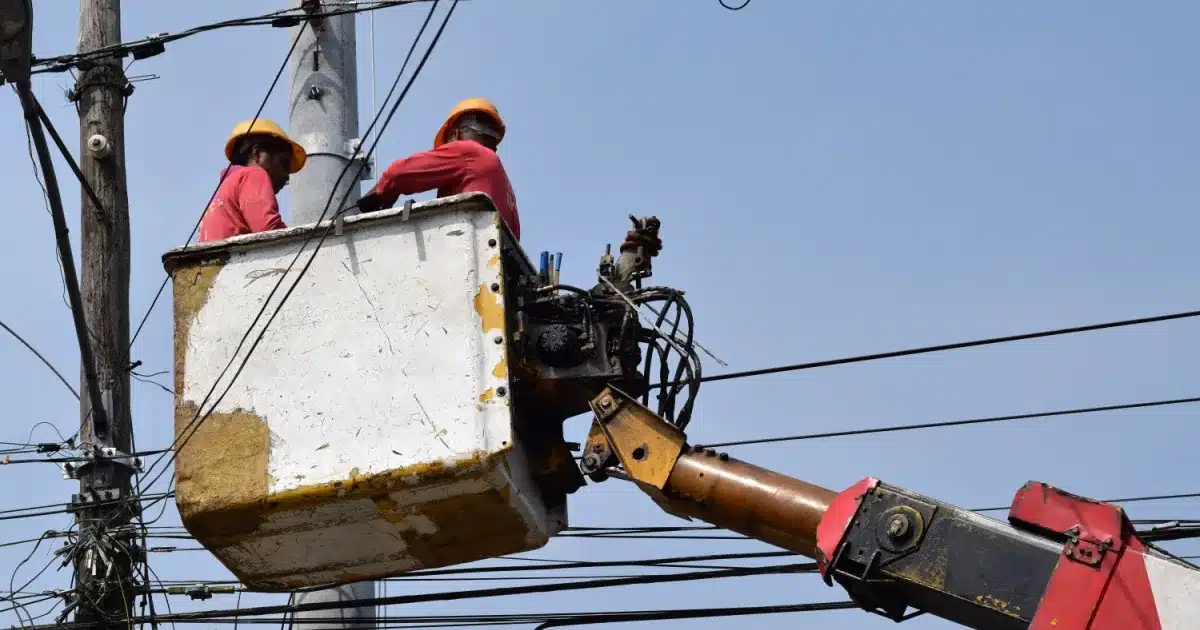
Saniel said electric cooperatives remain committed to supporting the government’s rural electrification program but warned that reforms should strike a balance between reducing consumer costs and maintaining reliable electricity service, particularly in remote and underserved communities.
Source:
https://businessmirror.com.ph/2026/08/03/group-wary-of-removal-of-system-loss-charge