Table of Contents
On May 13, 2026, sudden brownouts disrupted parts of Luzon with little warning, affecting nearly two million customers of the Manila Electric Company (Meralco) as the Luzon grid was placed under red alert. The warning was triggered after nearly 3,942.8 MW of capacity went offline, according to the National Grid Corporation of the Philippines (NGCP). In response, Meralco implemented manual load dropping on NGCP’s directive to stabilize the system under emergency conditions.
The impact quickly extended beyond Luzon. The Visayas grid was also placed under red alert as supply margins fell below required demand plus operating reserves.
Department of Energy (DOE) Secretary Sharon Garin explained that the impact extended to the Visayas, which is also dependent on electricity from Luzon. As a result, Luzon was no longer able to export sufficient power to the Visayas, further tightening supply conditions across the interconnected grids.
What was the cause of the alerts?
The DOE emphasized that the grid emergency began after multiple transmission lines tripped around 6:00 a.m., including the Ilijan–Dasmariñas and Ilijan–Tayabas lines, which effectively isolated the Ilijan Gas-to-Power Complex from the Luzon grid. This triggered the power alerts, with officials describing the situation as a cascading disruption that highlighted the severity of the transmission failures.
“These transmission failures had real consequences on grid stability and placed millions of consumers at risk,” declared DOE Secretary Sharon Garin. “The public deserves full and immediate transparency from NGCP. The DOE will ensure that all operational, reportorial, and regulatory obligations are strictly enforced in the protection of consumers.
The Energy Regulatory Commission (ERC), which regulates and oversees the country’s electricity industry to ensure compliance with technical, financial, and service standards, said it has yet to receive a formal explanation from NGCP on why the transmission tripping occurred.
ERC Legal Service Director Atty. Maria Corazon Gines stated, “Ni-require namin ang NGCP na mag-submit ng explanation, ano yung nangyari, ano yung specific date, time, duration of each red and yellow alert, ano yung areas of transmission affected, ano yung root cause, factors, ano yung mga generating units…” (We required NGCP to submit an explanation—what happened, the specific date, time, duration of each red and yellow alert, the transmission areas affected, the root cause, factors, and the generating units involved.) She added that NGCP has submitted a response, but questions remain that still need to be addressed, preventing the agency from issuing a complete assessment.
Under ERC Resolution No. 13, Series of 2010, the NGCP is required to submit an initial incident report within 60 minutes of any system disturbance. “NGCP has not submitted the required incident report identifying the root cause or causes of the 13 May 2026 tripping events, in violation of its obligations under the Philippine Grid Code,” the DOE stressed.
Others have been equally forceful in calling for accountability from the NGCP. During a radio interview, Gerry Arances, Executive Director of the Center for Energy, Ecology, and Development (CEED), said, “Dapat niyang patawan ng kaukulang penalty angNGCP at ‘yung iba pang mga companies na naging dahilan ng rotating brownouts na ‘yun.” (The NGCP and other companies responsible for the rotating brownouts should be given the appropriate penalties.) He added, “Billions ‘yan in terms of impact sa economy dahil sa businesses.” (The impact on the economy due to businesses amounts to billions.)
Meanwhile, the NGCP presented its side, pointing to a tightening power supply situation due to multiple plant shutdowns, many of which it said were linked to unplanned maintenance even before the pandemic.
NGCP spokesperson Cynthia Alabanza explained, “Sa kasamaang palad, nung May 13, nagkaroon naman ng aberya ang transmission lines ng NGCP…dahil sa pagkawala ng dalawang linyang yan, I think tatlong dagdag pa na planta ang nawala sa transmission system. Umakyat ngayon sa 4,000 megawatts yung nawala sa sistema. At dahil nawalan ka ng suplay at mataas pa ang demand, kasagsagan ng init noon, nauwi tayo sa red alert,” (Unfortunately, on May 13, there was an issue with NGCP transmission lines… because of the loss of those two lines, I think three more plants were also taken out of the transmission system. The system loss rose to 4,000 MW. And because supply dropped while demand was high, during peak heat conditions, we ended up under a red alert.
However, officials said that the root cause of the tripping has not yet been fully explained. Gines noted that when the transmission lines tripped, there was no available alternate route for power from generating plants to flow into the grid. Alternative pathways must be available to ensure electricity can still be delivered even if one line fails. The incident, she added, highlights the need for continued investment in transmission infrastructure to strengthen grid reliability.
What is Transmission and Why Is It Crucial?
Following the series of red and yellow alerts, transmission has become one of the most talked-about issues in the country’s power sector. But what exactly is transmission, and why does it play such a critical role in keeping electricity stable, reliable, and continuously flowing to homes, businesses, and industries?
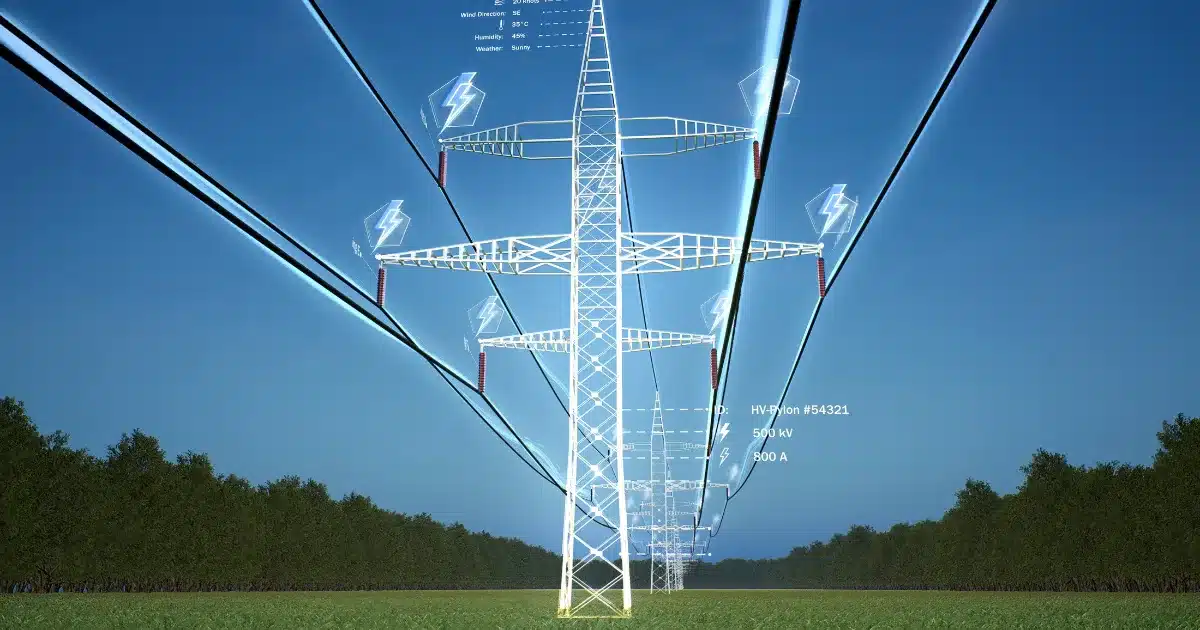
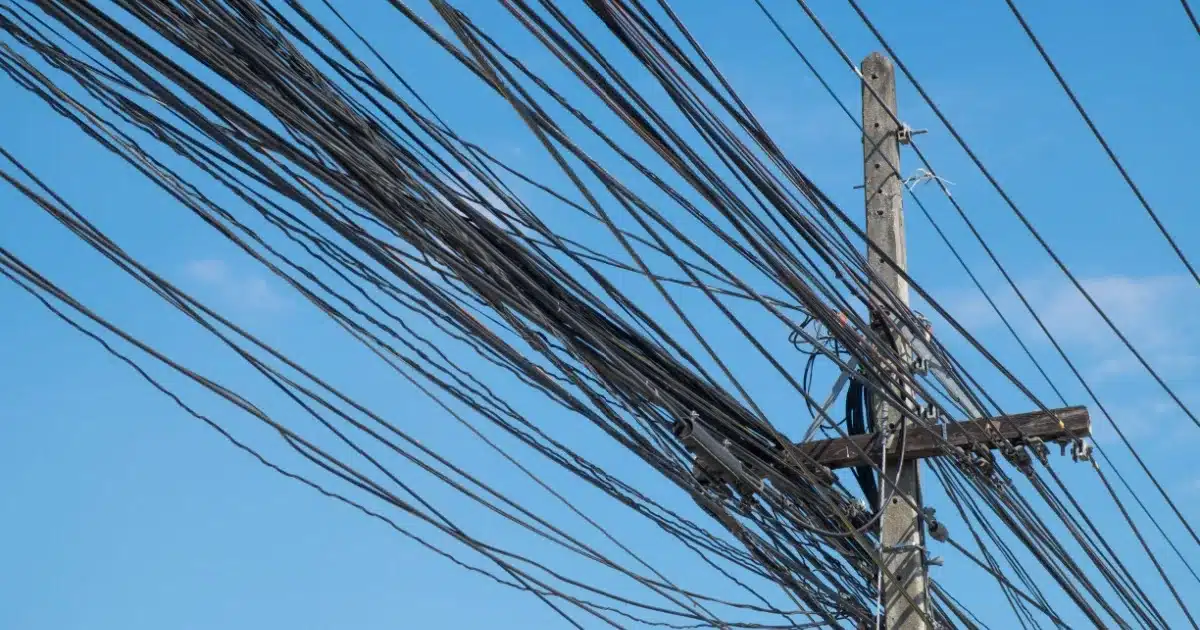
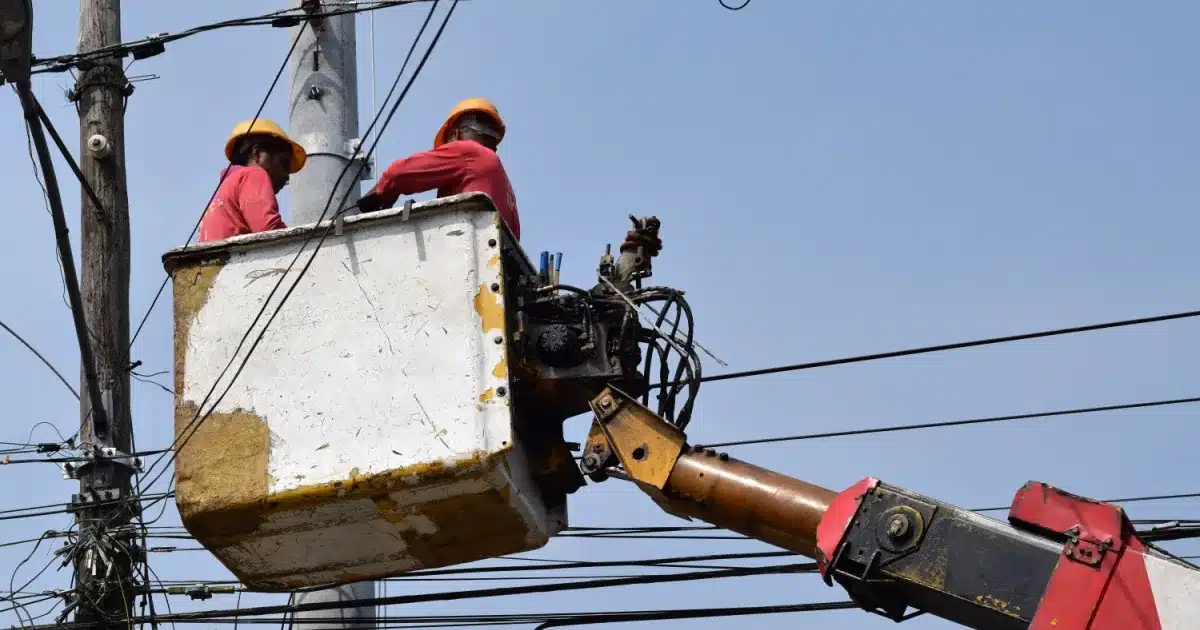
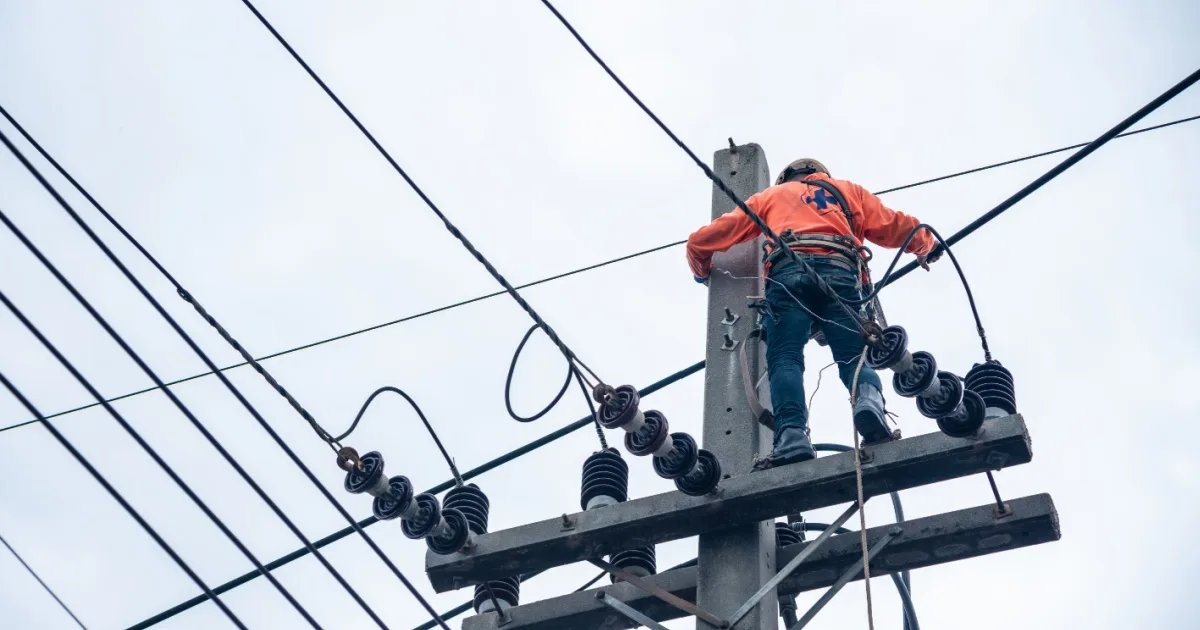
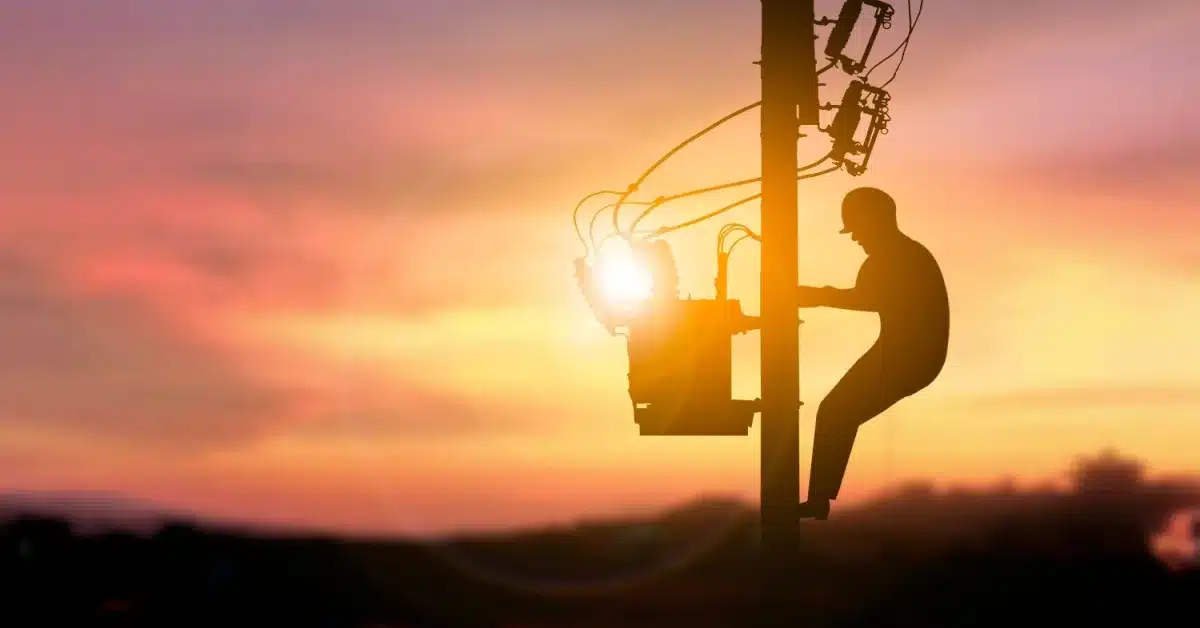
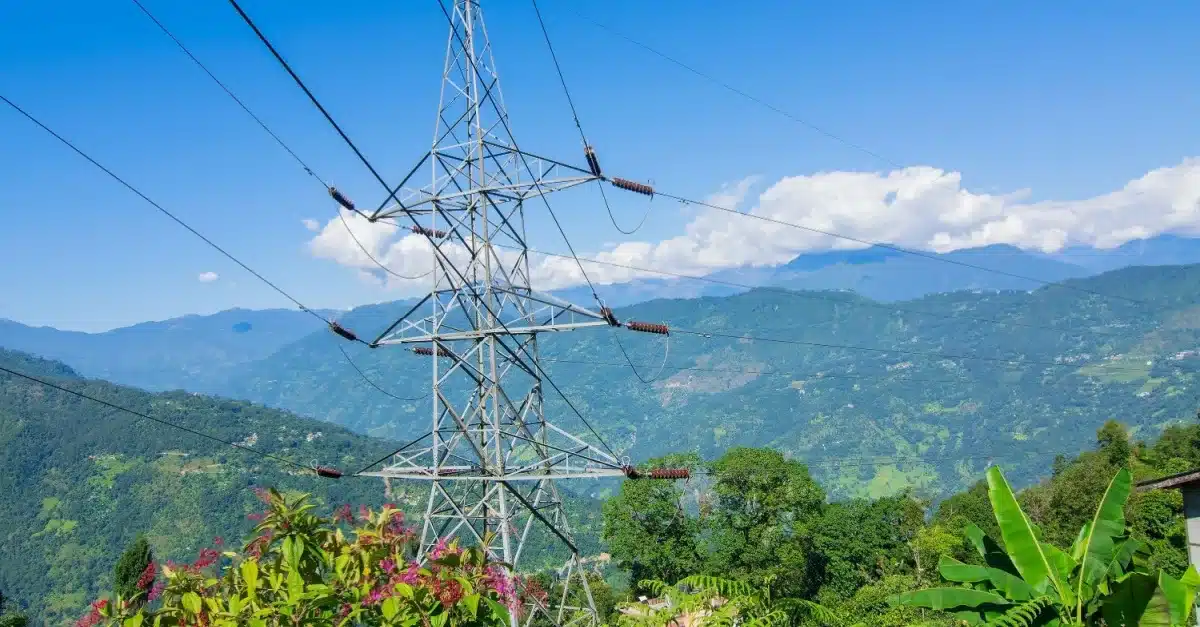
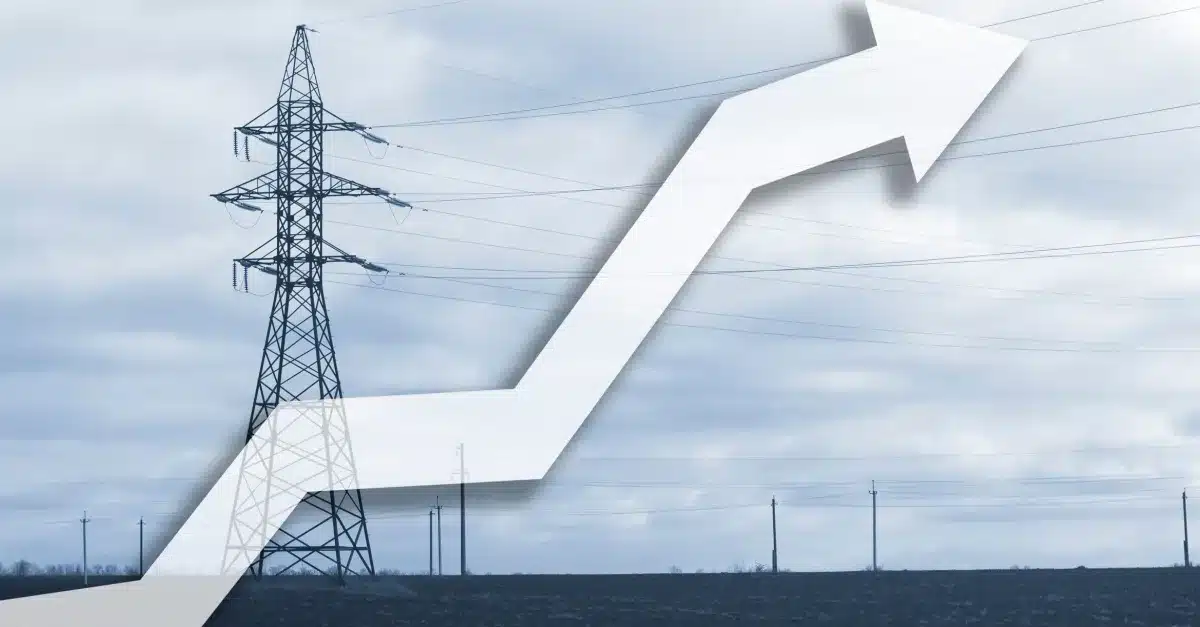
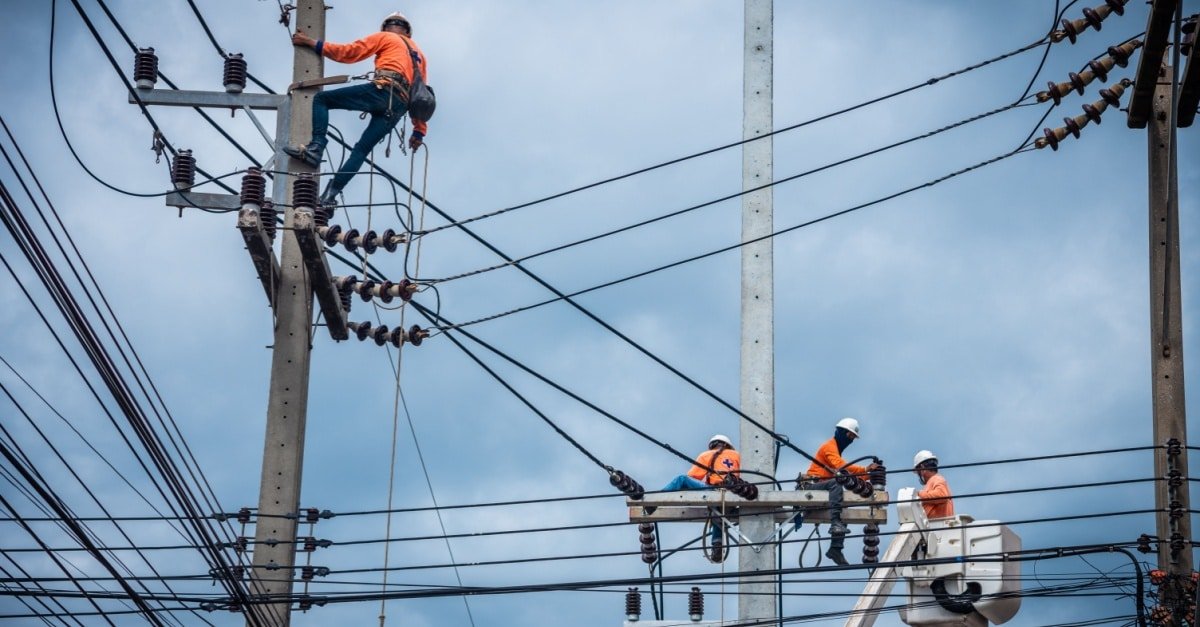
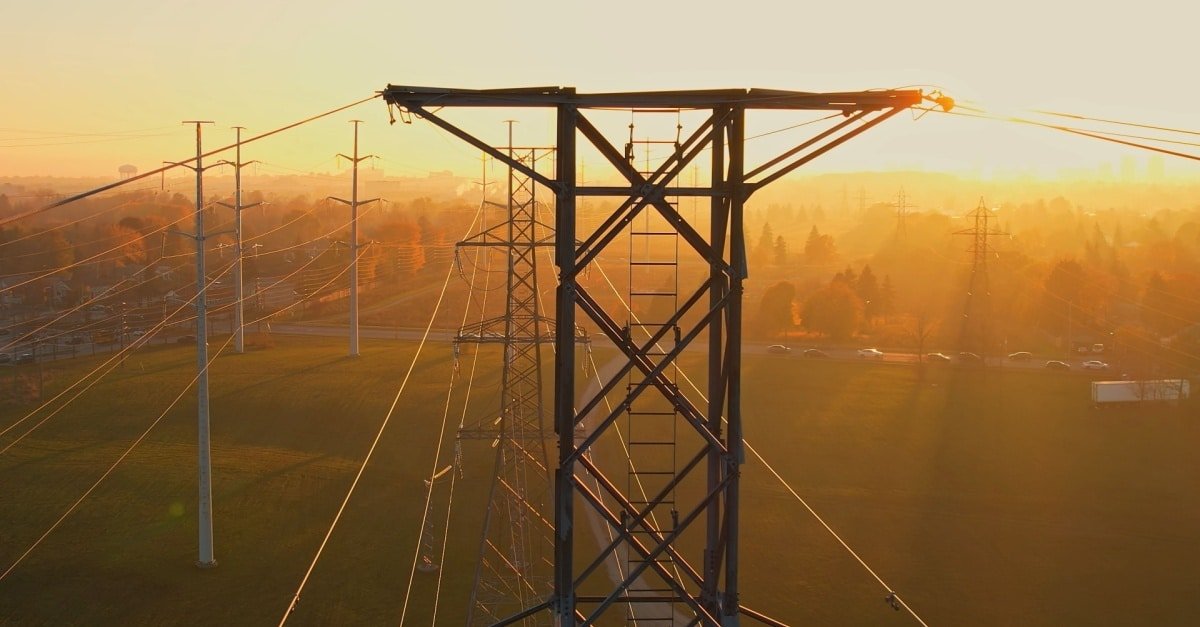
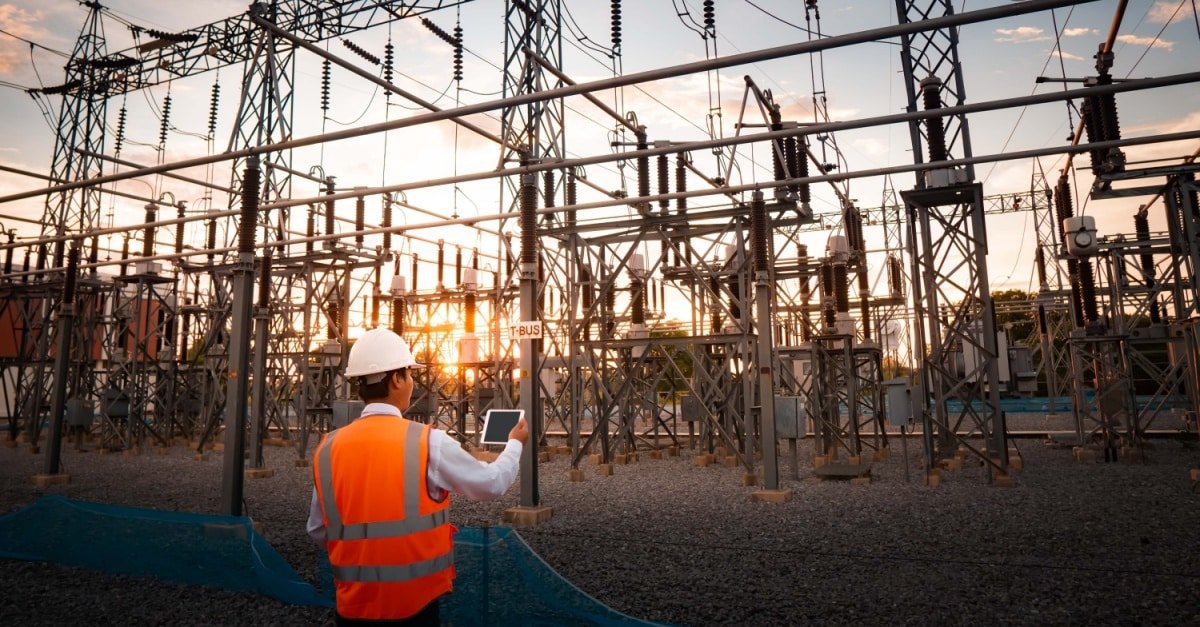
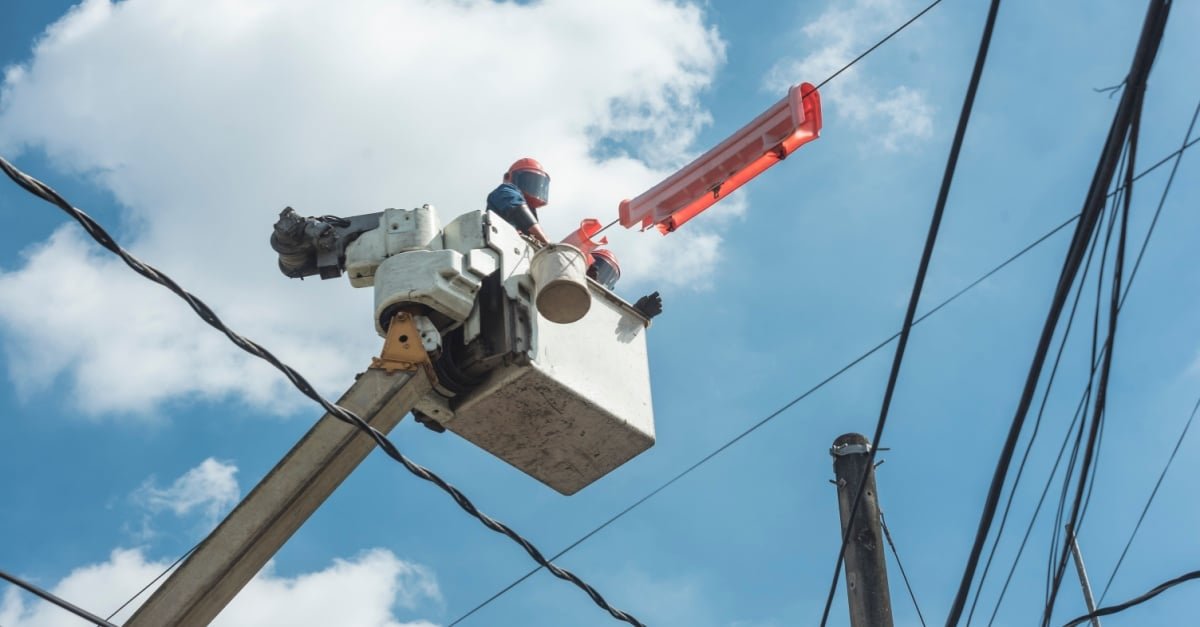
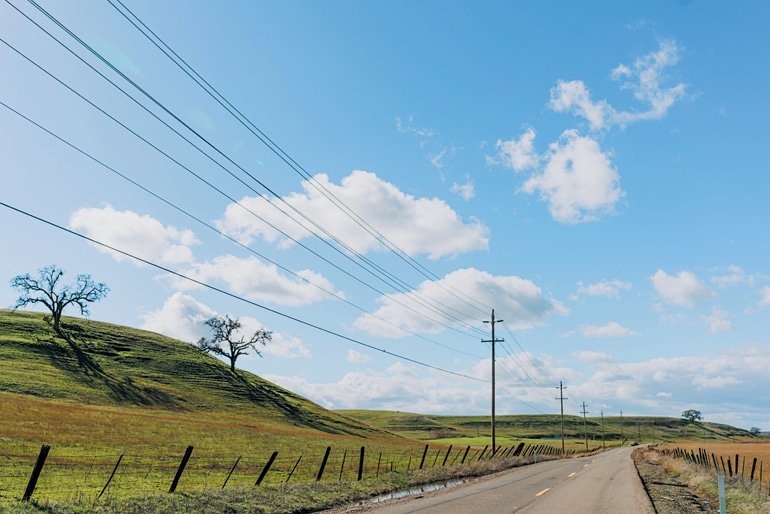
Electricity transmission refers to the high-voltage network of power lines, substations, and towers that transports electricity from power plants to distribution systems and consumers across long distances. It serves as the backbone of the power grid, helping balance electricity supply and demand in real time to keep voltage and frequency stable. A strong and reliable transmission system is critical because even a single line failure or overload can disrupt power flows, strain the grid, and contribute to red alerts or widespread outages.
The NGCP is the country’s sole transmission service provider, responsible for operating, maintaining, and expanding the high-voltage network that moves electricity from power generators to distribution utilities across Luzon, Visayas, and Mindanao.
Created under the Electric Power Industry Reform Act (EPIRA) through a concession agreement, the NGCP functions as both system operator and grid developer, ensuring real-time balancing of electricity supply and demand across the network. Its infrastructure consists of transmission lines, substations, and control centers that form the backbone of the power system, enabling electricity to flow reliably across the country.
(Also read: Mindanao in the Dark: The Human Cost of Failing Electric Cooperatives)
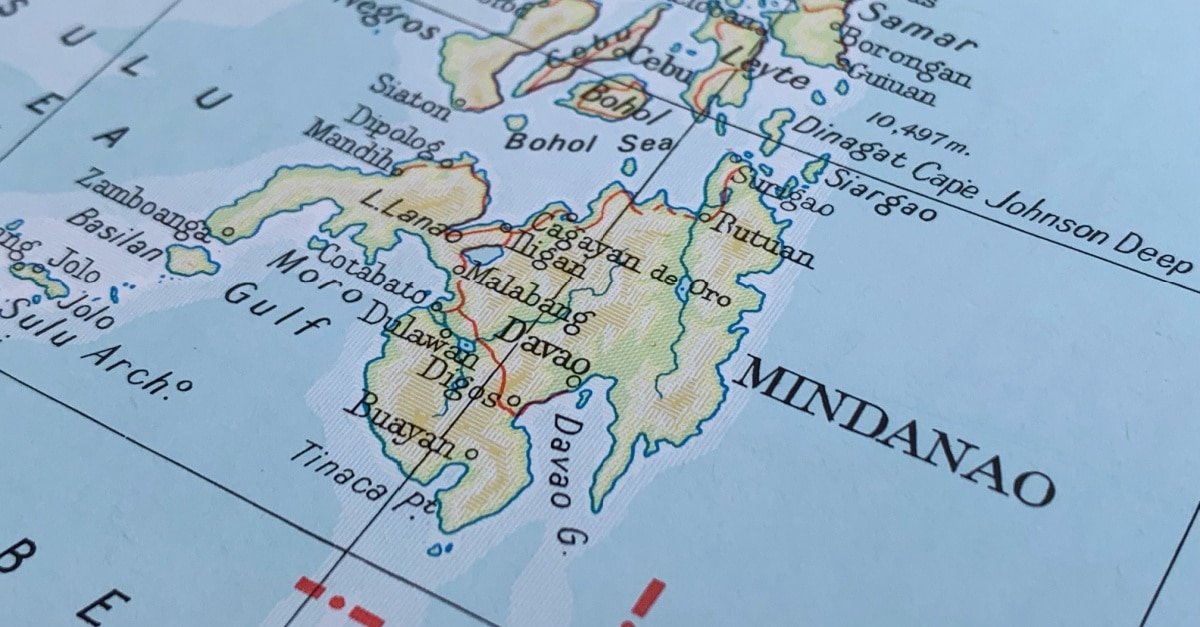
Mindanao’s Transmission Network
One of the most important transmission projects with major implications for Mindanao has been the National Grid Corporation of the Philippines’ Mindanao-Visayas Interconnection Project (MVIP), which physically connected the Mindanao and Visayas grids for the first time.
It was fully inaugurated and placed into commercial operation in January 2024, during a ceremonial switch-on led by President Ferdinand Marcos Jr., officially integrating the Mindanao and Visayas grids into a unified transmission network capable of transferring up to 450 megawatts (MW) of power.
However, the MVIP experienced years of delay, having originally been slated to begin operations in December 2020. According to the NGCP, the project wasn’t completed on time due to a combination of right-of-way issues, permitting challenges, technical constraints, and pandemic-related disruptions that slowed construction and equipment deployment.
These delays had tangible economic and operational consequences for the power sector. In Mindanao, power generators were unable to fully export excess electricity to other regions, limiting potential market opportunities and cross-island energy trade. At the same time, transmission bottlenecks contributed to system inefficiencies that can translate into higher electricity costs for consumers. The slow rollout of transmission infrastructure also affected the integration of new generation capacity, including renewable energy projects that depended on available grid access to deliver power to demand centers.
(Also read: Rising Electricity Demand In Mindanao Boosts Alsons Revenue)
Households Bear the Cost
While investigations continue and different parties present competing accounts, the burden ultimately falls on consumers, who bear the impact of the disruptions.
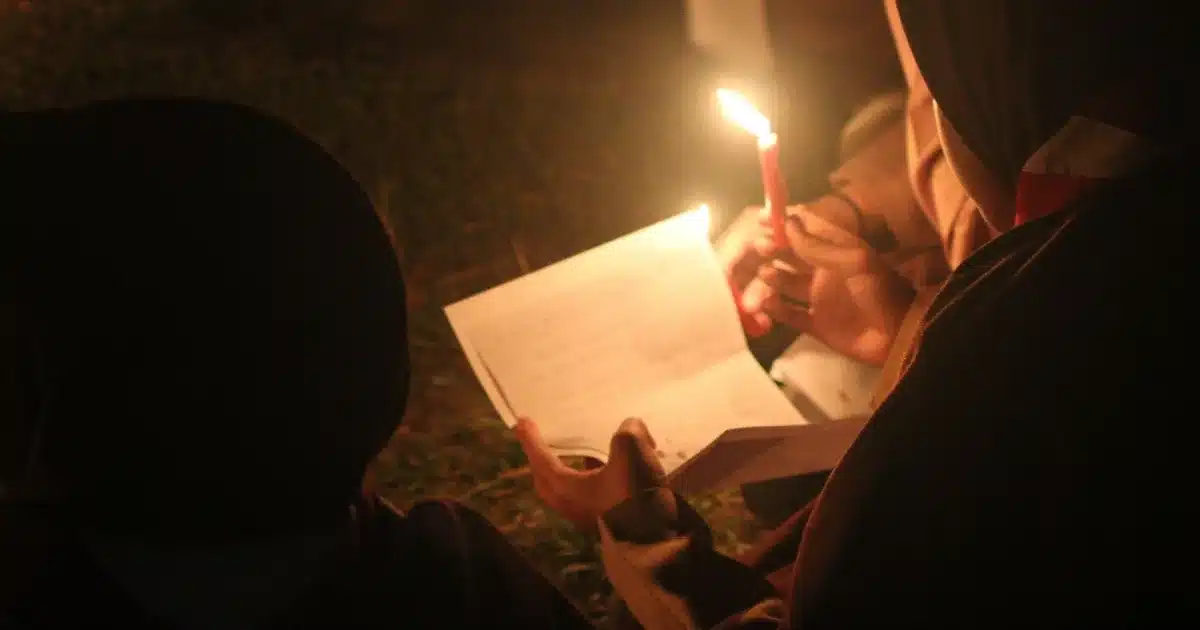
A devastating impact caused by outages was shared on Facebook by Mhike Clerwin, who said his grandfather passed away after a power interruption occurred while he was using a nebulizer for asthma and breathing difficulties. He said the patient depended on daily nebulization for treatment, but was unable to continue the procedure on May 15 because of the brownout.
“I hope we can all be more aware that during times like this, especially with this kind of weather and climate, there are elderly people with illnesses who depend on electricity to help manage and treat their conditions,” wrote Clerwin.
Arances said the incident underscores the need to bring the matter to the DOE, arguing that three days of rotating brownouts warrant stricter penalties. He also called on the ERC to increase penalties, noting that the current power sector structure tends to pass risks along the system, leaving market players with limited accountability. He warned, “Magreresulta ito sa kaso.” (This will result in a case.)
As investigations continue, there is growing urgency for a thorough and swift probe to determine accountability across all involved parties. Beyond technical faults and market dynamics, electricity remains a basic necessity, and disruptions carry consequences that extend far beyond economic losses. Ensuring accountability is not only about system integrity, but also about safeguarding lives that depend on reliable and continuous power.
Sources:
https://www.systemsguides.com/articles/grid-stability-explained.html
https://www.ngcp.ph/operations
https://www.officialgazette.gov.ph/2001/06/08/republic-act-no-9136
www.pna.gov.ph/index.php/articles/1242494
https://business.inquirer.net/590560/red-alerts-raised-over-luzon-visayas-power-grids
https://www.youtube.com/live/bv-y1EgIezg
https://www.youtube.com/live/mDlHWRXtdYY?si=C1aKZgzlc3p1SKrZ
https://youtu.be/ZCXi96dWBB0?si=G2WYXehI2DFUzgaR
https://www.facebook.com/share/p/17cBfLVQjt/?mibextid=wwXIfr
https://www.facebook.com/photo?fbid=3870423816587401&set=a.1464281820534958