Table of Contents
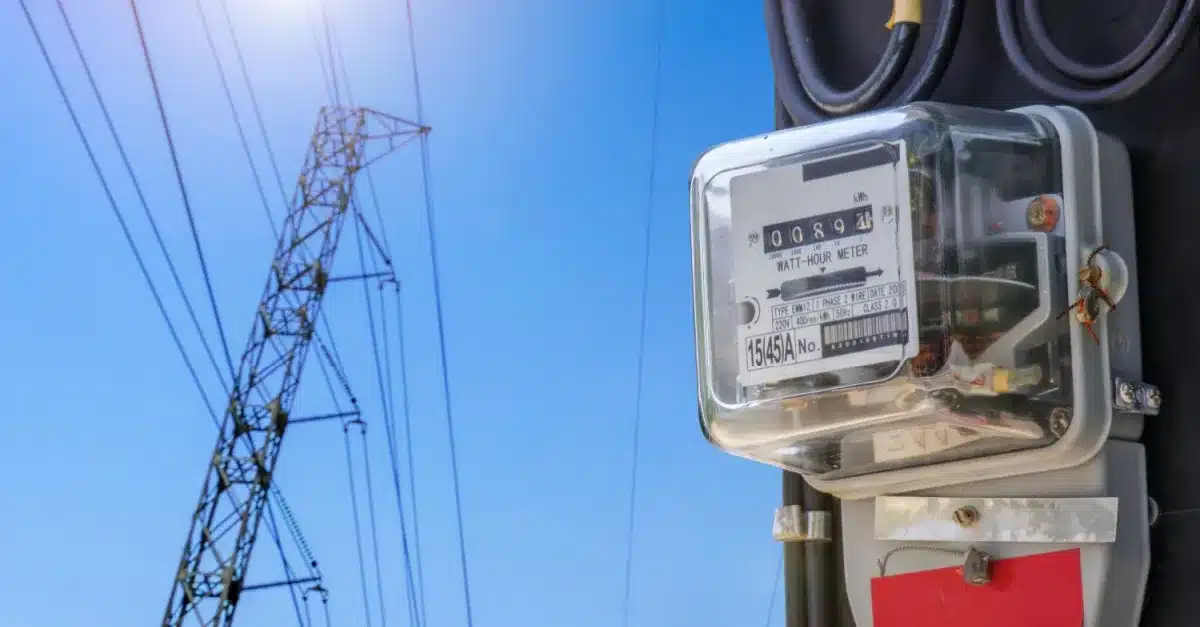
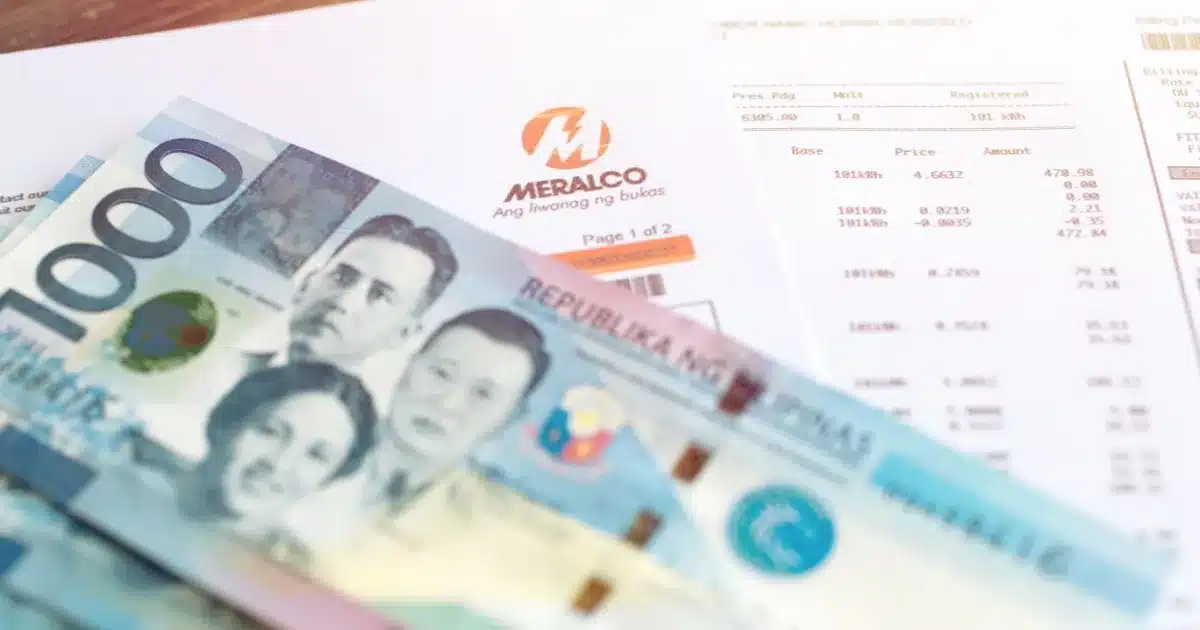
Every time oil prices surge overseas, Filipino households feel the pain almost immediately. Fuel becomes more expensive, transport fares rise, food costs increase, and electricity bills can climb too. What many consumers do not realize is that part of their monthly power bill helps subsidize electricity in remote islands and off-grid communities through a nationwide charge called the Universal Charge for Missionary Electrification (UCME).
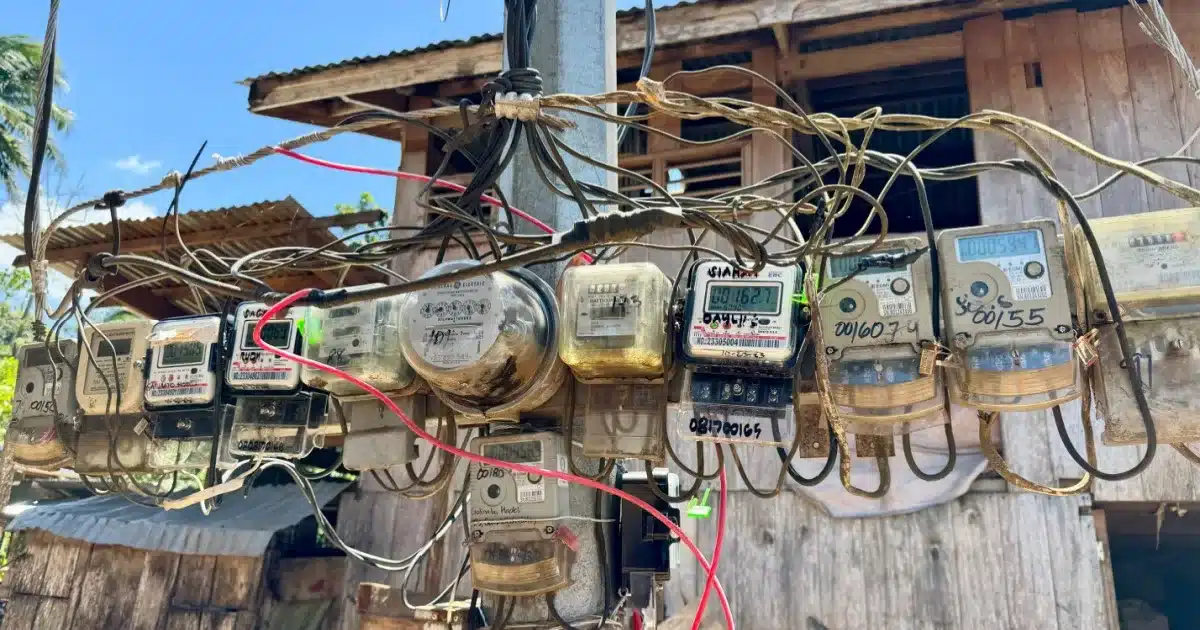
The UCME is a government-mandated charge collected from all electricity end-users to help fund power generation and distribution services in unserved and underserved areas not connected to the grid, including many remote islands and isolated communities. It is imposed under the Electric Power Industry Reform Act (EPIRA). The policy was designed with good intentions: electricity access should not depend on geography.
Because many of these communities rely on diesel generators, the actual cost of producing electricity is often far higher than what residents can afford to pay. The gap is covered by subsidies collected from all consumers nationwide.
According to Center for Energy Research and Policy (CERP) Co-Convenor Joey Ocon, UCME requirements have recently reached P30 billion to P44 billion annually, largely due to continued diesel reliance in missionary areas.
He explained that at roughly P60 per liter, diesel alone can cost about P20 per kilowatt-hour (kWh) in generator-produced electricity. If fuel prices surge, that can climb to P40 or more before maintenance and other operating costs are added.
“Yet off-grid consumers typically pay only P7 to P10 per kWh under the Subsidized Approved Generation Rate (SAGR),” wrote Ocon. “The difference, often three to five times the retail rate, is covered by UCME.
That means millions of Filipinos in cities and grid-connected provinces are helping fund one of the country’s most expensive forms of power generation, a burden that is being further strained by the current global oil crisis.
(Also read: The Green Energy Transition Isn’t Impact-Free)
Why Off-Grid Areas in the Philippines Still Rely on Diesel
Many off-grid communities in the Philippines continue to depend on diesel because it remains the quickest and most reliable way to deliver electricity in remote locations. As an archipelago of over 7,000 islands, the country faces major geographic barriers to building a fully connected power network. Thousands of communities are separated by water, mountains, or difficult terrain, making grid expansion costly and technically challenging.
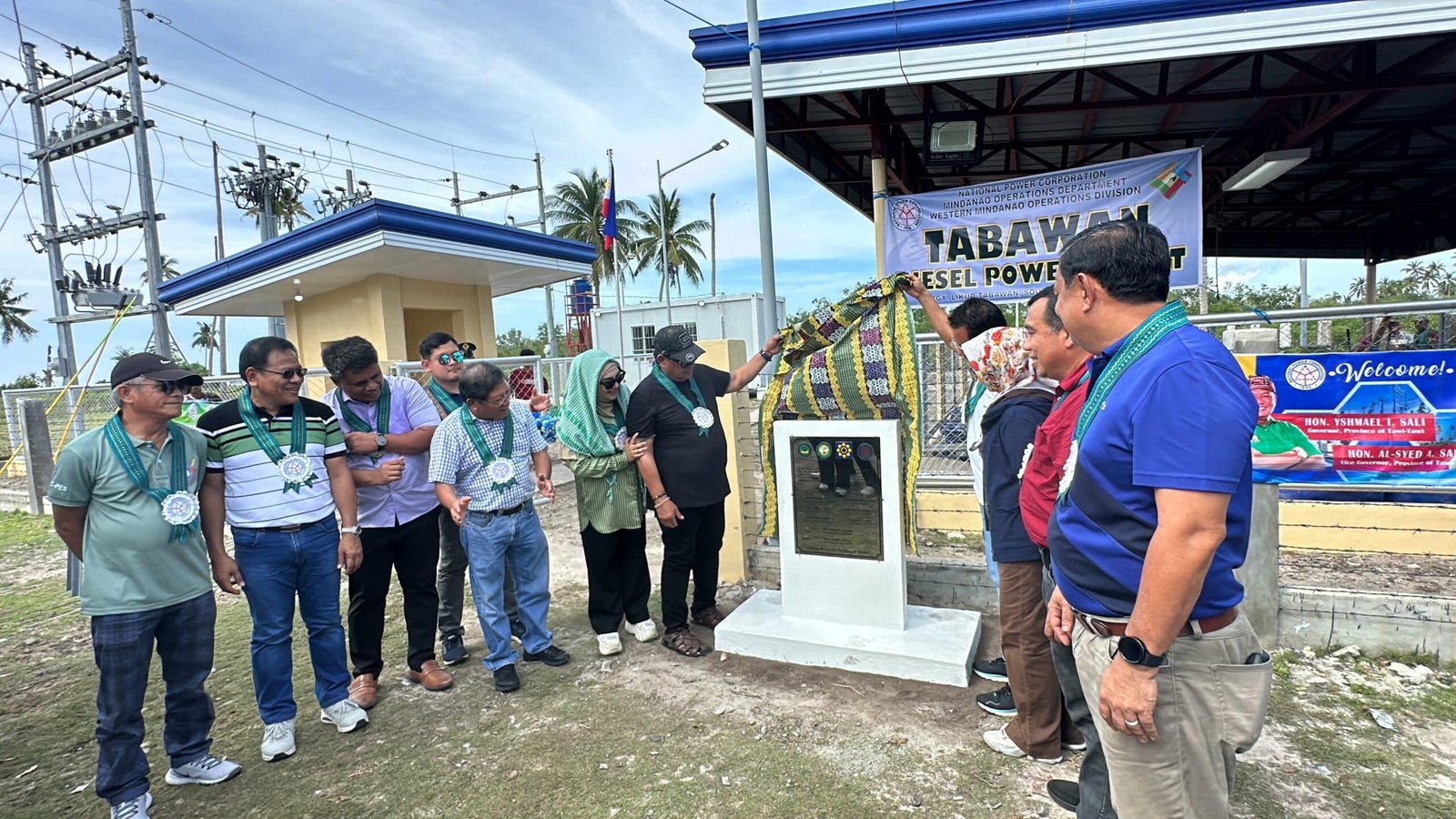
In these isolated areas, the state-run National Power Corporation–Small Power Utilities Group (NPC-SPUG) has traditionally operated small power plants to supply electricity. Many of these facilities use diesel generators because they are modular, relatively easy to transport, and can be installed faster than larger energy projects. Diesel generators are commonly classified as peaking or dispatchable power sources, meaning they are used during periods of high or rising electricity demand. Grid operators bring these plants online when electricity consumption increases, alongside other flexible generators designed to respond quickly to system needs.
Off-grid communities in the Philippines often rely on diesel because many are small, remote, and geographically isolated, making grid extension and large-scale energy infrastructure economically and technically difficult due to low, scattered demand and high transmission costs.
As of June 2024, NPC-SPUG operates 165 mostly diesel-powered plants across 155 sites.
The Limits of Renewable Energy in Remote Areas
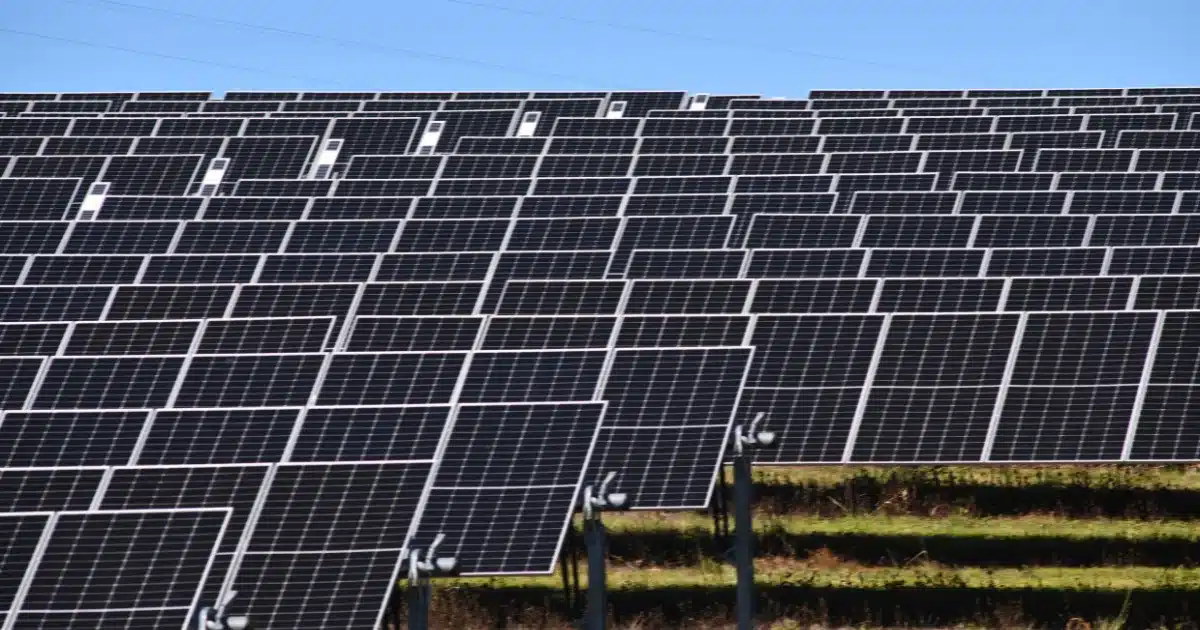
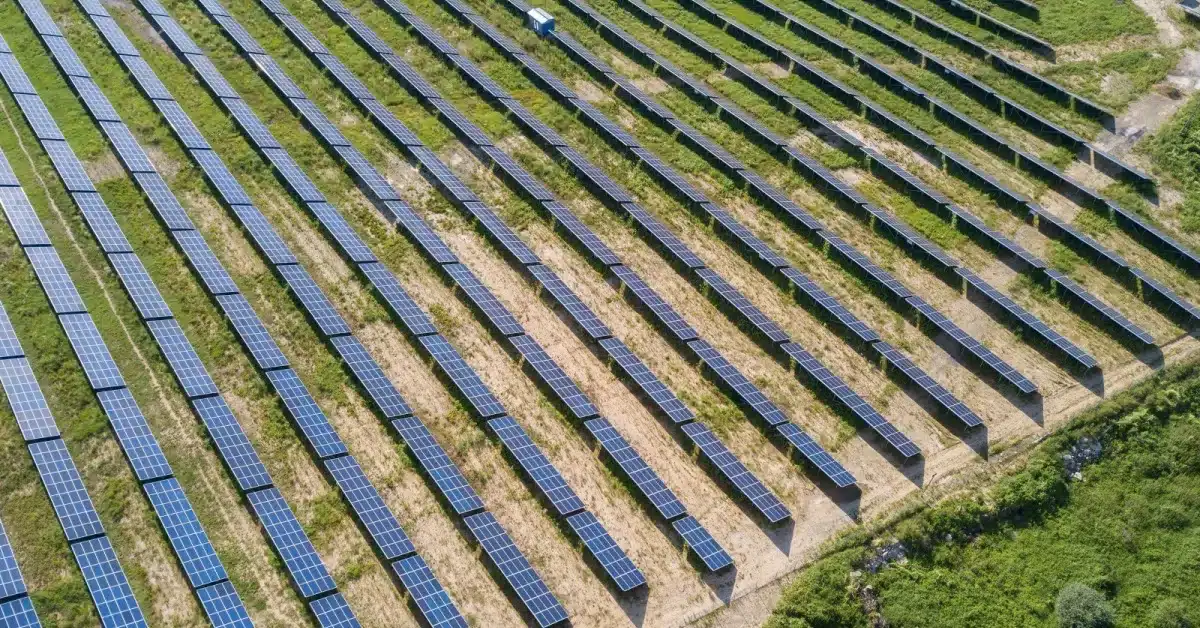
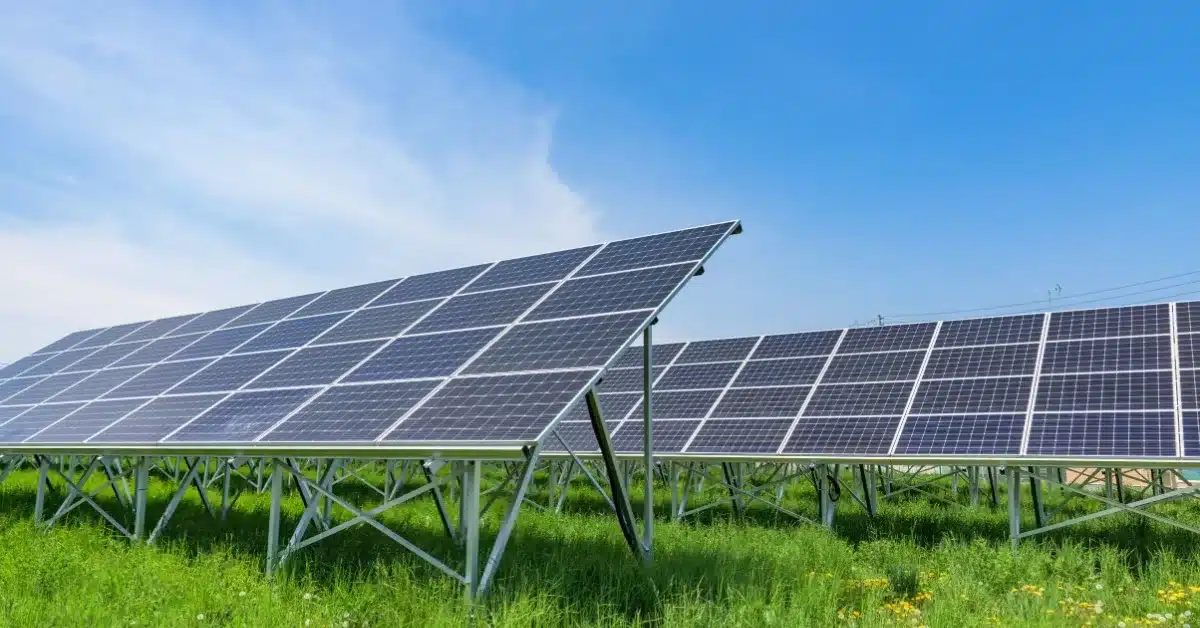
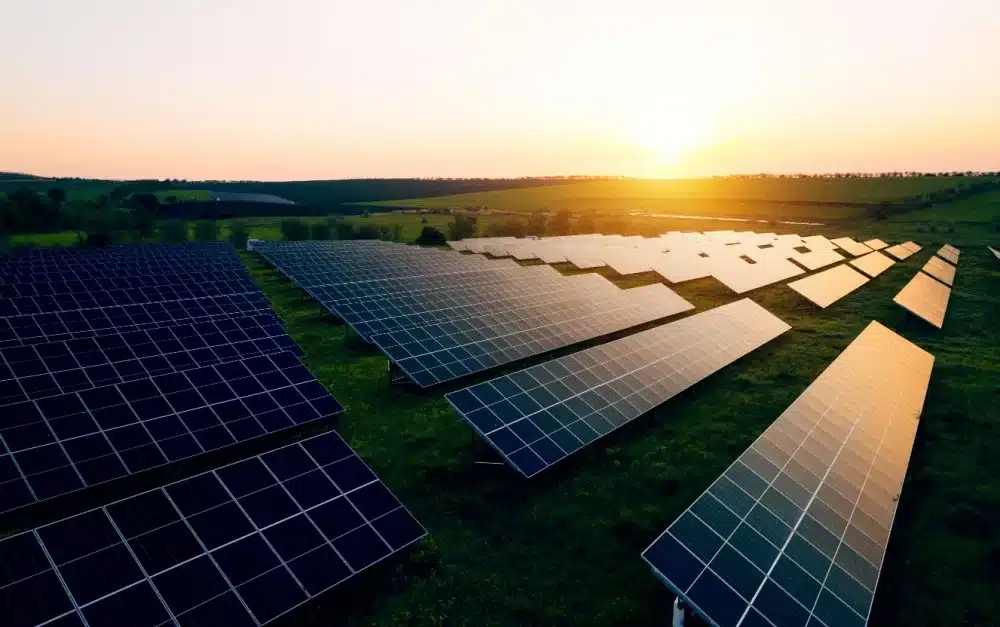
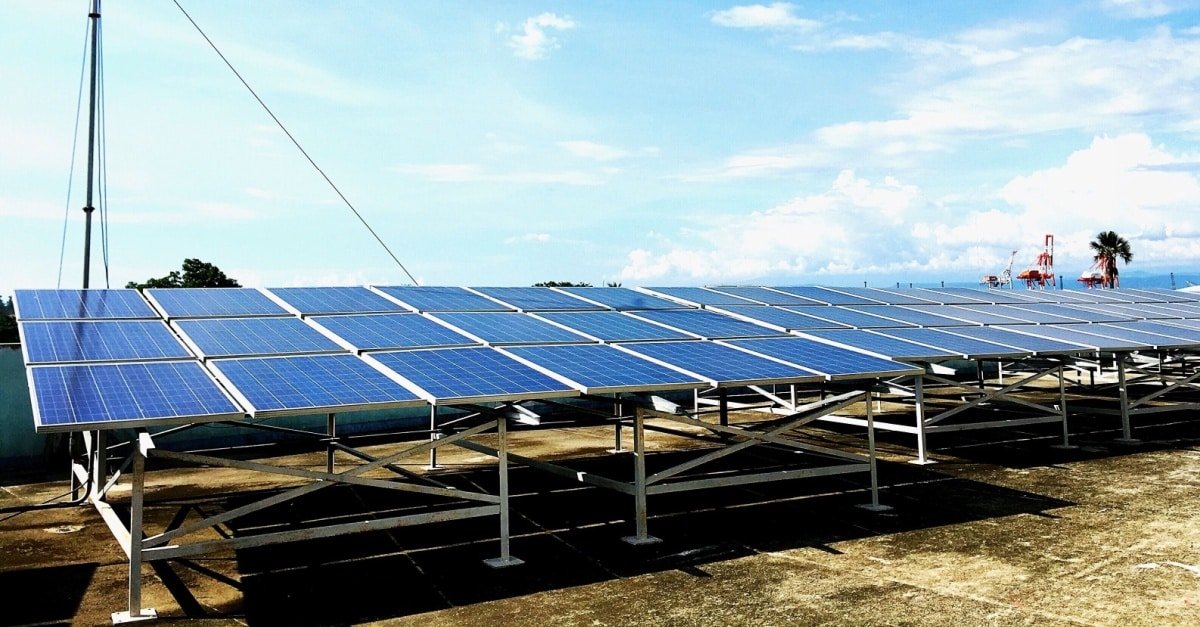
Renewable energy, particularly solar, is increasingly being promoted as the long-term solution for electrifying off-grid communities. The Department of Energy (DOE) has also supported the gradual introduction of hybrid systems in missionary electrification areas, noting that renewables can help reduce reliance on imported fuel and lower exposure to diesel price volatility.
However, renewable systems face significant limitations in off-grid Philippine conditions. While hybrid renewable energy systems are widely studied and implemented, they remain constrained by technical, environmental, and operational challenges that affect reliability. These include system maintenance difficulties, lack of technical capacity in remote areas, and vulnerability to extreme weather events.
Even with cheaper renewable technology, off-grid islands are still too expensive to power on their own at mainland-level prices, so government support is still needed.
Additionally, the National Grid Corporation of the Philippines (NGCP) has cautioned that excessive reliance on intermittent renewable sources like solar can create challenges for grid stability, as variable output may lead to fluctuations in system frequency and voltage, which, if not properly managed, could result in load shedding or rotating outages. Technologies like solar and wind are inherently variable and depend on weather and time of day, requiring careful integration, system balancing, and backup capacity to ensure consistent and reliable electricity delivery.
This concern was reflected in a January 2026 voltage fluctuation event in parts of North Luzon, where variability in renewable energy output contributed to instability in the system. The incident showed how sudden changes in generation from renewable sources can affect voltage levels and overall grid stability, prompting the NGCP to implement corrective measures to prevent further disruptions.
“Operational experience at the San Marcelino Solar Farm in Zambales indicates that short-term solar variability of up to 300MW can occur due to brief cloud cover. While such variability can be effectively managed with fast-acting resources, conventional generation (such as coal power plants) has limited capability to respond quickly due to longer ramping times,” stated the NGCP. “Battery energy storage systems are among these ‘fast-acting resources,’ and therefore play a critical role in providing rapid support to maintain frequency stability as solar penetration increases.”
(Also read: Samal Powers Up: The Island’s Long Fight for Reliable Electricity)
The Better Answer: Hybrid Energy Systems
For Ocon, the most practical path is hybridization—combining multiple technologies to reduce diesel use without sacrificing reliability.
He recounts visiting off-grid islands in Caramoan where hybrid systems powered by private developers combined solar panels, battery storage, and diesel backup to improve reliability and reduce fuel use. The setup was not fully renewable, but strategic integration of renewables significantly lowered diesel dependence while maintaining a stable electricity supply.
Similar hybrid microgrids have also been implemented in other remote Philippine islands, including in Palawan and Romblon, where solar, storage, and diesel systems work together to provide consistent, long-term power in communities that remain too isolated for full grid connection.
“A fully renewable system in small island grids today would require oversizing solar and batteries, driving up capital costs and slowing deployment. The more pragmatic approach is targeted hybridization – using solar and storage to displace 30–50 percent of diesel consumption,” explained Ocon. “Multiple studies, including our analysis of over 600 off-grid islands, show that hybrid renewable systems can significantly reduce long-term costs and subsidy requirements.”
Stronger private sector involvement is essential, but progress has been limited. Most hybridization under the NPC has been piecemeal and reliant on government funding through the General Appropriations Act rather than a coordinated transition. Meanwhile, mechanisms like Qualified Third Parties and the Microgrid Systems Act have yet to scale enough to significantly reduce diesel dependence, leaving much of off-grid power still publicly funded.
“Larger islands, where demand and economic activity are higher, should be opened more aggressively to private sector participation, while smaller islands receive targeted public support,” stated Ocon.
The Cost of Inaction
Rising diesel prices are already forcing power operators to stretch limited fuel supplies, which can result in reduced operating hours and, in some cases, rotating outages. The pressure becomes more pronounced during the summer months, when electricity demand for cooling peaks while hydropower output typically declines, tightening overall system capacity. In off-grid islands with no interconnected backup, these constraints quickly translate into brownouts and service interruptions.
At the same time, the UCME continues to climb, spreading the cost burden across all consumers. This has created a feedback loop: higher fuel costs drive up generation expenses, which increase subsidy requirements, which in turn limit available funding for system upgrades and reliability improvements. The result is a system that becomes increasingly expensive to sustain while also becoming less resilient over time.
To address these challenges, subsidies need to be redirected away from ongoing fuel support and toward long-term capital investments, particularly hybrid systems that can gradually reduce dependence on diesel. At the same time, stronger accountability mechanisms should be introduced so that public funding is tied to measurable outcomes such as actual reductions in diesel use and improved system performance, rather than simply covering operating costs.
Persistent infrastructure bottlenecks must also be addressed with urgency. Delays in generation projects, incomplete transmission links, and inefficient distribution cooperatives with high technical losses continue to undermine progress, eroding the gains that hybridization is meant to achieve.
If current trends continue, the Philippines risks locking itself into a system where power reliability declines in the poorest areas while costs rise for everyone else.
Source:
https://elibrary.judiciary.gov.ph/thebookshelf/showdocs/2/94044
https://legacy.doe.gov.ph/electric-power/missionary-electrification-development-plan-medp-2024-2028
https://www.bworldonline.com/economy/2025/06/26/681737/biofuels-being-piloted-in-off-grid-areas
https://www.eia.gov/todayinenergy/detail.php?id=7590
https://www.sciencedirect.com/science/article/abs/pii/S0360544220307775
https://www.philstar.com/business/2023/01/16/2237818/doe-eyes-hybrid-systems-grid-areas
https://www.philstar.com/headlines/2026/01/08/2499519/ngcp-welcomes-terra-solar-project-but