Table of Contents
Davao City is targeting the completion of its proposed waste-to-energy (WTE) facility by 2028 or 2029, with the plant expected to generate about 13 megawatts of electricity as the city moves forward with a project backed by Japan.
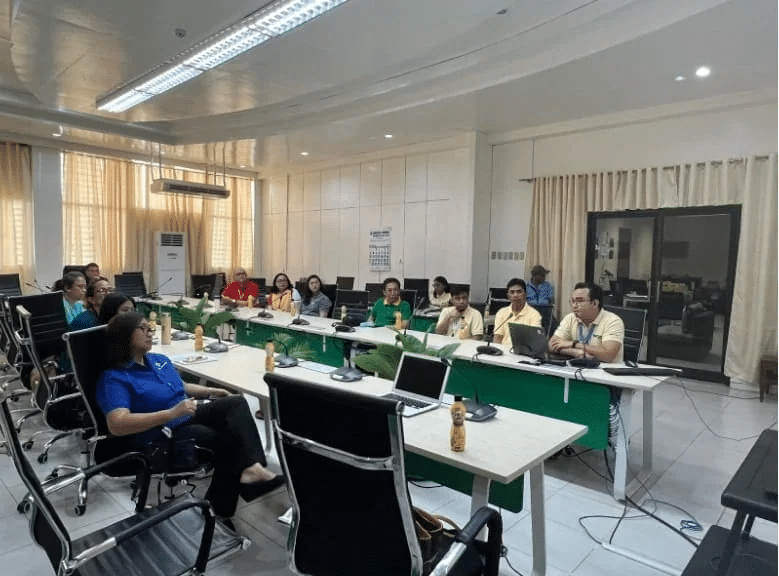
City Councilor Temujin Ocampo, chair of the Committee on Environment and Natural Resources, said the city is continuing to work with the Japanese government under an existing memorandum of agreement for the facility, which is planned on an approximately nine-hectare site provided by the local government.
Construction will depend on the completion of the bidding process being handled by the Japanese side, Ocampo said during the Isyo Karon Forum.
The proposed facility is designed to have a gross generating capacity of about 13 MW. Around 2 MW would be consumed by the plant for its own operations, leaving an estimated 11 MW for net electricity output.
Ocampo said the final schedule would depend on the procurement and construction process. The project is also moving through the Department of Energy’s auction mechanism for WTE facilities, with the city having secured the funding needed to participate in the process.
Funding The Project
The City Council has approved an initial ₱11-million bond tied to the city’s participation in the DOE auction. The amount corresponds to about ₱1 million for each megawatt of the proposed 11-MW net capacity, consistent with the auction requirement for bid bonds.
The city had earlier set aside the ₱11 million through an authorizing resolution. The DOE subsequently informed the city that it had qualified, prompting the local government to formalize a larger project reserve fund.
A recent council measure provided for a ₱65-million allocation to cover prequalification and post-award costs, including the initial bid amount. The funding is part of a broader supplemental budget of about ₱685.3 million requested by Mayor Sebastian Duterte.
Ocampo said the ₱11 million would be refundable if the city does not win or advance in the bidding. If the bid succeeds, the amount would become a performance bond tied to completion of the project.
The proposed plant is being developed in partnership with the Japan International Cooperation Agency (JICA), with project documents putting the estimated cost at between ₱5 billion and ₱6.8 billion.
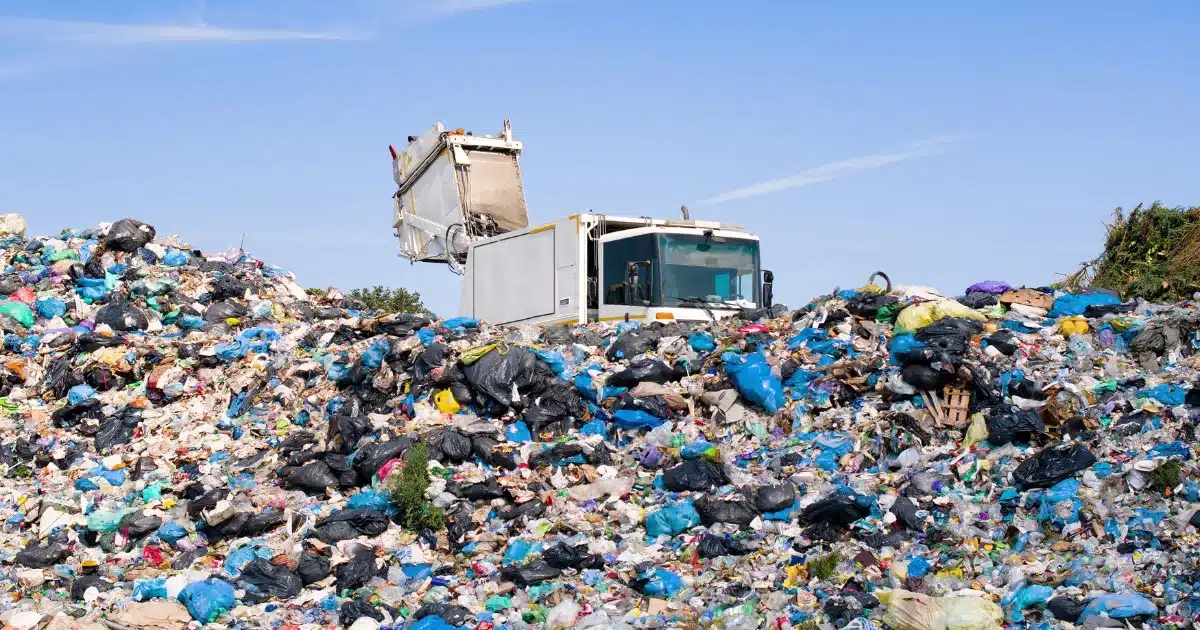
The project is intended to help manage the city’s waste stream, which officials have estimated at roughly 700 to 800 tons a day. Documents indicate that the facility would be located in Barangay Biao Escuela.
The project is expected to draw on proposed official development assistance from JICA, with additional funding to come from local and national sources, including the DOE’s green energy auction mechanism.
Waste Quality Critical
Ocampo said the plant’s eventual operation will depend heavily on how the city manages and segregates its waste.
A WTE facility requires feedstock with adequate calorific value, meaning the waste must contain enough combustible material to support energy production. Excessively wet or unsuitable waste can undermine that process.
“Food waste, wet materials and certain medical wastes should not simply be fed into the facility,” Ocampo said.
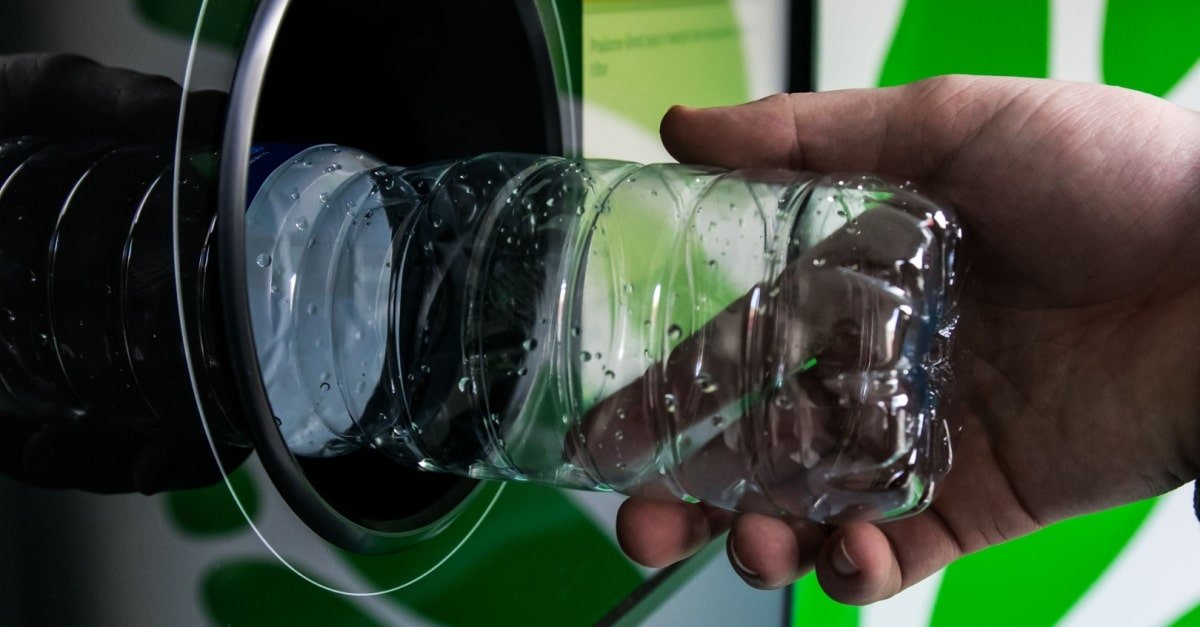
The councilor said residents will therefore need to improve waste segregation before the facility becomes operational. Recyclable materials such as paper, cardboard and plastics can be recovered instead of being sent to the plant or landfill, while food waste can be composted or handled by specialized facilities.
Hospital waste, meanwhile, would require separate treatment by qualified facilities.
Environmental Safeguards
The city also plans to coordinate with the Department of Environment and Natural Resources and the Environmental Management Bureau on emissions monitoring once the plant is developed.
Ocampo identified dioxins and furans among the pollutants that would require close monitoring. He said continuous emissions monitoring systems used in other industrial facilities could provide a model for detecting potential problems and triggering corrective action.
City officials and their Japanese partners have also studied WTE facilities in Japan and observed communities located near the plants as part of preparations for the proposed project.
The WTE plan, however, has drawn criticism from environmental advocates. Interfacing Development Interventions for Sustainability (IDIS) has argued that incineration could conflict with the city’s efforts to promote a circular economy and reduce waste.
The group has also raised concerns about the impact on informal waste workers whose livelihoods depend on recovering recyclable materials.
Garbage Collection Challenges
The proposed plant comes as the city adjusts to changes in its waste disposal system.
Davao has begun using the New Carmen Landfill after environmental authorities required the closure of the old disposal facility, with officials acknowledging that occasional garbage collection delays may occur during the transition.
Ocampo said the city currently has enough capacity to handle its waste and is working with its own garbage trucks and private haulers.
The longer-term objective, however, is to reduce the volume of waste requiring disposal through segregation, recovery, and other waste-management measures while developing the WTE facility as an additional means of handling residual waste and generating electricity.
Source:
https://tribune.net.ph/2026/10/03/davao-eyes-wte-plant-by-2029
https://mb.com.ph/2026/10/02/garbage-collection-assured-as-davao-city-moves-to-new-landfill
https://mindanews.com/top-stories/2026/09/davao-city-council-approves-costs-for-waste-to-energy-bid