Table of Contents
For years, Mindanao enjoyed an electricity surplus. New power plants built over the past decade helped close the region’s supply gap, while the completion of the Mindanao-Visayas Interconnection Project (MVIP) allowed it to send excess electricity to the Visayas.
However, while Mindanao can export up to 400 megawatts (MW) to the Visayas when supply allows, it must first meet its own electricity demand and reserve requirements. And that surplus is becoming increasingly difficult to sustain.
Electricity demand in Mindanao has continued to climb. Data in the National Grid Corporation of the Philippines’ (NGCP) Transmission Development Plan 2026–2050 show that the island’s peak demand increased from 2,577 MW in 2024 to 2,682 MW in 2025, a 4.07% rise. The increase followed an even sharper jump in 2024, when peak demand grew by 10.93% from the previous year.
The pressure has carried into 2026. The Department of Energy-Mindanao Field Office (DOE-MFO) reported that the grid’s year-to-date peak demand had reached approximately 2,775 MW.
Mindanao’s tightening power supply became evident in August and September 2026, when NGCP repeatedly placed the grid under yellow and red alerts. On August 11, 12 power plants were on forced outage, and five others were operating at reduced capacity, leaving the grid with a narrow supply margin. The situation worsened in September, when available capacity briefly fell below projected demand, prompting red and yellow alerts.
A yellow alert means the grid’s operating reserves are insufficient to meet the required contingency margin. A red alert is more serious: available supply is insufficient to meet demand and the grid’s regulating requirements, potentially leading to controlled power interruptions.
The alerts also complicate the government’s earlier outlook. In August, the DOE-MFO projected only three yellow-alert occurrences in Mindanao during afternoon peak periods in 2026, with no red alerts expected. Yet that same month, the grid was placed under red and yellow alerts for a combined 89 hours, exposing how quickly supply conditions could deteriorate as power plant outages coincided with demand exceeding forecasts.
(Also read: Mindanao Pushes Power Expansion To Bring Growth To More Communities)
Mindanao’s Hydropower Vulnerability
Mindanao’s reliance on hydropower presents another challenge to the region’s energy security as a very strong El Niño threatens to reduce water availability and constrain electricity generation. While hydroelectric facilities have helped keep power costs relatively competitive, prolonged dry conditions could expose its vulnerabilities.
Hydropower accounted for 29.6% of Mindanao’s gross power generation in 2025, while coal contributed 63.8%. As of April 2026, hydroelectric facilities provided 1,059 MW of dependable capacity, or about 26% of the region’s total, second only to coal’s 2,041 MW (50%).
This dependence makes the region particularly vulnerable to declining rainfall and water levels. The Philippine Atmospheric, Geophysical and Astronomical Services Administration (PAGASA) reported in its November 4 advisory that a very strong El Niño was already present in the tropical Pacific and could persist until the first half of 2027, potentially peaking toward the end of 2026. It warned of possible rainfall deficits, dry spells and drought in several parts of the country, alongside warmer-than-average temperatures.
DOE Secretary Sharon Garin has said the DOE estimates that El Niño could cut hydropower generation by at least 60%. Extreme heat could also affect power plant operations while driving up electricity consumption.
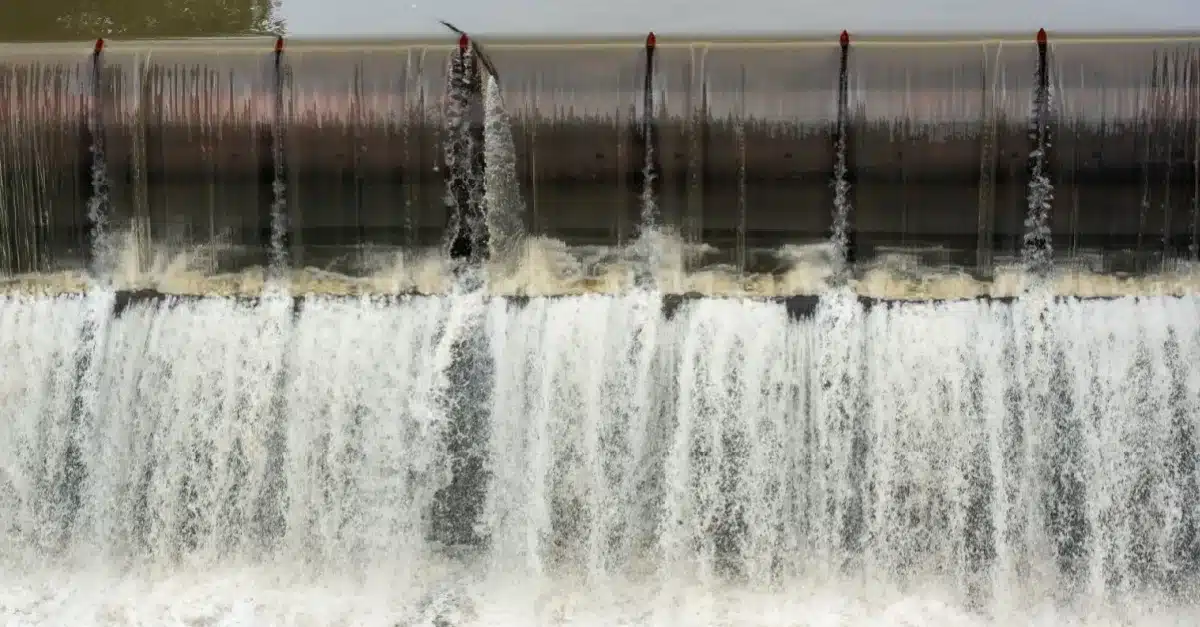
A key source of this exposure is the Agus-Pulangi Hydroelectric Power Complex, supplying about a quarter of Mindanao’s electricity. The state-owned National Power Corp. (NPC) operates the 1,002-MW complex, which generated approximately 4.49 million megawatt-hours (MWh) in 2024.
Its six Agus plants draw water from Lake Lanao in Lanao del Sur, while the Pulangi plant in Maramag, Bukidnon, harnesses the Pulangi River. Both systems require sufficient water levels to sustain operations. Lake Lanao must remain at least 698.15 meters above sea level for the Agus plants to operate. If it falls below this threshold, all six facilities would have to shut down. The Pulangi plant, meanwhile, would cease operating if water levels drop below 280 meters.
The implications extend beyond power generation. Mindanao has historically enjoyed electricity rates 20 to 30% lower than those in Luzon and the Visayas, partly because of its hydropower resources. Competitive rates could help the region be attractive to businesses and energy-intensive industries. However, reduced hydroelectric output could put pressure on electricity costs, particularly if supply tightens as demand increases.
The South Cotabato I Electric Cooperative (SOCOTECO I) has warned that El Niño could push electricity rates higher as warmer temperatures increase consumption, compounding supply constraints caused by outages at several major power plants.
The threat has also prompted local governments to consider measures to secure their electricity requirements. In Iligan City, which hosts several facilities of the Agus complex, the local government requested a 45-MW power allocation from the Power Sector Assets and Liabilities Management Corp. (PSALM), NPC, the Energy Regulatory Commission (ERC) and other energy agencies.
The city council argued that Iligan’s contribution to the country’s power sector as host of major hydroelectric facilities warranted a preferential allocation for its own consumption and development.
Meanwhile, the DOE’s longer-term power outlook suggests that additional capacity alone may not eliminate the risks. Although the department lists 7,316.12 MW of indicative hydropower projects nationwide, with commercial operations targeted through 2033, these developments would remain exposed to changing rainfall patterns.
A DOE simulation also projected a relatively low risk of yellow alerts on the Mindanao grid but warned of a possible red alert in the last quarter of 2027, with reduced water inflows to Agus-Pulangi among the potential contributing factors.
As Mindanao prepares for another El Niño, the challenge is not simply securing more generating capacity but ensuring that its power supply can withstand prolonged climate-related disruptions.
“With a strong El Niño episode looming, the Philippines faces a familiar double bind—drought that drains hydropower reservoirs and wilts crops, even as global energy markets stay volatile,” stressed a Business Mirror editorial. “The gap is not resource. It is speed, grid modernization, and the political will to stop treating energy policy as a series of crises to be managed rather than a structure to be built.”
Will Renewable Energy Be Enough?
Mindanao’s electricity reserves are expected to run out by 2028 unless new generating capacity comes online, putting the region at risk of another power crisis. The warning from the National Grid Corp. of the Philippines (NGCP) comes as electricity demand continues to grow faster than new supply, leaving the region with less room to absorb plant outages or accommodate new industries.
Meanwhile, Mindanao Development Authority (MinDA) Assistant Secretary Romeo Montenegro estimates that electricity demand in the region is increasing by 5% to 7% annually, requiring an additional 100 MW of capacity each year.
“Therefore, the reserve that we have today will start to go down unless new capacities come in to replace the ones that are being used already by the growing demand,” explained Montenegro.
The warning recalls Mindanao’s 2012 power crisis, when consumers endured rotating brownouts lasting one to eight hours daily because available generation could not meet demand. A Philippine Institute for Development Studies (PIDS) assessment attributed the crisis largely to inadequate baseload capacity and an imbalanced generation mix. At the time, the Agus-Pulangi hydroelectric facilities supplied roughly half of the island’s available capacity, leaving the grid vulnerable when their output declined.
The commissioning of several coal-fired power plants subsequently helped address the shortages by adding more consistent generation to the grid. However, NGCP has pointed out that Mindanao has not added comparable generating capacity since those facilities began operating.
Recent grid conditions suggest that the supply cushion is already narrowing. After recording only two power alerts over the previous three years, Mindanao experienced 17 yellow alerts and four red alerts in 2026.
For Ryan Amper, convenor of the Davao Consumer Movement (DCM), the developments should serve as an early warning. Referring to five consecutive days of yellow alerts on the Mindanao grid, he said the situation required urgent intervention from the national government and energy regulators to prevent another prolonged supply crisis.
The need for additional generation has also been emphasized by NGCP, which has called for a stronger baseload supply to keep the transmission grid stable.
“From a grid management perspective, it’s really better to have baseload power or non-intermittent, non-variable sources,” explained NGCP spokesperson Cynthia Alabanza.
Coal remains an important part of Mindanao’s power supply, particularly as the Agus-Pulangi complex prepares for rehabilitation. In February 2025, the DOE considered reviewing the accelerated retirement of a 232-MW coal-fired plant in Misamis Oriental to help maintain available generation during the rehabilitation period, which is expected to begin toward the end of 2027.
The need to keep existing capacity operational is underscored by the age of the hydroelectric complex: some of its facilities have been running for more than 50 years, with the oldest, Agus 6, entering commercial operation in April 1971. The rehabilitation will involve repairing or replacing aging equipment and upgrading plant components to restore performance, improve efficiency, and extend the facilities’ service life.
But the urgency extends beyond keeping existing facilities operational. Business groups have also warned that insufficient electricity could undermine Mindanao’s ability to attract investments and sustain economic expansion.
Joji Ilagan-Bian, chair of the Philippine Chamber of Commerce and Industry’s Brunei Darussalam–Indonesia–Malaysia–Philippines East ASEAN Growth Area (BIMP-EAGA) Committee, said the business sector had submitted a resolution to President Ferdinand Marcos Jr. urging the government to explore alternative power sources in anticipation of a potential shortage.
“Power is what makes the economy roll, and without that, the economy would be at a standstill,” she said, stressing that businesses are open to public-private partnerships and foreign investments to address the region’s energy requirements.
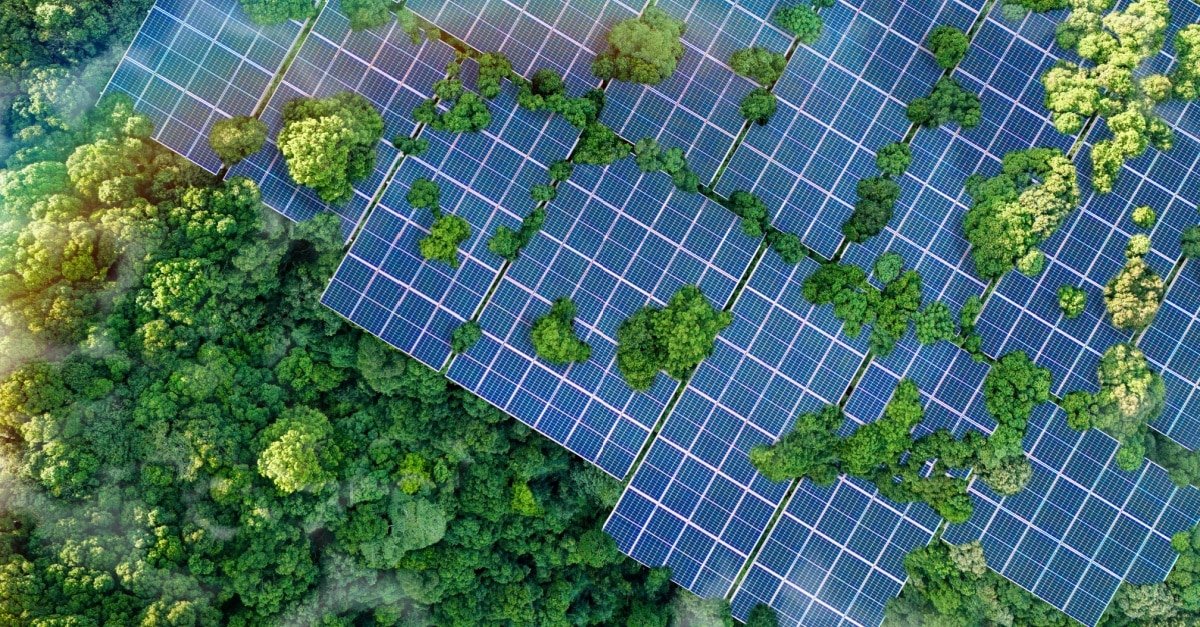
The challenge, therefore, is not simply to increase renewable energy capacity but to ensure that new generation can reliably meet demand. Renewable energy development can help diversify Mindanao’s power mix, but the region must also account for the limitations of weather-dependent sources and the need for dependable electricity around the clock.
The stakes are reflected in Mindanao’s latest economic figures. The island’s economy grew by 4.69% in 2025, outpacing the national growth rate of 4.4%, with five of its six regions ranking among the country’s 10 fastest-growing regional economies.
Caraga led Mindanao with 5.7% growth, followed by Davao Region at 5.15%, BARMM at 5%, Northern Mindanao at 4.9%, and Soccsksargen at 4.8%. These figures point to expanding economic activity across much of the island—and a growing need for reliable electricity to support businesses, industries and communities.
(Also read: Mounting Unpaid Energy Obligations Demand Accountability From Electric Cooperatives)
Mindanao’s Power Crunch Reaches the Visayas
Mindanao’s shrinking power reserves have implications beyond the island, particularly for the Visayas, which can draw electricity through the MVIP. But as Mindanao’s own demand rises and generating units become unavailable, its ability to support the Visayas is becoming less certain. This matters because the Visayas has also been grappling with supply shortages, making electricity imports from Mindanao an important source of additional capacity.
The effects were evident on August 13, when NGCP cited limited power imports from Mindanao as one of the factors behind red and yellow alerts in the Visayas. The Mindanao grid was also under yellow alert that day, with outages at GNPower Kauswagan further tightening its supply.
The situation worsened on September 5, when both grids were placed under red alert. The Visayas remained under red alert from 1 p.m. to 10 p.m., while Mindanao was under the same alert from 1 p.m. to 9 p.m., leaving less electricity available for transfer between the regions.
A few days later, the Leyte III Electric Cooperative (LEYECO III) reported interruptions and cited limited imports from Mindanao, alongside outages and reduced output from Visayas power plants, as contributing factors. The DOE said it was working to mobilize available capacity from Mindanao to help address the shortage.
These incidents show that while the MVIP can help balance supply across the two regions, it cannot make up for inadequate generation when both face shortages at the same time. As Mindanao’s reserves continue to narrow, the Visayas may have less access to imported electricity precisely when its own grid needs additional support.
The Visayas’ recurring supply problems have prompted the government to pursue a longer-term strategy of strengthening generation within the region rather than relying heavily on electricity imports. In September, Garin presented a plan to make the Visayas less dependent on power from Mindanao and Luzon. The pipeline includes new baseload capacity for Panay by 2028 to 2030.
For Mindanao, however, the challenge is increasingly about securing its own supply. This means Mindanao may have less surplus electricity to export just as the Visayas works to reduce its reliance on imports. The two regions therefore face a shared imperative: expand their own generation capacity and strengthen grid reliability, rather than depend on the other to make up for a persistent supply gap.
Powering Mindanao’s Potential
Mindanao’s looming power shortage should not have come as a surprise. Warnings about dwindling reserves, rising demand, and the need for new generating capacity have been issued years ahead of the projected shortfall. The region’s power crisis is therefore not simply a question of whether new plants can be built in time, but why long-term planning has not moved fast enough despite repeated signals. Waiting until reserves are nearly depleted to accelerate development leaves little room for delays and risks turning a foreseeable supply problem into another cycle of emergency measures and rotating brownouts.
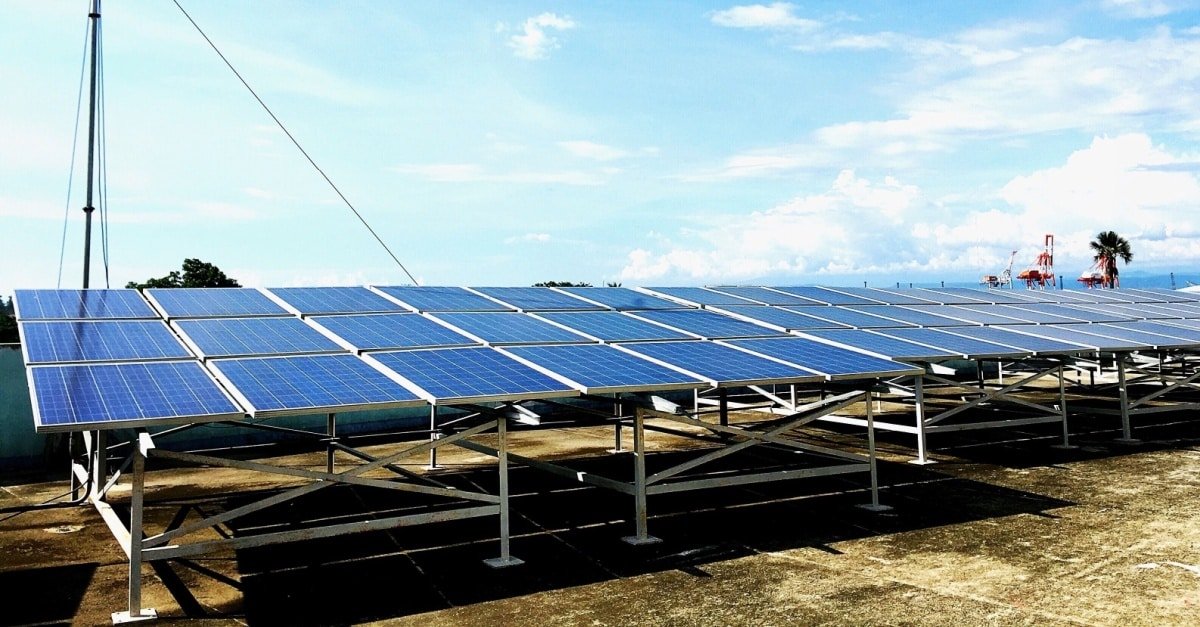
The experience also shows why renewable energy, while essential to a more diversified power mix, cannot be the sole foundation of Mindanao’s electricity supply. Hydropower depends on rainfall and reservoir levels, while solar and wind generation fluctuate with weather conditions. These sources should continue to expand, but they must be complemented by dependable generation that can deliver electricity when natural conditions are unfavorable.
Mindanao deserves more than a reactive approach to its power needs. It should not have to choose between powering its own growth and supporting neighboring grids. With foresight, timely investment and a realistic energy strategy, Mindanao can meet its own needs while contributing to the country’s wider power supply. It has the resources, economic momentum and strategic importance to become a stronger driver of national development. But realizing that potential requires more than promises of future projects. It requires decisions made years ahead of demand—not when the reserves are already running out.
Sources:
https://www.ngcp.ph/Attachment-Uploads/TDP%202026-2050%20Report_Aug17-2026-08-19-08-10-53.pdf
https://www.sunstar.com.ph/davao/el-ni%C3%B1o-puts-mindanao-power-supply-to-the-test
https://www.rappler.com/philippines/local-governments-super-el-nino-initiatives-2026-2027
https://www.rappler.com/philippines/local-governments-super-el-nino-initiatives-2026-2027
https://prod-cms.doe.gov.ph/documents/d/guest/doe-power-sector
https://businessmirror.com.ph/2026/10/12/doe-simulates-high-power-demand-setting-in-el-nino
https://www.mindanaotimes.com.ph/dcm-is-mindanao-headed-toward-another-power-crisis
https://business.inquirer.net/608937/agus-pulangi-rehab-works-to-begin-in-fourth-quarter-2027
https://newsinfo.inquirer.net/2218320/mindanao-2025-economic-growth-surpasses-national-rate
https://www.philstar.com/nation/2026/09/05/2554075/visayas-and-mindanao-grids-under-red-alert-anew
https://pia.gov.ph/news/doe-electric-cooperatives-address-visayas-power-supply-shortage