Table of Contents
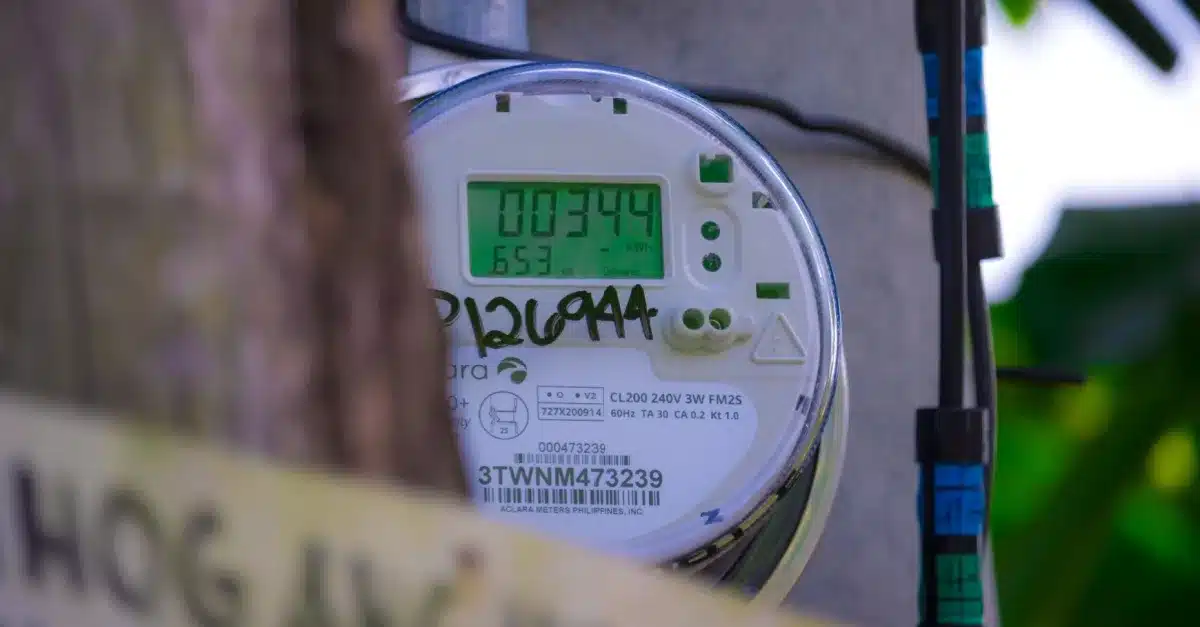
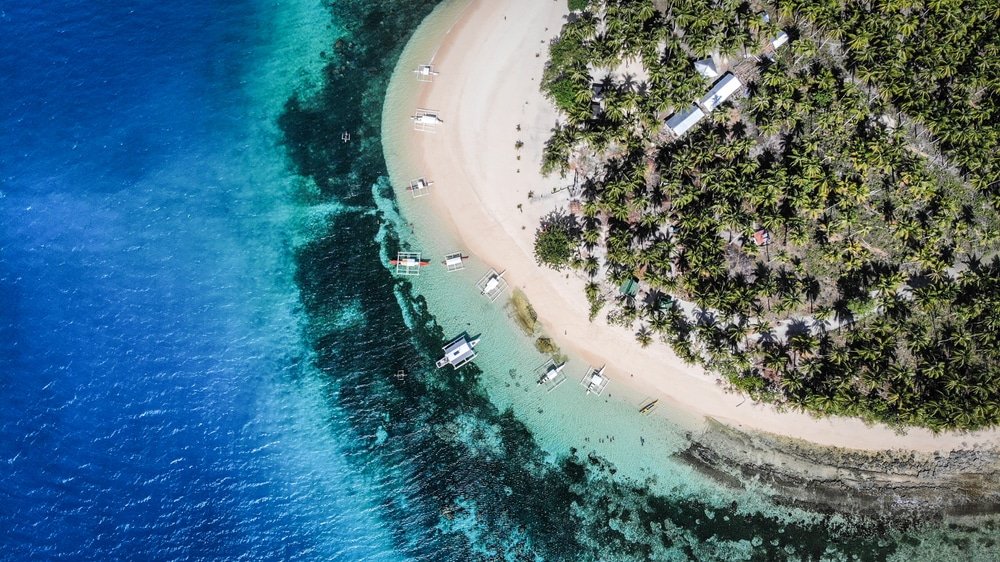
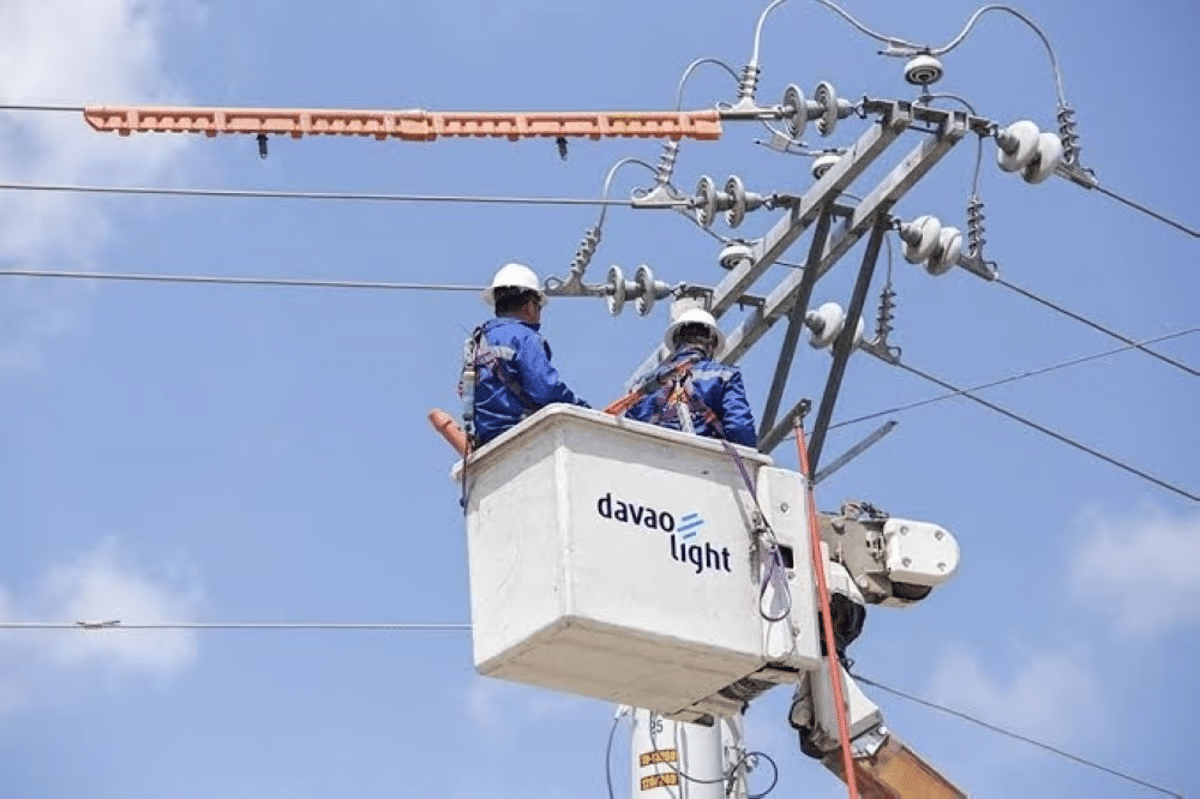
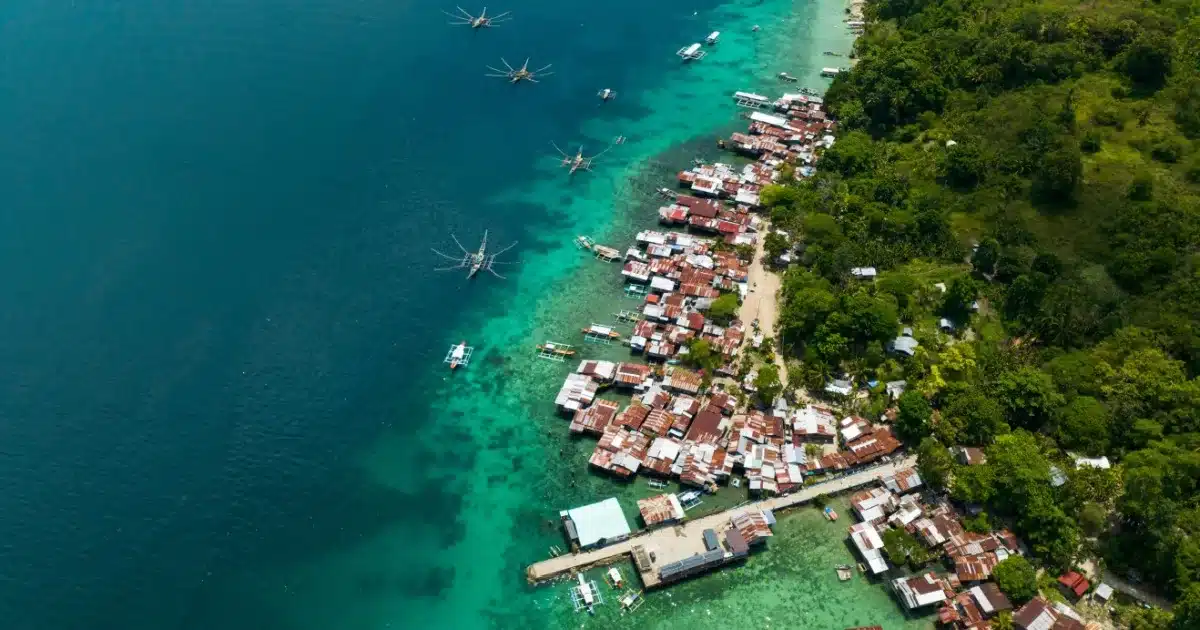
Davao Light and Power Company (DLPC) has inaugurated a submarine cable connecting Samal Island to the Davao City grid, marking a major step toward stabilizing power supply in one of Mindanao’s key tourism hubs while also prompting questions about demand readiness.
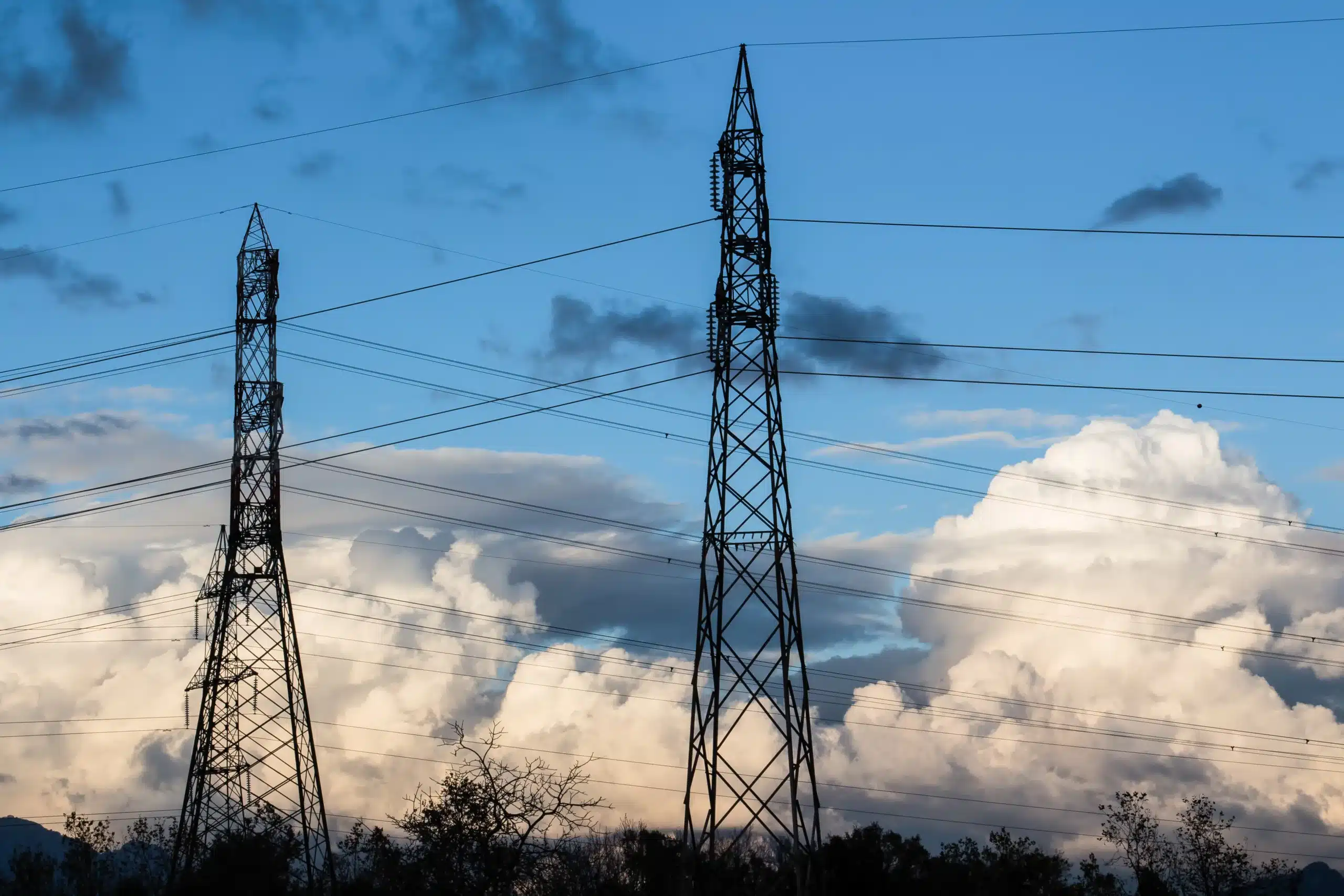
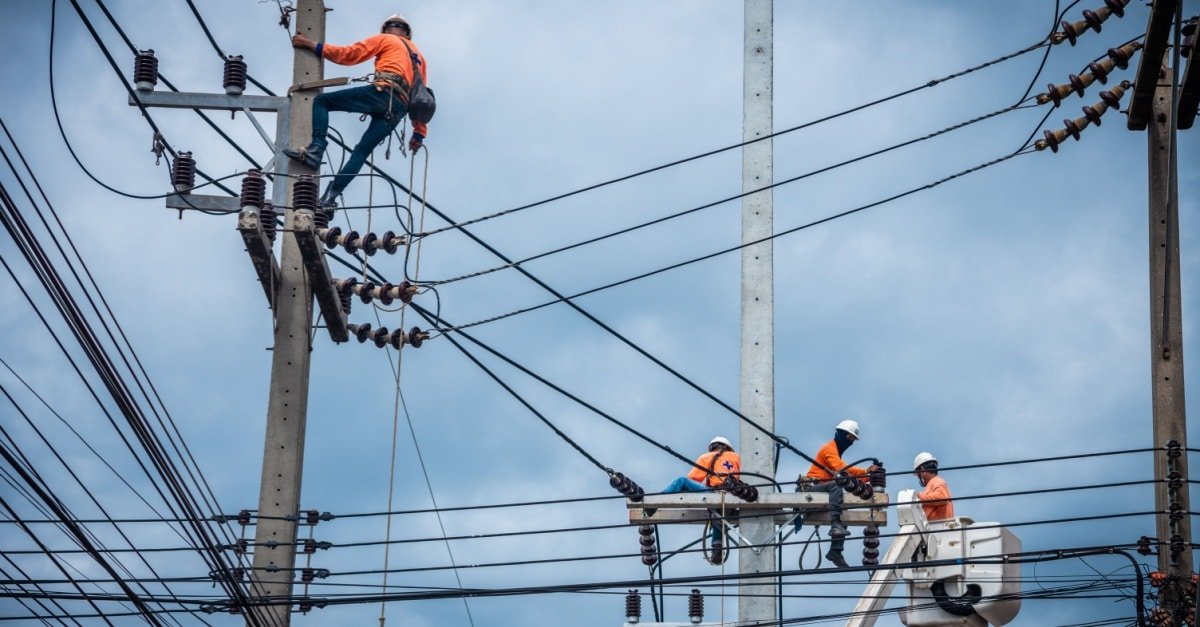
The 1.25-kilometer, 69-kilovolt submarine cable runs beneath the Pakiputan Strait and delivers up to 50 megawatts (MW) of capacity to the Island Garden City of Samal (IGaCOS). The project, implemented by DLPC under Aboitiz Power Corporation, is designed to transition the island away from its long-standing dependence on generator sets toward a more stable grid-based supply.
Company officials said the interconnection would improve reliability and reduce disruptions, particularly as tourism and commercial activity continue to expand. DLPC President and Chief Operating Officer Enriczar Tia noted that the new system provides capacity far beyond Samal’s current peak demand of around 12 MW, positioning the island for future growth.
Testing is expected to follow the inauguration, with full energization targeted within one to two weeks.
Rising Demand
Local officials and industry stakeholders view the project as a critical enabler of economic expansion. Davao del Norte Governor Edwin Jubahib said improved electricity services would allow hotels, resorts, and businesses to operate more efficiently, addressing long-standing reliability issues that have constrained investment.
“The long wait is over,” Jubahib said, pointing to the project as a catalyst for tourism and commercial development.
The timing aligns with broader infrastructure plans, including the Samal Island–Davao City Connector (SIDC) Bridge, scheduled for completion in 2028. The bridge is expected to significantly increase visitor traffic and economic activity, potentially driving higher electricity demand across the island.
DLPC formally assumed power distribution operations in Samal on February 25, 2026, following the transfer of assets from the Northern Davao Electric Cooperative (Nordeco). The transition was carried out under Republic Act No. 12144, which expanded the utility’s franchise to include parts of Davao del Norte and Davao de Oro.
Capacity Surplus
Despite strong growth projections, the scale of the new infrastructure has sparked debate over whether capacity is outpacing current demand. At 50 MW, the submarine cable offers more than four times the island’s present peak load, raising concerns about near-term utilization and cost efficiency.
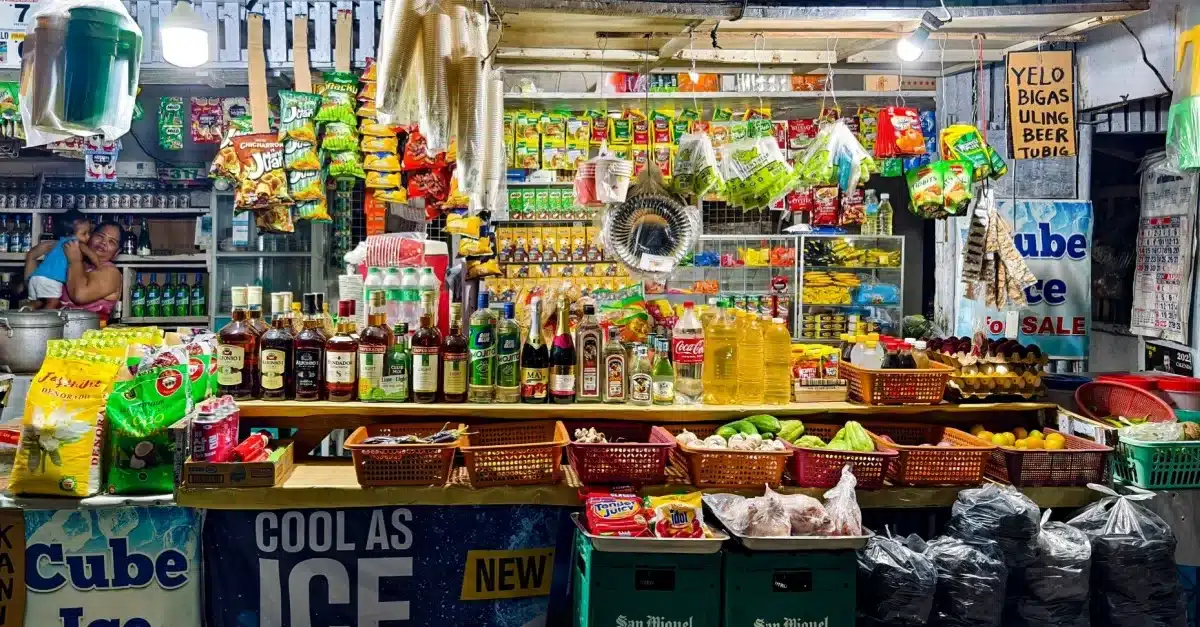
Samal’s electricity consumption remains relatively modest and highly seasonal, largely driven by tourism cycles rather than sustained industrial or residential demand. This creates uncertainty over how quickly the additional capacity will be absorbed.
Energy planners often face this balancing act, building ahead of demand to prevent future shortages while managing the financial risks of underutilized assets. In emerging island economies like Samal, such infrastructure-led investments are increasingly common, with transmission upgrades justified by anticipated growth rather than existing load.
Long-Term Energy Security
AboitizPower has framed the submarine cable as part of its broader strategy to invest in critical energy infrastructure that supports long-term development across its service areas. By linking Samal to the mainland grid, the project also reduces exposure to volatile fuel costs associated with diesel-based generation, an issue heightened by recent global oil price fluctuations.
As the island moves toward full grid integration, the success of the project will depend on how closely infrastructure expansion aligns with actual economic growth. For now, the submarine cable stands as both a technical milestone and a forward-looking investment, one that secures energy access while testing the pace of Samal’s development trajectory.
Source:
https://www.mindanaotimes.com.ph/samal-submarine-cable-launched/
https://tribune.net.ph/2026/04/17/aboitiz-boosts-samal-power-with-submarine-link-2
https://newsline.ph/samal-submarine-cable-delivers-power-but-capacity-outpaces-current-demand/