Table of Contents
THE Mindanao power grid is set for a major expansion, with 67 committed and indicative projects expected to add up to 4,580.895 megawatts (MW) of potential generation capacity from 2026 to 2031, nearly 90% of which will come from renewable energy sources.
Dr. Erick George D. Uy, officer-in-charge of the Energy Utilization Management Division of the Department of Energy (DOE) Mindanao Field Office, said the project pipeline is intended to support rising electricity demand while maintaining adequate supply and operating reserves across the island.
“The Department of Energy continues to facilitate investments in additional generation capacity, particularly renewable energy projects to support the country’s long-term energy security,” Uy said during a recent briefing.
The pipeline consists of 30 committed projects totaling 1,323.915 MW and 37 indicative projects with a combined capacity of 3,256.98 MW.
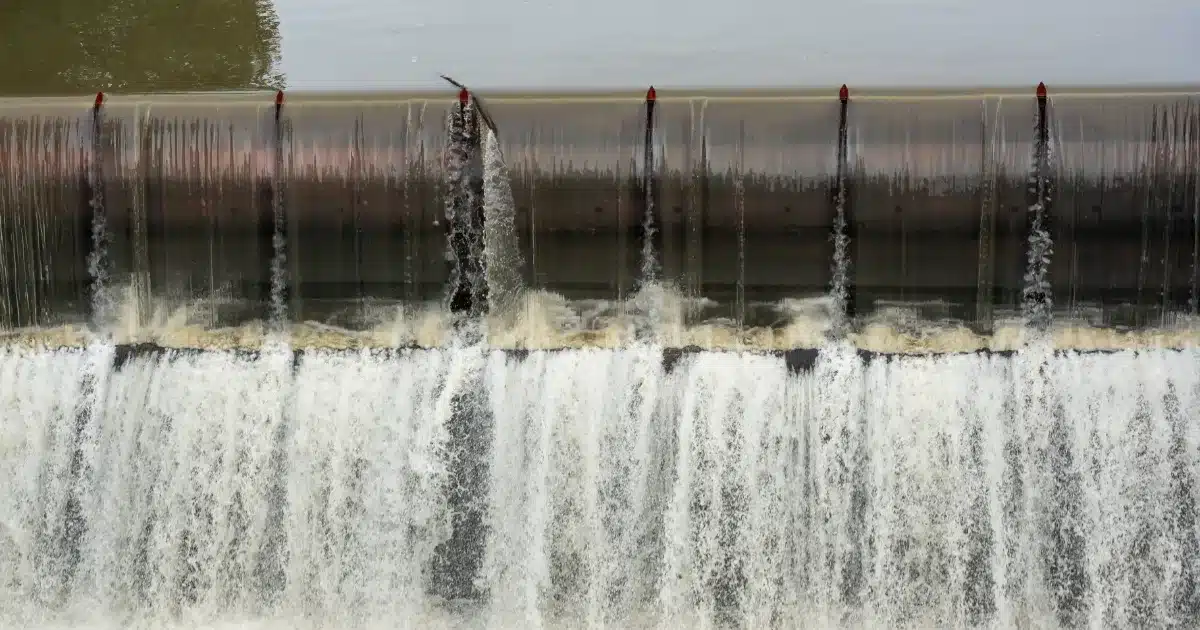
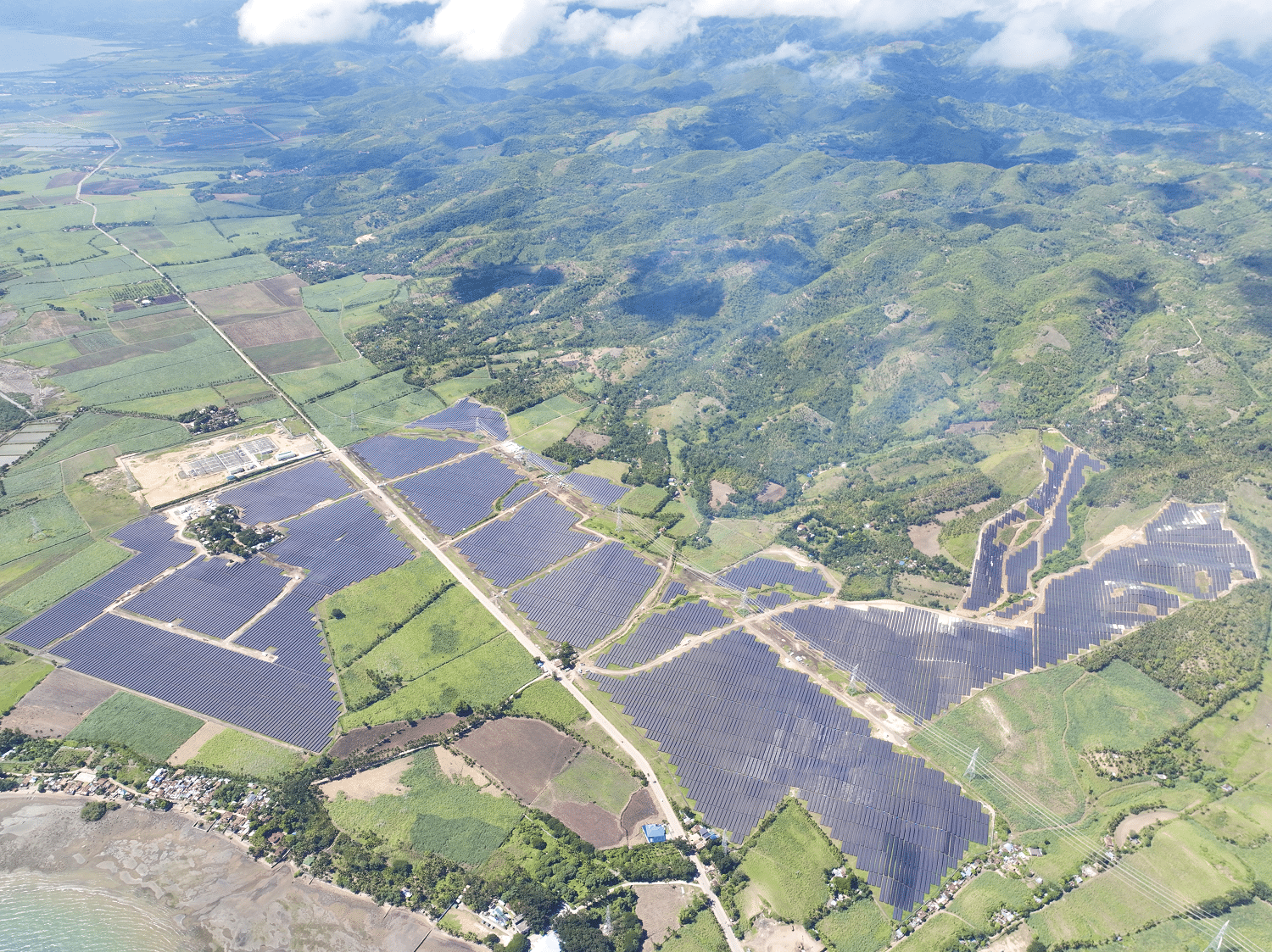
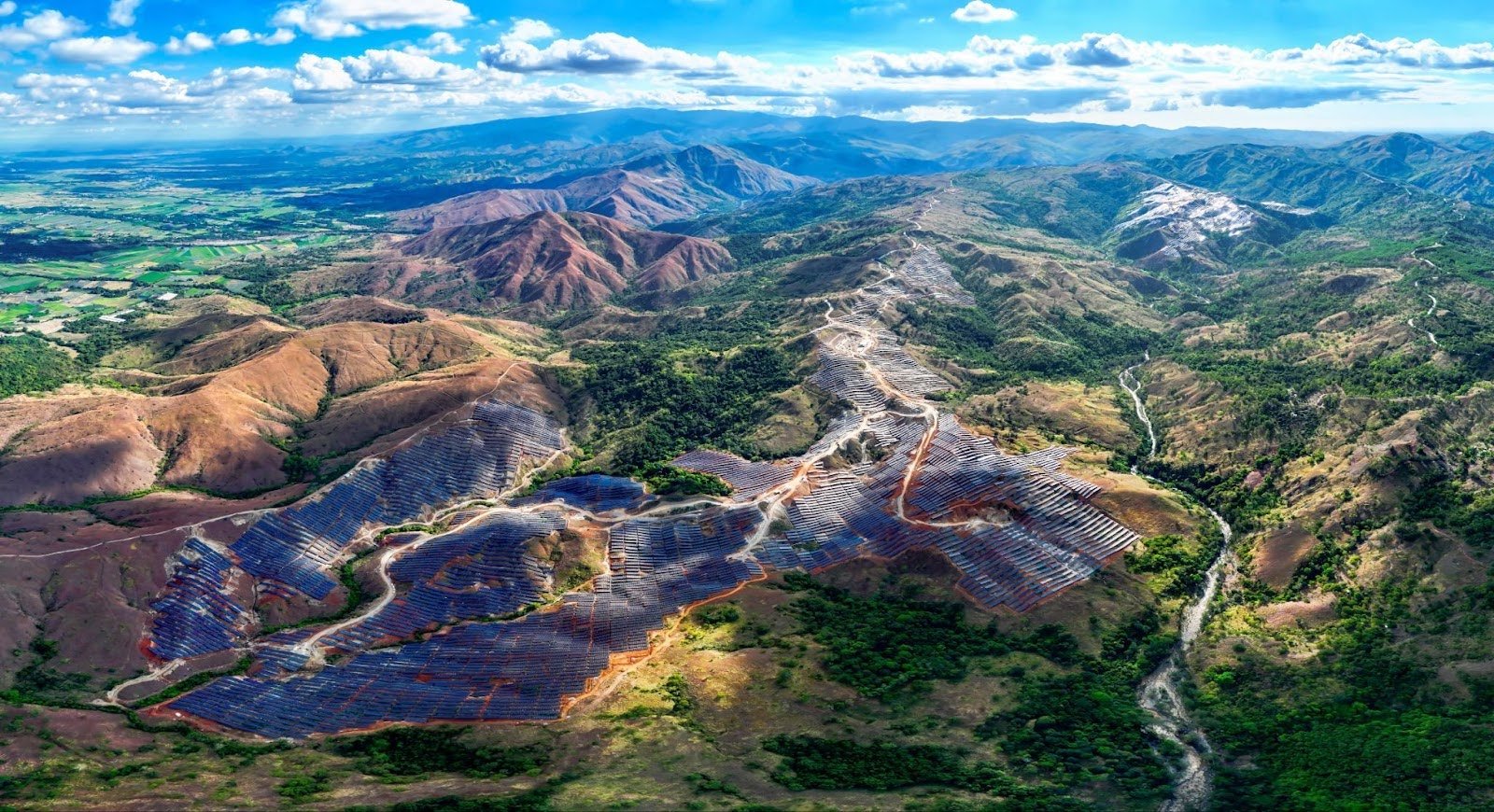
Renewable energy accounts for 26 of the committed projects, representing 997.915 MW or 75.38% of their total capacity. Solar projects make up the largest share at 616.135 MW from 14 projects, followed by wind with 296 MW from two projects and hydro with 85.78 MW from 10 projects.
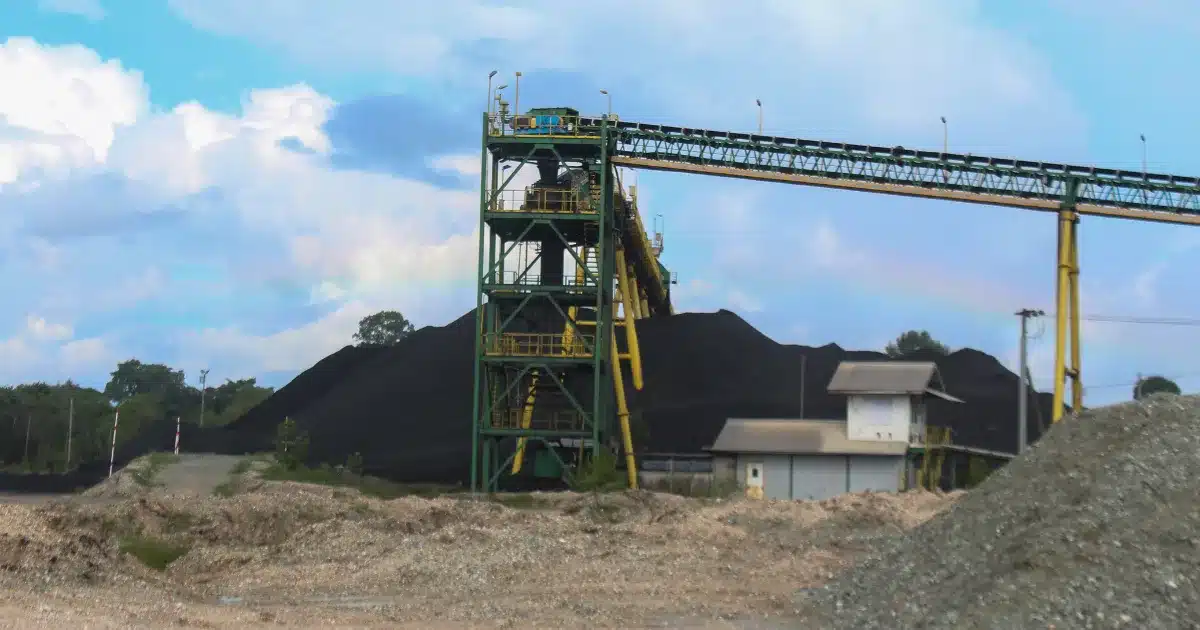
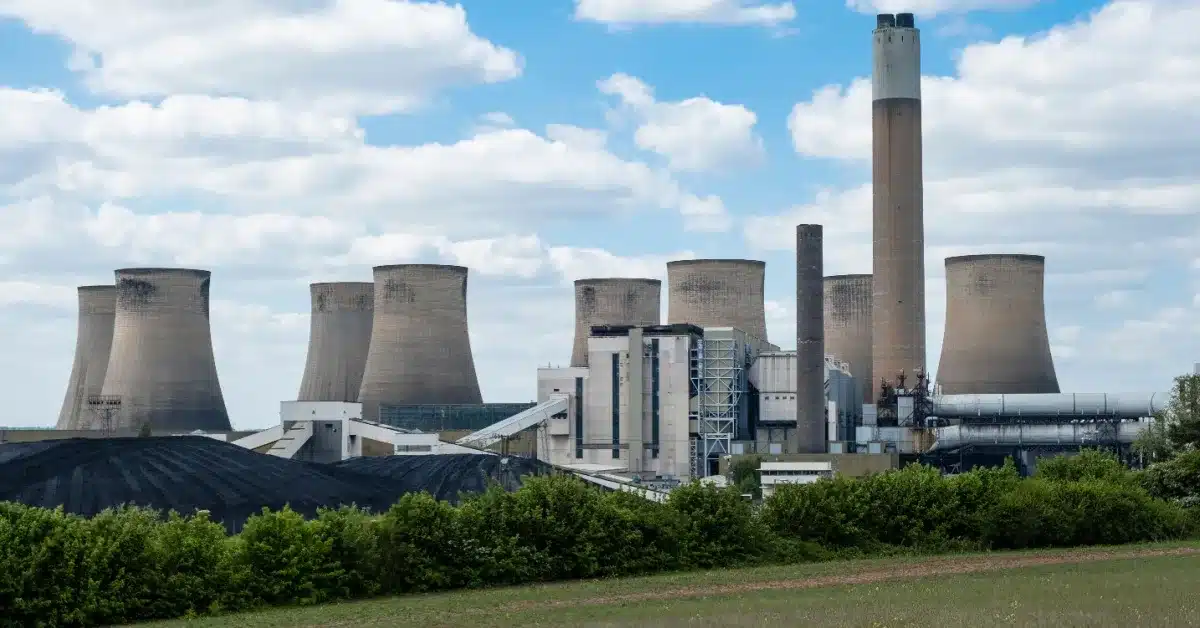
The committed pipeline also includes two coal projects totaling 270 MW and two oil-based projects totaling 56 MW. Seven energy storage projects with a combined capacity of 208 MW are also committed.
For the indicative projects, renewables account for 36 projects totaling 3,136.98 MW, or 96.32% of the category’s capacity. Wind leads with 1,232 MW from eight projects, followed by solar with 1,058.52 MW from 14 projects and hydro with 677.46 MW from 12 projects.
The indicative pipeline also includes a 119-MW geothermal project, a 50-MW biomass project, a 120-MW coal project and four energy storage projects totaling 134.28 MW.
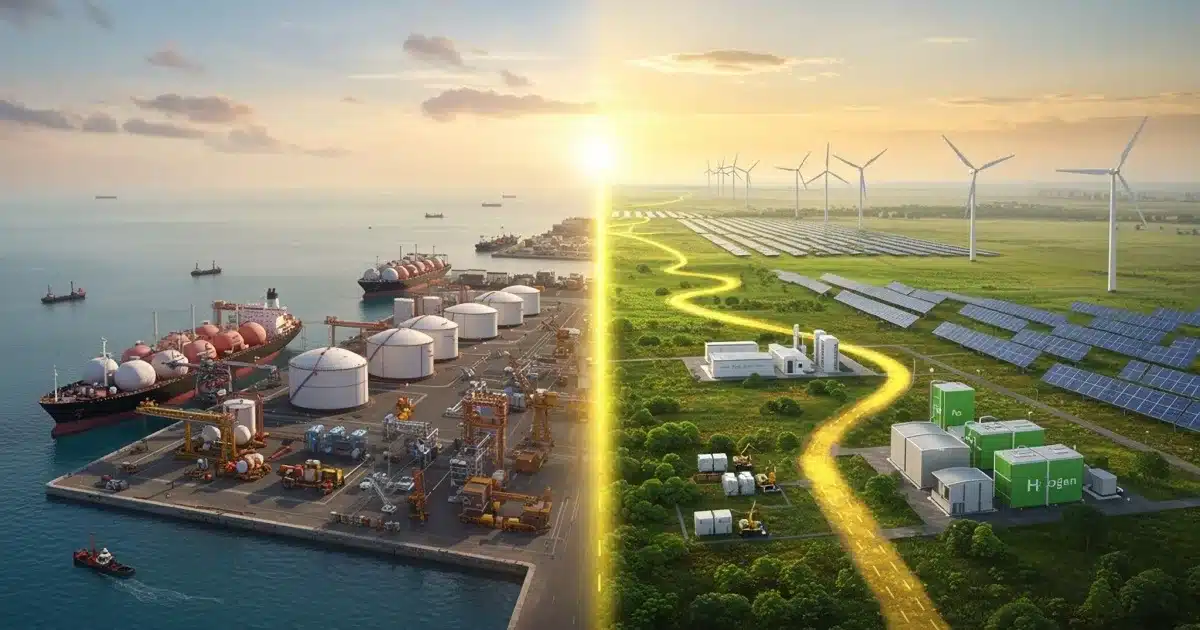
Taken together, renewable energy represents 90.26% of the 4,580.895-MW pipeline.
Supply Conditions
The planned expansion comes after periods of tight supply in Mindanao, when unexpected outages of generating units triggered Yellow and Red Alerts.
As of Sept. 20, the grid had average available generation capacity of about 3,226 MW against average demand of 2,451 MW, leaving a gross reserve of roughly 755 MW. Uy said Mindanao returned to normal grid operating conditions on Sept. 13.
“Mindanao has returned to normal grid operating conditions since 13 September 2026, with available generation capacity remaining sufficient to meet electricity demand and maintain an operating reserve,” he said.
The DOE expects no Yellow or Red Alerts for the rest of 2026 under normal conditions, although significant unplanned outages, particularly involving large baseload plants, could affect the outlook.
Uy said Yellow and Red Alerts indicate reserve conditions and do not automatically mean that consumers are experiencing power interruptions. A Yellow Alert means the operating reserve has fallen below the required level, while a Red Alert means available generation is insufficient to cover demand and the required reserve.
Project Pipeline
Among the projects identified in the pipeline are major renewable developments in the Davao region.
SMC Global Light and Power Corp.’s Malita Solar Power Project in Davao Occidental has four phases totaling 285 MW. Phase 1 has a target capacity of 108 MW, while the second phase is 27 MW, the third 30 MW, and the fourth 120 MW.
Other projects include the 119-MW Amacan Geothermal Project of Energy Development Corp. in Davao de Oro, two hydro projects totaling 63 MW in Davao Oriental, and the 35.2-MW Capital 1 Davao Solar Power Plant in Davao del Sur.
The DOE said it is working to accelerate project implementation through Certificates of Energy Projects of National Significance, which help expedite permits and clearances for qualified developments.
It has also mobilized Task Force 200 to monitor priority energy projects and address issues that could delay their completion and commissioning.
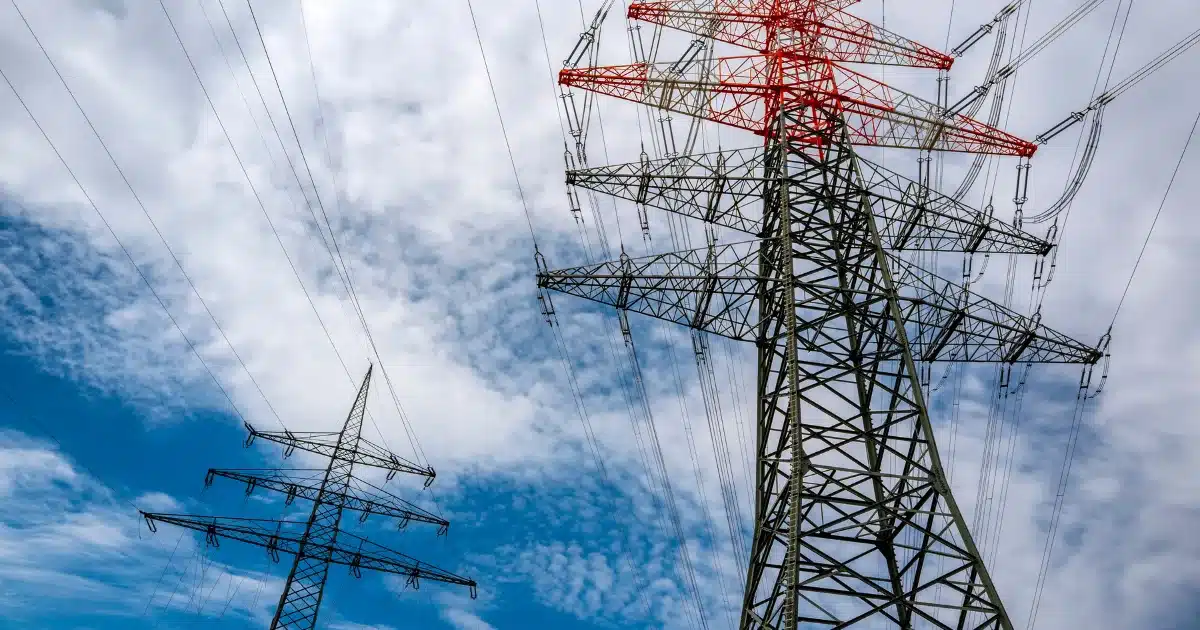
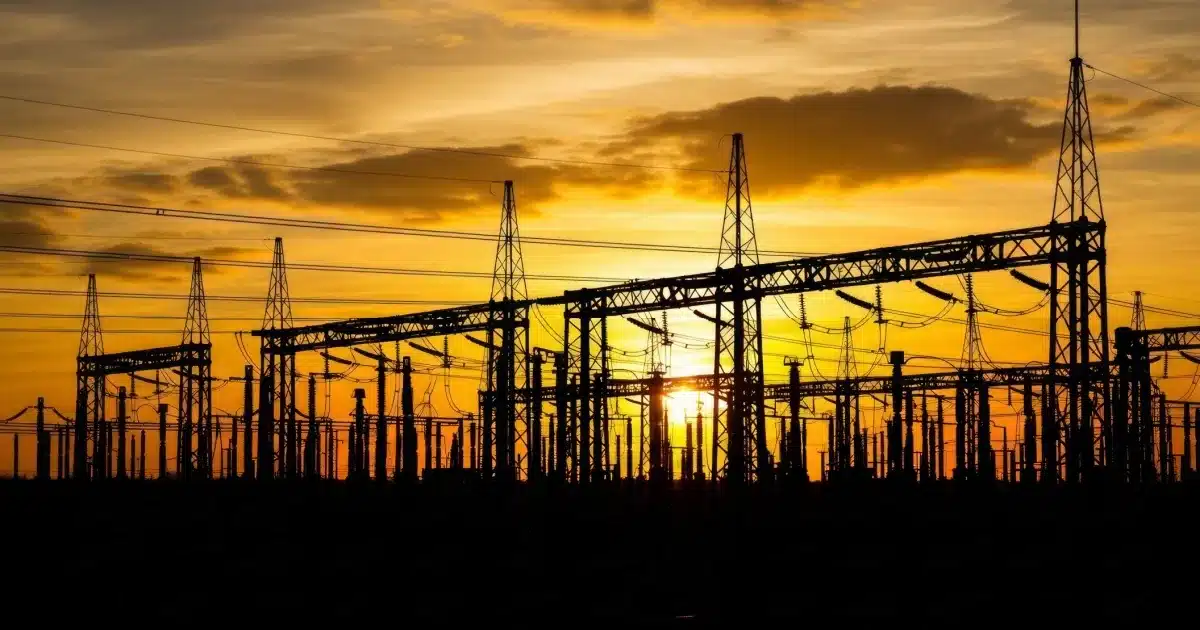
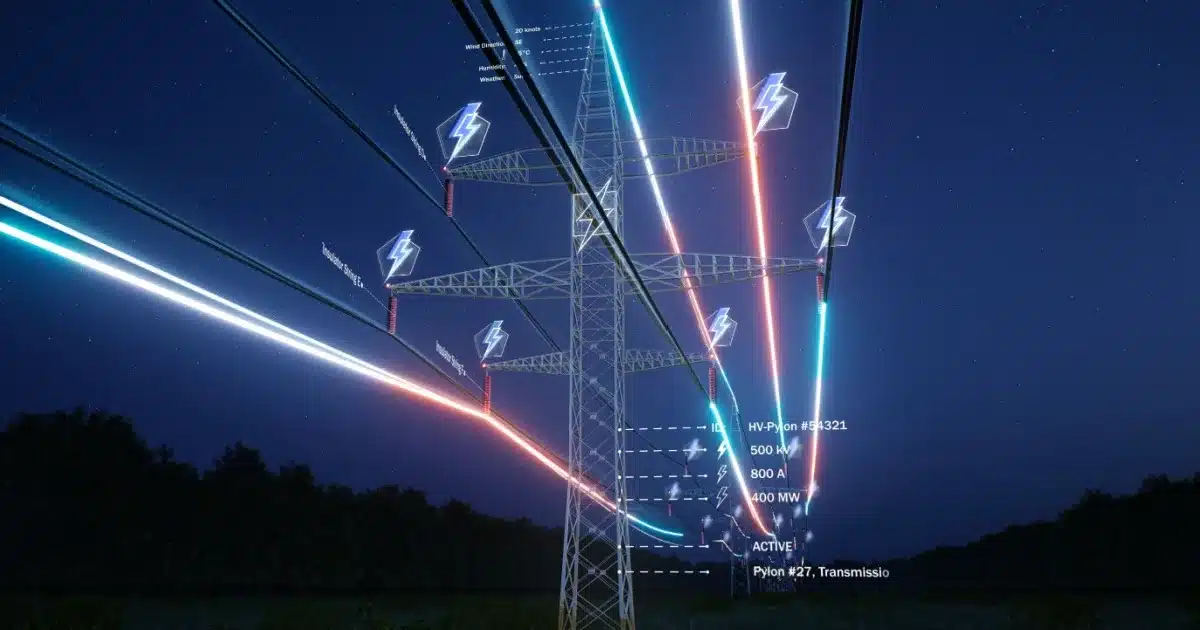
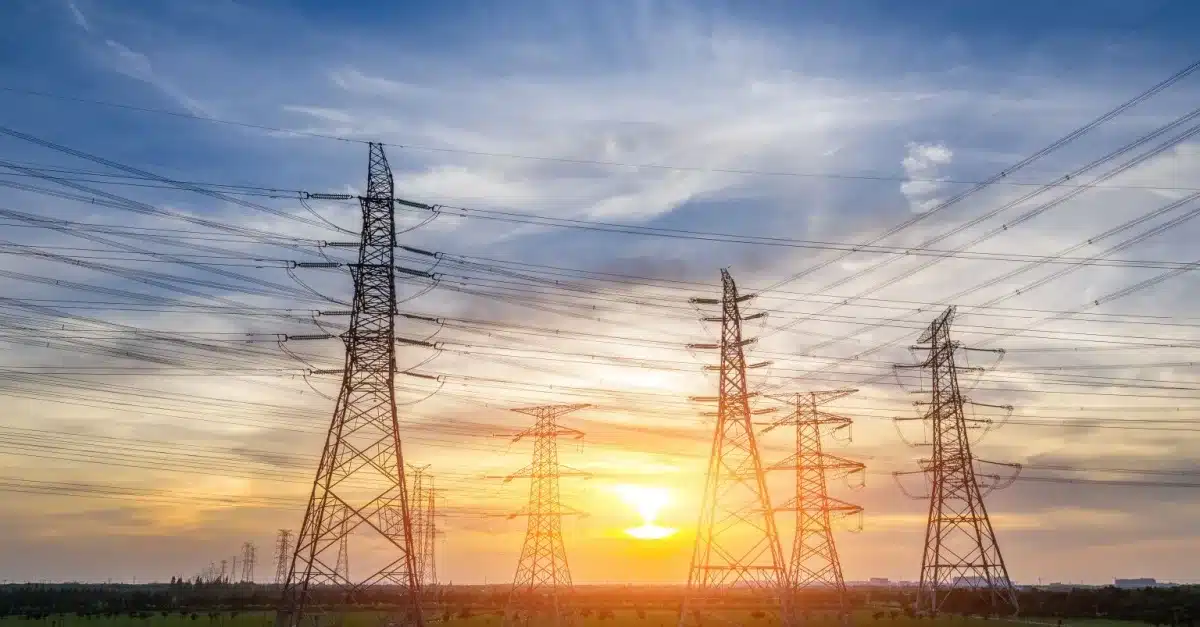
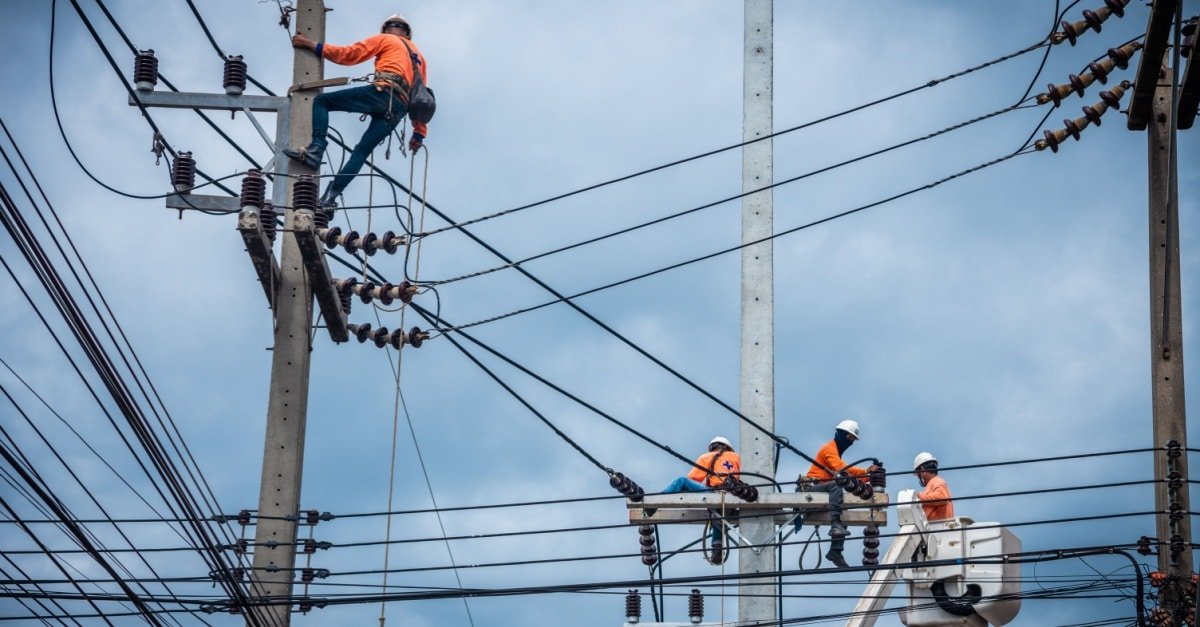
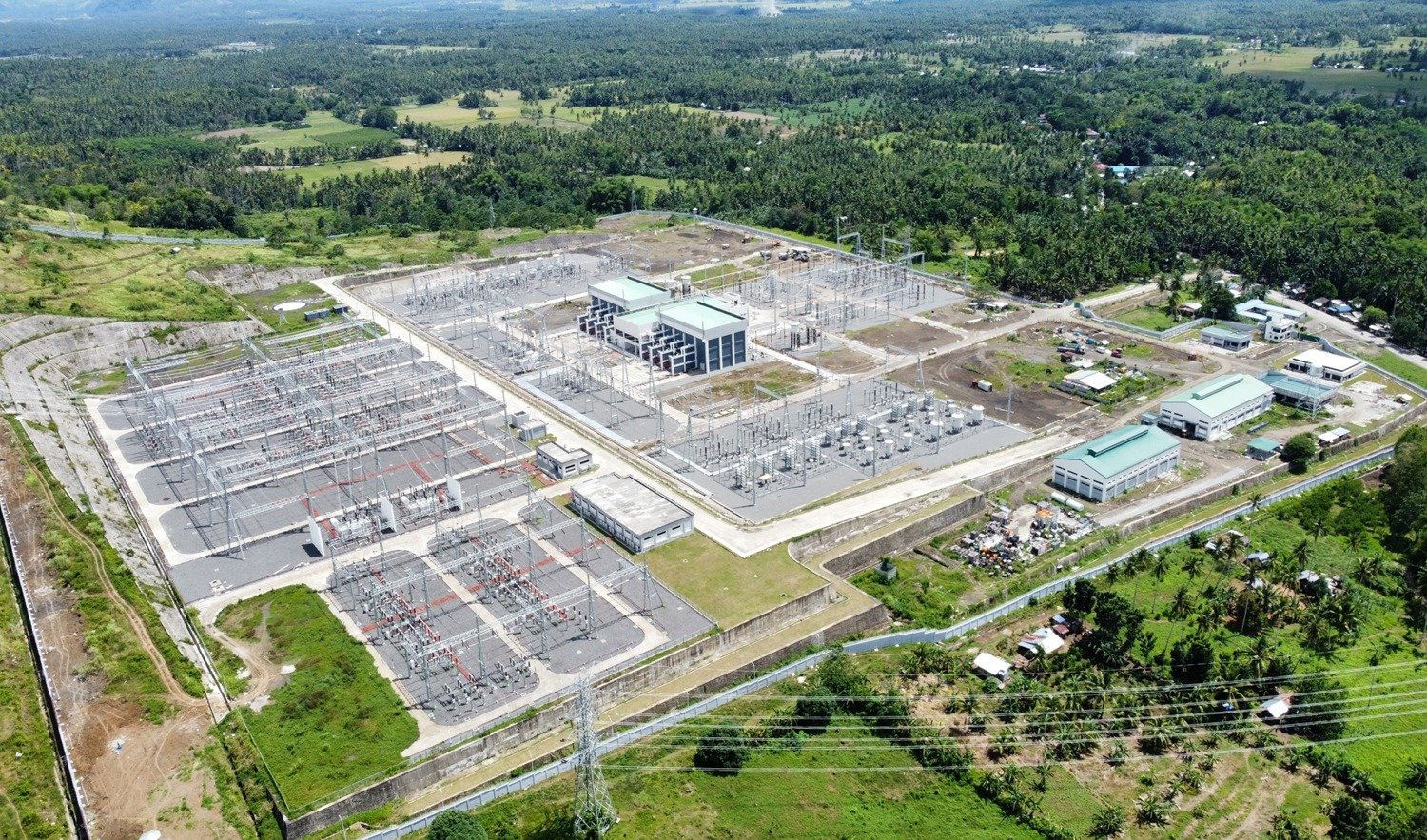
Transmission development is another focus. The DOE’s Ad Hoc Committee on Transmission Projects assists the National Grid Corp. of the Philippines in resolving issues that could delay transmission facilities and coordinates with project proponents on grid connection concerns.
Uy said the government is prioritizing renewable energy as Mindanao’s generation fleet expands. The DOE also continues to promote energy efficiency and conservation as a means of managing electricity demand.
“We see strong interest from investors, especially now that Mindanao is booming. A primary factor for this is the availability and stability of our power supply—particularly when compared to the Visayas grid. As mentioned earlier, since mid-September, we have fully returned to normal operations,” Uy said.
The DOE said the greenfield coal moratorium applies to new coal projects, while existing plants and projects that had secured the necessary approvals before the policy are treated separately.
Uy also said the agency has operationalized a Task Force on Energy Resiliency to coordinate assistance among electric cooperatives during disasters and speed up restoration of electricity service.
The DOE’s expansion program is aimed at ensuring that new generation capacity, particularly renewable projects, is matched by the transmission infrastructure and system reserves needed to support Mindanao’s growing electricity requirements.
Source:
https://www.mindanaotimes.com.ph/tag/mindanao-energy-utilization
https://www.sunstar.com.ph/davao/doe-eyes-over-4500-mw-boost-for-mindanao-power-supply
https://mindanews.com/business/2026/09/doe-sees-clean-energy-shift-in-mindanao