
Table of Contents
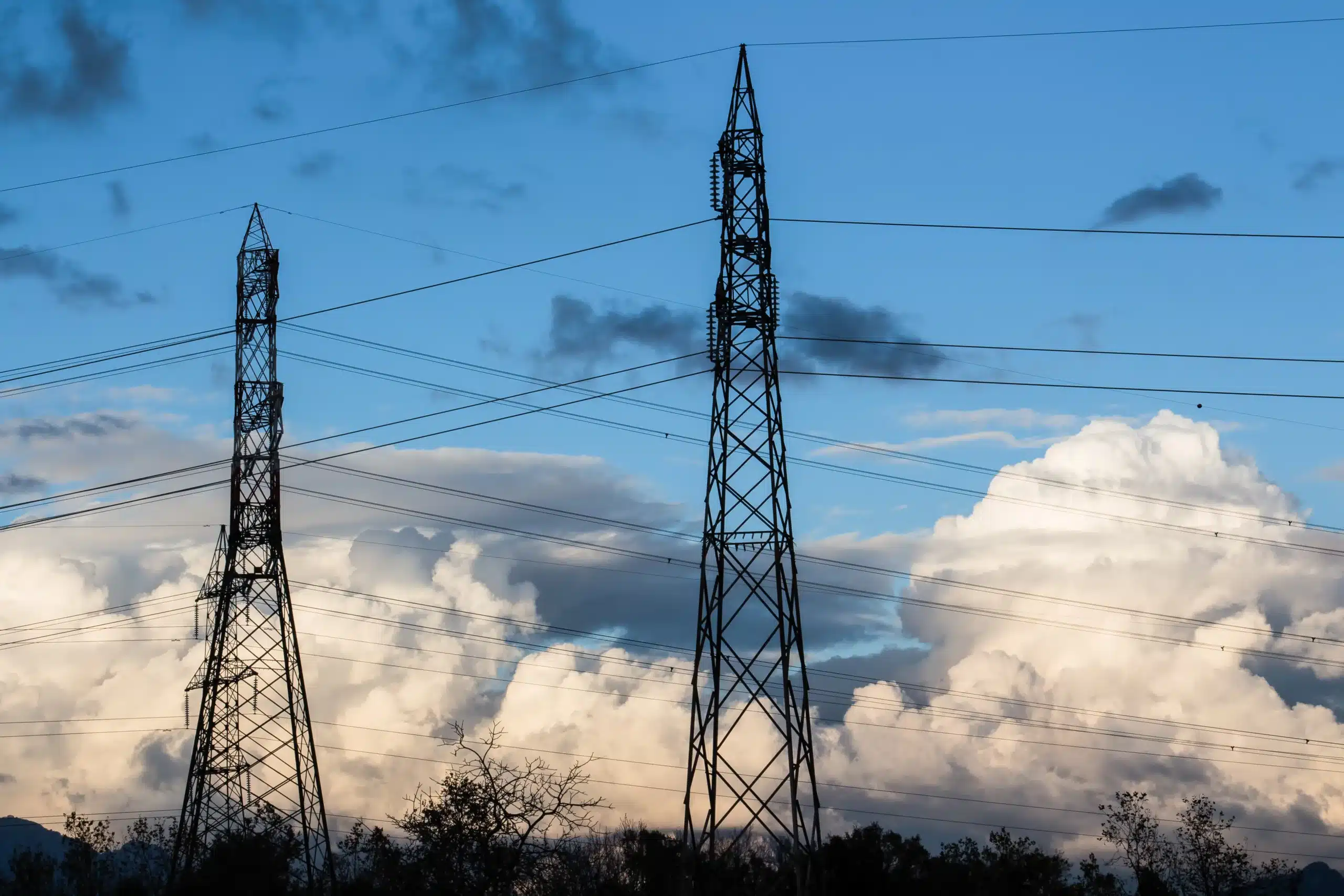
Mindanao’s power grid was placed under a red alert on September 2, signaling that available electricity supply had fallen below the grid’s requirements.
The National Grid Corporation of the Philippines (NGCP) raised the alert level from yellow to red from 1 p.m. to 4 p.m. and again from 5 p.m. to 8 p.m.
The grid’s available capacity slipped to 2,526 megawatts (MW) from 2,630 MW earlier in the day, while projected peak demand climbed to 2,545 MW from 2,487 MW—leaving the grid with a supply shortfall.
According to the NGCP, the alerts were extended as several major coal-fired plants remained offline, including Units 1 and 2 of GNPower Kauswagan in Lanao del Norte and Unit 2 of Therma South in Davao. At the same time, higher-than-expected demand and reduced overall generation capacity further tightened the Mindanao grid.
Yet the recent shortages appear at odds with Mindanao’s overall power picture earlier this year. Department of Energy (DOE)-Mindanao official Darwin Galang noted that the region averaged 3,320 MW of available capacity from January to July, well above its May 12 peak demand of 2,775 MW.
But Mindanao’s reserves are not entirely for local consumption. Some power is exported to the Visayas through the inter-island connection, particularly when Mindanao has sufficient capacity. This means an overall power surplus does not necessarily guarantee adequate supply for Mindanao consumers when demand rises, or major plants go offline.
(Also read: Can Private Capital Save Struggling Electric Cooperatives?)
Mindanao’s Power Supply: From Surplus to Strain
The power alerts in Mindanao have been recurring since August. From Aug. 10 to 14, the grid was placed under consecutive yellow alerts as operating reserves fell below the required contingency level. On Aug. 10, the situation escalated to a red alert for several hours, with available supply unable to meet consumer demand and the grid’s regulating reserve requirement.
DOE and NGCP records show no documented red alert on the grid from 2019 through Aug. 9, 2026. For the Davao Consumer Movement (DCM), this marked “ a significant deterioration from the relatively stable supply conditions Mindanao experienced in the years following its power crisis in the 2010s.”
The group added that the latest alerts should serve as a wake-up call for the national government and power regulators. With Mindanao’s supply tightening, it urged swift action to avert a repeat of the region’s power crisis more than a decade ago.
“The government, however, has long been aware of Mindanao’s projected power requirements,” declared DCM, pointing out that in 2021, the Mindanao Development Authority (MinDA) already projected that the region would need about 3,500 MW in additional capacity by 2030, with power demand expected to grow roughly 7% annually.
In 2024, MinDA renewed its warning that the region could face shortages within three to five years without new power producers. The DOE-Mindanao Field Office similarly projected that existing capacity would suffice for only about three more years without additional generation, while industry players warned of a supply shortfall within five years if there were no new investments in baseload power plants.
In January 2026, MinDA and the DOE moved to align plans for Mindanao’s future power needs, including securing firm baseload capacity while ramping up renewables such as solar and battery storage. They also flagged the expected growth of mining and other energy-intensive industries as key drivers of demand.
But new generation projects have been slow to materialize, raising concerns that supply may not keep pace with Mindanao’s economic expansion. With power plants taking years to clear permits, secure financing, build, and begin commercial operations, delays today could widen the supply gap tomorrow.
“The recent Yellow Alert episodes should not be dismissed as isolated incidents,” stressed DCM. “They should instead serve as an early warning that Mindanao’s once-comfortable power reserves are being eroded by increasing demand and the unavailability or derating of generating plants.”
Why Baseload Capacity Is Critical
Mindanao’s power outlook was markedly stronger in previous years than the situation confronting the grid today. In 2025, the region avoided major supply disruptions, buoyed by a sustained surplus and improved grid reliability. On June 15 alone, Mindanao exported 389 MW of excess power to the Visayas through the Mindanao-Visayas High Voltage Direct Current (HVDC) link, demonstrating the strength of its supply at the time.
DOE-Mindanao attributed the surplus to expanded generation capacity, a more diverse power mix, and improved grid infrastructure. The foundation of that stability was firm generation, with coal accounting for 50.8% of Mindanao’s dependable capacity, while oil-based sources contributed 17.6% and renewables 31.6%. The figures underscore the role of baseload generation in keeping the grid stable even as renewable capacity expands.
A stronger power supply could also help ease electricity costs. While the launch of the Wholesale Electricity Spot Market (WESM) in Mindanao in 2023 has made the market more competitive and responsive to supply and demand, the Davao City Council noted that prices still depend on market movements, the cost of producing power, generating plant outages and maintenance, regulatory actions, and conditions in the broader Philippine power market.
For instance, Davao City is currently contending with high electricity costs. Councilor Louie John Bonguyan, chair of the Committee on Energy and Water, said consumers could begin seeing lower bills within months if Davao Light is able to secure more affordable baseload power.
In a separate resolution, the city council asked Therma South to assess whether it should proceed with the second phase of its power plant. The company was previously authorized to develop up to 645 MW, but only 300 MW is currently in operation.
Bonguyan explained that expanding TSI’s baseload capacity could boost local power supply and lessen Davao’s reliance on potentially costly and volatile spot-market purchases.
(Also read: Davao Light Promised Cheaper Power. Will It Deliver?)
Stable Power Translates to Economic Growth
The stakes go beyond keeping the lights on. As Mindanao attracts new investments, industries and economic activity, the region’s ability to sustain growth will increasingly depend on having enough reliable power to support it.
The Department of Finance remains optimistic about Mindanao’s economic prospects, but that growth could be constrained if the power system cannot keep pace. For businesses deciding where to invest and expand, a dependable electricity supply is not a luxury. It is a prerequisite for growth.
Mindanao’s experience could offer a cautionary lesson from elsewhere. In Occidental Mindoro, easing a severe power crisis helped unlock a sharp economic turnaround, with the province emerging as the country’s fastest-growing local economy in 2025.
The province’s growth surged to 11.2% in 2025 from just 2.1% a year earlier, according to the Philippine Statistics Authority. It was the only one among the country’s 82 provinces and 33 highly urbanized cities to post double-digit growth.
Occidental Mindoro’s lone representative, Rep. Leody Tarriela, attributed the turnaround largely to the province’s success in shedding its long-standing reputation as the “brownout capital of the Philippines.”
This offers Mindanao a clear lesson: power reliability can help unlock economic growth, while chronic shortages can hold it back.
Mindanao is still in a position to avoid that outcome. But doing so will require moving faster to bring new generation capacity online, particularly firm and dependable power that can withstand rising demand and unexpected plant outages. The recent alerts should not be treated as a crisis yet. They should be treated as a warning that there is still time to act, before the region runs out of it.
Sources:
https://newsinfo.inquirer.net/2297720/mindanao-grid-placed-under-red-yellow-alerts
https://mb.com.ph/2026/08/04/davao-city-council-urges-davao-light-to-secure-additional-power-supply
https://www.mindanaotimes.com.ph/dcm-is-mindanao-headed-toward-another-power-crisis/
https://www.sunstar.com.ph/davao/mindanao-power-supply-stable-throughout-2025
https://opinion.inquirer.net/194163/dispersing-economic-progress