Table of Contents
The Philippines is pushing for the establishment of its first coal blending terminal, a proposed facility that could help reduce the country’s heavy dependence on Indonesian coal by allowing domestic supplies to be mixed with higher-grade imports for use in local power plants.
Energy Secretary Sharon Garin said the government wants the private sector to take the lead in developing the facility, which is being considered for Mindanao and could involve major power generators, coal miners and traders.
The proposal comes as Indonesia, which supplies the vast majority of the Philippines’ imported coal, moves to tighten control over exports of key commodities, including coal, beginning in January 2027.
Addressing concerns over the country’s energy security, Garin said the Philippines needed to diversify its coal supply and make better use of domestic resources.
“We don’t have energy security as far as coal is concerned,” she said, noting that around 95 percent of the country’s coal supply is imported and that Indonesia accounts for nearly all of those imports.
Maximizing Domestic Coal
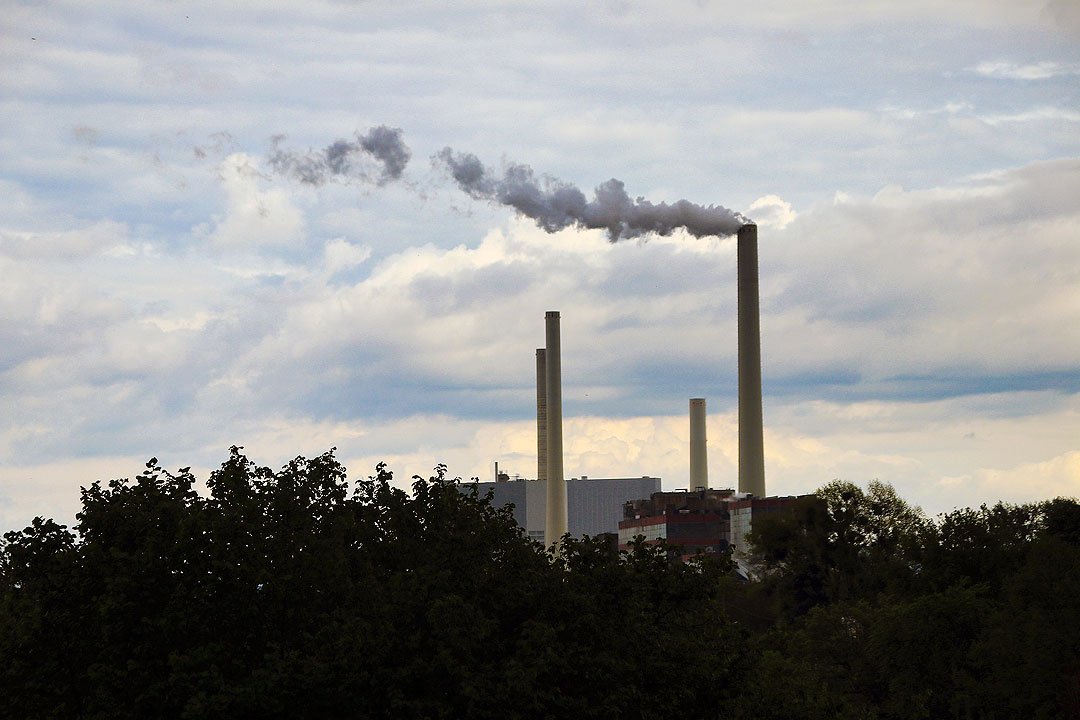
Coal remains a major part of the Philippine power mix, accounting for about 60 percent of electricity generation capacity or energy supply, making the country among the most coal-dependent power systems in Southeast Asia.
The Philippines has domestic coal resources, but much of the locally produced fuel does not match the specifications required by some coal-fired power plants.
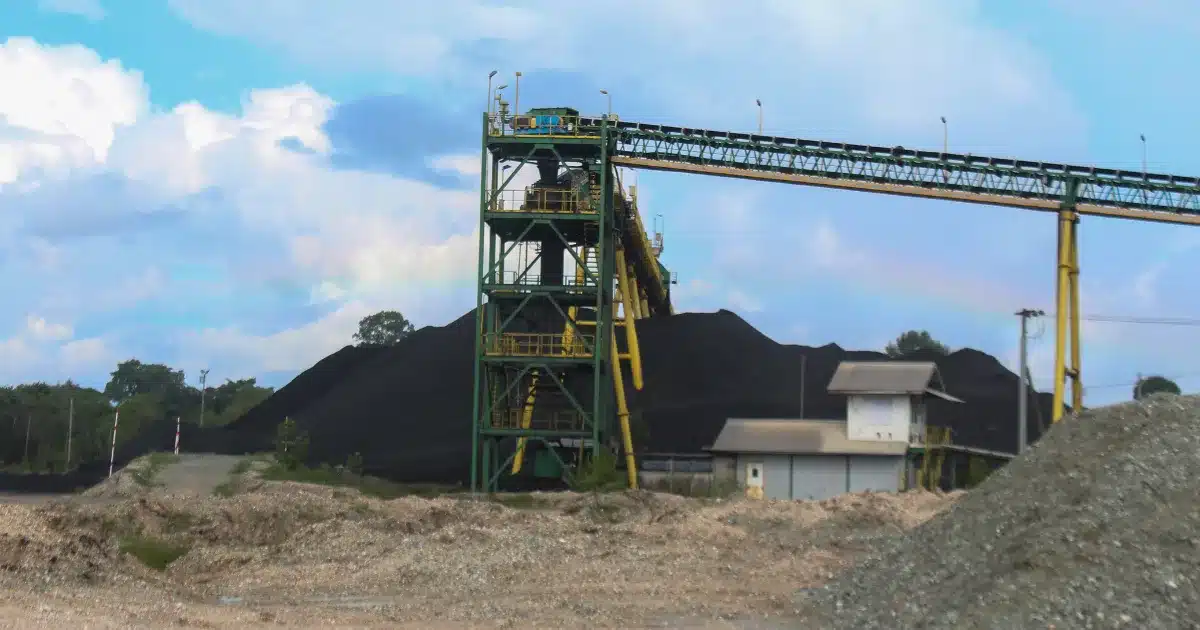
The Semirara coal mine in Antique, the country’s largest domestic producer, supplies low- to medium-rank sub-bituminous coal with relatively lower calorific value. Some local power plants, however, operate more efficiently using higher-calorific-value coal.
A blending terminal could address that mismatch by combining domestic coal with higher-grade imported supplies and adjusting the mixture to meet the requirements of different power plants and industrial users.
Garin said this would allow the country to maximize the use of Semirara coal and other local reserves rather than relying almost entirely on imported fuel.
“Most of our local coal is not good enough for our power plants, but we can mix our coal with something that makes it useful,” she said.
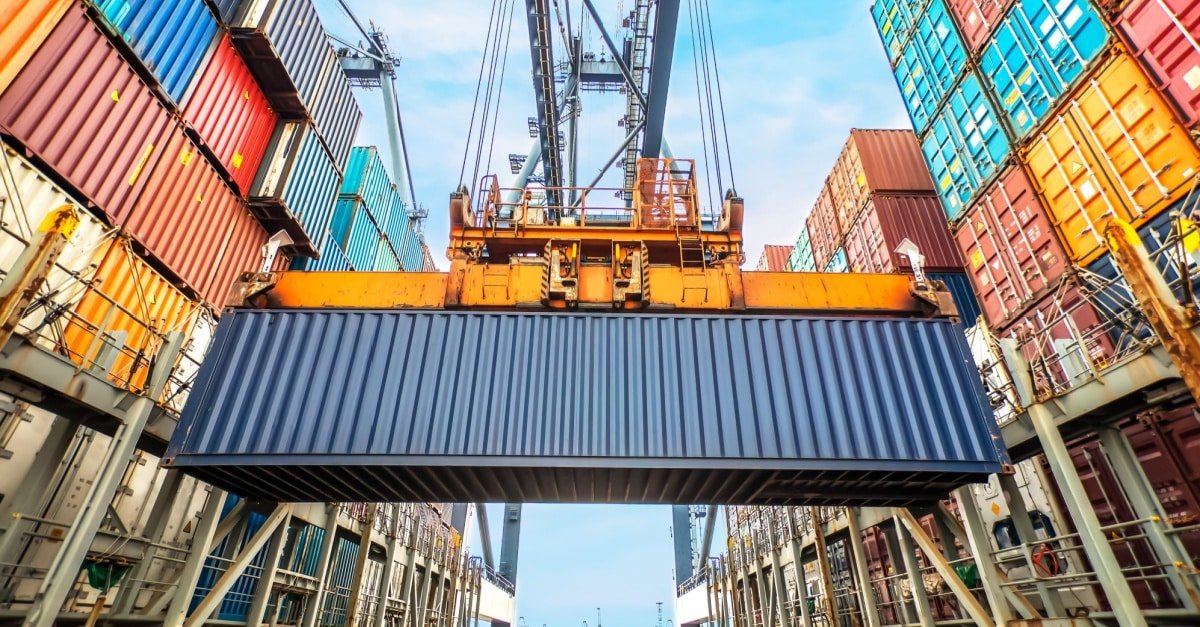
The proposed facility would source coal from both domestic and foreign markets, then process and blend different grades of fuel according to the needs of buyers.
Possible Mindanao Site
The Department of Energy is considering Mindanao as a possible location for the terminal because of the region’s smaller coal sites and access to ports that could facilitate the handling and delivery of supplies.
PNOC Exploration Corp. is expected to conduct a feasibility study to determine the project’s commercial viability, including its potential impact on electricity prices.
The final location remains subject to the study, but Garin said proximity to a port would be critical to allow efficient transport and handling of both imported and locally sourced coal.
“I hope to sell the idea to our stakeholders, and that will take time. It’s not a complicated project — it’s just having the terminal and the equipment — but it might take time,” she said.
Private Sector Urged To Lead
Garin has called on generation companies, coal miners and traders to form a consortium that could finance, develop and operate the terminal.
The government, she said, could retain only a minority stake to provide regulatory oversight rather than serve as the facility’s operator.
“This is something that we hope the private sector can embark on,” Garin said.
The proposal has already drawn interest from major players in the Philippine power industry.
Meralco PowerGen Corp., the power generation arm associated with the Manuel V. Pangilinan group, was among the first companies to express interest in the project. MGEN president and chief executive Emmanuel Rubio said the company wanted to learn more about the DOE’s proposed framework, including the commercial structure and how a private sector consortium could participate.
Aboitiz Power Corp. has also expressed openness to possible strategic partnerships involving the planned facility. The company said it remained open to partnerships that could support its growth and diversify its portfolio, while also exploring opportunities that could help reduce power costs and maintain reliable electricity supply amid rising demand.
Indonesia Risk
The planned terminal has gained urgency as Indonesia prepares to centralize and tighten its control over coal exports.
Under the new rules, coal exporters will be required to report their activities to a state-owned firm, with the Indonesian government expected to assume fuller control over coal exports by January 2027.
Garin said the policy shift highlighted the risks of the Philippines’ dependence on a single major supplier.
Apart from developing a blending terminal and increasing the use of domestic coal, the DOE is also discussing alternative sources with Australia.
Source: