Table of Contents
Electricity service has been restored to nearly all areas affected by the recent magnitude 7.8 earthquake in southern Mindanao, with the Department of Energy (DOE) reporting that power recovery efforts were completed in less than 10 days even as the broader Mindanao grid continued to operate with sufficient reserves to meet growing demand.
The DOE said electricity services in General Santos City and across the franchise area of the South Cotabato II Electric Cooperative (SOCOTECO II) have been substantially restored following the powerful earthquake that struck southern Mindanao earlier this month.
According to the agency, the rapid restoration was made possible through coordinated efforts involving the DOE, the National Electrification Administration (NEA), the National Power Corp. (NPC), Task Force Kapatid, electric cooperatives, local government units, and private sector stakeholders.
Recovery Ahead Of Schedule
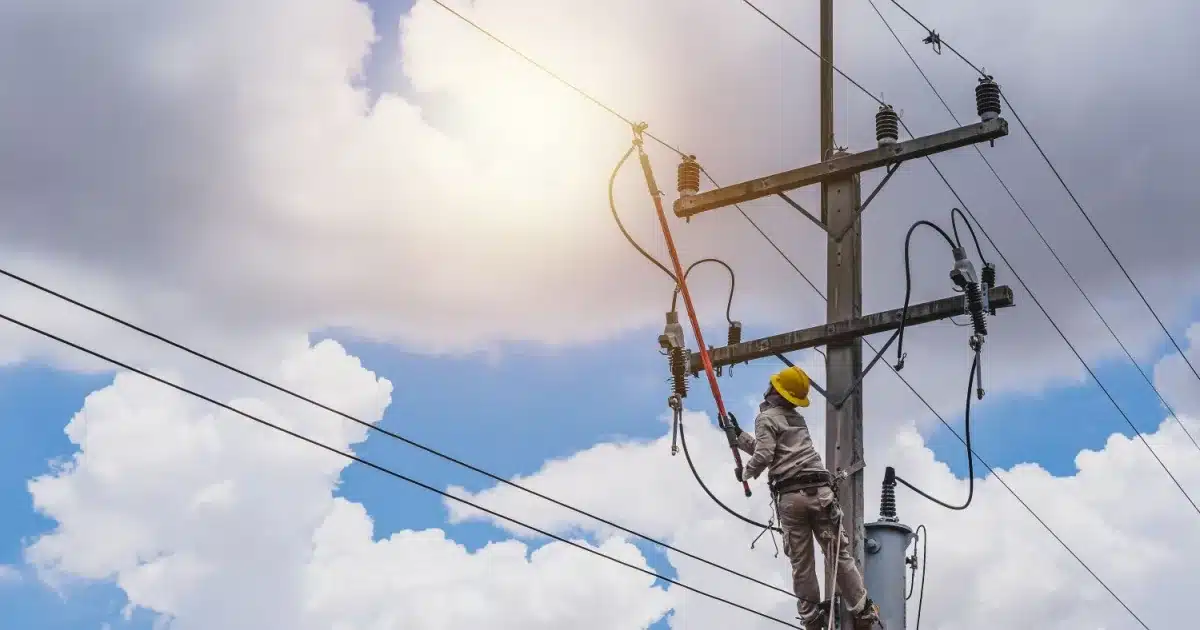
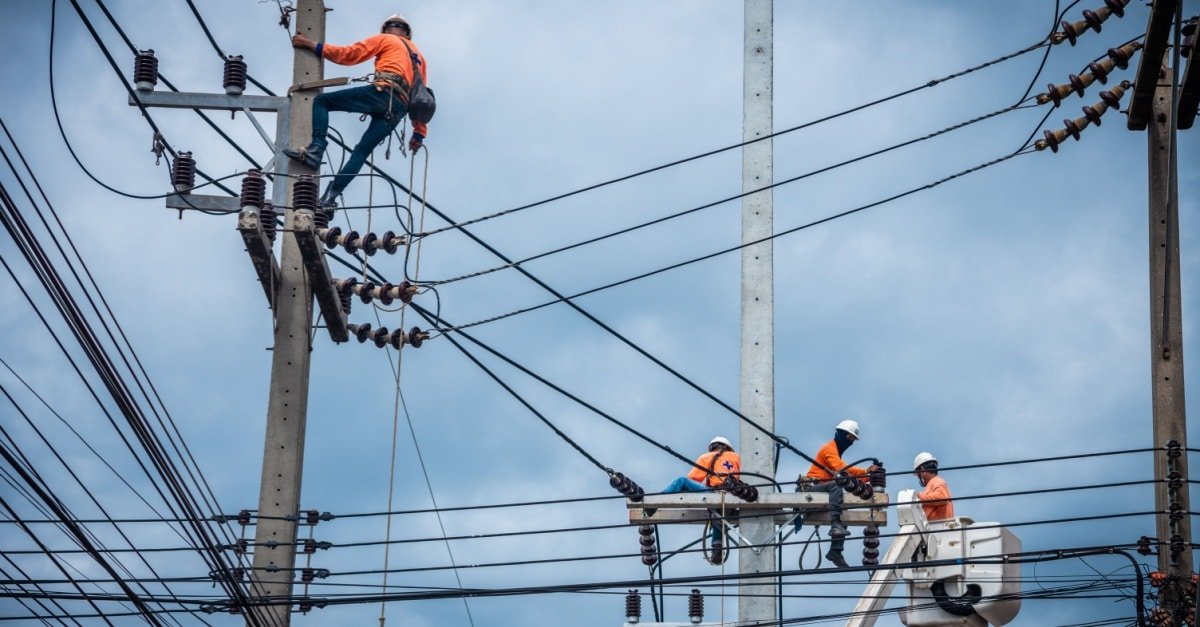
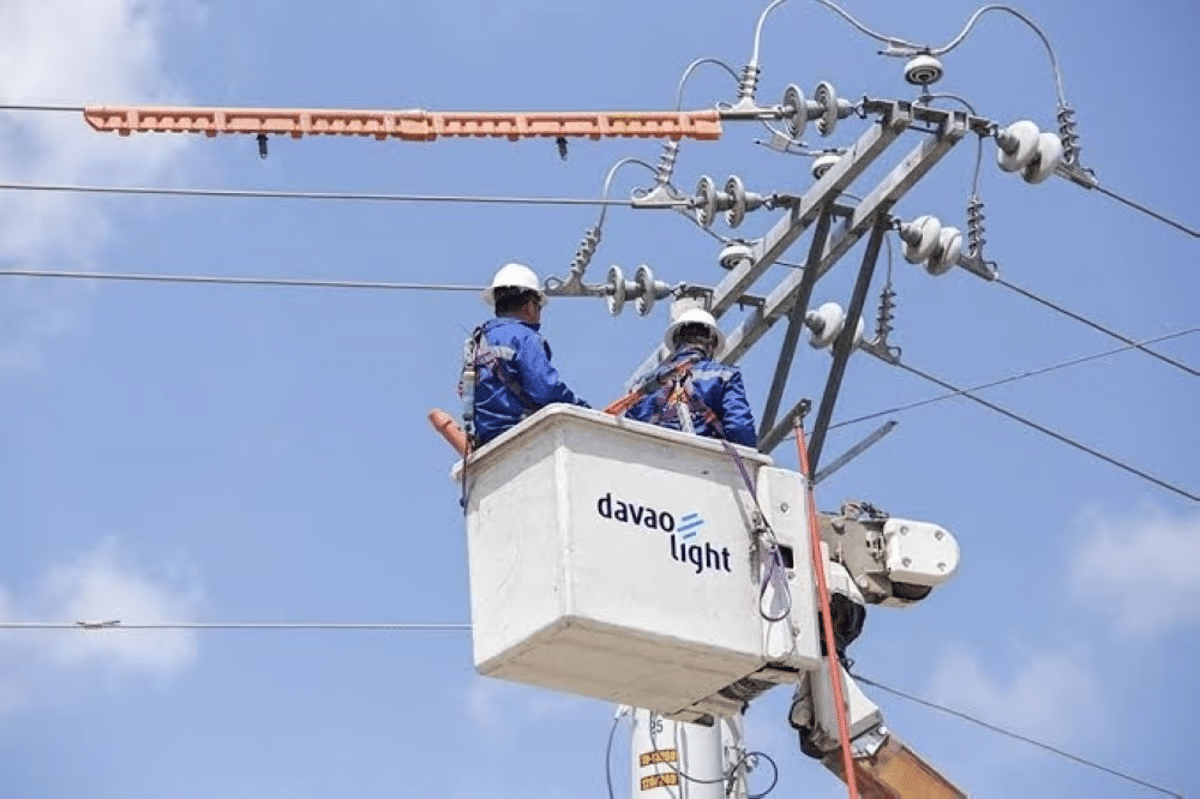
The DOE said Task Force Kapatid, composed of 184 personnel from 26 electric cooperatives, played a key role in restoring power to approximately 95 percent of affected consumers in General Santos City within 72 hours after the earthquake.
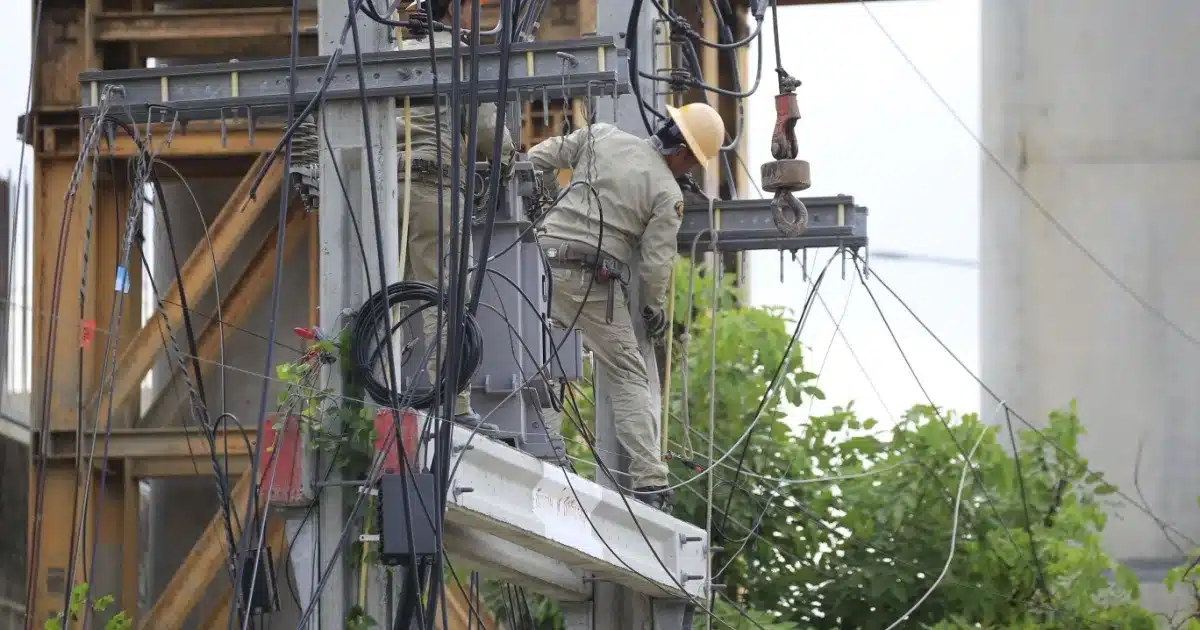
Restoration teams also faced significant challenges in Sarangani, where damaged roads, landslides, and disruptions to critical infrastructure complicated recovery operations. Despite these obstacles, crews were able to relocate a damaged 69-kilovolt transmission line in less than 48 hours, helping accelerate the return of electricity to affected communities.
NEA Administrator Antonio Almeda reported that as of June 18, energization across the SOCOTECO II franchise area had reached 99 percent. The restored electricity supply allowed households, businesses, schools, hospitals, and other essential facilities to resume normal operations.
The DOE noted that the recovery effort was completed in under 10 days, a timeline significantly shorter than what would normally be expected given the extent of the damage caused by the earthquake. Under ordinary circumstances, repairs of similar magnitude could have taken several months.
NPC President and Chief Executive Officer Jericho Jonas Nograles said the Kalamansig Diesel Power Plant resumed operations just 80 minutes after the earthquake struck, helping stabilize electricity supply in affected areas.
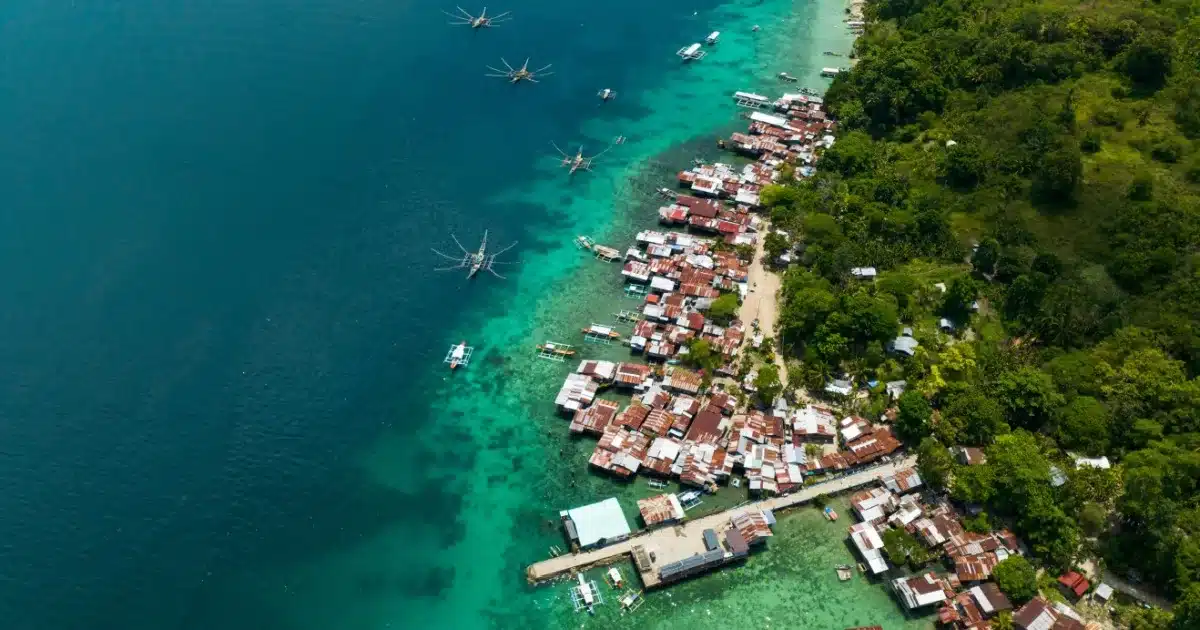
Power services in Sarangani Island were likewise substantially restored by June 21. In nearby Balut Island, power provider PSPI achieved full energization of all barangays by June 18, except for a limited number of isolated homes that sustained severe damage during the disaster.
Mindanao Grid Remains Stable
While restoration activities were ongoing in the earthquake-hit areas, the DOE reported that Mindanao’s overall power system remained stable, supported by generation capacity that continued to exceed demand.
Based on the DOE’s Mindanao 2026 Demand-Supply Situation report, the island’s year-to-date peak demand reached 2,775 megawatts (MW) on May 12. Despite rising electricity consumption driven by economic activity and industrial growth, available capacity has remained sufficient to support demand.
As of June 18, Mindanao recorded a peak demand of 2,632 MW against available generation capacity of 3,109 MW, resulting in a gross reserve margin of 477 MW. Total energy generation for the day reached 63,570 megawatt-hours.
DOE data showed that from January 1 to June 18, average actual system demand stood at 2,427 MW while average available capacity reached 3,357 MW. This translated to an average gross reserve of 930 MW, indicating that electricity supply consistently remained above demand requirements during the first half of the year.
Operational data also reflected fluctuations in reserve levels during the second week of June. Reserve margins reached as high as 936 MW on June 13 when demand eased to 2,174 MW and available capacity rose to 3,110 MW. As demand increased in the succeeding days, reserves narrowed but remained positive, ensuring uninterrupted electricity service across the island.
By June 18, reserves had declined to 477 MW as demand climbed to 2,632 MW. Nevertheless, available generation capacity continued to exceed electricity requirements, preventing supply shortages and maintaining grid reliability.
Long-Term Resilience
Garin said the recent earthquake highlighted the importance of strengthening the resilience of the country’s energy infrastructure in line with President Ferdinand Marcos Jr.’s directive to “build back better” following major disasters.
“Every disaster provides valuable lessons on how we can make our energy systems stronger and more resilient. Guided by the President’s directive, we are pursuing long-term measures that will help reduce vulnerabilities and ensure that communities can recover more quickly from future disruptions,” she said.
Among the initiatives being pursued is NEA’s pilot underground cabling project in Naga City, which is being implemented in partnership with the Department of Public Works and Highways and the local government.
The project aims to place electric and telecommunications lines underground along a major corridor serving schools and commercial establishments. It also complements broader urban development efforts that include the installation of bicycle lanes and solar-powered street lighting.
The DOE said it continues to closely monitor power supply conditions across Mindanao as electricity demand grows, while advancing infrastructure improvements designed to strengthen reliability and disaster resilience throughout the energy sector.
Source:
https://www.manilatimes.net/2026/06/23/news/national/power-restored-in-quake-hit-areas/2370310
https://www.sunstar.com.ph/amp/story/davao/doe-mindanao-continues-to-enjoy-power-oversupply