Table of Contents
Reliable electricity is especially important for Mindanao as the region continues to attract investments, expand its agricultural and manufacturing sectors, and improve living standards for millions of residents. Frequent power interruptions and supply uncertainties can disrupt economic activity, discourage investment, raise costs for consumers, and affect essential services such as healthcare and education.
Electric cooperatives (ECs) play a central role in shaping the region’s power landscape and ensuring last-mile distribution to communities. However, when some cooperatives face operational or structural limitations that affect service reliability, there is often a growing discussion on the need for stronger partnerships or private sector participation to help reinforce system performance and ensure continuous service delivery.
Against this backdrop, recent developments point to two major shifts involving ECs in Mindanao.
(Also read: When Transmission Fails: Red Alerts Expose the Fragility of the Grid)
Private Partnership Proposals to Boost SOCOTECO II Services
The South Cotabato II Electric Cooperative (SOCOTECO II) serves General Santos City and the province of Sarangani, covering the municipalities of Alabel, Glan, Kiamba, Maasim, Maitum, Malapatan, and Malungon.
However, the EC continues to face long-standing challenges in upgrading its infrastructure and improving service reliability, with concerns over aging substations, overloaded transformers, and outdated distribution lines resurfacing in recent public discussions. Last December 2025, on the public service program Tingog Konsumidor, consumers and stakeholders raised frustration over recurring power interruptions across General Santos City and Sarangani Province, despite years of reported issues.
Consumers also pointed to voltage fluctuations and system failures, attributing them to delayed infrastructure upgrades and reliance on temporary fixes. They called for a concrete rehabilitation plan, warning that continued inaction could further destabilize the system and increase risks for households and businesses, while urging the cooperative to deliver more reliable service.
Data from the Department of Energy (DOE) shows SOCOTECO II’s peak demand at 194.58 megawatts (MW), with annual growth averaging 2.28% from 2016 to 2025.
Two private power firms, Meralco and Primelectric Holdings Inc., have expressed interest in potential arrangements with SOCOTECO II, signaling possible private sector participation in efforts to strengthen service delivery.
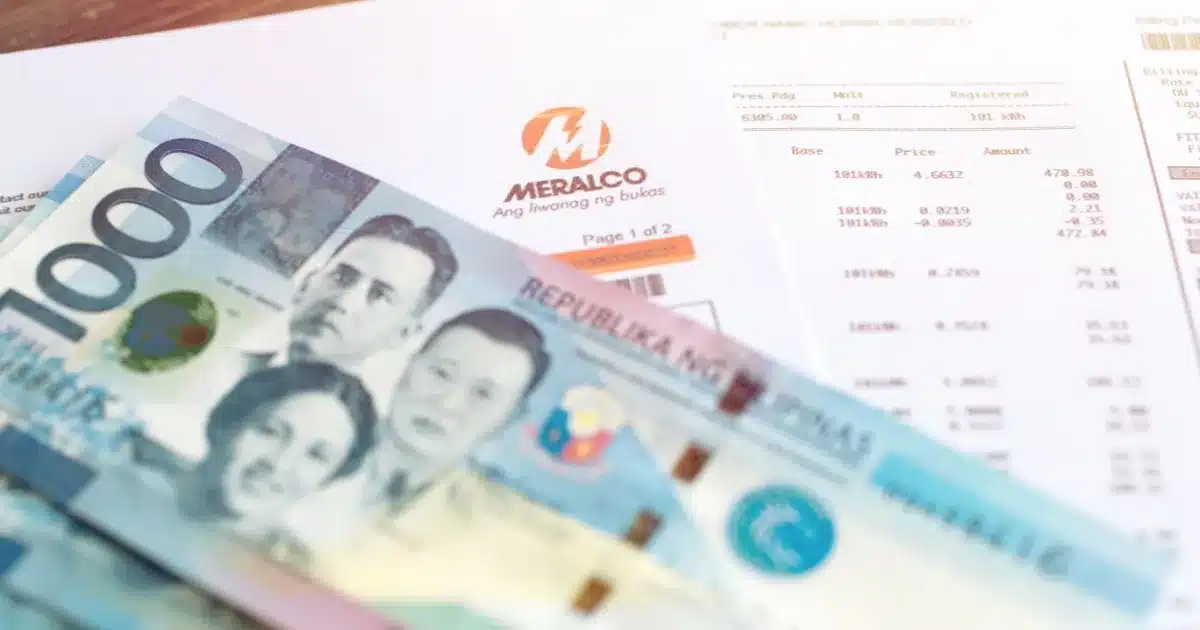
Meralco confirmed its proposal for a joint venture with the EC, signaling its readiness to invest billions of pesos. “Industries cannot move into GenSan or the Soccsksargen region if they believe there’s a power problem. Even one or two-hour brownouts are damaging,” stated Meralco Senior Vice President and Chief External and Government Affairs Officer Arnel Casanova. “We’ve spoken with aquaculture players, and they told us power interruptions can severely impact shrimp production. Imagine what happens when manufacturing or steel plants start operating here.”
He also noted that frequent outages increase operating costs for micro, small, and medium enterprises, which often rely on expensive diesel generators as backup.
Under the proposal, Meralco emphasized that the plan is not a takeover but a partnership designed to improve efficiency. It involves converting the EC into a stock corporation while retaining its name, legal identity, board structure, and existing assets and liabilities, with equity shared between Meralco and member-consumer owners (MCOs). The arrangement is intended to preserve local ownership while bringing in private-sector capital and technical expertise.
Meanwhile, Primelectric Holdings Inc., through its subsidiary Ignite Power, has also proposed a joint venture with SOCOTECO II, following its earlier partnership model with Central Negros Electric Cooperative (CENECO).
In a recent statement, Primelectric highlighted performance gains in its 16-month partnership with CENECO through Negros Electric and Power Corporation (Negros Power), including significant reductions in system losses, unscheduled outages, and average interruption duration.
The company attributed these improvements to more than ₱2 billion in capital investments for the rehabilitation of aging distribution infrastructure under a five-year development program covering Bacolod, Silay, Bago, Talisay, Murcia, and Don Salvador Benedicto. Primelectric’s operating model in Negros is backed by a 25-year franchise to manage distribution services across the area.
“Ignite says the same playbook – infrastructure investment, system modernization, and operational efficiency – can deliver comparable improvements for SOCOTECO II consumers, who currently experience reliability challenges similar to those CENECO faced before the partnership began,” Primelectric stated.
Framed as a route toward modernization, these proposals point to a growing shift toward private-sector involvement in power distribution. The trend has become more evident in areas where ECs face persistent operational challenges and limited financial capacity to fund large-scale infrastructure upgrades.
(Also read: AboitizPower Unit Inks Emergency Power Deal With Misamis Occidental Co-Op)
Davao Light’s Entry into Davao de Oro
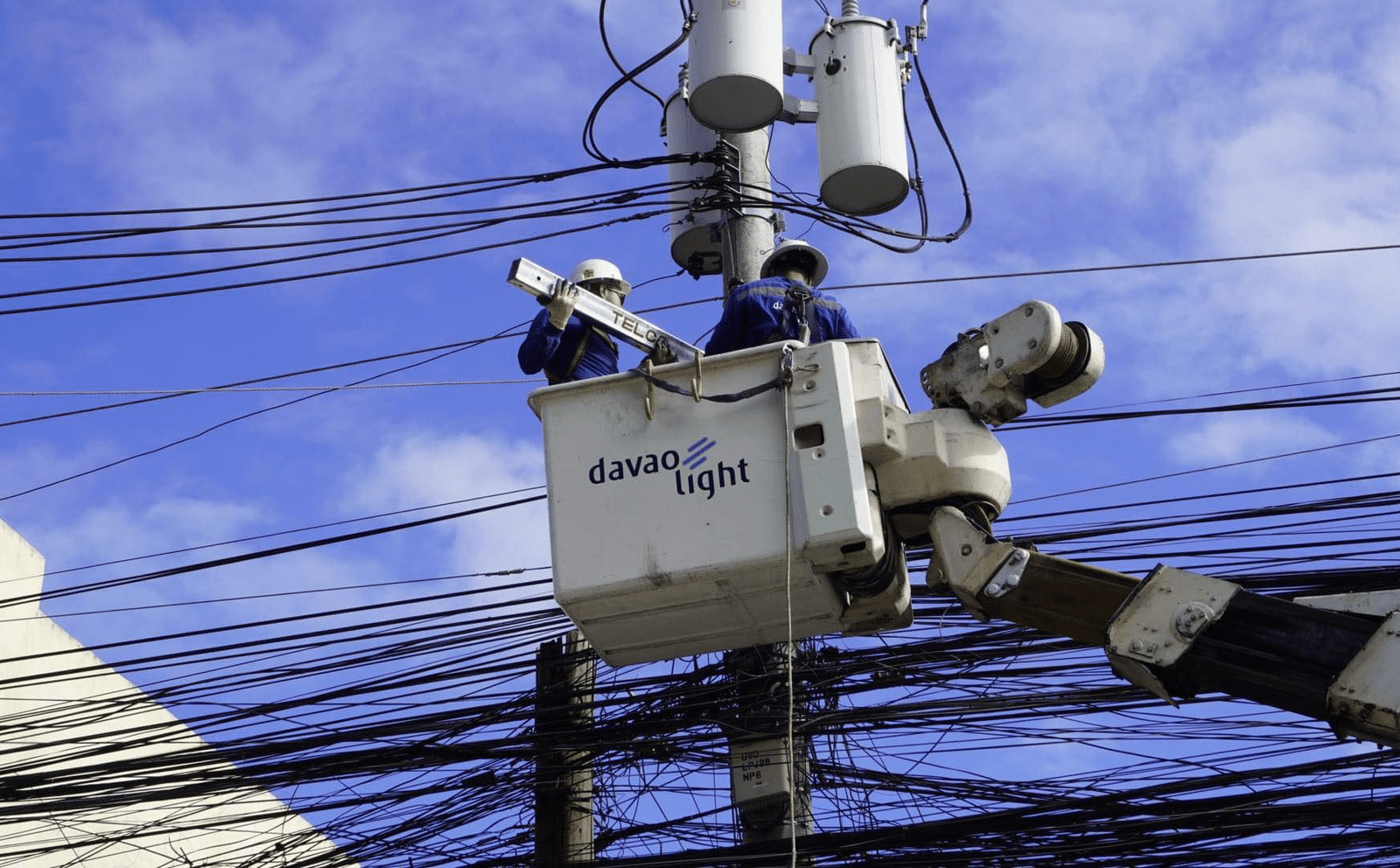
The Supreme Court of the Philippines recently upheld the constitutionality and affirmed the validity of the Davao Light Expansion Act, dismissing petitions challenging the expansion of Davao Light and Power Company into areas previously served by Northern Davao Electric Cooperative (NORDECO).
Republic Act No. 12144, which lapsed into law in April 2025, expanded the legislative franchise of Davao Light and Power Company to cover Tagum City, the Island Garden City of Samal, and several municipalities across Davao del Norte and Davao de Oro. The expansion is expected to support infrastructure upgrades, improve service reliability, and lead to more competitive electricity rates in the affected areas.
NORDECO has faced financial strain and operational setbacks, including suspension from the Wholesale Electricity Spot Market in September 2025 over an unpaid ₱318.4 million obligation—among the highest in the sector. It has also been linked to high electricity rates, averaging ₱13.52 per kWh in early 2026, along with frequent and prolonged power interruptions affecting consumers and businesses.
With reliance on generator sets persisting in the Samal Island due to delayed infrastructure development, local businesses reported significant losses. To address this issue, Davao Light has recently inaugurated a submarine cable project across the Pakiputan Strait to strengthen and stabilize power supply in the area.
In Davao del Norte, residents are increasingly feeling the strain of frequent power interruptions under NORDECO, with outages disrupting livelihoods, small businesses, and remote work. For many households and enterprises, unstable electricity has become a daily constraint rather than an occasional inconvenience, affecting productivity and income stability across communities.
“When the power goes out, work stops,” said an IT support professional in Nabunturan who works remotely and relies on stable connectivity to sustain his job. He noted that while many young professionals prefer to stay in the province, unreliable electricity often pushes them to consider opportunities elsewhere, adding that more consistent service could help them build careers without leaving. The challenge has become more pronounced as digital work and small online enterprises expand, making power reliability a key factor in retaining talent.
Small businesses feel the impact most sharply, especially those handling perishable goods and time-sensitive production. A sari-sari store owner in Laak said brownouts often mean lost sales and spoiled stock, forcing her to close early during outages. “When the lights go out, our sales go out with it,” she lamented in Bisaya, adding that while she remains hopeful about improving service, interruptions have long weighed on her livelihood.
Also in Nabunturan, a grocery worker described how voltage fluctuations and unexpected outages damage equipment and disrupt operations. Freezers are rotated during brownouts to prevent spoilage, but repeated surges have already destroyed multiple units, adding to business costs. Another worker in the food distribution sector recalled instances of spoiled meat reaching customers after extended outages.
Service interruptions also affect essential utilities such as water refilling stations, which temporarily halt operations during outages. Workers say even short disruptions reduce customer flow and income, while the cost of generators and fuel remains prohibitive for small operators.
As the power transition unfolds, many residents are looking ahead with optimism, hopeful that Davao Light will help bring more stable electricity and a better quality of life across the region.
Reliable Power Is a Necessity
Reliable electricity has become a defining requirement for Mindanao’s continued economic and social progress. As the region expands its industries and economy, an unstable power supply remains a critical barrier that affects productivity and access to essential services. The recent shifts in EC arrangements highlight how central power reliability has become in shaping development outcomes.
Against this backdrop, there is growing recognition that delays in addressing power reliability translate into real economic and social costs. As new partnerships and structural changes emerge across Mindanao’s power sector, the focus is increasingly shifting toward solutions that ensure stability, efficiency, and long-term resilience in electricity service delivery.
Sources:
https://www.socoteco2.com/about-us/company-history/
https://mindanews.com/business/2025/10/meralco-reaffirms-joint-venture-bid-with-socoteco-ii/
https://tribune.net.ph/2026/04/26/meralco-vows-transparency-on-socoteco-ii-plan
https://www.sunstar.com.ph/davao/supreme-court-upholds-davao-light-expansion
https://www.sunstar.com.ph/davao/davao-light-expansion-brings-hope-to-davao-de-oro
https://opinion.inquirer.net/190404/the-myth-of-coexistence-why-nordeco-must-finally-honor-the-law