
Table of Contents
With electricity prices expected to rise amid global energy market pressures linked to tensions in the Middle East, households may need to rethink everyday power use, starting with small adjustments at home.
Energy officials have warned that electricity costs could climb in the coming months as geopolitical tensions drive volatility in fuel markets used for power generation. Department of Energy Secretary Sharon Garin said simulations indicate electricity rates could increase by as much as 16% next month, while Manila Electric Co. (Meralco) has also cautioned consumers about possible rate adjustments.
Meralco spokesperson Joe Zaldarriaga urged households to adopt energy-efficient practices to help manage consumption and reduce electricity expenses.
“Patuloy tayo na magpatupad ng energy efficiency. Let’s ensure na matalino at masinop ‘yung paggamit natin sa kuryente sapagkat kapag nama-manage natin ‘yung ating consumption, at the end of the day, mama-manage din natin kahit papano ‘yung ating electricity bill,” he said.
(“We should continue practicing energy efficiency. Let’s make sure that we use electricity wisely and carefully because if we can manage our consumption, then at the end of the day, we will also be able to manage our electricity bill somehow.”)
While electricity demand typically rises during the summer months, experts and utilities say simple adjustments in how appliances are used can make a significant difference in energy consumption. Here are several practical tips households can adopt to save electricity.
Pair Air Conditioners With Electric Fans
Air conditioners are among the largest electricity consumers in homes, especially during hot weather. One way to improve efficiency is by using a fan alongside the air conditioner.
Meralco said fans help distribute cool air more evenly throughout a room, allowing the air conditioner to work less. Placing the fan away from the AC unit helps circulate cooled air more effectively.
Households can also reduce power consumption by setting air conditioners to around 24–26°C, instead of much lower temperatures. Studies cited by energy advocates suggest that setting the temperature at about 25°C can maintain comfort while significantly lowering electricity use.
Clean Air Conditioners Regularly
Routine cleaning of air conditioners is another way to improve efficiency and reduce electricity costs.
Dust and dirt buildup on filters, coils, and fins forces air conditioners to work harder, which increases power consumption. Cleaning filters every two weeks and scheduling preventive maintenance periodically can help maintain efficient airflow and cooling performance.
Regular maintenance also helps extend the lifespan of the appliance while keeping electricity use in check.
Use Curtains Or Blinds To Keep Heat Out
Managing indoor heat can also reduce the need to run air conditioners for long periods.
Light-colored curtains, blackout curtains, or thermal blinds can help reflect sunlight and block heat from entering rooms through windows. Keeping curtains closed during peak sunlight hours (between 10 a.m. and 4 p.m.) can keep rooms cooler and reduce cooling demand.
These simple measures can lower indoor temperatures and help air conditioners operate more efficiently.
Improve Refrigerator Efficiency
Because refrigerators run continuously, even small improvements in efficiency can lead to meaningful energy savings.
Households are advised to leave space behind the refrigerator, about three to five centimeters, to allow proper heat dissipation. Refrigerators should also be placed away from direct sunlight, ovens, or other heat sources to avoid forcing the compressor to work harder.
Maintaining the right temperature settings and keeping the refrigerator moderately filled can also help stabilize internal temperatures and reduce energy use. For non–frost-free units, regular defrosting helps maintain efficiency.
Switch To Energy-Efficient LED Lighting
Lighting upgrades are among the simplest ways to reduce household electricity consumption.
Replacing incandescent or compact fluorescent bulbs with LED lighting significantly lowers power use while delivering the same brightness. LEDs also last much longer and produce less heat, making them both cost-effective and energy efficient.
Motion-sensor LED lights or smart lighting controls can further reduce unnecessary usage, especially in areas where lights are often left on.
Choose Appliances That Match Your Space
Selecting appliances that suit the size of a room can also improve energy efficiency.
According to Meralco, oversized appliances, such as air conditioners that are too powerful for a small room, can cycle on and off frequently, which may increase electricity consumption. On the other hand, undersized units may run continuously while struggling to reach the desired temperature.
Matching appliance capacity with room size ensures more efficient operation and helps avoid unnecessary energy waste.
Monitor Household Power Use
Finally, households can benefit from understanding how much electricity their appliances actually consume.
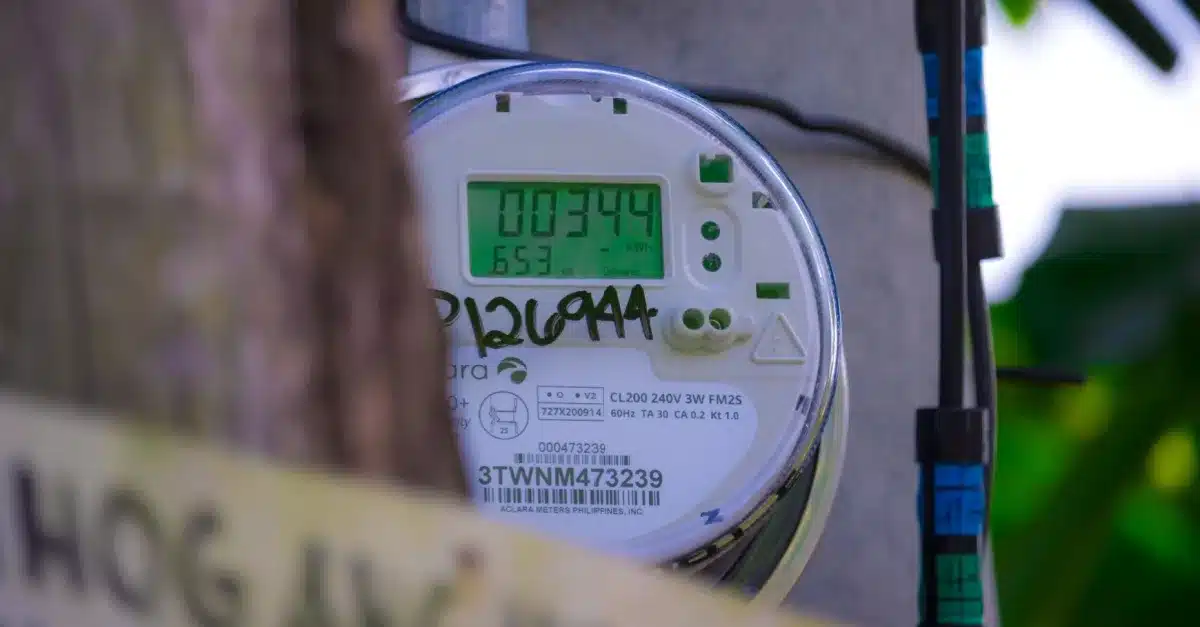
Plug-in power meters or energy monitors can help track the wattage of common devices such as televisions, refrigerators, and air conditioners. This allows consumers to identify appliances that use more electricity than expected and adjust their usage habits accordingly.
As electricity prices face upward pressure due to global energy market disruptions, utilities say adopting energy-efficient practices can help households cushion the impact.
Even small changes, when practiced consistently, can translate into meaningful savings on monthly power bills.
Source:
https://philstarlife.com/news-and-views/571458-small-habits-to-save-electricity?page=6
https://www.meralco.com.ph/residential/bright-ideas/energy-efficiency-tips/we-got-the-power
https://www.sunstar.com.ph/manila/doe-sees-16-rise-in-power-rates-by-april