Table of Contents
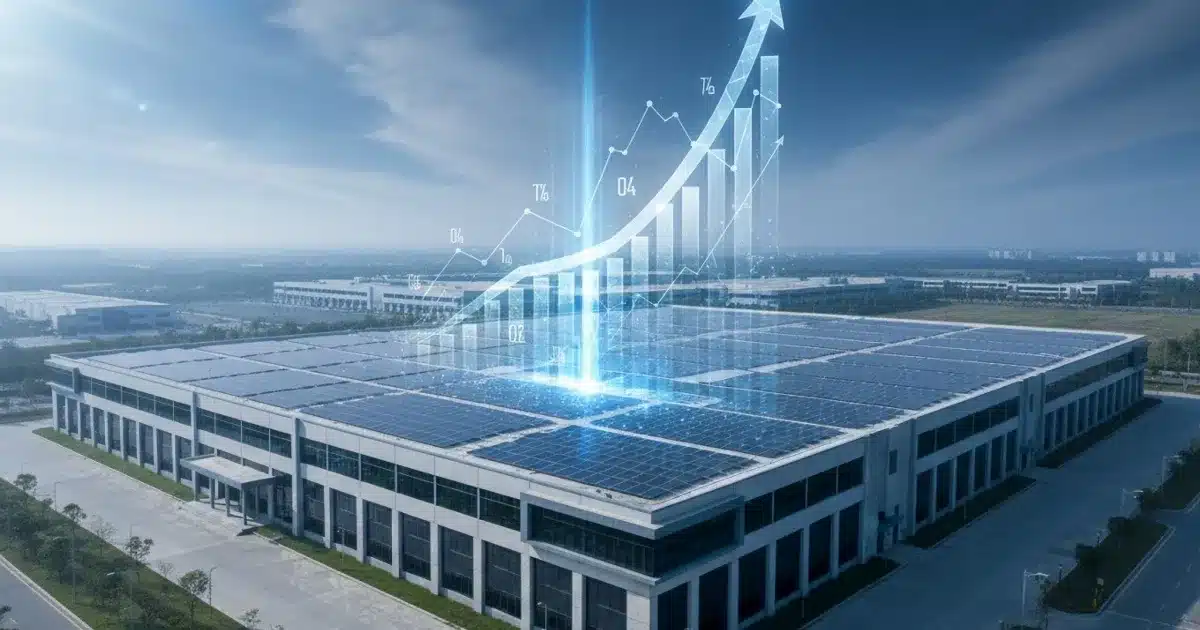
The Philippines’ renewable energy (RE) push has been driven not only by climate goals but also by concerns over energy security.
The Department of Energy (DOE) has set a target of increasing RE’s share in the country’s power generation mix to 35% by 2030 and 50% by 2040. DOE officials have pointed to the country’s dependence on imported fuels as a key reason for accelerating RE development.
That issue has become more urgent after the DOE itself acknowledged that the Philippines recorded the highest residential electricity rates in Southeast Asia in June 2026. According to DOE Undersecretary Rowena Cristina Guevara, the country’s average residential electricity rate reached ₱12.43 per kilowatt-hour (kWh), edging past Singapore for the month. She attributed the increase primarily to supply constraints in the Visayas, where repeated power plant outages forced the dispatch of more expensive generating units.
The pressure of rising electricity costs is being felt beyond Metro Manila. Data compiled by the Institute for Climate and Sustainable Cities (ICSC) showed that 48 on-grid power distributors posted residential rates above the national average in June. The highest rates were recorded by the Southern Leyte Electric Cooperative (SOLECO) at ₱16.57/kWh and the Aurora Electric Cooperative (AURELCO) at ₱16.42/kWh, while Meralco’s average rate stood at ₱14.48/kWh, placing it ninth on the list.
The continued rise in electricity costs has placed energy affordability at the center of policy discussions. In his July 27, 2026 State of the Nation Address (SONA), President Ferdinand Marcos Jr. made energy affordability a key priority, calling for amendments to the Electric Power Industry Reform Act (EPIRA) to remove system loss charges, including VAT, from consumer bills. He also pushed for the Sariling Kuryente Act to make rooftop solar and battery storage more accessible to households.
These measures build on Marcos’ previous SONA commitments to lower power costs and expand energy access. In his 2024 SONA, Marcos acknowledged that electricity prices in the Philippines remained high and highlighted measures such as expanding lifeline rates, suspending the Feed-in Tariff Allowance (FIT-ALL), reviewing EPIRA, and investing in transmission infrastructure to improve reliability and eventually reduce costs.
These developments underscore a simple reality: electricity affordability has become one of the country’s biggest economic challenges. Against this backdrop, policymakers must carefully evaluate every major energy investment, especially technologies that could further increase consumer electricity bills.
(Also read: DOE Steps Up Mindanao Electrification As Household Power Access Reaches 94.9%)
Market Prices Tell a Different Story
Wholesale electricity prices have shown how supply conditions can significantly influence power costs. Data from the Independent Electricity Market Operator of the Philippines (IEMOP) showed that the average WESM price declined to ₱3.56 per kWh in January 2026, from ₱4.38 per kWh in December 2025, as improved supply margins, lower demand, and fewer plant outages eased market conditions.
While competitive market prices hovered around this level, regulators were simultaneously preparing for the country’s first offshore wind (OSW) auction under the fifth round of the Green Energy Auction Program (GEA-5). The Energy Regulatory Commission (ERC) eventually approved a Green Energy Auction Reserve (GEAR) price of ₱11.00 per kWh for OSW projects. The reserve price serves as the ceiling for auction bids and was increased from the preliminary rate of ₱10.3859/kWh after accounting for higher construction assumptions, port rental, fishery compensation, land costs, inflation, and foreign exchange risks.
But if the electricity market can produce prices below ₱5.00 per kWh during periods of adequate supply, introducing projects whose starting benchmark is more than double that amount inevitably raises difficult questions about affordability.
Supporters argue that OSW prices will eventually decline as the industry matures. That may well happen. But today’s consumers will be paying tomorrow’s bills long before those theoretical cost reductions materialize.
Why the DOE Put OSW on Hold
This July, the DOE announced that it has suspended GEA-5, citing the need to reassess project requirements amid infrastructure gaps, permitting challenges, and global supply chain risks.
DOE Undersecretary Felix William Fuentebella, who heads the GEA Bids Evaluation and Awards Committee, said GEA-5 would be placed “on hold until further notice” to allow the government to recalibrate the auction process and ensure a more orderly implementation. The DOE said the review will cover key considerations such as infrastructure preparedness, government approval timelines, environmental compliance issues, and the costs involved in building OSW support facilities.
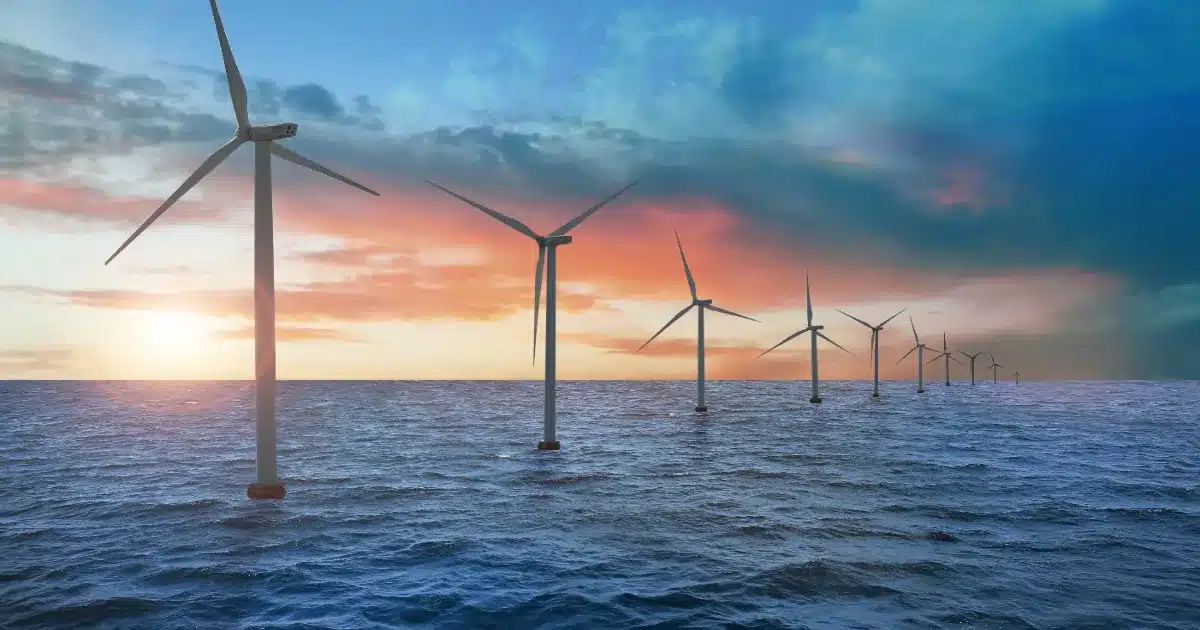
Unlike conventional power projects, OSW farms require specialized ports, heavy-lift equipment, installation vessels, and supporting logistics facilities to transport and assemble large turbine components.
The auction pause also comes as the government evaluates external risks affecting project costs. The DOE cited global supply chain disruptions and geopolitical uncertainties, including developments in the Middle East, as factors that could affect OSW deployment.
OSW projects represent some of the most capital-intensive energy investments in the world, requiring substantial upfront investment, with estimated costs ranging from $3 million to $7 million per MW. Expenses may increase further depending on site-specific factors such as sea depth, offshore distance, infrastructure readiness, and permitting requirements.
In this context, postponing GEA-5 appears less like a retreat from RE and more like prudent fiscal management.
The Danger of Locking in Expensive Electricity
Beyond infrastructure readiness, the government must determine whether OSW can provide cost-competitive electricity before entering long-term contracts.
Under the Green Energy Auction Program (GEA), winning RE developers are awarded long-term supply contracts intended to provide certainty for project investments. For instance, the DOE said projects awarded under GEA-3 will have 20-year supply contracts from their commercial operation dates, covering both Feed-in Tariff (FIT)-eligible and non-FIT RE technologies. These long-term agreements are designed to support RE deployment by giving developers a guaranteed market for their output, while ensuring that contracted power supply can be delivered over an extended period.
This has raised concerns among energy stakeholders about the risk of locking in higher electricity costs if emerging technologies enter the market before achieving greater cost competitiveness.
Rappler columnist Val Villanueva warned that OSW development costs could eventually translate into higher electricity expenses for consumers, including increased generation charges, system costs, and grid connection expenses. “Careless OSW timing can push that burden even higher. This is the price impact that households cannot afford — and one that the government can still avert,” he wrote.
High power costs have long been cited by industry groups as a challenge to Philippine competitiveness, increasing operating expenses for manufacturers and other energy-intensive industries, potentially affecting investment and expansion decisions.
For a developing economy seeking more foreign direct investment and industrial growth, electricity affordability is closely tied to job creation and economic expansion. Higher operating costs can influence companies’ decisions on where to locate factories, expand production, or invest in new facilities.
Rising electricity costs are also putting pressure on household budgets, leaving families with less disposable income for other needs. Eduardo Araral, associate professor in public policy at the National University of Singapore, cautioned that costly OSW infrastructure could deepen energy inequality if higher expenses translate into higher consumer prices. “As recent data shows, lower-income households in countries with energy poverty can spend between 10-40% of their income on energy, and the cost per kilowatt-hour is significantly higher for them, especially when relying on renewable sources,” he highlighted.
The challenge for policymakers, therefore, is not simply expanding renewable capacity but ensuring that the transition delivers cleaner energy without undermining affordability and competitiveness.
(Also read: Controversies Put Electric Cooperatives and NEA in the Spotlight)
Consumers Must Remain the Priority
As the Philippines expands RE, policymakers face the challenge of balancing decarbonization with two equally important goals: keeping electricity affordable and ensuring a reliable power supply.
DOE Secretary Sharon Garin has emphasized that reliability must remain a priority even as the country accelerates RE adoption. Under the DOE’s new load-based framework, the agency said power resources must be matched with specific grid needs, including baseload, mid-merit, and peaking requirements, to maintain a secure and affordable electricity system.
Other commentators have also highlighted the need for dependable generation alongside variable renewable sources. Inquirer columnist Jake Maderazo noted that solar and wind output can fluctuate depending on weather conditions and argued that the country will continue to need dispatchable power sources and grid support mechanisms to maintain reliability as renewable penetration increases.
“The Philippines will still need dispatchable sources like geothermal (which is unfortunately more capital intensive), as well as traditional sources like coal and natural gas, to generate consistent power, ensure grid stability, and reliability meet daily demand,” he wrote.
For the Philippines, this means prioritizing renewable projects that can deliver competitive electricity costs while strengthening grid stability. Solar, geothermal, and hydropower remain key components of the country’s RE strategy, while investments in transmission, storage, and firm generation capacity will be needed to support higher levels of variable RE.
This is also why the DOE’s decision to pause the OSW auction is a prudent step, giving the government time to address infrastructure gaps, cost concerns, and grid readiness before moving forward with a capital-intensive technology.
The objective of the energy transition, therefore, is not simply to increase renewable capacity, but to ensure that cleaner electricity remains accessible to households and businesses. A transition that raises costs beyond what consumers can absorb risks undermining the very economic development it aims to support.
Sources:
https://pia.gov.ph/news/doe-fast-tracks-renewable-energy-projects-to-reduce-fuel-dependence
https://www.philstar.com/headlines/2026/07/21/2543545/doe-philippines-power-rates-now-highest-sea
https://businessmirror.com.ph/2026/02/04/wesm-prices-down-to-%E2%82%B13-56-kwh-in-january
https://www.erc.gov.ph/Press-Singular/84722
https://www.philstar.com/business/2026/07/09/2540778/offshore-wind-auction-put-indefinite-hold/amp
https://www.manilatimes.net/2025/06/22/opinion/columns/tilting-at-windmills/2137401
https://mb.com.ph/15/12/2024/doe-to-slash-offshore-wind-performance-bond-to-5
https://context.ph/2026/03/11/cut-power-costs-fix-infrastructure-now
https://opinion.inquirer.net/177848/or-baseload-power-is-vital-for-reliability-and-security