Table of Contents
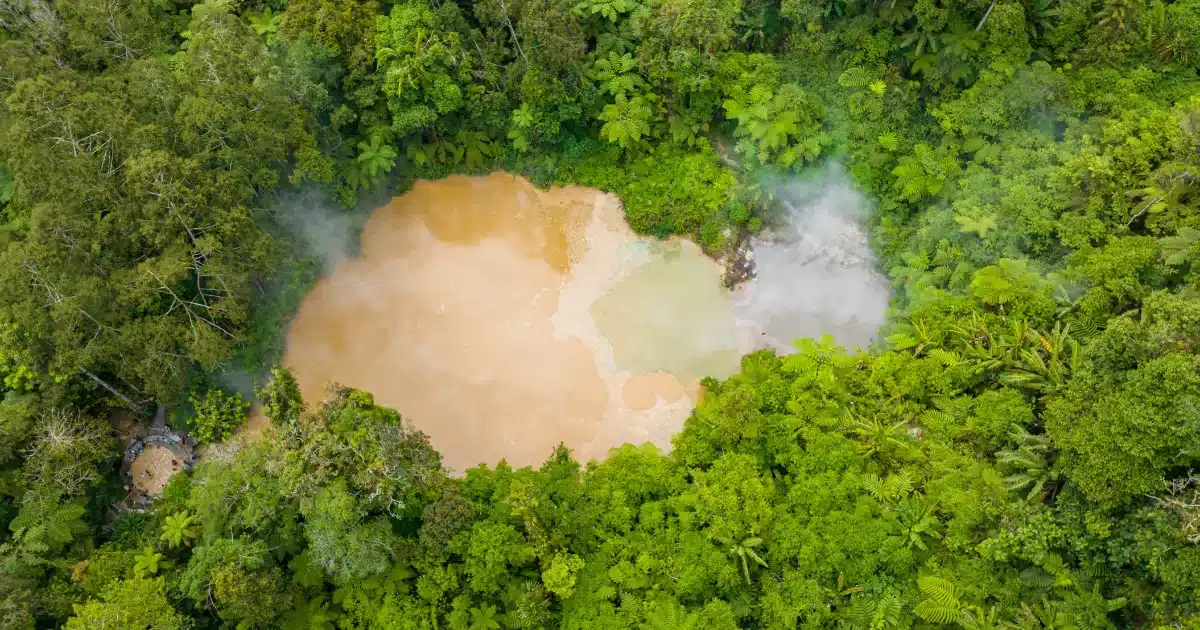
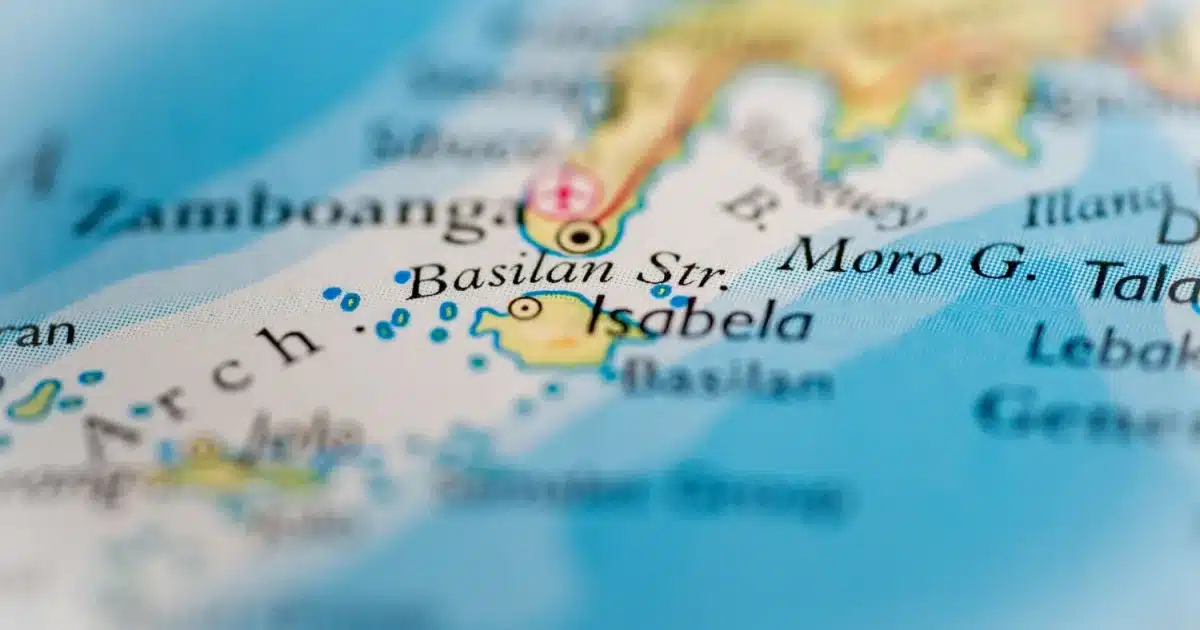
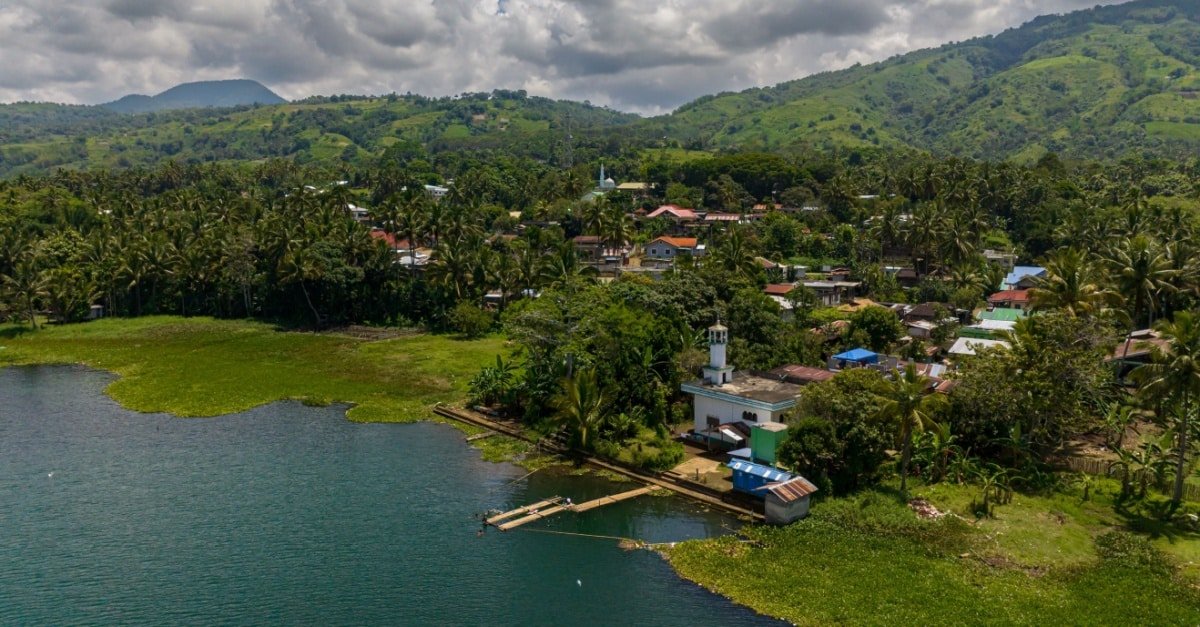
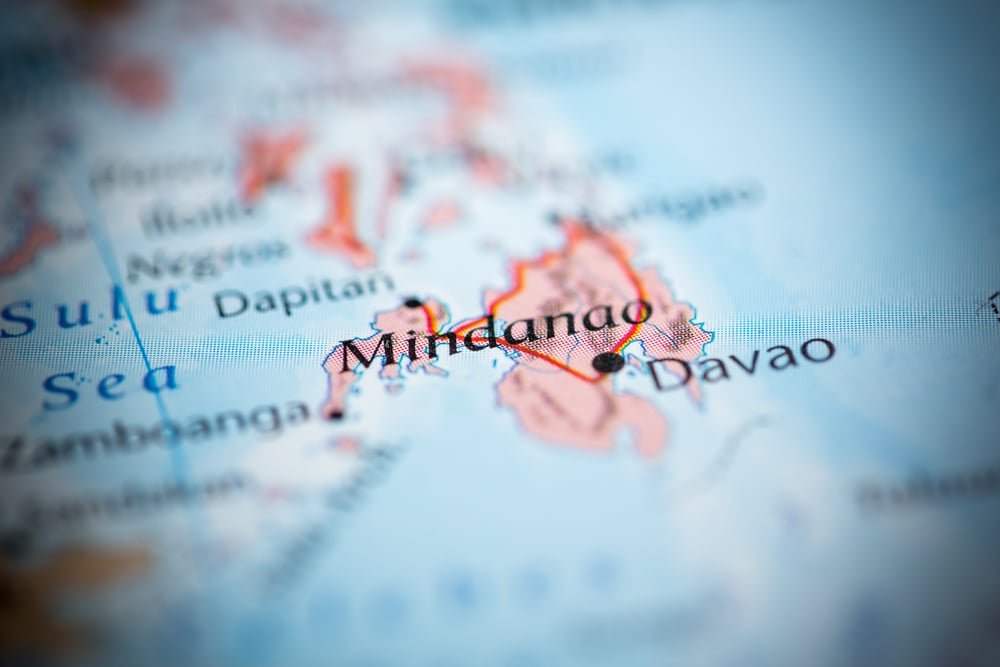
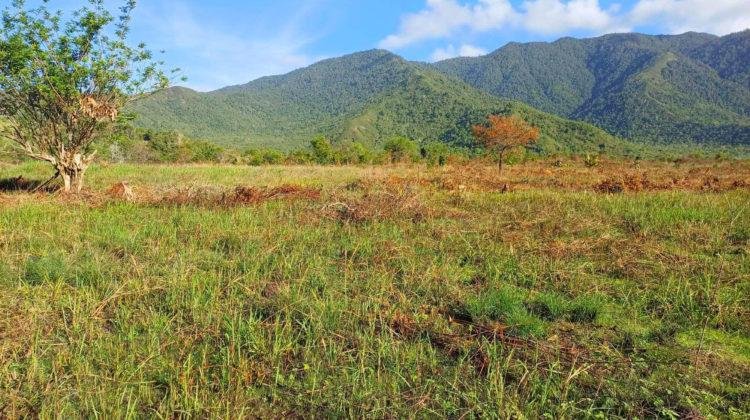
Proposed exploration and development activities in and around Ligawasan Marsh, one of the Philippines’ largest and most ecologically sensitive wetland systems, have renewed concerns over potential environmental impacts in Mindanao.
The area, spanning parts of Maguindanao del Sur and neighboring provinces, has long been recognized as a critical ecosystem for biodiversity, flood regulation, and fisheries-dependent livelihoods.
An environmental group has warned that oil and gas exploration in the area could potentially degrade water quality, intensify flood exposure in surrounding communities, and release significant amounts of stored carbon from the peat-rich landscape.
“Liguasan Marsh is an irreplaceable ecological system,” stated Wetlands International Philippines Country Manager Dr. Annadel Cabanban. “It is a lifeline for communities, wildlife, and our climate resilience.”
In 2023, SK Liguasan Oil and Gas Corporation, a Mindanao-based firm, began operating its first drilling rig in the Cotabato Basin as part of plans to explore multiple sites across Sultan Kudarat and the Ligawasan Marsh area. The company holds a Department of Energy (DOE) petroleum service contract covering about 72,000 hectares of the onshore basin.
In the same year, members of the Bangsamoro Transition Authority called for the establishment of a Ligawasan Development Authority to manage the area’s resources under the framework of the Bangsamoro Organic Law. Supporters of the proposal pointed to the marsh’s ecological importance and historical value, while also noting its potential natural gas deposits as a factor in long-term development planning.
Wetlands International has stressed that any proposed resource exploration in sensitive areas should undergo rigorous environmental review processes and be guided by consultations with scientific and conservation specialists before moving forward.
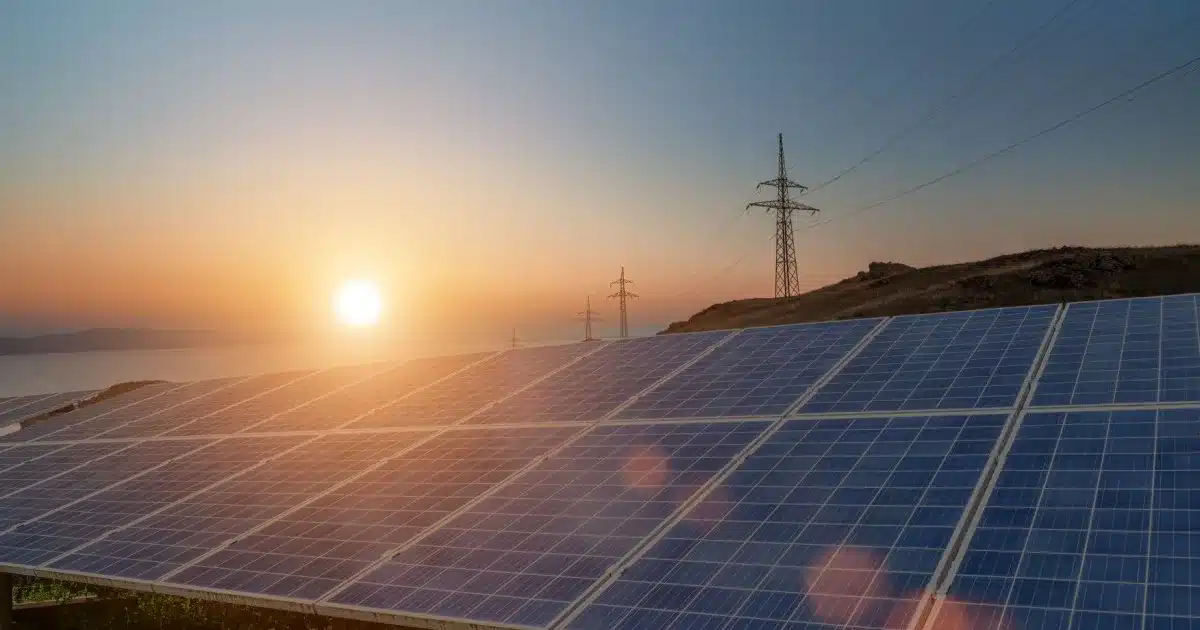
According to Cabanban, shifting away from fossil fuels goes beyond energy policy, arguing that “Veering away from fossil fuels is not only an energy decision — it is a wetlands decision,” citing renewable energy efforts such as solar expansion in Vietnam and solar auction programs in Malaysia as potential models for a “just and rapid” energy transition.
(Also read: BARMM’s Energy System Under Pressure and Reform)
The Cost of Clean Power
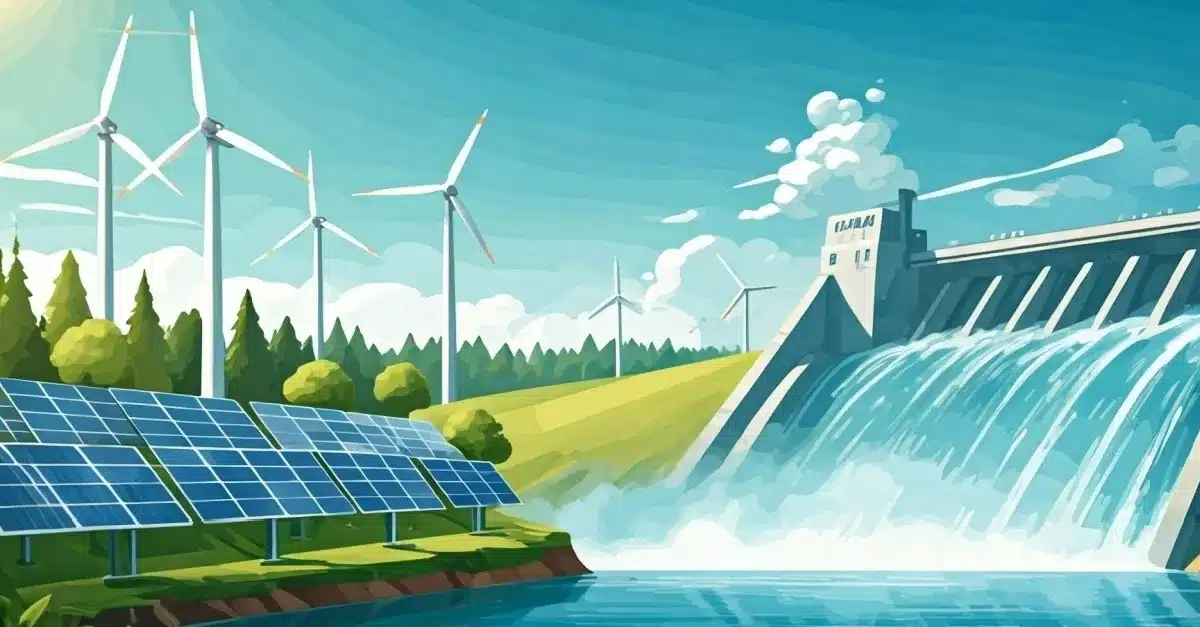
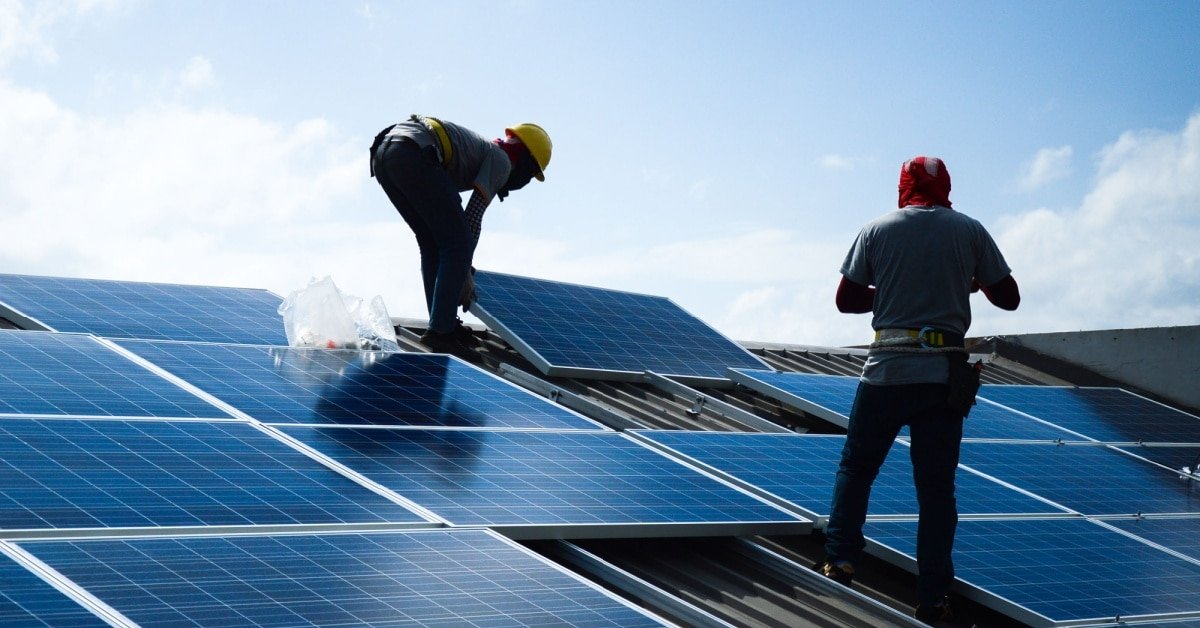
Renewable energy is often promoted as a cleaner alternative that helps reduce environmental damage and support long-term sustainability goals. Cabanban reinforces this perspective, saying, “A truly secure energy future is one that strengthens, not sacrifices, the natural systems that protect Filipino lives.”
However, renewable energy projects in Mindanao have also drawn attention for their environmental and social impacts.
Pulangi River Hydropower (Bukidnon): River Systems Under Pressure
The Pulangi River hydropower corridor in Bukidnon is situated within the broader Agus-Pulangi watershed, a system identified by environmental researchers as ecologically important but increasingly pressured by land conversion, forest loss, and agricultural expansion. These land use changes are considered significant because they directly affect river flow stability and long-term watershed health, both of which are critical for hydropower sustainability in the area.
Hydropower development in river systems like Pulangi is also associated in technical literature with a range of environmental impacts, including altered river flow regimes, habitat fragmentation, and changes in sediment transport. These effects occur because even run-of-river systems require diversion structures that modify natural water movement along the river channel.
In addition, research on cascaded hydropower systems highlights that multiple plants built along the same river can intensify pressure on watershed dynamics if not managed under integrated basin planning. This includes potential cumulative impacts on aquatic ecosystems and downstream water availability, particularly in rivers already supporting agriculture and local livelihoods.
The Pulangi River is also closely tied to surrounding farming communities in Bukidnon, where irrigation and agricultural production depend heavily on a consistent water supply from the watershed. Environmental assessments of the basin emphasize that changes in river conditions can therefore have direct implications for food production systems and rural livelihoods.
Agus River Hydropower Complex (Lanao del Norte / Lanao del Sur): A Fragile Watershed
The Agus River Hydropower Complex, which runs from Lake Lanao through Lanao del Sur and down to Iligan City in Lanao del Norte, is a cascading system of hydroelectric plants that plays a central role in supplying renewable energy to Mindanao.
However, its long-term stability is closely tied to the condition of the Agus–Pulangi watershed, which environmental assessments describe as increasingly affected by land cover change, forest loss, and agricultural expansion. Research on the watershed highlights that these environmental changes contribute to flooding risks, sediment buildup, and reduced water regulation capacity.
Environmental studies have voiced out risks about Lake Lanao itself, identifying issues such as ecological stress and water quality challenges that may impact its role as the headwater source of the Agus River system. This is particularly significant because the Agus system operates as a cascade, meaning that disruptions in one section of the river can influence the performance and environmental conditions of downstream hydropower facilities.
Overall, watershed assessments emphasize the importance of integrated basin-wide management, noting that the Agus hydropower complex cannot be understood in isolation from the broader ecological condition of the lake and surrounding forest systems.
Lake Mainit Hydropower Project (Agusan del Norte / Surigao del Norte): Livelihood & Ecological Concerns
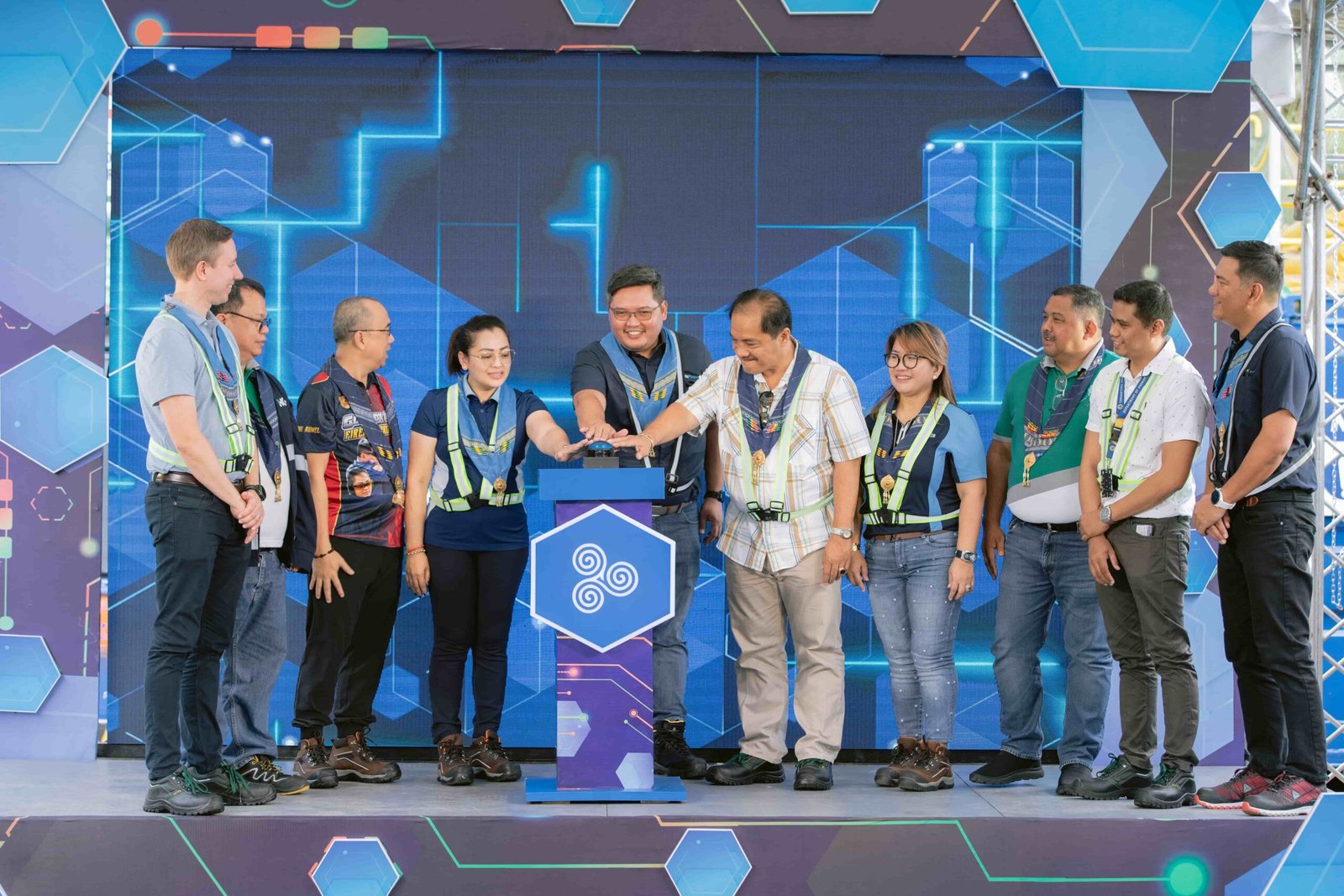
The Lake Mainit Hydropower Project in northern Mindanao is a 24.9–25 megawatt (MW) run-of-river facility that draws water from Lake Mainit, the fourth-largest and deepest lake in the Philippines, spanning Agusan del Norte and Surigao del Norte. The project was inaugurated in 2023 and is part of efforts to expand renewable energy capacity in the Caraga region.
However, Lake Mainit is also a highly productive freshwater ecosystem that supports fisheries and agriculture, with surrounding communities heavily dependent on its resources for food and livelihood.
Environmental and social concerns focus on potential changes to water levels, river flow regulation, and ecosystem balance, particularly because the system relies on controlled water. Local accounts and studies have also underscored concerns that fluctuations in lake conditions may affect fish populations and fishing productivity, which could in turn impact food security and livelihoods in surrounding municipalities.
At the same time, Lake Mainit itself faces broader environmental pressures such as pollution, overfishing, and watershed degradation from mining and agricultural activities, which compound concerns about additional large-scale infrastructure use of the lake’s water system.
(Also read: Driving Development Through Energy: Mindanao’s Notable Electric Cooperatives)
Renewable Energy’s Paradox of Impact
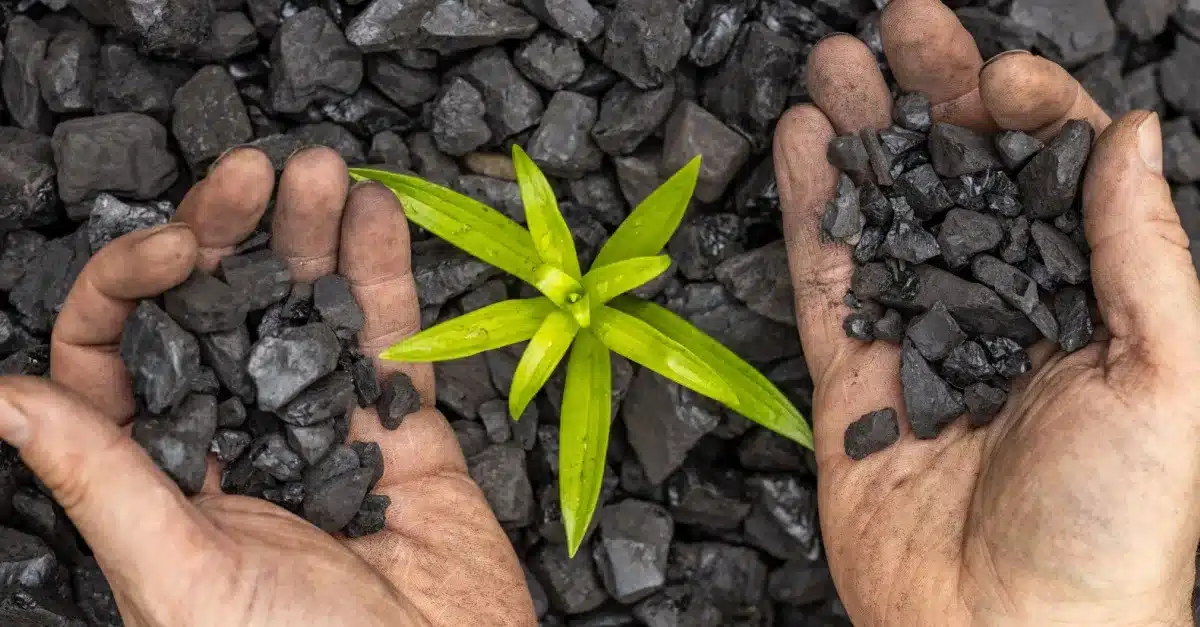
The energy debate ultimately reveals a central irony in the transition toward cleaner power: even solutions designed to reduce environmental harm can still produce ecological costs of their own.
While groups such as Wetlands International Philippines have urged the government to accelerate renewable energy deployment in response to energy insecurity linked to global fossil fuel disruptions, experience from hydropower developments in Mindanao shows that renewable energy infrastructure is not impact-free.
Additionally, energy experts note that renewable energy systems rely on materials such as lithium, cobalt, nickel, whose extraction carries significant environmental and social costs. In the Philippines, rising global demand for battery minerals, particularly nickel, has also been linked to concerns over ecological degradation and impacts on local livelihoods.
These trade-offs do not negate the value of renewables, but they do complicate the idea that they are inherently beneficial.
The challenge, therefore, lies in avoiding a binary framing of energy choices. Fossil fuel dependence carries well-documented climate risks, yet renewable energy expansion without ecological safeguards can also undermine the very systems communities depend on. A balanced energy transition requires careful site selection, stronger environmental governance, and long-term watershed and ecosystem planning.
In Mindanao’s context, the future of energy cannot be built by replacing one set of risks with another, but by ensuring that development strengthens both energy security and ecological resilience.
Sources:
https://www.rappler.com/philippines/mindanao/energy-crisis-concerns-ligawasan-marsh-exploration
https://arxiv.org/abs/2212.09901
https://arxiv.org/abs/2006.03514
https://en.wikipedia.org/wiki/Agus_River
https://www.nepjol.info/index.php/josem/article/view/53115
https://edcop.ph/projects/lake-mainit-hydropower-project/ https://en.wikipedia.org/wiki/Lake_Mainit
https://newsinfo.inquirer.net/1800541/hydroelectric-power-plant-inaugurated-in-agusan-del-norte
https://www.scribd.com/document/730703626/Lake-Mainit-is-the-fourth-largest-lake-in-the-country-1
https://www.sciencedirect.com/science/article/pii/S2772416624000445