Table of Contents
The government is reassuring the public that the country has sufficient fuel reserves and contingency measures in place as escalating tensions in the Middle East threaten to disrupt global oil markets and trigger significant domestic price increases.
Officials said current petroleum inventories remain stable, giving authorities time to manage potential supply disruptions while exploring measures to cushion consumers from rising fuel costs.
Current Supply
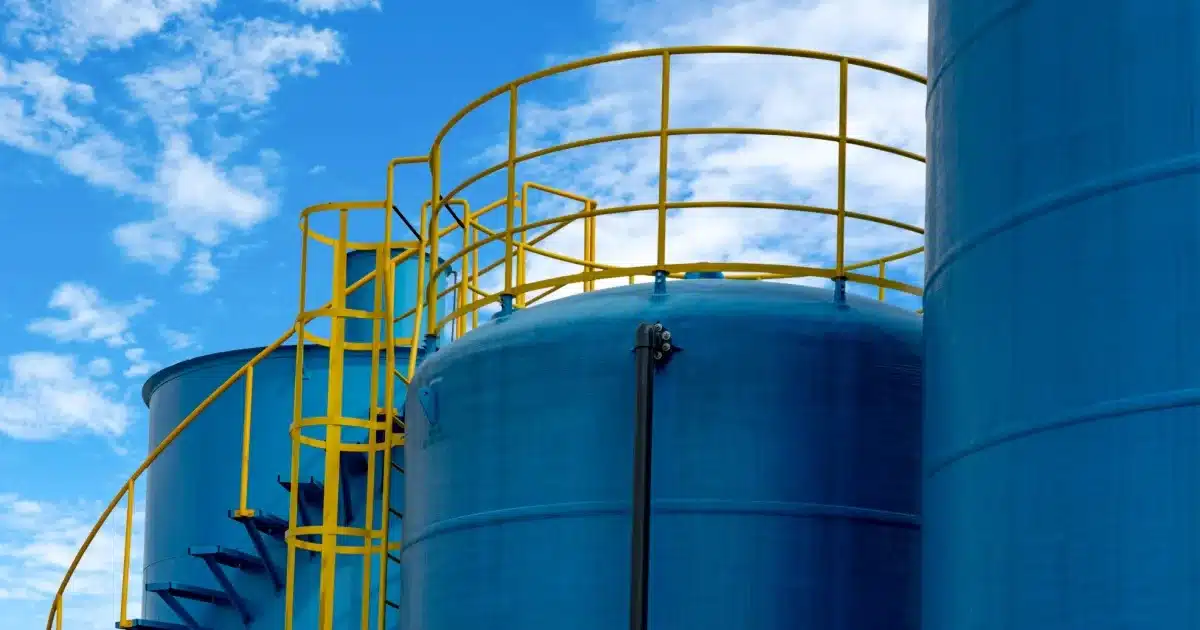
President Ferdinand “Bongbong” Marcos Jr. said the Philippines maintains fuel reserves sufficient for roughly 50 to 60 days, covering key petroleum products used for transport, power generation, and industry.
“Mayroon tayong stockpile that are approximately 50 to 60 days… in terms of gasoline, fuel oil, and in terms of kerosene,” Marcos said during a press briefing. (“We have stockpiles of approximately 50 to 60 days for gasoline, fuel oil, and kerosene.”)
Marcos noted that suppliers abroad also maintain stockpiles that have not yet been exported, which could serve as additional supply if needed.
“Yung ating mga pinagkukuhanan ng ating iba’t-ibang oil products ay mayroon din silang stockpile, hindi pa nila ‘yun naexport so that is another potential supply for us,” he said. (Our sources of oil products also have stockpiles that have not yet been exported, which could become another potential supply for us.)
Energy Secretary Sharon Garin likewise confirmed that existing reserves give the government and oil companies time to identify alternative sources should disruptions intensify.
Fuel Price Surge
Despite stable supply levels, the Department of Energy (DOE) said global volatility could translate into significant domestic price adjustments. According to DOE data, oil companies are expected to increase pump prices by ₱7.00 to ₱13.00 per liter for gasoline, ₱17.50 to ₱24.25 per liter for diesel, and ₱32.00 to ₱38.50 per liter for kerosene.
The adjustments would represent one of the largest single-week increases in recent years, reflecting the rapid surge in international oil prices triggered by geopolitical tensions.
Earlier projections had already warned of rising prices. Department of Energy–Oil Industry Management Bureau (DOE-OIMB) director Rino Abad previously said that increases in global crude prices could add ₱7 to ₱10 per liter to domestic pump prices.
Government Response Measures
Authorities said several policy tools are under review to cushion the potential economic impact of higher oil prices. Marcos said he may seek authority from Congress to temporarily reduce excise taxes on petroleum products if Dubai crude prices exceed $80 per barrel, allowing the government to quickly respond to market spikes.
“This is not yet a sure thing but something we’re discussing… to give the President authority to reduce excise tax on petroleum products should Dubai crude exceed $80 per barrel,” Marcos said.
The government is also considering targeted fuel subsidies for transport and agriculture sectors, which are among the most vulnerable to rising fuel costs. In addition, the DOE said it is studying programs to reduce the transport burden on commuters, including the possibility of free bus rides on major routes during periods of extreme price pressure.
Fuel subsidies could also be triggered if Dubai crude averages at least $80 per barrel for one month, according to energy officials.
Meanwhile, the government is exploring plans to secure at least one million barrels of diesel to strengthen domestic supply.
Monitoring Against Hoarding
The DOE has also urged the public not to engage in panic buying or hoarding of fuel as price adjustments loom.
“There is no reason for panic buying. The country has adequate fuel supply, and government agencies are actively monitoring the situation,” the DOE said in a statement.
Authorities are working with the Department of the Interior and Local Government (DILG) and the Philippine National Police (PNP) to inspect fuel stations and prevent profiteering or supply manipulation.
The agency also reminded retailers that price adjustments must follow the scheduled weekly implementation and that premature increases are prohibited.
Renewables As Long-Term Solution
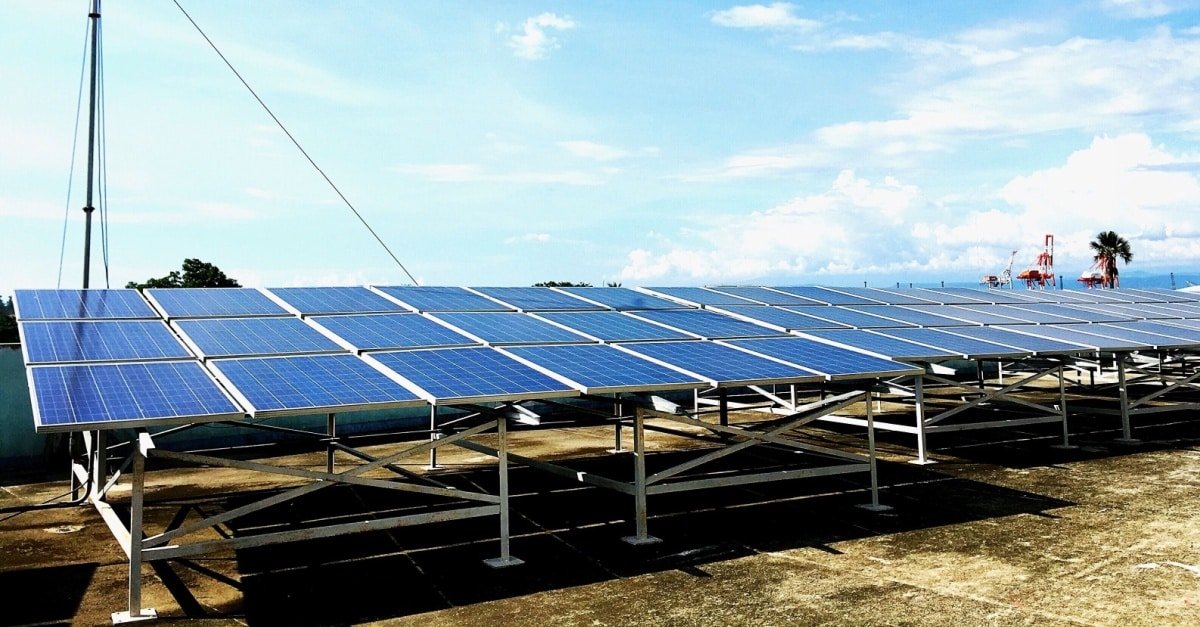
Beyond short-term interventions, energy officials say the crisis highlights the need to accelerate the country’s transition to renewable energy.
Speaking during the 50th anniversary celebration of Energy Development Corporation (EDC), Garin emphasized that geothermal power offers a stable domestic energy source unaffected by geopolitical tensions.
“Kahit po maggiyera sila sa Iran or sa Middle East, geothermal will never fail us kasi atin ito,” Garin said. (Even if there is war in Iran or the Middle East, geothermal energy will never fail us because it is ours.)
However, she acknowledged that geothermal projects require large upfront investments and carry exploration risks, which have discouraged some investors and contributed to Indonesia surpassing the Philippines as the world’s second-largest geothermal producer.
To address this challenge, the government has launched the Philippine Geothermal Resource De-Risking Facility, supported by the Asian Development Bank. The program allows companies to access financing for exploration and drilling, with loans converted to grants if projects fail to find viable geothermal resources.
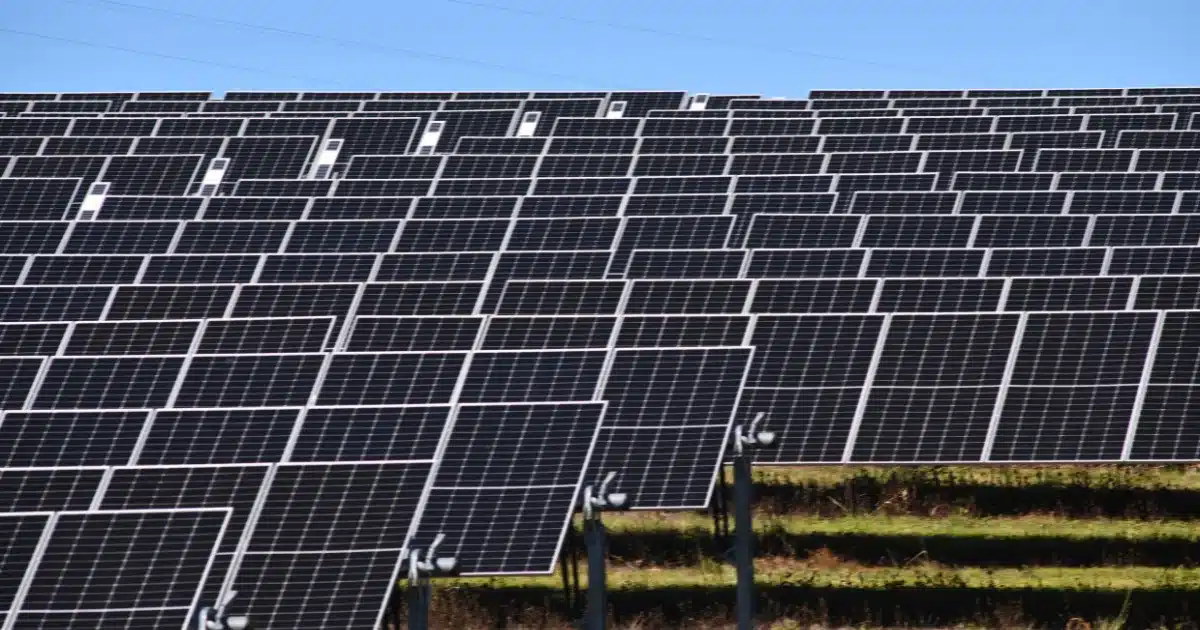
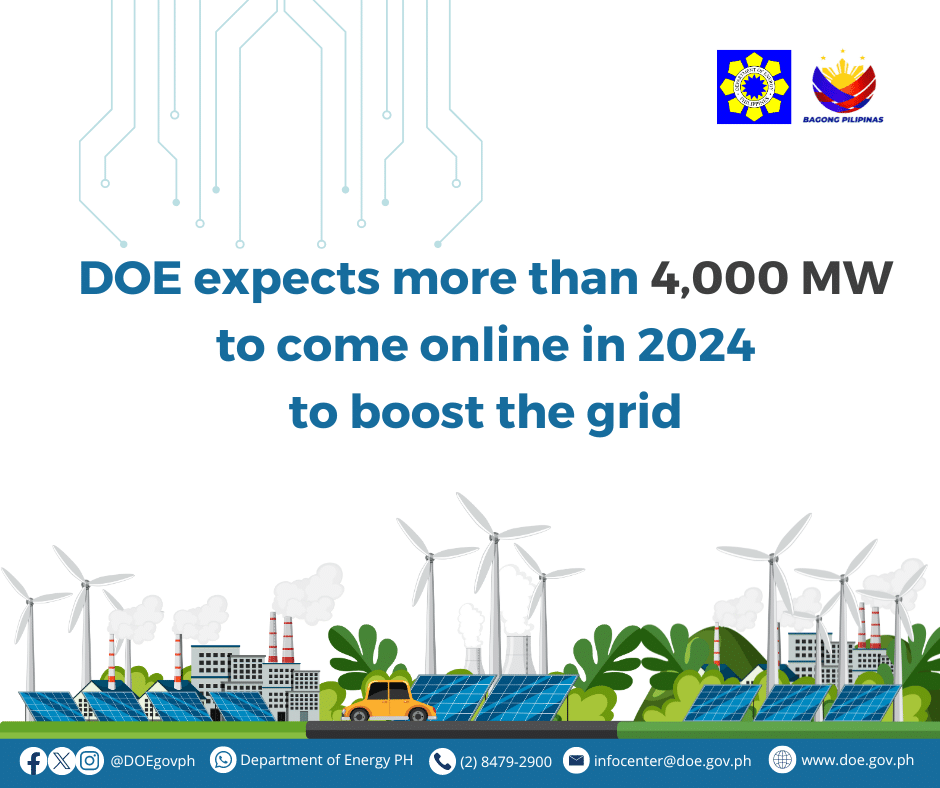
Officials remain confident the Philippines can reach its renewable energy targets of 35 percent of the power mix by 2030 and 50 percent by 2040, reducing reliance on imported fossil fuels and strengthening energy security.
Source:
https://newsinfo.inquirer.net/2192016/public-must-remain-calm-govt-has-enough-fuel-supply
https://www.gmanetwork.com/news/money/companies/979276/oil-price-hike-march-10-2026/story