Table of Contents
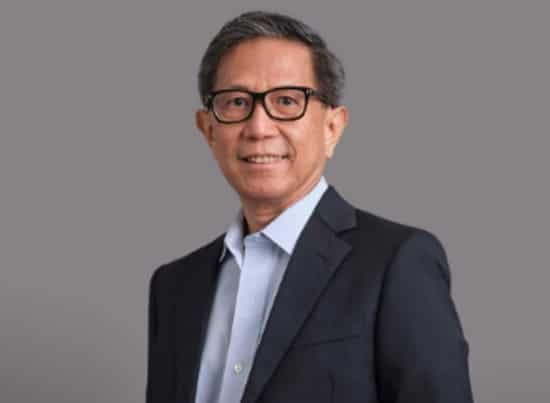
Once hailed as the face of the Philippines’ solar energy revolution, Leandro Leviste, founder of Solar Philippines and now Batangas representative, is facing the toughest test of his decade-long push to reshape the country’s power landscape.
Leviste, the son of Senator Loren Legarda and former Batangas Governor Antonio Leviste, began charting his path early. While still a Yale political science student in 2013, he founded Solar Philippines Power Project Holdings Inc. (SPPPHI) with a reported $100-million bank loan.
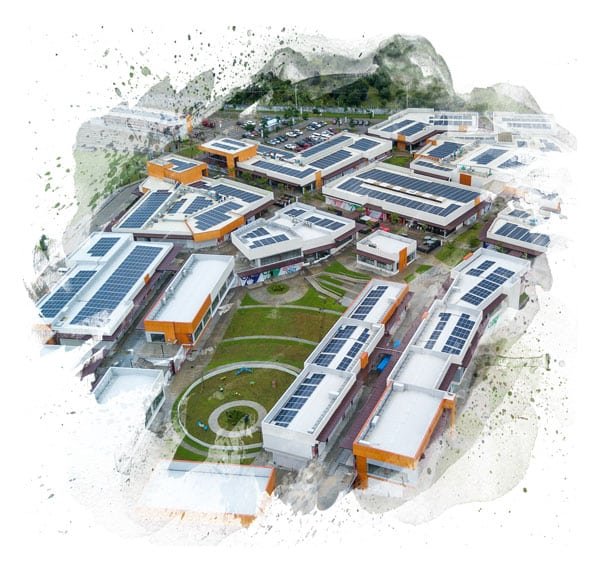
The company quickly secured service contracts from the Department of Energy (DOE) and launched its first 700-kilowatt rooftop system in Biñan, Laguna, in 2014.
Promising Investments
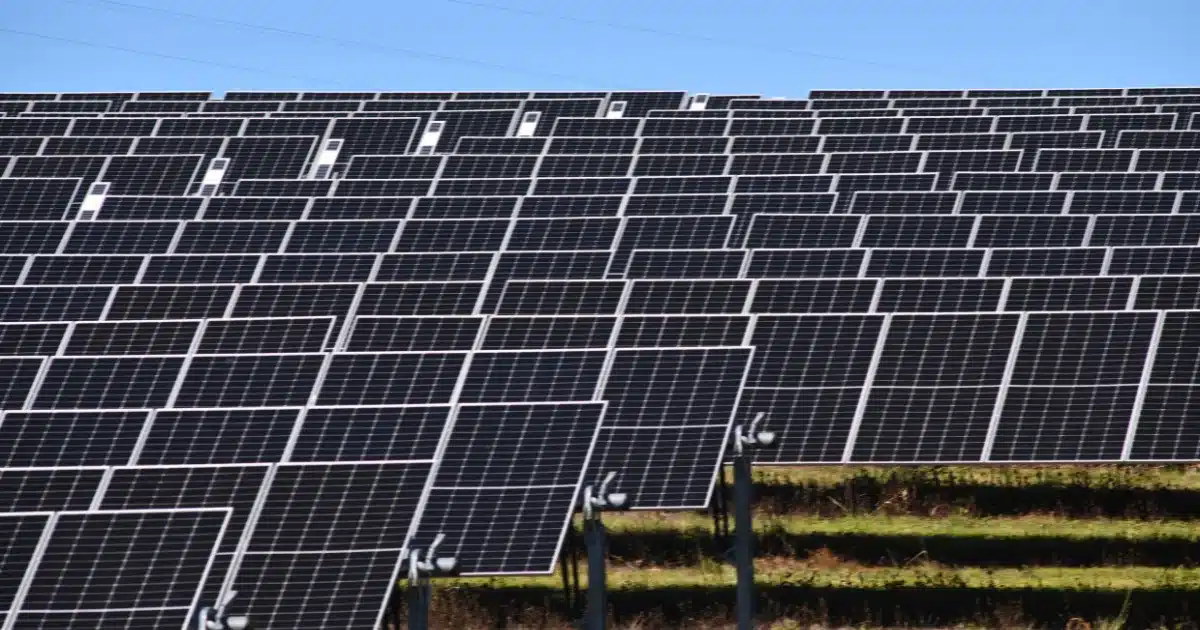
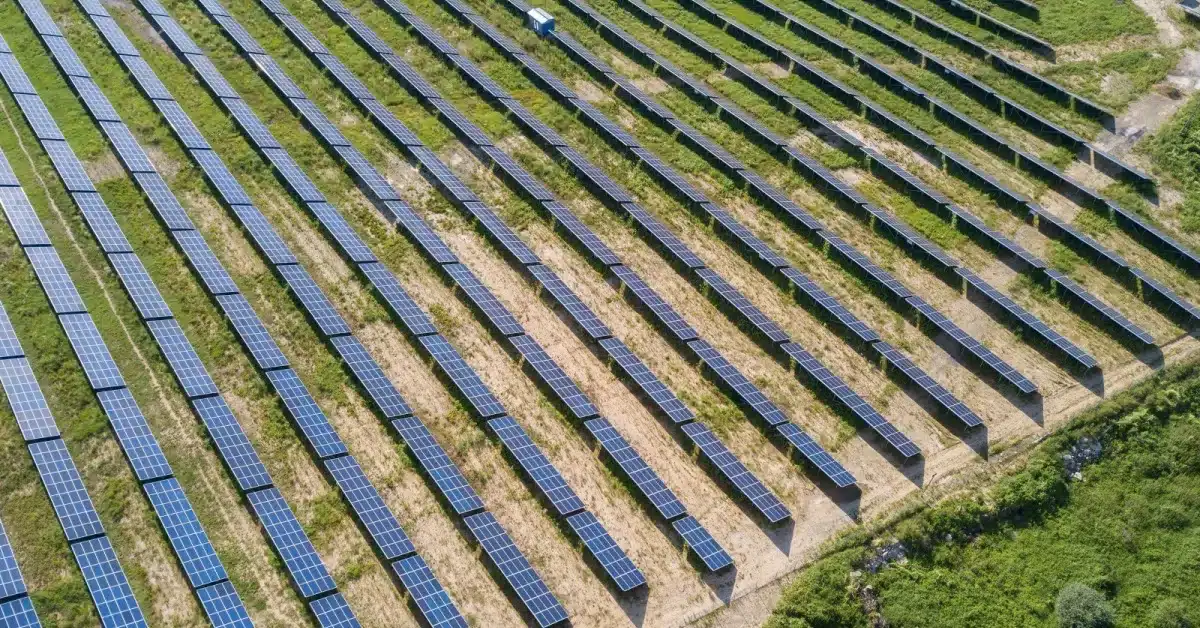
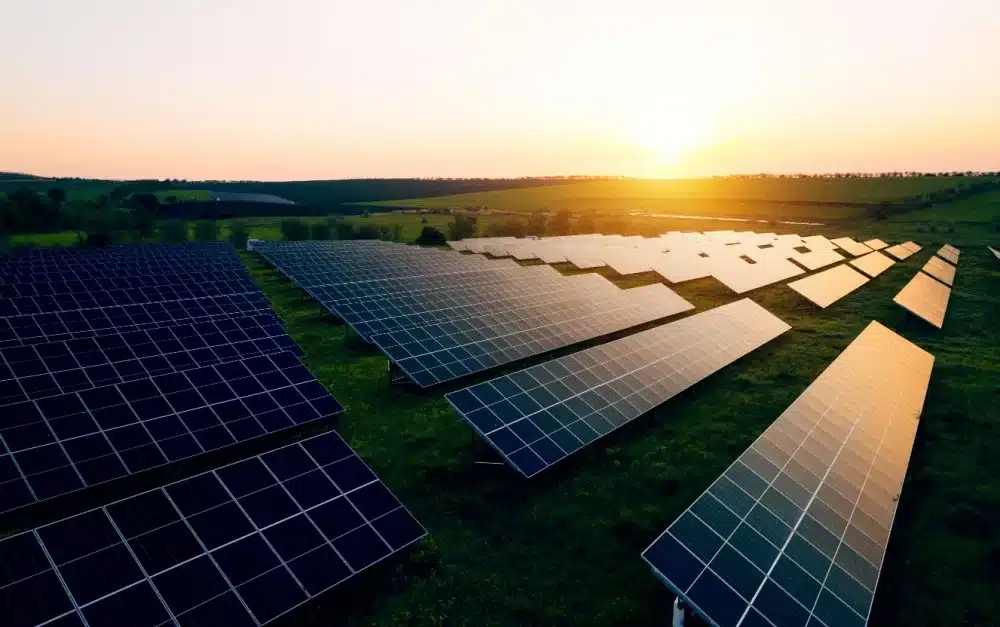
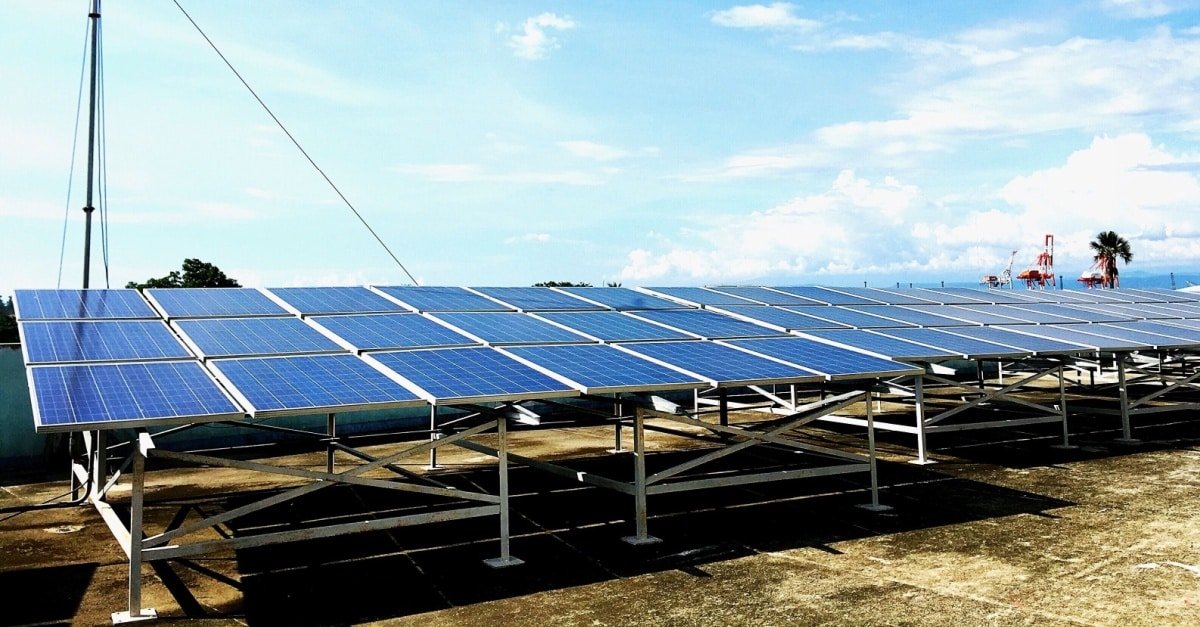
Within two years, Leviste had expanded into large-scale solar farms. His 63-megawatt project in Calatagan, Batangas, which was developed with Korea Electric Power Corp. (Kepco), was later sold for ₱2.25 billion. He built further projects in Tarlac, Batangas, and Cavite, drawing high-profile investors, including Enrique Razon Jr.’s Prime Infrastructure and Ayala Corp.’s ACEN.
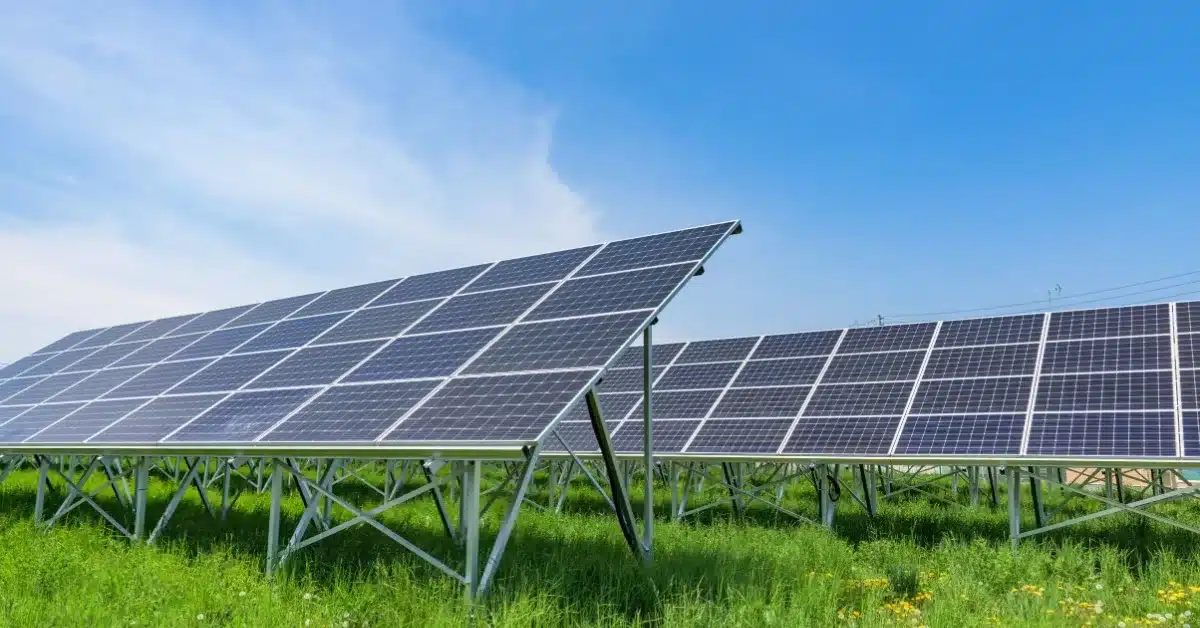
By 2021, Solar Philippines was preparing its biggest bet yet: a 500-MW solar farm in Nueva Ecija, touted as Southeast Asia’s largest. Its subsidiary, Solar Philippines Nueva Ecija Corp. (SPNEC), made history as the first renewable-energy company to go public under the Philippine Stock Exchange’s green-energy listing rules. The move made Leviste, then 28, the youngest founder in PSE history to list a company.
Major investors soon followed. The Metro Pacific Group of Manuel V. Pangilinan invested over ₱24 billion across 2023 and 2024, gaining control of SPNEC. To many observers, Leviste’s vision appeared vindicated, as he began to position himself as a young entrepreneur bridging private capital and clean-energy ambition.
Franchise and Friction
But Leviste’s rise was not without controversy. In 2019, Congress approved a 25-year national franchise for his company Solar Para sa Bayan Corp. (SPB), intended to serve underserved communities with solar-powered mini-grids. Industry groups protested, arguing that the franchise gave SPB an “undue advantage” over existing utilities.
Despite the backlash, then-President Rodrigo Duterte signed the measure into law. The episode marked Leviste’s first brush with regulatory skepticism, one that foreshadowed later disputes over his companies’ commitments.
By late 2025, DOE monitoring reports showed that Solar Philippines and its subsidiaries had yet to deliver on several projects secured under the Green Energy Auction (GEA) programs. Data indicated at least 1,350 MW of solar and wind capacity, spread across six major projects, remained incomplete as deadlines neared.
Among these were the 450-MW Tayabas Solar Project, the 300-MW Kananga-Ormoc Solar Project, and the 200-MW Concepcion, Tarlac installation. Construction had reportedly not begun on any of them.
DOE Crackdown
Upon the start of the new year, the DOE imposed ₱24 billion in fines on SPPPHI for failing to fulfill contract obligations, alongside the cancellation of 33 idle projects, including those under the GEA program. Energy Secretary Sharon Garin stressed that the action “was a long time coming” and not politically motivated, noting that Solar Philippines had delivered “only about 2 percent” of its committed capacity.
“We’re protecting the industry,” Garin said, dismissing claims of selective enforcement. “It’s been a long time coming, and we even waited until the last day of the projects’ delivery commitments.”
Leviste, however, framed the sanctions as retaliation for his intent to disclose what he called the “Cabral files” – documents allegedly exposing corruption in public works allocations. In a Facebook statement, he said he was being silenced for pursuing transparency, describing the DOE’s action as a “trumped-up” attempt to discredit him.
However, the DOE had been tracking the delays months before the “Cabral files” controversy drew political attention to Leviste’s name.
“My money comes from private business,” he said. “The company I founded has built the largest renewable energy capacity in the country and brought the largest foreign investment to the Philippines in 2025.”
A Turning Point
The controversy marks a dramatic shift in the narrative surrounding Leviste, once celebrated as a renewable-energy prodigy. His companies were instrumental in popularizing utility-scale solar in the country, but his dual role as lawmaker and industry player has complicated perceptions of his influence.
Leviste’s case highlights broader challenges in the country’s renewable-energy rollout, where ambitious targets often collide with execution delays, financing bottlenecks, and regulatory oversight. Whether Leviste can regain investor and public confidence will depend on how his firms address DOE’s compliance findings and whether he can separate his political battles from his business legacy.
Source:
https://newsinfo.inquirer.net/2167584/from-energy-wonderkid-to-controversy-magnet
https://newsinfo.inquirer.net/2168120/leviste-sees-move-to-gag-him-garin-cites-his-firms-2-output