Table of Contents
The growing push in Congress to restructure the debt of struggling electric cooperatives (ECs) has reignited a long‑standing debate about their efficiency, governance, and the burden they place on Filipino taxpayers.
A privilege speech by Representative Lawrence Dagooc in early February called for a “universal debt restructuring program” that could see interest payments, penalties, and surcharges on EC debt shouldered by government agencies such as the National Electrification Administration (NEA) and the National Power Corporation (Napocor).
However, critics such as PhilStar columnist Bienvenido Oplas argue this reflects deeper systemic problems within the EC sector, highlighting inefficiencies, political patronage, weak oversight, and a reliance on public funds that is unsustainable in the long run.
“His (Dagooc’s) statements and proposals are additional proof that most, if not all, ECs are inefficient and wasteful, created by politics, monitored and protected by politics via NEA, and kept afloat by tax money via NEA loans to them taken from taxpayers’ money,” Oplas wrote.
Drawing on official data and industry analysis, this article explores the extent of government support for ECs, the problem of under‑performance, and the broader consequences for the energy sector and rural consumers.
(Also read: Baseload Power: The Backbone of a Future‑Ready Energy System)
The State‑Backed Lifeline: NEA Loans and Taxpayer Subsidies
ECs were originally established as non‑profit entities to extend electricity to rural and underserved areas. They are a major recipient of state‑backed financing through the NEA, the government agency tasked with accelerating rural electrification.
In 2025 alone, the NEA released ₱2.8 billion in government-backed loans to ECs, marking a 56% jump from the ₱1.8 billion extended in 2024. The sharp increase signals a renewed push to finance power distribution upgrades and sustain operations across the country.
Of the total, ₱1.7 billion funded capital projects in 34 cooperatives, including 15 in Luzon, eight in the Visayas, and 11 in Mindanao. Moreover, NEA reported that at least 45 ECs received financial assistance during the year.
Earlier in 2025, NEA had already disbursed ₱1.54 billion in loans to ECs under regular lending programs. In the third quarter of the same year, separate data show that ECs accessed around ₱1.98 billion in loans for capital and operational needs.
Even before 2025, the pattern of heavy lending was persistent. According to the NEA’s 2023 report, the agency released nearly ₱1 billion in loans to at least 26 ECs, overshooting its ₱700 million full-year lending target by a staggering 139.36%.
NEA Administrator Antonio Mariano Almeda explained, “The increase in loan uptake reflects a growing need for financial support among our ECs, particularly in areas where power demand and operational costs are rising.”
These figures highlight a clear reality: the Philippine state continues to prop up ECs with significant financial resources, much of which ultimately derives from taxpayers through NEA’s budgeted allocations.
Governance and Oversight: What Are Taxpayers Getting in Return?
Public financing of ECs is meant to support rural electrification and ensure reliable service. But critics argue that little has been done to enforce accountability and performance standards, resulting in questionable returns on public investment.
A December 2024 audit report by the Commission on Audit (CoA) raised concerns about NEA’s management of development funds meant for rural electrification. The auditors found that nearly ₱992.59 million in subsidy funds released to ECs remained unliquidated past their due implementation period.
“Subsidy funds released to various [ECs] for the implementation of Rural Electrification Programs totaling P992.59 million remain unliquidated and unremitted as of December 31, 2023, due to NEA’s inadequate enforcement,” noted the CoA report. “This clearly indicates that there are delays in the completion of the projects as well as in the liquidation of the subsidy funds released to the [ECs].”
At the time, the Philippine Congress had approved ₱5.02 billion in subsidies for the NEA’s rural electrification program, more than doubling the initially proposed ₱1.82 billion.
Despite the substantial amount poured into ECs, shortfalls remain. A study by the Institute for Contemporary Economics highlighted major gaps in capital spending by ECs in Panay and Guimaras. Between 2022 and 2024, these ECs spent only ₱2.38 billion of a ₱10.52 billion capital budget, with most funds going to routine maintenance rather than critical modernization or expansion.
This has slowed upgrades to substations, distribution lines, and protective systems, sparking questions about ongoing reliability issues, vulnerability to outages, and limits on future energy growth in the islands.
Another case in point is the slow recovery of ECs after disasters, as highlighted by northern Cebu in 2025. A 6.9-magnitude earthquake in September killed 79 people and caused ₱3 billion in damage. Typhoons Tino and Uwan soon followed, bringing heavy rains and flooding that further tested local power systems.
The disasters exposed persistent weaknesses in the province’s electrification. While the private Visayan Electric Company (VECO) restored service quickly and kept urban residents informed, communities served by the Cebu Electric Cooperative (CEBECO) experienced slow and uneven recovery, leaving thousands without water and electricity for days.
The question now is where the taxpayer-funded loans and subsidies for ECs are actually going.
In May 2025, the NEA filed cases with the Department of Justice (DOJ) against several ECs over alleged financial mismanagement. Officials from Ilocos Norte Electric Cooperative (INEC) were charged with embezzling ₱118 million from the Employees Retirement Fund, while Nueva Ecija II Electric Cooperative (NEECO 2-Area 2) faced accusations of misappropriating around ₱250 million from retirement and internal funds. First Bukidnon Electric Cooperative (FIBECO) investigated an illegal land purchase valued at ₱11.55 million and a ₱6 million diversion to a former manager’s personal account.
(Also read: Philippines’ Green Energy Drive Gains Ground, but Key Bottlenecks Persist)
Comparing ECs with Private Distribution Utilities
During his privilege speech, Rep. Dagooc criticized the “profit-oriented” model of private distribution utilities (DUs). However, a growing number of consumers are voicing frustration over the poor service of ECs and are seeking to switch to private distribution utilities.
In Batangas, the Batangas Electric Cooperative (BATELEC) has been urged to seek assistance from Manila Electric Company (Meralco), while in Negros, the consumer group Alliance of Concerned Consumers in Electricity and Social Services (ACCESS) is pushing for a partnership between the Negros Occidental Electric Cooperative (NONECO) and Negros Power to improve service delivery.
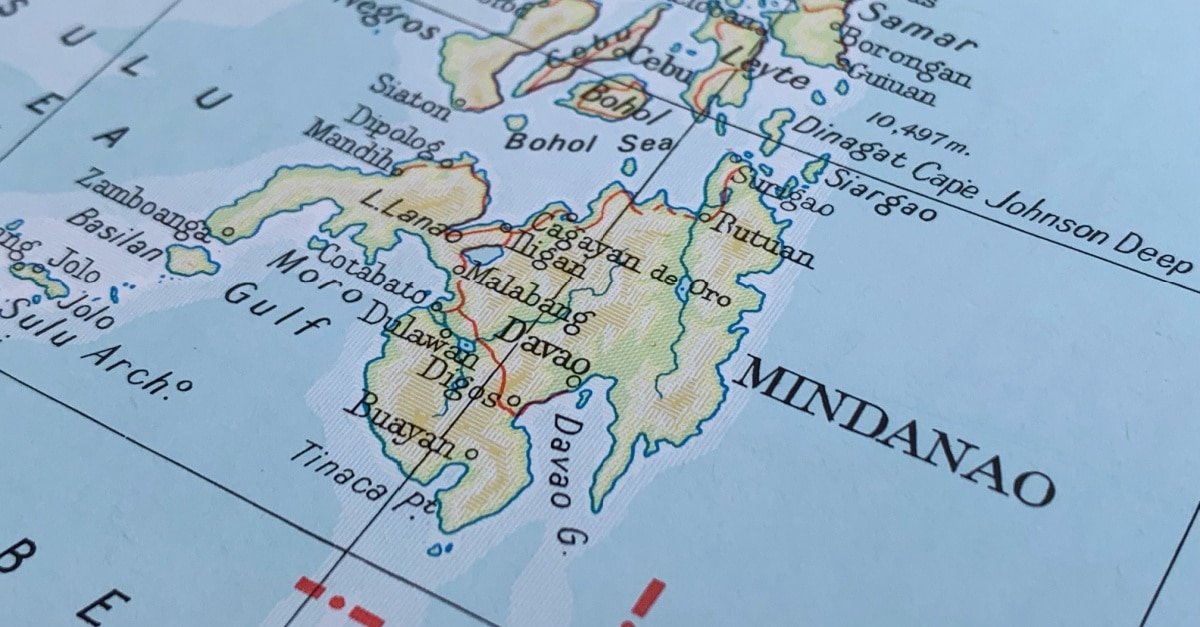
Meanwhile, the Northern Davao Electric Cooperative, Inc. (NORDECO) is being criticized for high rates, unreliable service, and poor accountability. Nic Satur of Partners for Affordable and Reliable Energy (PARE) warned that “people on the ground are losing livelihoods, suffering hours in darkness, and paying one of the highest rates in the region,” calling the situation “a political and regulatory failure”.
Local officials have amplified these concerns: Davao del Norte Governor Edwin Jubahib described NORDECO’s performance as a setback to local economic growth. He stated,“For this reason, it is disheartening that the province of Davao del Norte finds it difficult to lure big investors and accelerate economic growth with the unstable power supply, higher electricity rates, and poor services provided by Nordeco.”
Senator Juan Miguel Zubiri also urged the EC to rethink its operations. “They (consumers) can no longer afford to be burdened by soaring electricity rates for which they get unreliable service in return,” he said during a Senate plenary session addressing NORDECO.
Perhaps the most decisive blow against ECs came when the Supreme Court ruled in favor of More Power over the Iloilo Electric Cooperatives (ILECOS).
In 2022, Congress passed Republic Act No. 11918, extending MORE Power’s franchise from Iloilo City to 15 surrounding municipalities and Passi City, previously served exclusively by the ILECOs. The ECs challenged the law, claiming it violated their franchise rights, but in July 2024, the Supreme Court rejected their case, ruling that “a franchise … is not the exclusive private property of the franchisee” and noted that opening service areas could improve reliability and reduce costs for consumers.
Oplas stressed that ECs must cover their own interest and penalties, and those unable to operate efficiently should be restructured as corporates under Securities and Exchange Commission (SEC) oversight instead of NEA.
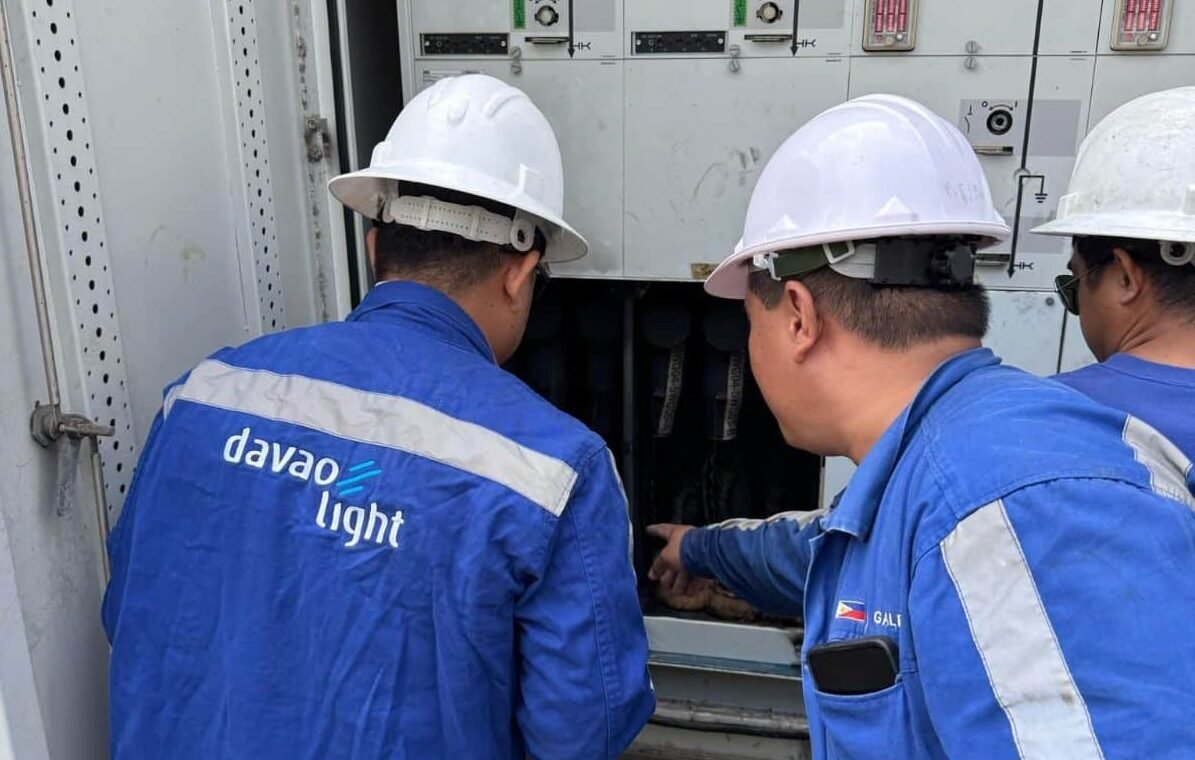
“The private DUs like Meralco, VECO, Davao Light, they are doing real public service – zero blackout to customers except on rare cases, sell at competitive prices, give profit to shareholders, give taxes to government, give free services to certain communities,” he asserted.
Meanwhile, Daily Tribune columnist Komfie Manalo observed that “unlike private distribution utilities, co-ops enjoy preferential treatment which breeds inefficiencies as evidenced by very poor performances in many provinces.” He pointed to the need to stop subsidies that unfairly shift the burden onto taxpayers, who are often not even customers of the ECs, yet remain responsible for sustaining their operations.
Instead of funneling more of the people’s money into struggling cooperatives, the focus should shift to demanding accountability and performance from the ECs themselves. When enough is enough, those unable to deliver reliable service should step aside to make way for more capable providers.
The stakes are high: the efficiency of power distribution affects economic growth, investment, and poverty alleviation. Continued mismanagement not only drains public funds but also hampers opportunities for communities to thrive, underscoring that sustainable development and national progress cannot wait on chronically underperforming ECs.
Sources:
https://docs.congress.hrep.online/legisdocs/basic_20/HB07291.pdf
https://tribune.net.ph/2026/01/14/nea-pumps-p28b-into-ecs-amid-modernization-push
https://dailyguardian.com.ph/nea-releases-php1-54b-loans-to-electric-co-ops-in-h1-2025
https://dailyguardian.com.ph/panay-power-grid-at-risk-due-to-underinvestment-by-electric-coopsys/
https://en.wikipedia.org/wiki/2025_Cebu_earthquake
https://www.sunstar.com.ph/cebu/signal-no-1-raised-over-cebu-other-parts-of-the-country-due-to-uwan
https://tribune.net.ph/2025/05/27/nea-files-cases-vs-ec-officials-over-alleged-fund-mismanagement
https://www.sunstar.com.ph/davao/davao-light-gets-green-light-to-connect-new-customers
https://lawphil.net/statutes/repacts/ra2022/ra_11918_2022.html
https://tribune.net.ph/2023/12/23/electricity-subsidies-to-electric-coops-a-never-ending-burden
https://www.mindanaotimes.com.ph/pare-calls-out-nordeco-for-lack-of-transparency/
https://mb.com.ph/2/4/2025/davao-del-norte-governor-cites-game-changing-senate-bill