Table of Contents
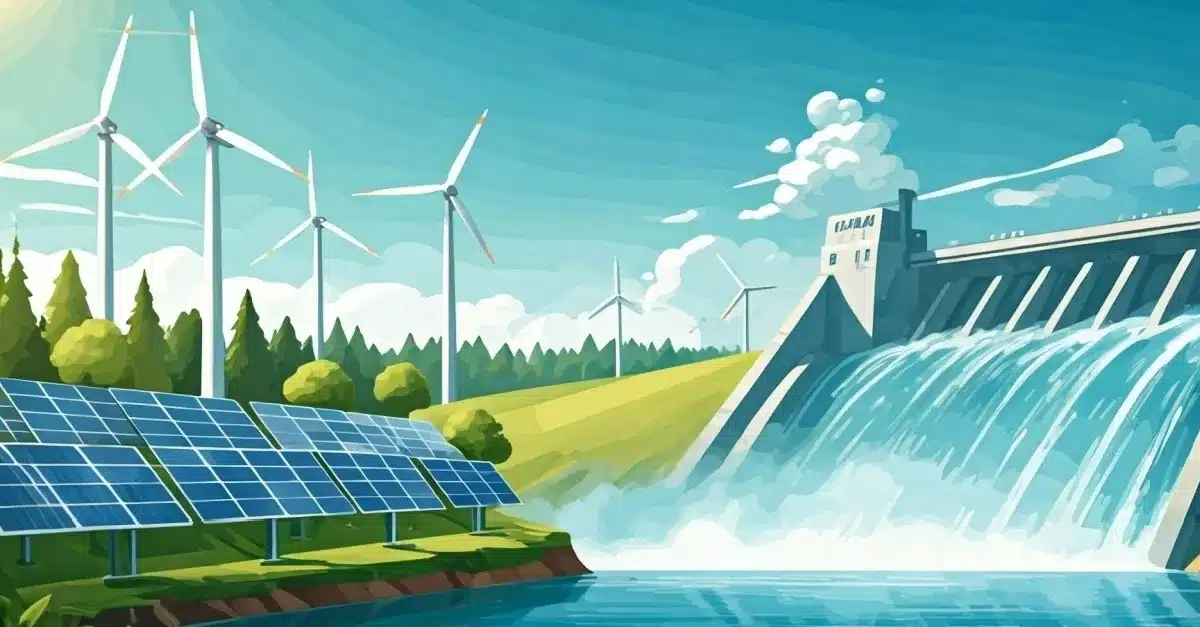
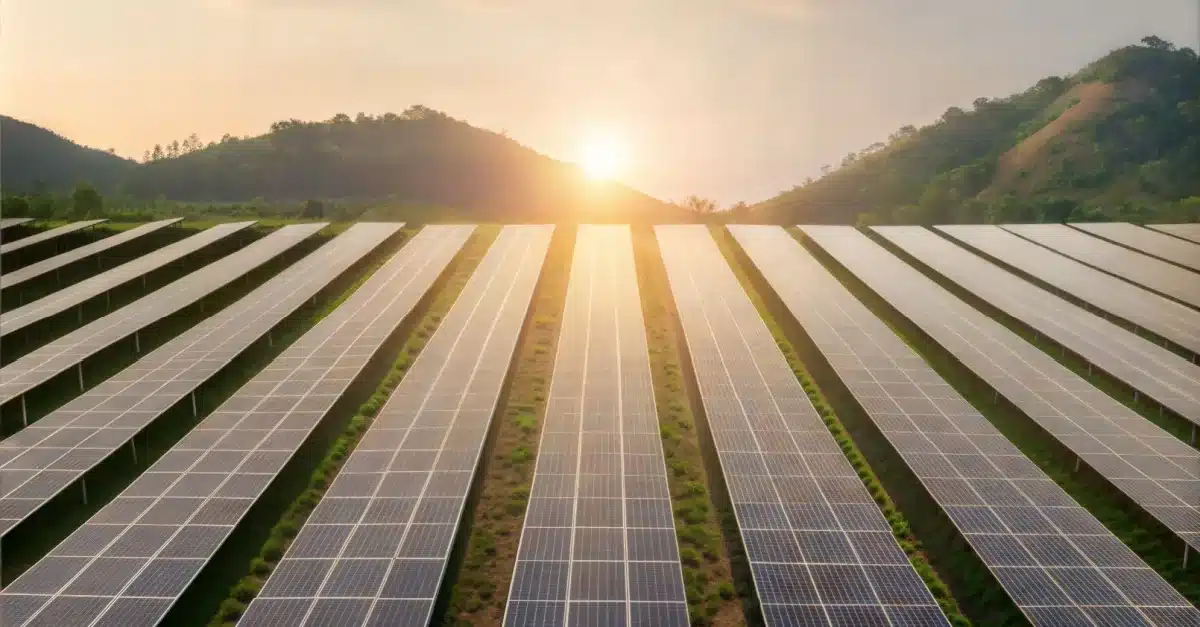
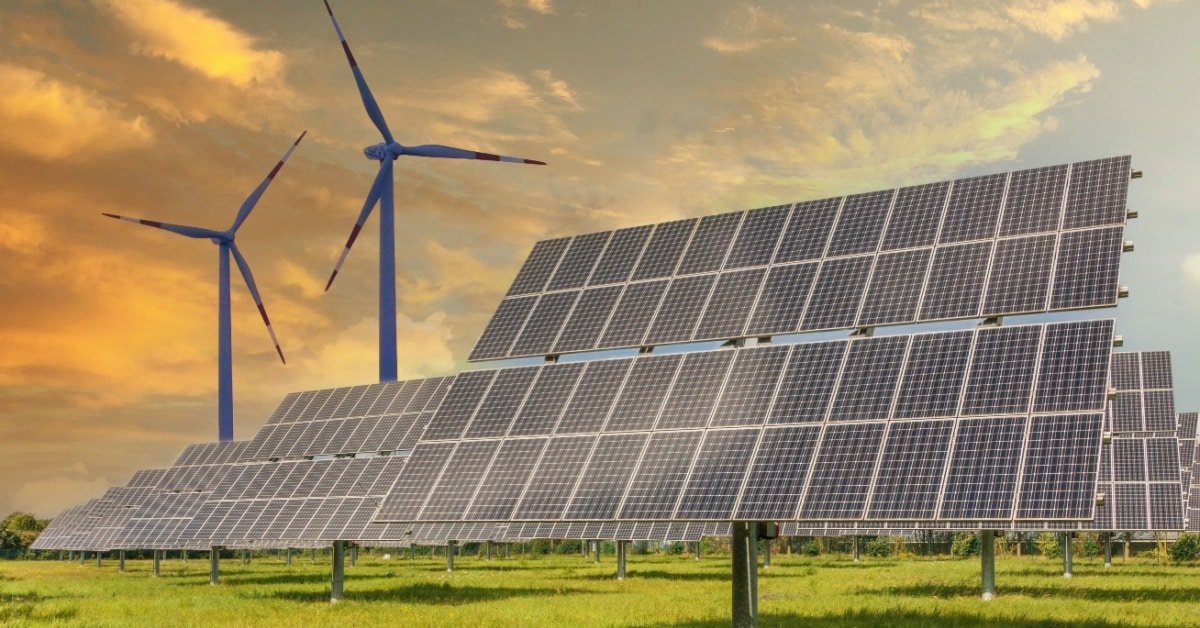
The Philippines stands at a decisive moment in its climate and energy journey. Blessed with abundant solar irradiance, vast wind corridors, geothermal endowments, and hydropower potential, the archipelago appears primed for a green energy revolution.
Investors have taken notice: reforms have unlocked foreign participation in renewable energy (RE), capital is flowing, and innovative initiatives are gaining ground.
Yet despite these strides, the nation’s transition to a low-carbon, climate-resilient future is hampered by persistent bottlenecks that threaten to slow progress, undermine investment, and strain energy security.
(Also read: Will Renewable Energy Lighten the Load on Filipino Households?)
Early Achievements in the Green Shift
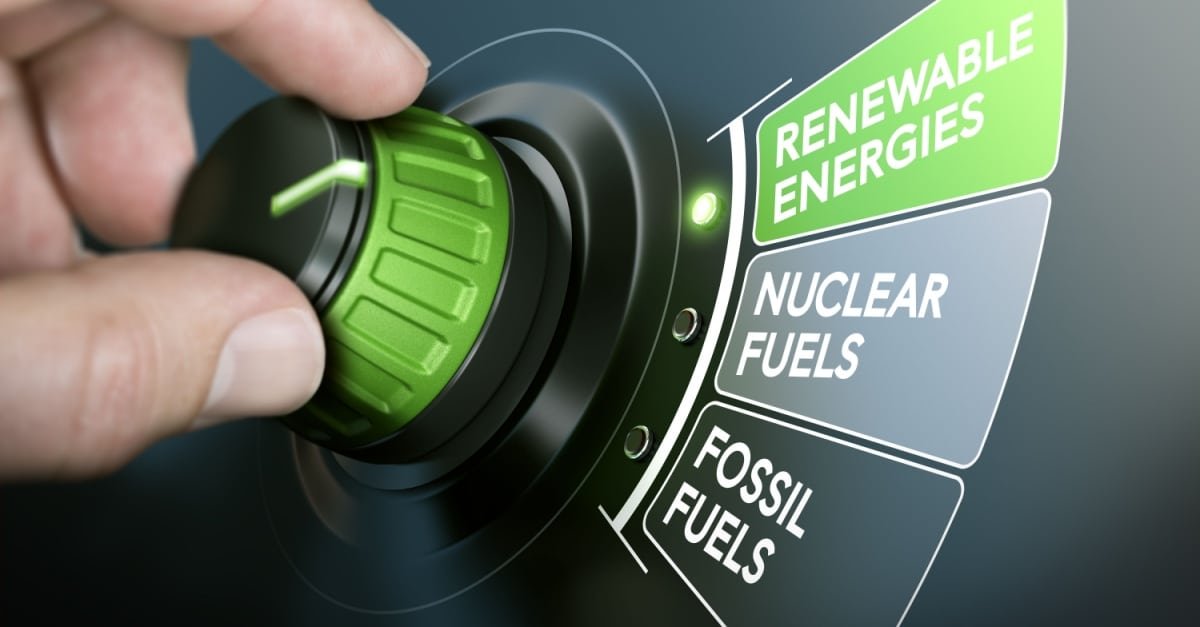
Recent policy reforms have reshaped the RE landscape, opening the sector to stronger competition and greater investment. Under the Department of Energy’s (DOE) Philippine Energy Plan, the government is targeting a major shift in the power mix, with renewables expected to supply 35% of electricity generation by 2030 and 50% by 2040.
Thanks to policy liberalization, the Philippines has opened its RE sector to full foreign ownership, allowing overseas investors to hold 100% equity in solar, wind, geothermal, biomass, and marine projects. This reform has attracted new capital, advanced technologies, and global expertise. In October 2025, the DOE reported that fully foreign-owned firms have secured about 20 gigawatts (GW) of renewable capacity through roughly 75 awarded service contracts covering onshore and offshore wind as well as large-scale solar developments.
To accelerate the rollout of priority energy projects, the government rolled out streamlining measures designed to cut red tape and shorten approval timelines. These include the Energy Virtual One-Stop Shop System (EVOSS), a centralized digital platform that coordinates permitting across agencies, and the establishment of Green Lanes for Strategic Investments, which fast-tracks clearances for high-impact energy developments.
In November 2025, the Board of Investments (BOI) reported that energy projects, largely composed of renewable ventures, accounted for about ₱480 billion in approved investments from January to November 2025, representing nearly 59% of total investment approvals during the period.
Key Bottlenecks Hindering the Green Transition
While progress is real, multiple obstacles identified by the International Monetary Fund (IMF) are constraining the speed and quality of the energy transition across sectors.
Inadequate grid infrastructure
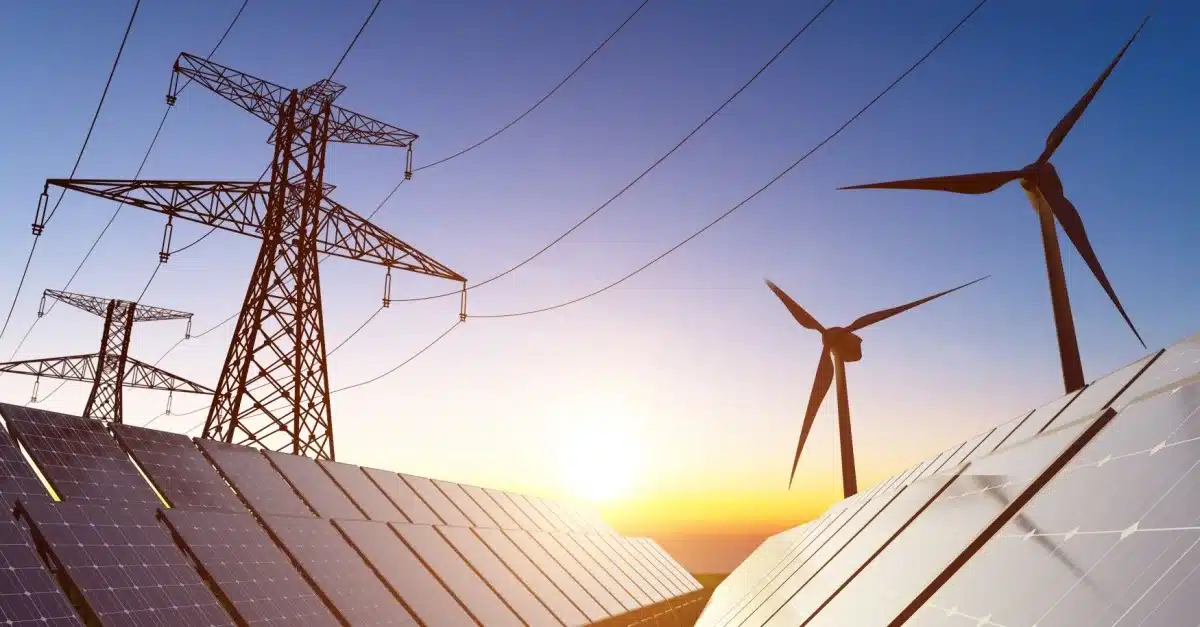
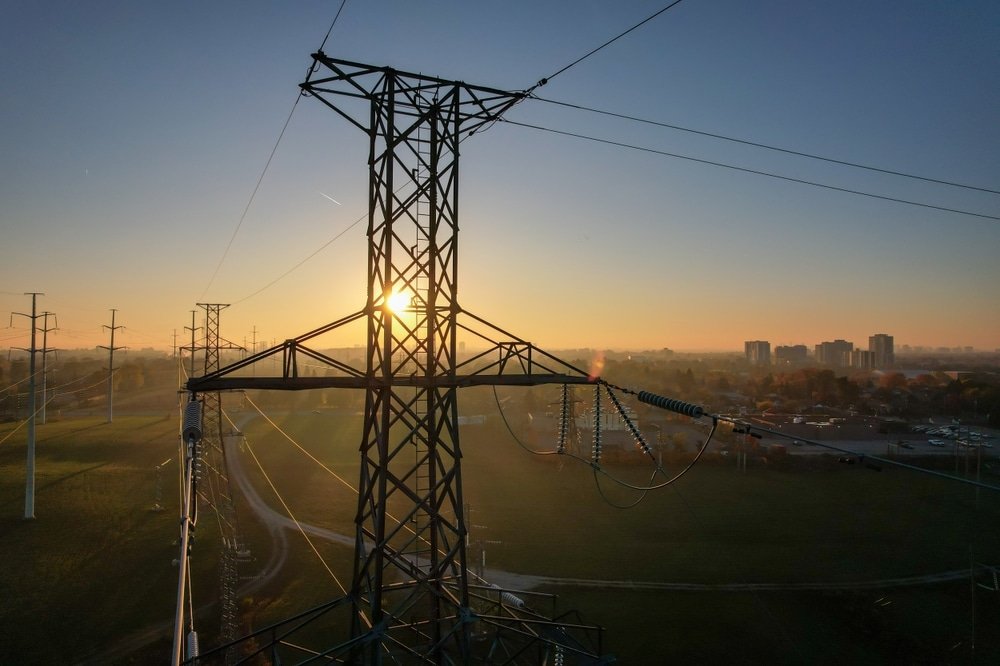
The IMF notes that slow interconnection processes and inadequate grid readiness are major barriers to integrating variable solar and wind power. The grid infrastructure, designed originally for centralized fossil-fuel generation, struggles to absorb intermittent RE.
Intermittent renewable output, combined with limited energy storage, is placing a heavy strain on the grid. The scarcity of interconnection points, especially for projects far from existing infrastructure, has slowed power delivery, caused delays, and in some cases, led to the termination of approved contracts.
Financing challenges
RE projects require substantial upfront investment and generally have higher initial costs than conventional power generation sources. DOE Undersecretary Rowena Guevara stated that reaching the country’s RE targets will require an estimated ₱20 to ₱31 trillion in clean energy investments by 2040.
Offshore wind (OSW) complicates the transition. At ₱14 per kilowatt-hour (kWh), nearly three times solar, OSW requires massive upfront investment for capacity, ports, and grid connection. Analysts warn this could raise electricity rates and disproportionately burden lower-income households, worsening economic inequality.
Complex permitting, land, and regulatory hurdles
Overlapping regulations from national agencies, local governments, and regional authorities often create delays, cost overruns, and hesitancy to invest. In OSW, developers are required to secure over 80 permits, coordinated across more than 25 government agencies, resulting in a highly complex and time-consuming process.
Land acquisition is another challenge, as securing rights-of-way or leases for solar and wind projects can be complicated by unclear titles, local disputes, and social resistance.
Additionally, environmental and social compliance requirements, while necessary for sustainability, can further extend project timelines without proportionate improvements in outcomes.
Regional differences in energy availability
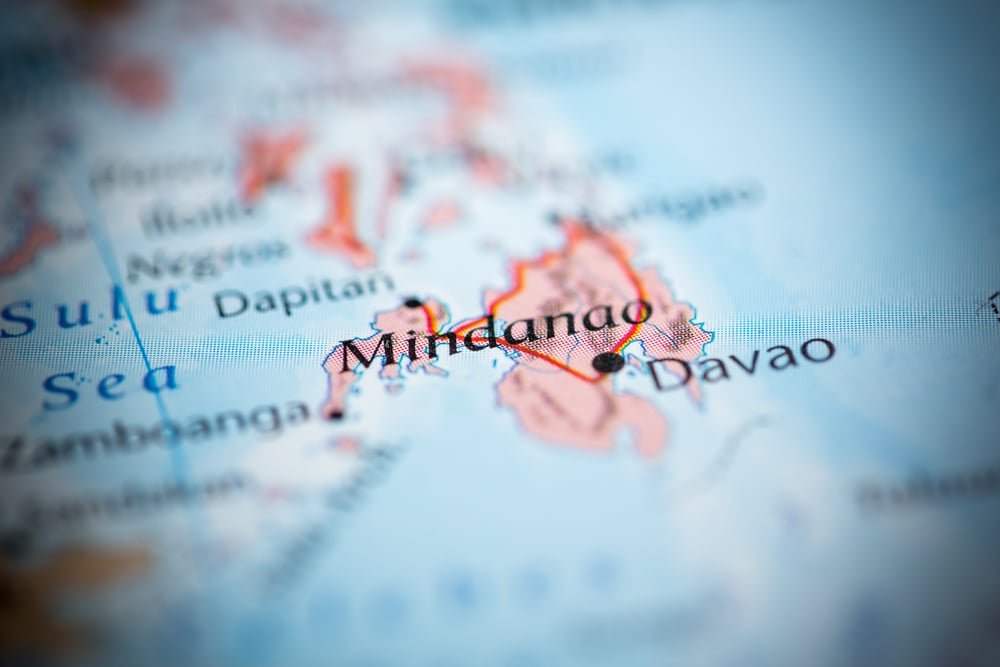
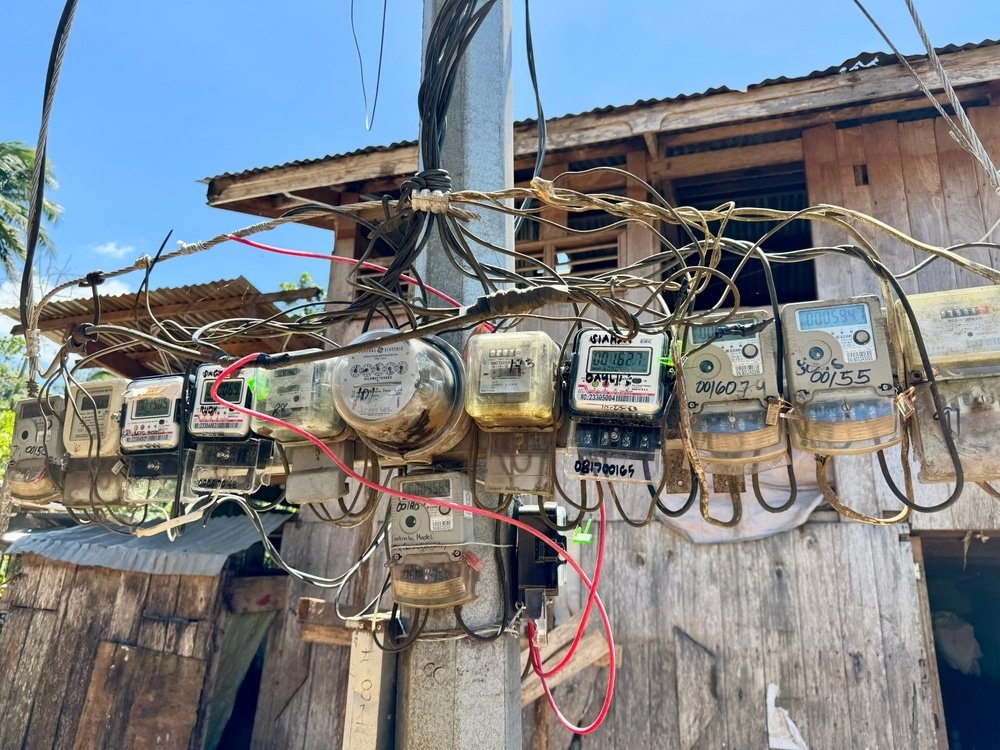
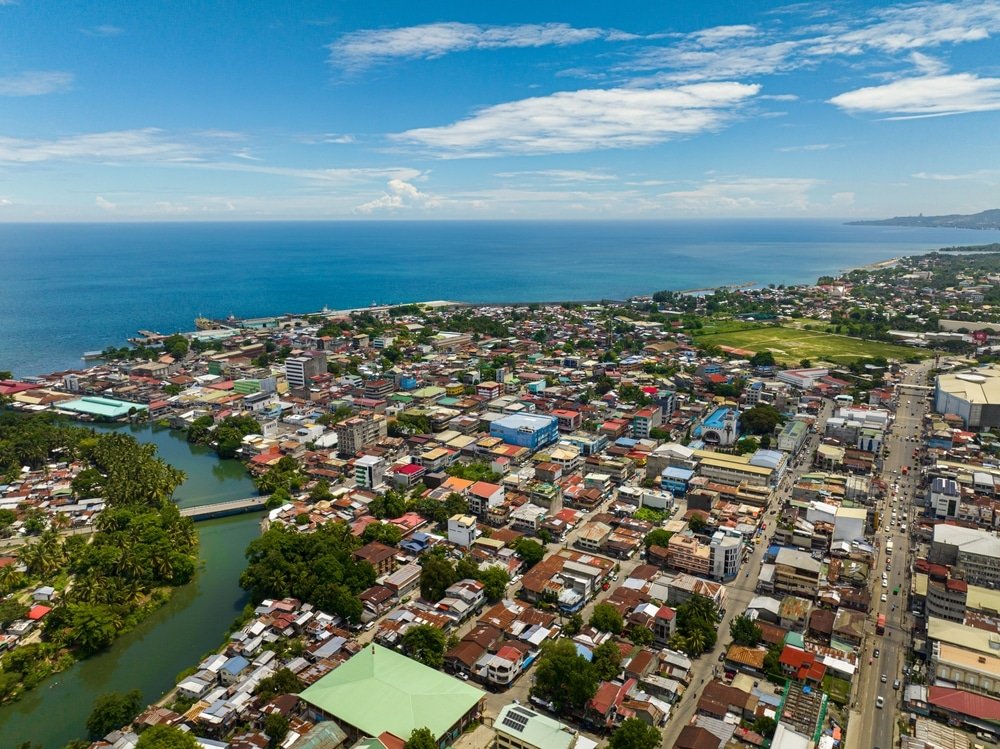
Regional disparities in energy limit where and how clean energy can be deployed. Although national electrification is at 95.8%, many remote areas and regions, such as parts of Mindanao and BARMM, lag far behind urban centers, with electrification rates well below the national average at around 45%. These gaps mean investment, grid infrastructure, and renewable deployment are concentrated in more connected regions, leaving underserved communities behind.
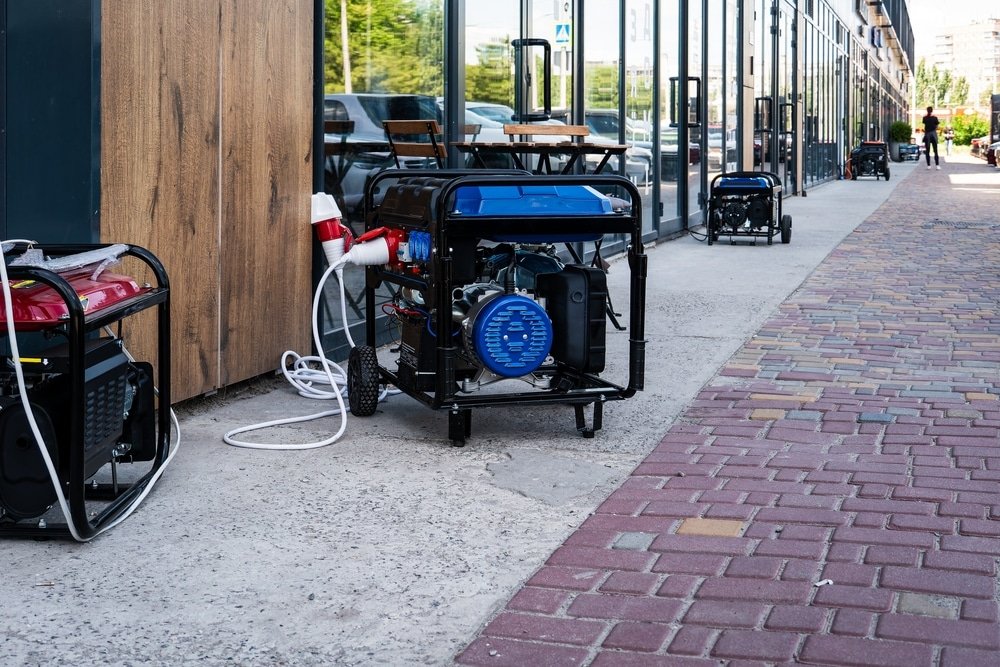
The lack of reliable grid access in these regions increases reliance on costly diesel and off-grid solutions, complicating planning for a unified, low‑carbon energy system.
Workforce and skills shortages
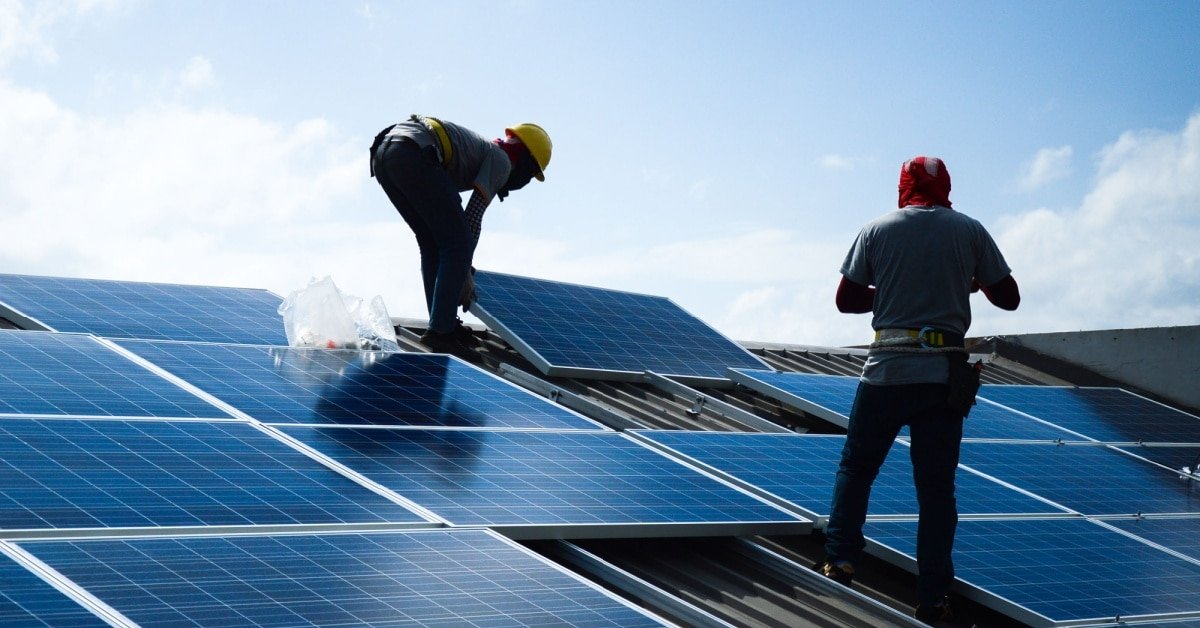
The IMF highlights a shortage of qualified workers in RE development, installation, and maintenance, a gap that could slow deployment even where capital and policy support exist.
Likewise, industry and government leaders warned that the country’s green transition could be slowed by a workforce unprepared for RE, electric vehicles, and sustainable construction. The Department of Labor and Employment (DOLE) emphasized the need for a just transition that creates green jobs while supporting workers in traditional sectors. Persistent challenges include gaps in training, limited funding, and low awareness of opportunities.
(Also read: High Bills, Weak Service: The Electric Cooperative Problem)
Overcoming Barriers to a Green Future
To accelerate the transition toward a cleaner and more resilient energy future, the Philippines must tackle systemic constraints with a coordinated combination of policy, finance, infrastructure, and inclusive governance.
Ensuring policy consistency & market reform
Consistent policies and clear regulations are essential for attracting investment. Both local and foreign investors need a stable, predictable environment. Simplifying permitting, minimizing bureaucratic delays, and maintaining transparency in power contracts can help secure long-term funding.
Streamlining renewable power purchase agreements (PPAs) could also reduce costs, speed up negotiations, and facilitate faster deal closures. Stabilizing prices in the Wholesale Electricity Spot Market (WESM) and minimizing regulatory distortions, while using hedging strategically, can strengthen market signals and create a more efficient, predictable framework for RE investment.
Modernizing grid infrastructure
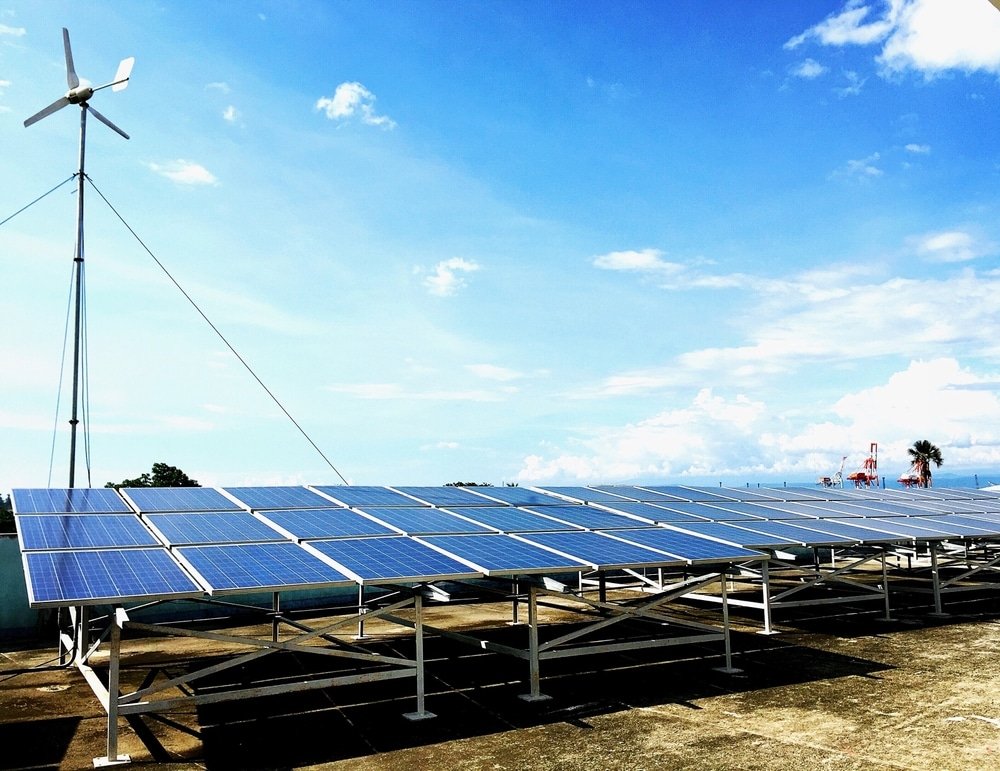
Scaling solar and wind requires a transmission network that can manage variable power, supported by investments in storage and smart grid technologies. Upgrading infrastructure is crucial to maintain reliability and maximize the integration of clean energy into the national grid.
Additionally, the Makati Business Club recommends an executive order to implement a build-operate-transfer framework for the Philippine grid. This approach would allow both private investors and government-owned entities to construct critical transmission infrastructure, speeding up grid development and enabling more reliable, cost-effective integration of RE across the country.
Expanding renewable financing
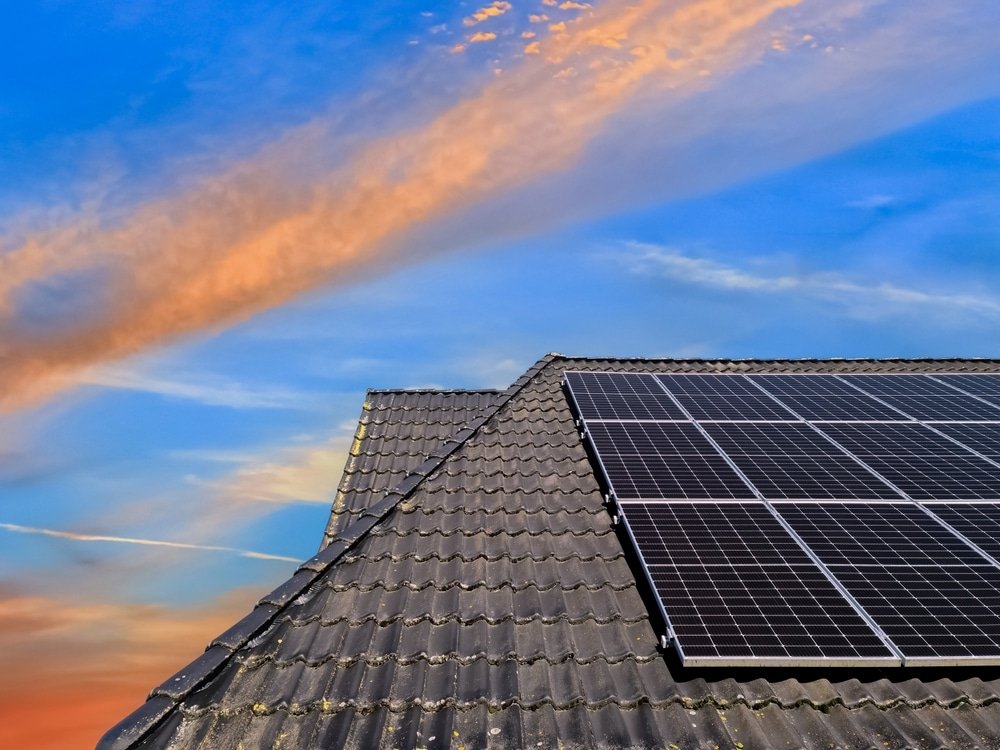
Financing must be broadened to support both large-scale and community-based renewable projects. Affordable options for rooftop solar and microgrids, through blended finance, green bonds, and development partnerships, can make the energy transition more inclusive and enable wider participation in clean energy adoption.
In line with this, the DOE is developing low-interest financing for RE developers to accelerate hybridization in off-grid Small Power Utilities Group (SPUG) areas, without requiring sovereign guarantees or standard power agreements. Shorter contracts under retail competition make the plan ambitious, but affordable battery-plus-solar solutions now cost less than the ₱18 per kWh generation average while offering environmental benefits.
Building local capacity
Developing local expertise and transferring technology should be central to the energy strategy. By training domestic engineers, project managers, and maintenance teams, the country can move beyond importing equipment, strengthen energy sovereignty, and ensure that the economic and technical benefits of the renewable transition are shared with Filipino workers and businesses.
Coupled with this is the need for workforce reskilling programs, especially for communities transitioning from fossil fuel-dependent sectors, as recommended by the MBC. Such programs reduce social risks and nurture a skilled workforce capable of installing, maintaining, and innovating clean energy solutions.
Turning Imperatives into Impact
The Philippines’ journey toward a sustainable energy future requires more than ambitious targets; it needs systemic solutions that unlock investment, modernize infrastructure, empower communities, and harness markets. The solutions outlined above form a holistic roadmap for addressing the barriers identified by policymakers, industry experts, and multilateral partners.
A Manila Bulletin opinion underscores another crucial solution: public awareness and political commitment must align. As the piece notes, “Energy transition is not merely a technical undertaking; it is a societal choice.” Consumers, local governments, and industry need a shared vision of sustainability, reinforced by leaders willing to make long-term decisions. The DOE’s recent actions to hold parties accountable for establishing RE facilities reflect this approach.
If these obstacles can be addressed thoughtfully, the rewards are profound: energy security, climate resilience, economic opportunity, and a more sustainable future for generations of Filipinos. The nation’s green transition is underway — but the journey will be defined not just by goals, but by how effectively we navigate its challenges.
Sources:
https://www.acenrenewables.com/2025/11/philippines-renewable-energy-transition/
https://www.philstar.com/business/2025/10/14/2479635/foreign-firms-corner-20-gw-re-projects
https://context.ph/2025/12/09/doe-sees-continued-rise-in-renewable-energy-investments
https://www.philstar.com/business/2026/01/23/2502813/philippines-unlikely-meet-re-targets-2030
https://mb.com.ph/2025/12/08/who-wants-to-pay-14kwh-for-offshore-wind
https://solaren-power.com/solar-energy-philippines-future-of-energy
https://www.philstar.com/business/2026/01/19/2501877/why-green-energy-way-harder-it-looks
https://mb.com.ph/2026/01/13/renewable-energy-drives-growth-philippines-electrification-hits-95
https://context.ph/2025/11/20/govt-pushes-renewable-energy-in-off-grid-areas-via-ppp
https://mb.com.ph/2026/01/26/renewable-energy-toward-a-sustainable-ph-energy-future
https://mbc.com.ph/2025/04/03/mbc-statement-on-private-investments-on-ph-grids
https://tribune.net.ph/2025/11/20/low-cost-financing-eyed-to-scale-off-grid-re