Table of Contents
The Philippines is scaling up its renewable energy (RE) procurement through the Department of Energy’s (DOE) flagship Green Energy Auction Program (GEA), a competitive mechanism designed to attract private investment and add significant clean energy capacity to the national grid.
As part of a wider 10-year roadmap to secure at least 25 gigawatts (GW) of additional RE capacity by 2035, the upcoming GEA rounds aim to expand the country’s clean energy mix. Project deliveries are expected to begin as early as 2027 and continue through 2035.
The DOE outlined the technologies slated for each auction round. GEA-6 will focus on onshore wind and floating solar, while GEA-7 will include rooftop solar and solar paired with battery energy storage systems (BESS), in coordination with the Mindanao Development Authority (MinDA).
GEA-8 will introduce more specialized solar projects, including solar on stilts and AgriSolar in partnership with the Department of Agriculture (DA) and the Department of Agrarian Reform (DAR), as well as canal-top solar with the National Irrigation Administration (NIA).
GEA-9 will cover biomass, geothermal, solar, hydropower, and onshore wind projects.
For the 2027-2028 delivery window, the DOE targets at least 3,200 megawatts (MW) of solar energy (excluding floating solar) across Luzon, Visayas, and Mindanao. An additional 85 MW of rooftop solar is planned for Visayas and Mindanao during the same period.
Looking further ahead, the department aims for 5,565 MW of additional capacity from other renewable technologies between 2028 and 2035.
(Also read: Will Renewable Energy Lighten the Load on Filipino Households?)
Mindanao: GEA’s Strategic Choice
About a month ago, the MinDA and DOE agreed to launch a dedicated green energy auction for Mindanao this year, which was recently announced as GEA-7. This aims to strengthen the region’s power stability and fuel its economic expansion.
Officials outlined plans to procure firm baseload capacity while fast‑tracking renewable solutions, notably solar paired with BESS. The auction is designed to attract fresh investment to Mindanao and ensure a sufficient energy supply as demand rises.
The National Grid Corporation of the Philippines (NGCP) reports demand is rising across all major Philippine grids, including Mindanao, with projected increases of about 12.34% in Mindanao for 2026 compared with last year’s actual demand.
According to the Independent Electricity Market Operator of the Philippines (IEMOP), supply margins in Mindanao tightened in late 2025 as demand rose, even though system‑wide average demand dipped slightly month‑on‑month in December. Mindanao’s spot prices climbed 36.3%, reflecting tighter regional margins, while available supply decreased and demand modestly increased.
Mindanao’s growing mining sector is expected to drive future energy demand, MinDA Secretary Leo Tereso Magno said. “As we anticipate the growth of our mining sector and other energy-intensive industries, we are committed to working closely with the Department of Energy and private sector developers to ensure that power planning for 2026–2028 remains responsive to demand and sustains the region’s investment momentum,” he noted.
Meanwhile, MinDA Assistant Secretary Romeo Montenegro revealed that private developers would be crucial to keeping projects on track, pointing to recent investment interest from Malaysia, Qatar, and South Korea in clean energy ventures.
Mindanao is aiming for an ambitious target: a 50 % renewable-to-fossil fuel energy mix by 2030. As of late 2025, the island’s energy supply is still largely fossil-fuel dependent, with about 67 % from fossil sources and only 33 % from renewables. Meeting the 50‑50 goal will require at least 1,400 MW of new renewable capacity by 2030.
Benefits of Rooftop Solar Paired with BESS
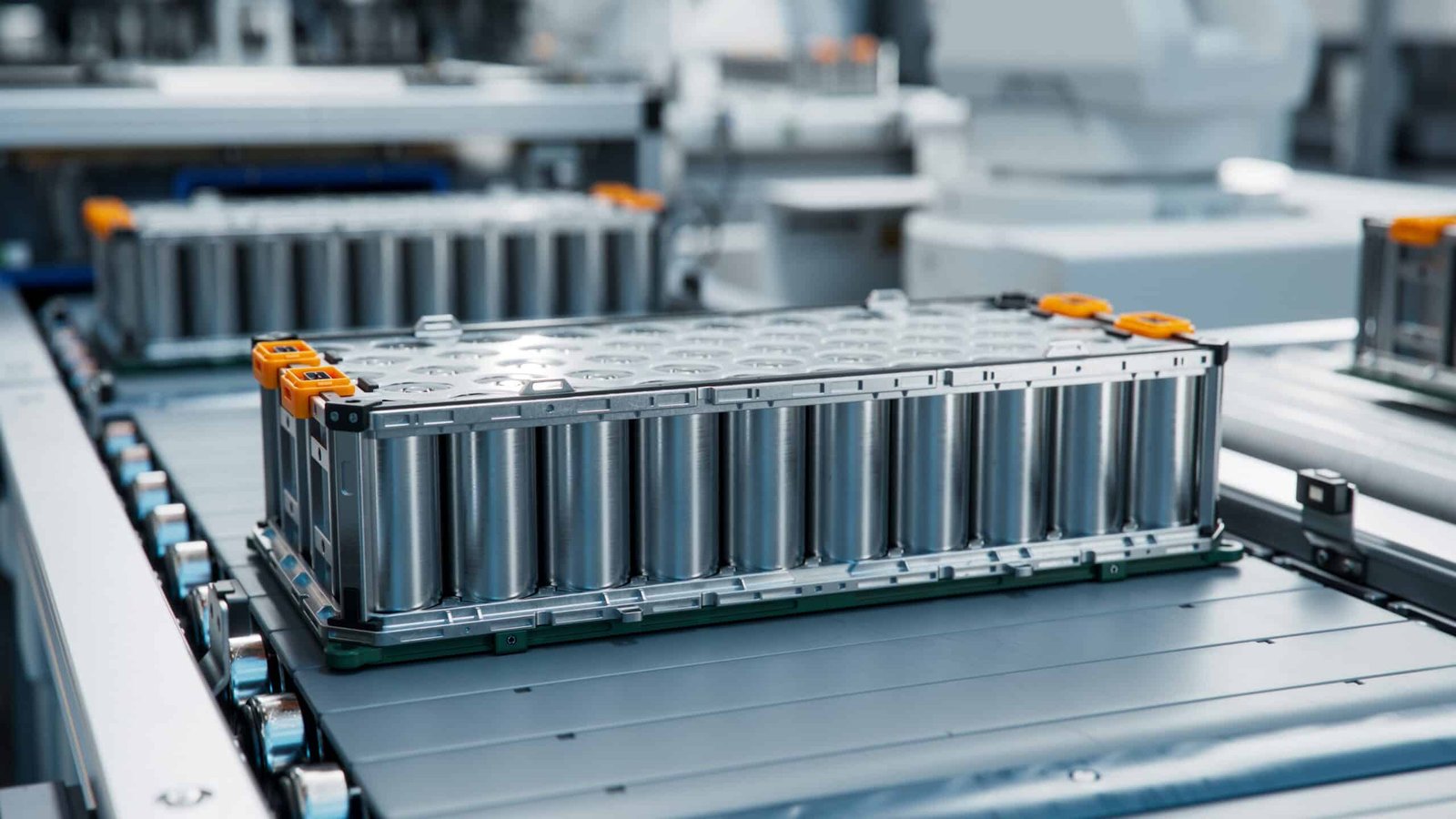
While solar provides a clean renewable energy source, its intermittent nature can challenge grid stability and reliability. Battery Energy Storage Systems (BESS) help address this by storing excess electricity when generation is high and demand is low, such as during periods of strong sunlight. The stored energy can then be discharged later when solar output declines or demand rises, helping balance supply and demand on the grid.
Solar panels produce most electricity when there is sunlight, which doesn’t always match peak consumption. Paired with BESS, excess energy can be stored and discharged later, ensuring more efficient use of solar power and reducing dependence on the grid.
Solar output can also fluctuate due to weather or time of day. BESS acts as a buffer, smoothing these variations and maintaining a steady electricity supply. This reduces strain on the grid, lowers the need for costly infrastructure upgrades, and improves overall system reliability.
According to the U.S. Department of Energy, solar offers clear financial advantages beyond environmental benefits. Homeowners can lower monthly electricity bills, though savings depend on factors such as electricity usage, system size, roof orientation, local sunlight, and utility rates. “A solar electric system provides an opportunity for anyone who is looking to reduce monthly utility bills and make a long-term, low-risk investment,” it stated.
Additionally, a Stanford University study highlighted that most U.S. households with solar‑plus‑storage systems could lower electricity costs by about 15% and withstand local or regional outages by meeting a significant portion of their energy needs during blackouts.
China and the U.S. lead the world in solar‑plus‑storage adoption, driven by large-scale installations and strong policy incentives. Beyond these leaders, Europe has seen particularly high attachment rates, with countries such as Germany, Spain, and Italy pairing a growing share of new solar systems with batteries to boost self-consumption and grid resilience.
Meanwhile, emerging markets in the Middle East and Africa, including South Africa and the United Arab Emirates, are also rapidly deploying solar‑plus‑storage to enhance energy reliability and expand electrification, demonstrating the versatility of hybrid systems across diverse climates and grid conditions.
(Also read: Philippines’ Green Energy Drive Gains Ground, but Key Bottlenecks Persist)
The Path Forward for RE
DOE Secretary Sharon Garin highlighted the importance of a transparent, auction‑based RE pipeline for project planning and investment. She explained that providing developers and financiers with clear market visibility enables them to mobilize capital efficiently and ensure projects stay on schedule.
“Our objective is simple: translate investor interest into reliable, affordable, and cleaner power that Filipinos can feel — through projects that are real, buildable, and delivered on time,” she explained.
While the awarding of RE projects looks promising on paper, progress on the ground tells a different story. In late 2025 and early 2026, the DOE stepped up its scrutiny of RE service contracts, moving to cancel hundreds of projects that fell short of their promised capacity. The agency terminated 163 contracts totaling 17,904 MW, citing non‑performance, missed deadlines, and insufficient responsiveness from developers.
According to S&P Global, the Philippines risks falling short of its clean energy targets as grid bottlenecks and permitting delays slow progress. Vince Heo, director for Asia-Pacific Power and Renewables Research, projects that renewables may account for only 27 % of the country’s power mix by 2030, well below the government’s 35 % target.
Heo noted the challenges of integrating intermittent solar and other variable renewable sources into a grid with limited energy storage. “We are running the software to see whether the system balance could be met or not, and it’s clearly not in the Philippines. You don’t have good grid planning here,” Heo emphasized.
Many awarded RE contracts are located far from transmission lines, contributing to delays and, in some cases, contract terminations.
While the GEA framework is a step in the right direction, recent setbacks underscore the need for more robust planning, stronger coordination, and realistic timelines. Awards on paper have not always translated into tangible progress, with delays, contract terminations, and grid limitations highlighting gaps in execution.
The real test for the government will be turning policy and investor interest into projects that deliver measurable benefits — providing consistent, cost-effective, and sustainable electricity
to Filipinos, particularly those in energy-deprived communities who stand to gain the most from a functional RE transition.
Sources:
https://dailyguardian.com.ph/doe-plans-25-gw-renewable-auctions-through-2035
https://manilastandard.net/business/314689647/minda-doe-plan-mindanao-green-energy-auction.html
https://businessmirror.com.ph/2026/01/15/electricity-demand-will-rise-in-all-grids-ngcp
https://mindanews.com/business/2026/01/mining-industry-seen-to-drive-mindanaos-future-energy-demand/
https://newsinfo.inquirer.net/2174520/advocates-push-to-hasten-re-transition-in-mindanao
https://mindanaogoldstardaily.com/archives/153936
https://www.energy.gov/energysaver/benefits-residential-solar-electricity
https://www.recube.no/resources/blog/why-solar-power-and-bess-are-a-perfect-match
https://www.marketgrowthreports.com/market-reports/solar-energy-and-battery-storage-market-114637
https://www.powermag.com/wp-content/uploads/2025/05/spe-european-battery-outlook-2025-62b89db476.pdf
https://manilastandard.net/business/314690779/doe-cancels-leviste-firms-33-contracts.html
https://www.philstar.com/business/2026/01/23/2502813/philippines-unlikely-meet-re-targets-2030