
Table of Contents
Mindanao is rapidly emerging as one of the Philippines’ most dynamic and promising investment destinations, buoyed by strategic planning, renewed investor confidence, and international interest. Government leaders and private sector stakeholders have underscored the island’s pivotal role in the nation’s economic future.
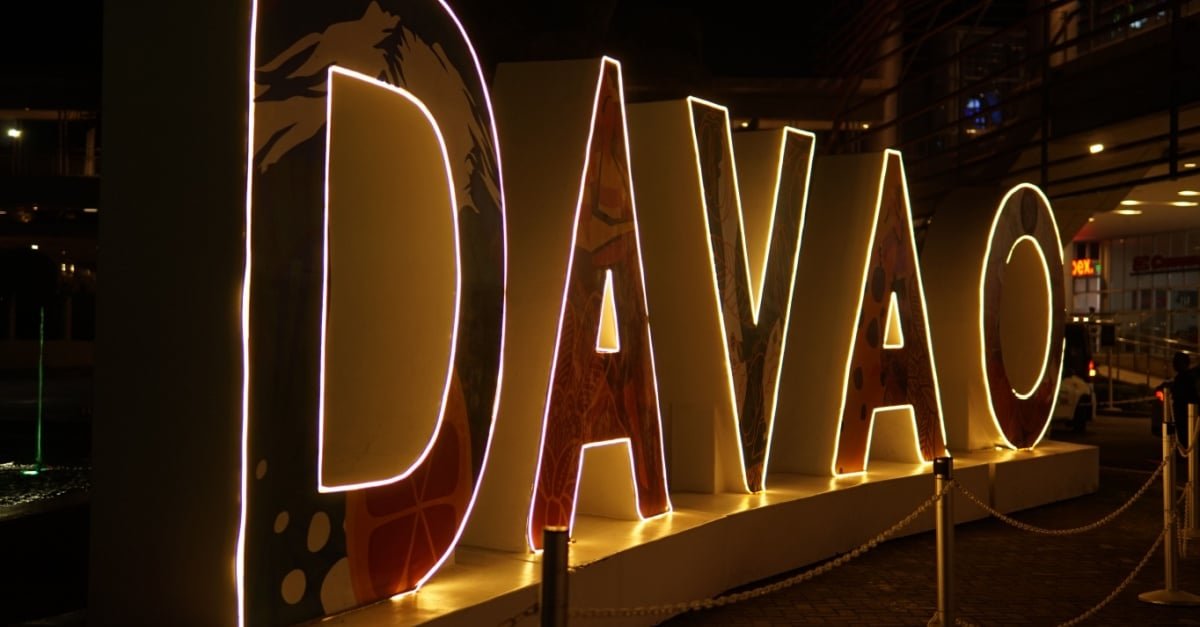
At a recent panel discussion in Davao City, the Mindanao Development Authority (MinDA) presented a compelling case for Mindanao’s competitive edge, aligning regional priorities with national economic strategies. From deepening market access to harnessing clean energy potential, Mindanao’s evolution reflects a broader push for inclusive growth and sustainable transformation across the southern Philippines.
(Also read: Electrification Sparks New Prosperity in Davao)
Strategic pillars poised to drive sustainable growth
During the Foreign Trade Service Corps (FTSC) Planning Conference on December 2, MinDA Chairperson Secretary Leo Tereso Magno outlined three priority sectors set to define Mindanao’s investment landscape: RE and green manufacturing, agri‑industrial corridors, and digital and logistics connectivity.
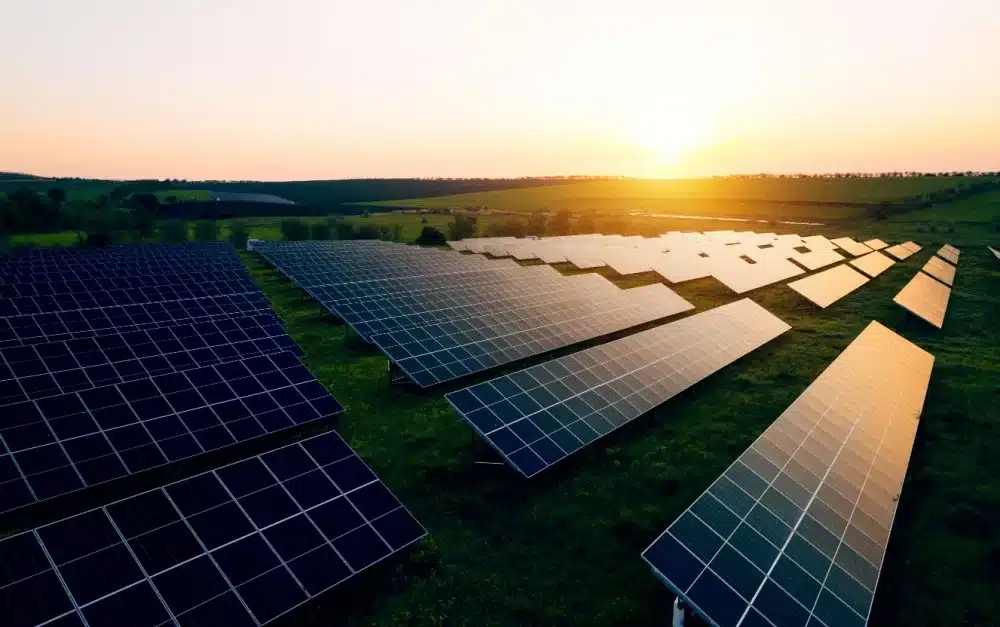
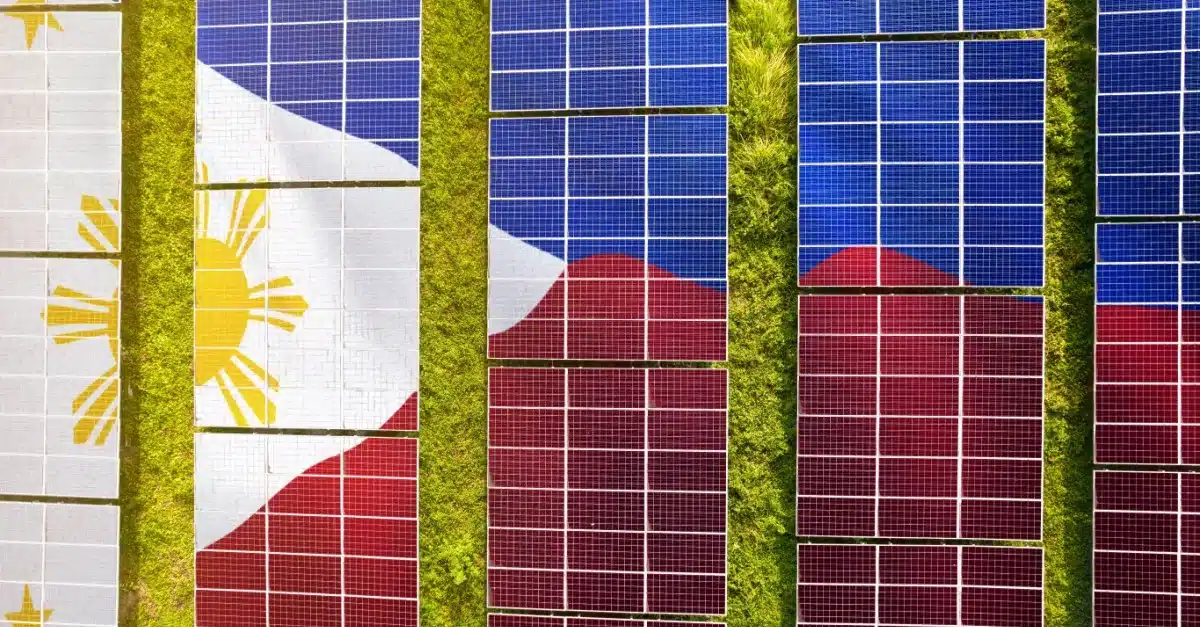
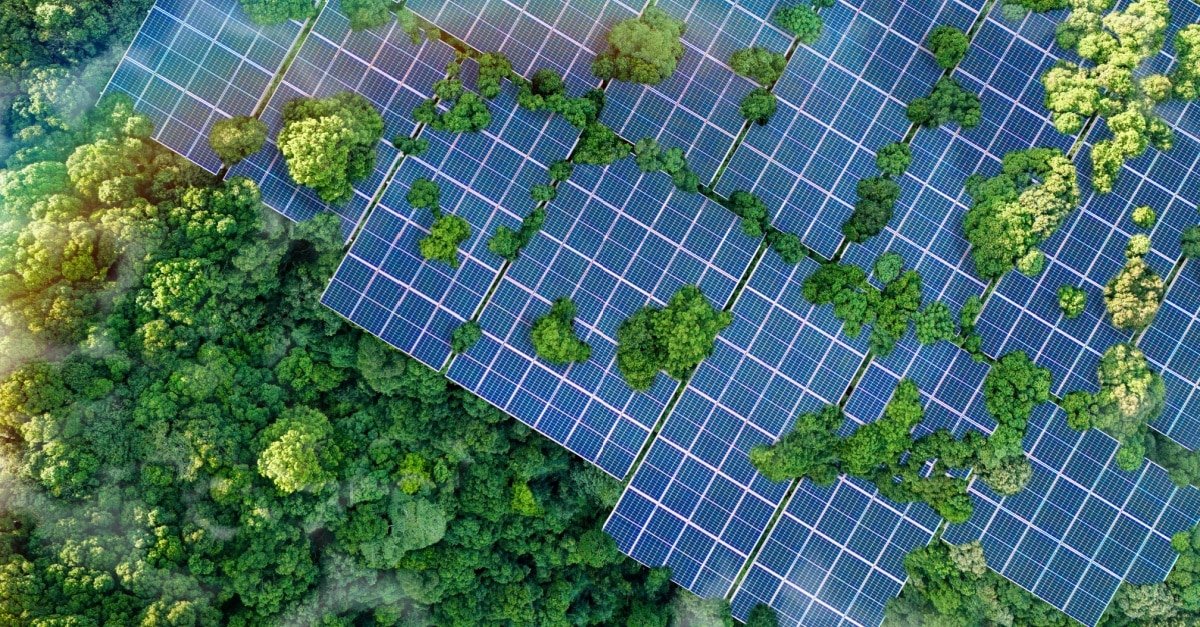
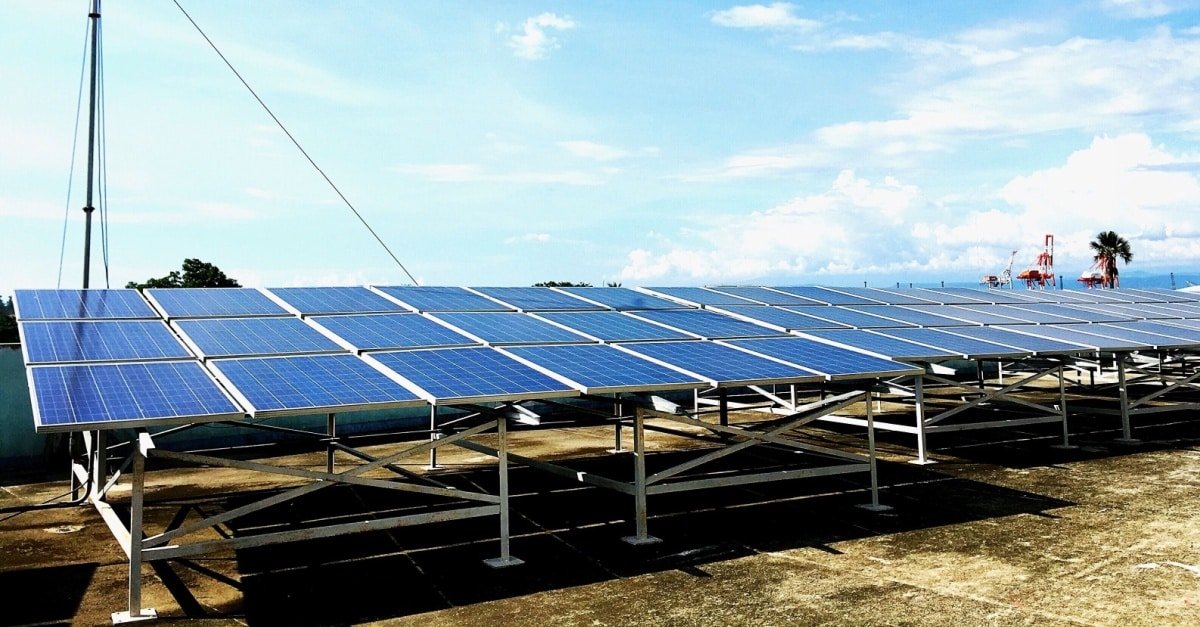
“Through renewable energy and green manufacturing, Mindanao is emerging as the nation’s clean energy heartland, combining solar, hydro, and biomass projects with industrial and agri‑processing zones,” Magno said, encapsulating the island’s shift toward a future powered by sustainability.
He emphasized that the region’s story of enhanced stability has helped reframe perceptions among investors, contributing to a climate primed for capital infusion. “With the improved peace and security as our turnaround story, Mindanao is ready for investments,” he added.
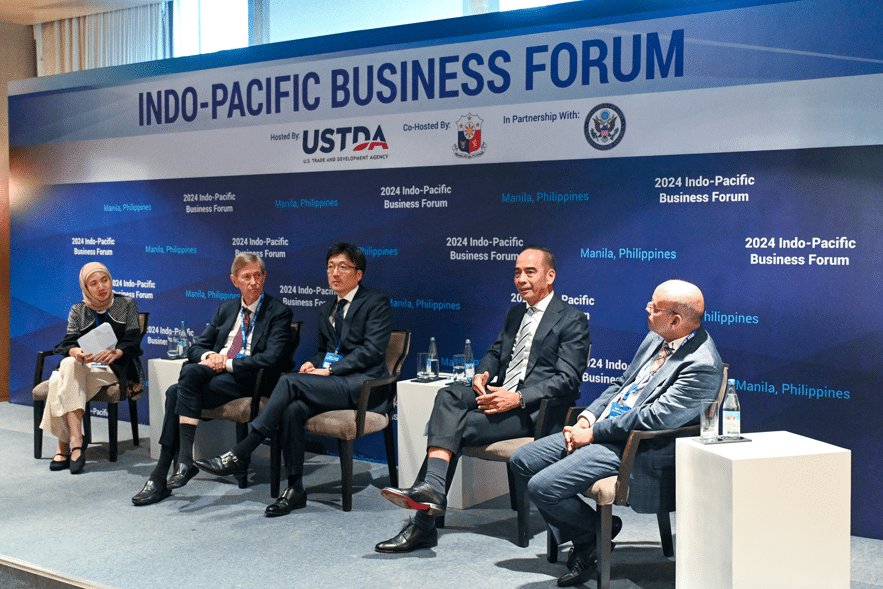
MinDA, a key agency in this discourse, positioned these priority areas not merely as regional objectives but as integral components of the Philippines’ broader investment narrative. The panel brought together investment promotion agencies, trade officials, commercial attachés, and industry leaders to bridge the gap between data and strategy, offering the FTSC officers targeted insights to counter common investor concerns with evidence-based solutions.
The initiative is compatible with President Ferdinand R. Marcos Jr.’s directive to position the Philippines as a premier investment destination, particularly through balanced regional development and clean energy expansion. Magno noted that Mindanao’s strategy complements the administration’s national priorities of energy transformation, food security, and digitalization.
International engagement and regional synergies fuel momentum
MinDA’s engagement with overseas partners further illustrated the growing momentum. In early December, a delegation from Qatar signaled interest in exploring opportunities across Mindanao — particularly within the Bangsamoro Autonomous Region in Muslim Mindanao (BARMM).
Oil‑rich Qatar, known for its substantial global investments, is expected to send a business delegation as early as January or February 2026 to conduct a first‑hand assessment of potential ventures in the region. “They want to look at renewable energy, developing the ports and agricultural production,” Magno revealed during a year‑end press briefing, indicating Qatar’s focus on areas where Mindanao already holds competitive advantages.
This engagement followed MinDA’s previous visit to Qatar, where Philippine and Bangsamoro representatives highlighted Mindanao’s economic contributions, including its substantial role as the country’s food basket and its expanding manufacturing capabilities. Mindanao’s gross regional domestic product was reported at P3.8 trillion, accounting for some 17.1 percent of the national GDP, with BARMM’s own GRDP nearing P300 billion — figures that underscore the region’s growing economic relevance.
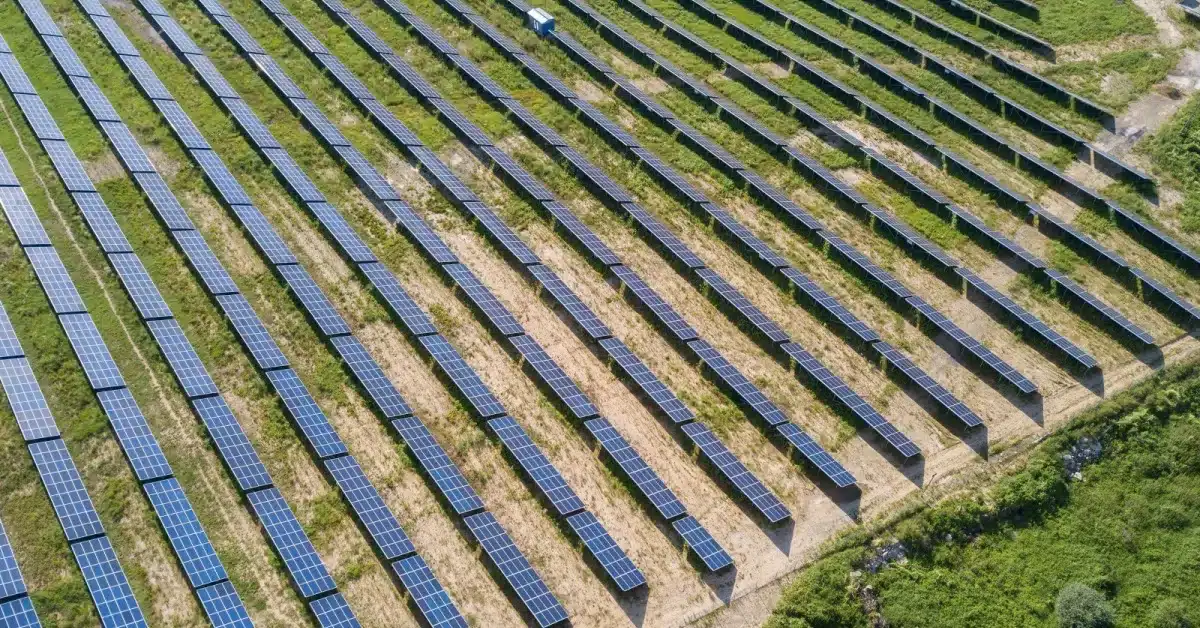
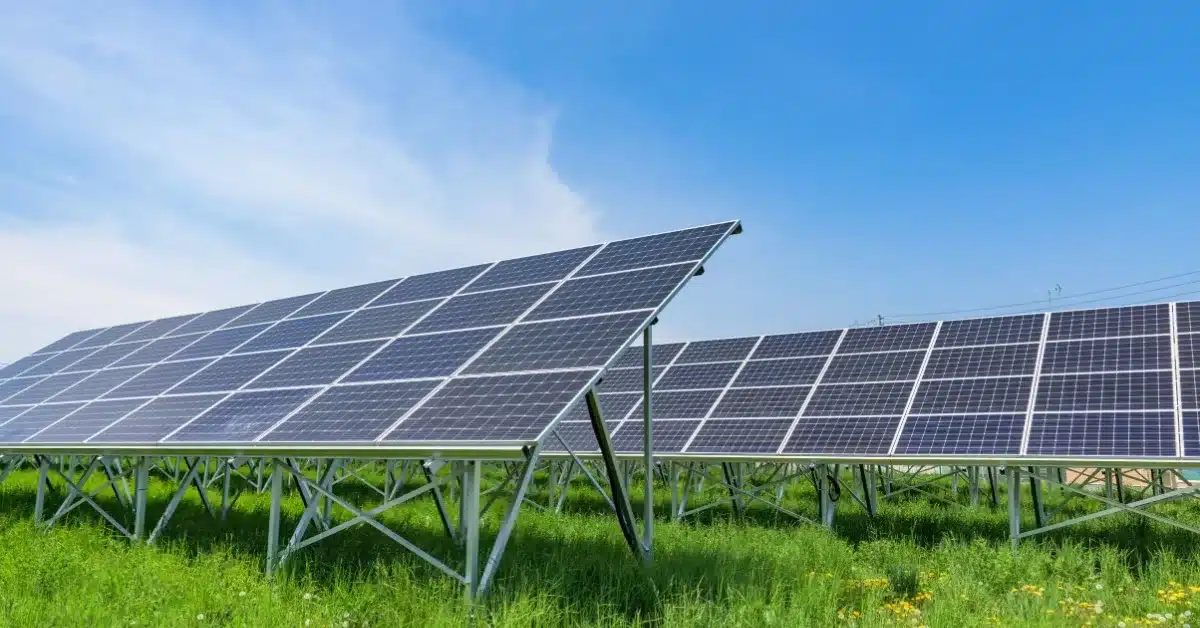
MinDA officials also pointed out that subregions of Mindanao have recorded robust investment growth, fostering an environment conducive to additional energy generation projects, particularly in renewables. Evidence of this trajectory includes ongoing and planned biomass energy production, solar installations, and hydroelectric facilities in various stages of development.
Qatar’s interest is also drawn to Mindanao’s agribusiness infrastructure, including food processing, cold storage capabilities, and halal certification initiatives. BARMM, in particular, has been refining its halal certification framework to serve both domestic Muslim consumers and international markets. “Halal is a 3‑trillion‑dollar industry worldwide,” Magno noted, reflecting the vast economic potential of tapping into global halal value chains.
(Also read: Tagum Businesses Eye Stronger Investment with Davao Light’s Power Transition)
Charting a shared energy future
Complementing these developments, MinDA lauded the Bangsamoro Sustainable Energy Master Plan 2023–2050 as a foundational roadmap for BARMM’s clean energy transition. Official statements described the plan as technically robust and inclusive of multiple stakeholders, reflecting a shared vision of a Bangsamoro region powered by sustainable, reliable energy.
“At MinDA, we recognize that this effort aligns fully with Mindanao’s broader transition toward clean, stable, and future-proof energy systems,” Magno said, reinforcing the synergy between regional planning and Mindanao’s wider energy goals.
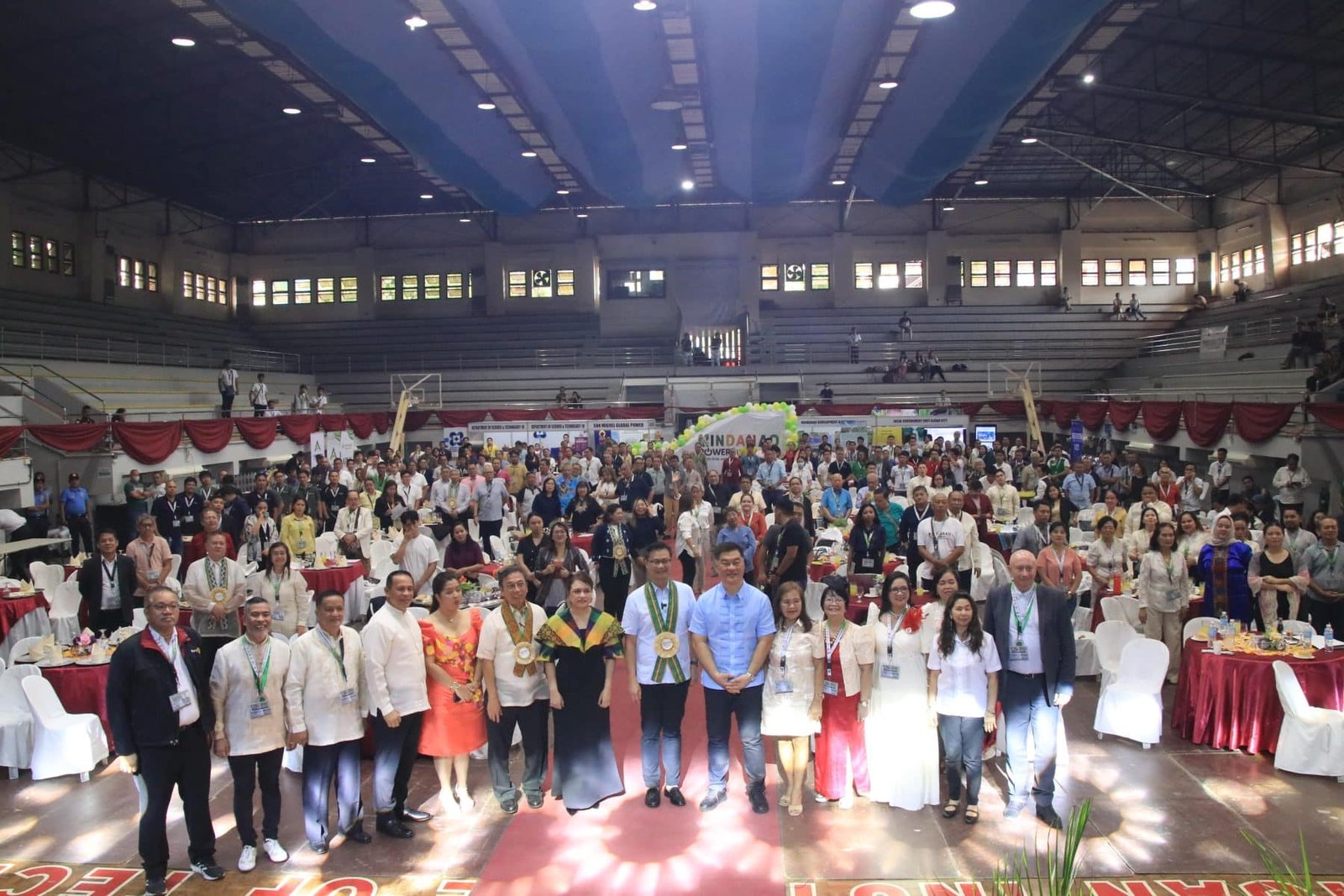
The summit for the Master Plan, held on December 3, drew around 200 participants from government, investors, development partners, and academic institutions. Sessions focused on investment opportunities, technical briefings, and strategies to deepen cross‑sector cooperation.
Department of Energy Secretary Sharon S. Garin highlighted the significance of revitalizing the Mindanao Power Monitoring Committee (MPMC) to address energy challenges and attract investments in renewables.
Meanwhile, MENRE Minister Akmad A. Ibrahim described the Master Plan as a “legacy” project intended to deliver long‑term benefits — from electrification to economic empowerment — far beyond the lifespan of current leadership.
MinDA’s commitment to this agenda includes coordinating national and regional agencies, facilitating investor missions, and integrating BARMM’s energy targets into Mindanao’s broader energy strategy, including the clean energy campaign known as the “50:50 by 2030” initiative.
Sources:
https://www.sunstar.com.ph/davao/business/mindanao-emerging-as-key-investment-hub