
Table of Contents
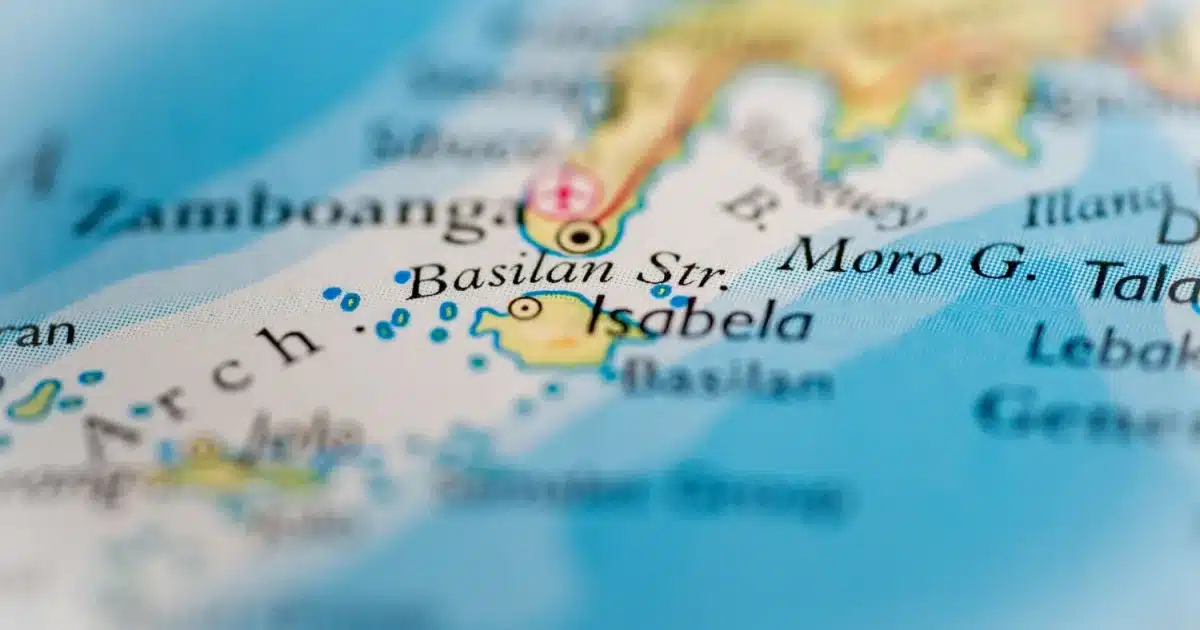
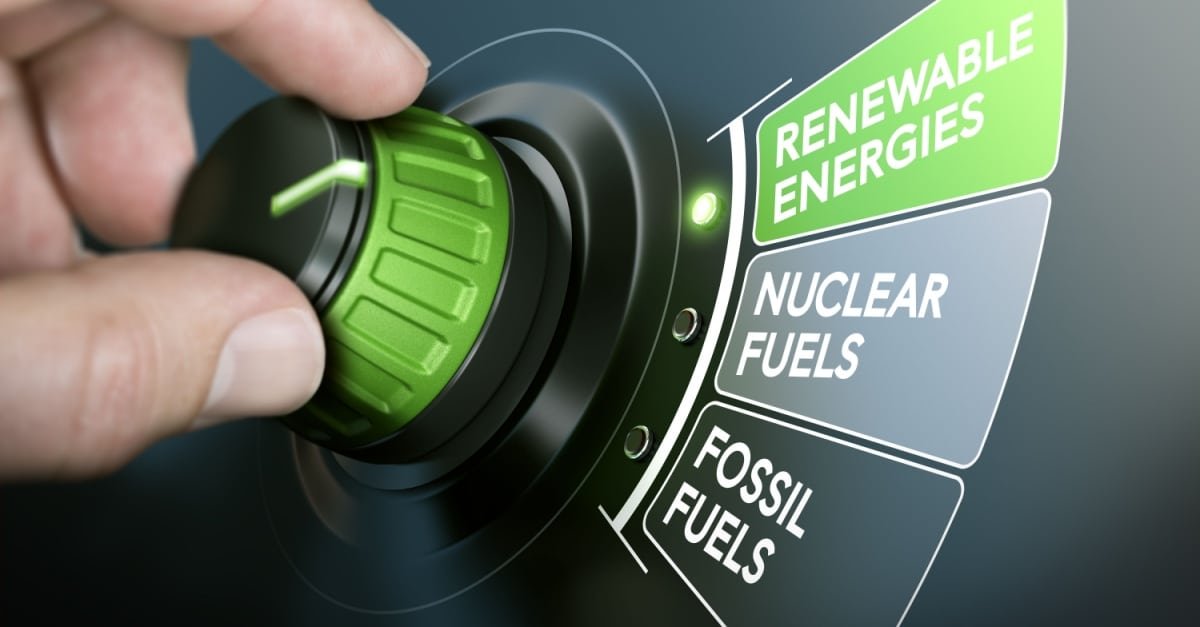
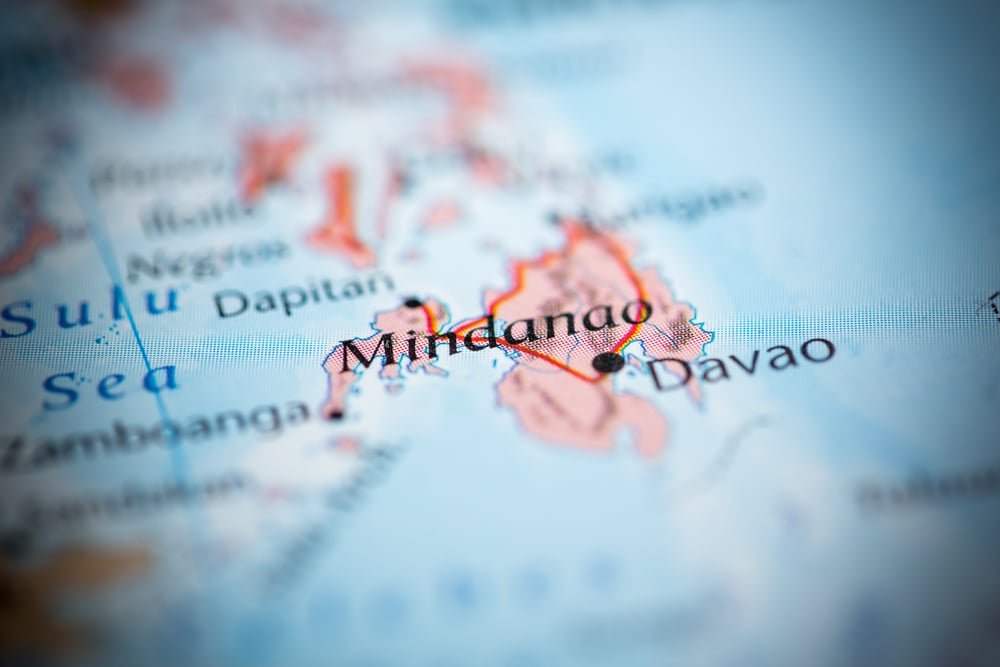
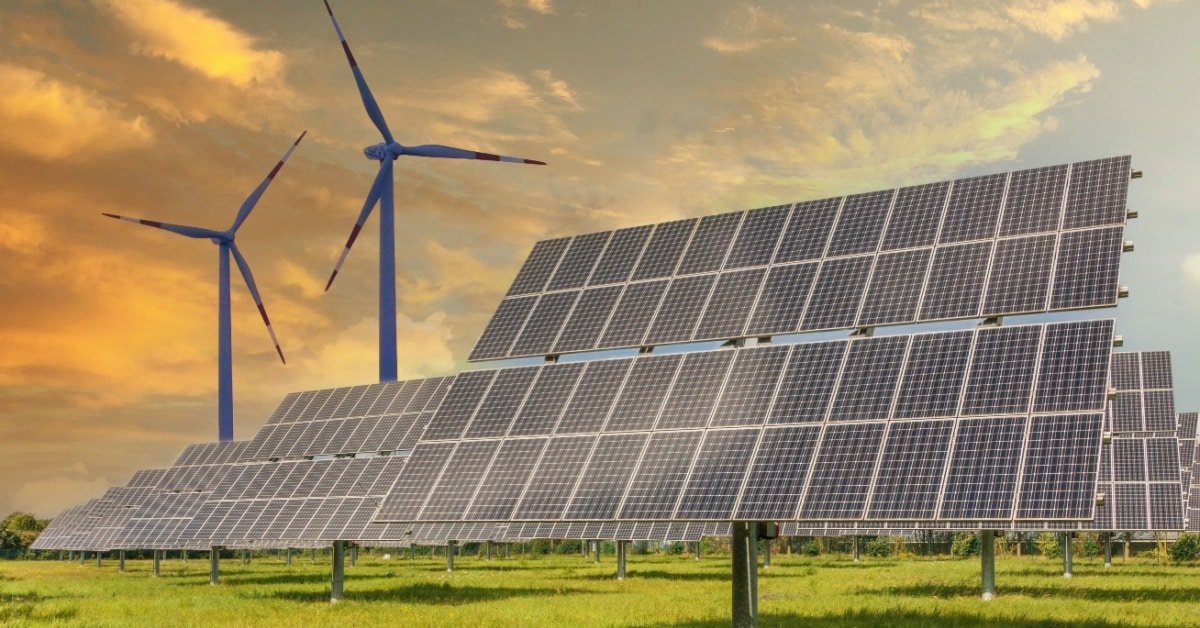
Mindanao is emerging as a pivotal frontier in the nation’s clean energy transition. While the Philippine Energy Plan (PEP 2023–2050) targets a 35% renewable energy (RE) share by 2030 and 50% by 2040 for the entire country, energy advocates and regional leaders in Mindanao are pushing for a more ambitious goal: a 50% renewable-to-fossil fuel energy mix by 2030. This would accelerate the region’s transition by a full decade compared to the national target for 50% by 2040.
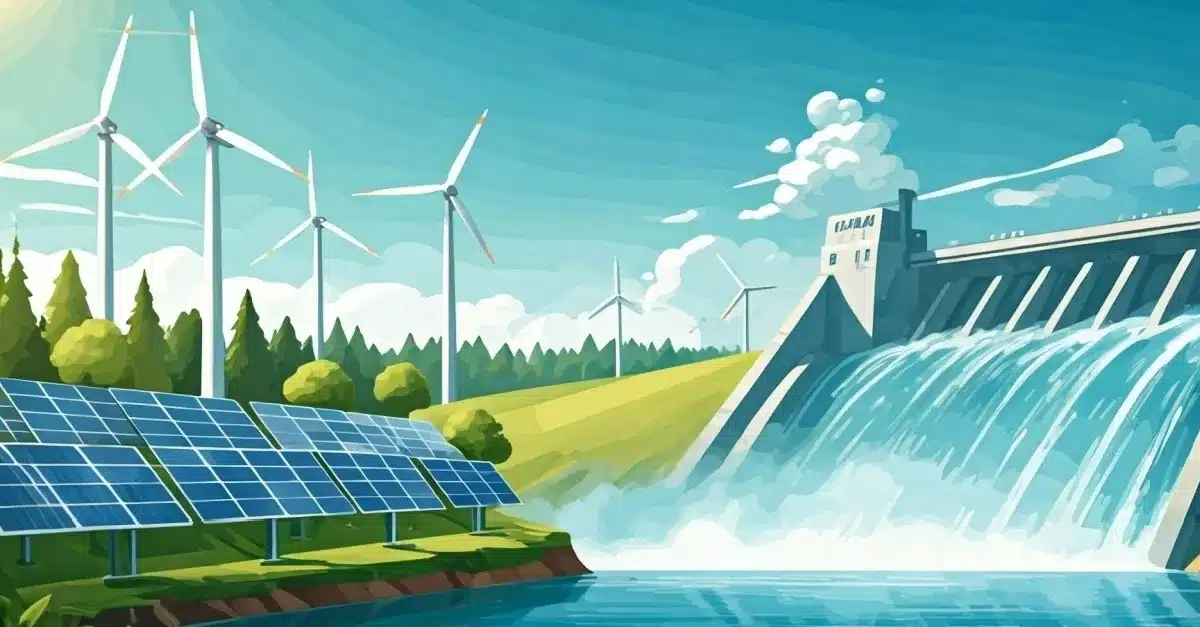
Achieving a balanced energy portfolio, where renewable sources such as hydro, geothermal, solar, wind, and biomass provide half of the total electricity supply, is not simply an environmental aspiration. For Mindanao’s stakeholders, it represents a strategic pathway toward economic stability, more affordable power rates, and stronger energy security at a time when volatile fossil fuel markets continue to strain both households and industries.
(Also read: Philippines’ Green Energy Drive Gains Ground, but Key Bottlenecks Persist)
Benefits of RE for Mindanao
RE offers Mindanao a direct path to lowering electricity costs and restoring its clean energy advantage, especially in Northern Mindanao, where power rates remain among the highest in the country.
Energy security & price stability
As of late 2025, Mindanao’s energy mix remains dominated by fossil fuels, with roughly 67% coming from fossil sources and only 33% from renewables.
Agusan del Norte Electric Cooperative (ANECO) General Manager Darwin Daymiel said RE has become more price-stable and, in many cases, cheaper than coal due to tax perks and policy incentives. ANECO already sources 56% of its supply from renewables.
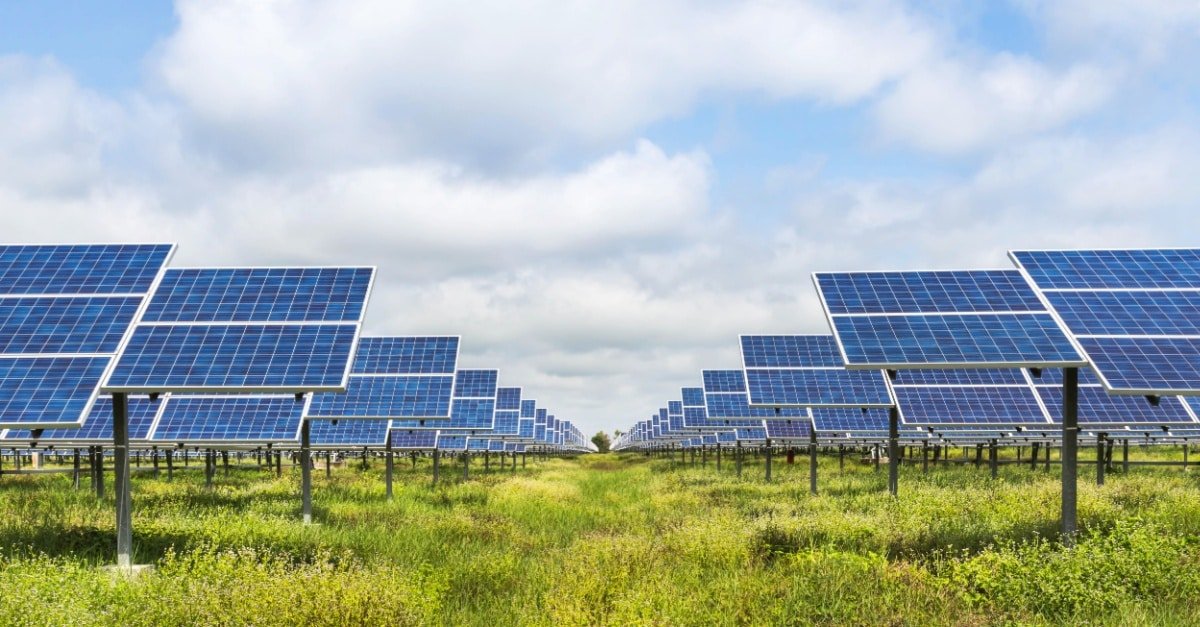
To achieve a 50-50 energy mix, Mindanao would need at least 1,400 megawatts (MW) of additional renewable capacity by 2030. Peak demand is projected to hit 5,800 MW by then, compared with roughly 1,500 MW of installed renewable capacity today.
Environmental gains
Mindanao’s push for RE aligns with global climate commitments, including the Paris Agreement. Reducing reliance on coal and diesel helps cut carbon emissions and other pollutants that exacerbate climate change and harm public health.
RE sits at the core of the Mindanao Agenda 2023–2028, particularly under its “water-energy-food nexus” strategy. The Mindanao Development Authority (MinDA) aims to encourage the integration of clean energy expansion with improved agricultural productivity, responsible waste management, and equitable access to water resources. Anchored on climate action, community empowerment, nature-based industries, and sustainable resource management, the framework seeks to drive economic growth while protecting the environment.
Local economic growth
For engineer Cerael Donggay, a former senior executive at the National Power Corporation (NPC), accelerating RE development in Mindanao is a practical move. He said expanding clean power capacity now would translate into significantly lower electricity costs for the region in the coming years.
“That means we can become more competitive as a location for industrial investments, which, in turn, generate much-needed jobs,” he noted. “That was an advantage lost to us when we became dependent on coal.”
Mindanao has shifted from chronic power shortages to becoming a net energy supplier, according to MinDA Chairperson Secretary Leo Tereso Magno, who said that the island now exports around 400 MW of electricity to the Visayas and Luzon grids.
A 2025 report by the Institute for Climate and Sustainable Cities (ICSC) confirmed that the island now generates more than enough supply for its own demand and can reliably export excess capacity.
“We remember the days when people would not look at Mindanao as an investment hub,” Magno stated. “Today, with reliable energy and strong partnerships, we are ready to welcome investors and drive inclusive growth.”
Steps Mindanao Is Taking to Expand RE
To turn its clean energy ambitions into reality, Mindanao is rolling out measures aimed at rapidly expanding its RE capacity.
Boosting the renewable project pipeline
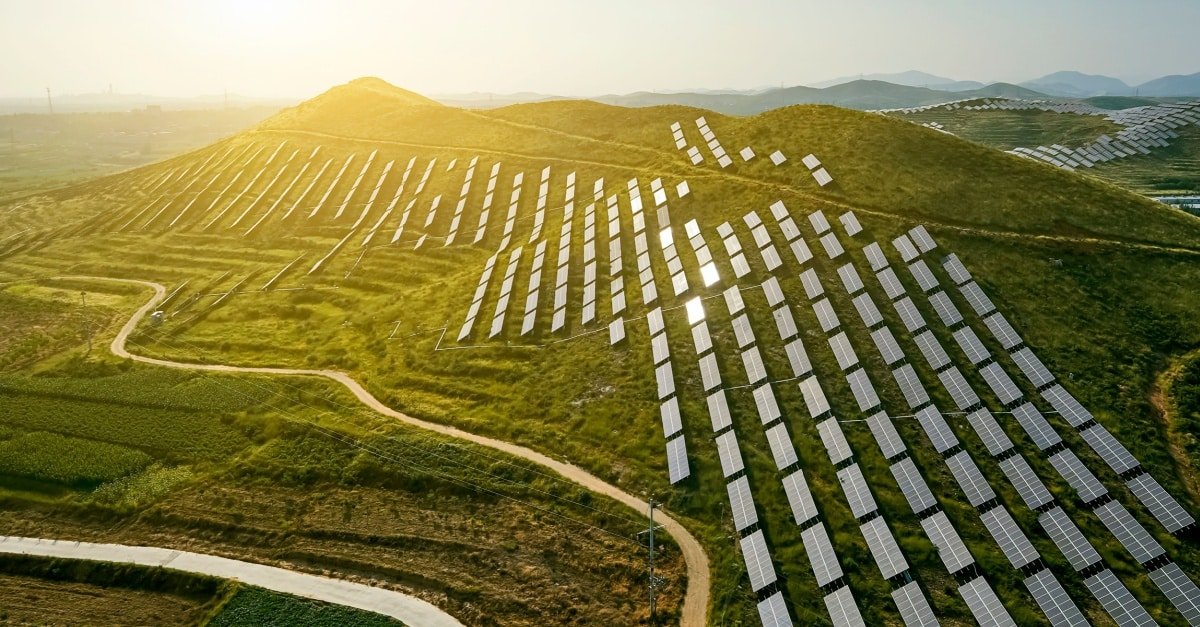
Mindanao’s RE sector continues to expand with projects at different stages of development. As of late 2024, the Department of Energy (DOE) recorded around 2,875 MW of indicative renewable capacity in the region, covering wind, hydro, solar, and biomass projects. In addition, there are 258 MW of committed projects, scheduled for commercial operation between now and 2028.
DOE figures from 2025 showed that the Mindanao grid was set to gain about 232 MW of new capacity. Of this, roughly 176 MW (76%) was expected to come from renewable sources, including solar and hydropower, while a 120 MW battery energy storage system (BESS) was planned to support grid flexibility and reliability.
Optimization of existing renewable assets
The 1,001‑MW Agus‑Pulangi Hydroelectric Complex, often called Mindanao’s crown jewel, is central to achieving the region’s energy target. As Mindanao’s largest power asset, its rehabilitation would strengthen grid stability and help offset the retirement of the 232‑MW Steag‑Mindanao coal plant.
The Steag Mindanao coal plant in Villanueva, Misamis Oriental, is set to retire under its 2031 Build-Operate-Transfer contract and is a candidate for early phase-out under the Asian Development Bank’s (ADB) Energy Transition Mechanism.
A Mindanao-based firm, Greenergy Development Corporation, has submitted an unsolicited proposal to carry out phased rehabilitation, operation, and maintenance of the complex under a public‑private partnership (PPP). The proposal is currently under review by the PPP Center, after which the Power Sector Assets and Liabilities Management (PSALM) Corporation will determine the next steps.
Encouraging corporate & institutional adoption
A growing number of corporations and institutions in Mindanao are embracing RE by tapping into the government’s Green Energy Option Program (GEOP), which allows eligible electricity users to source their power directly from renewable suppliers rather than traditional utilities.
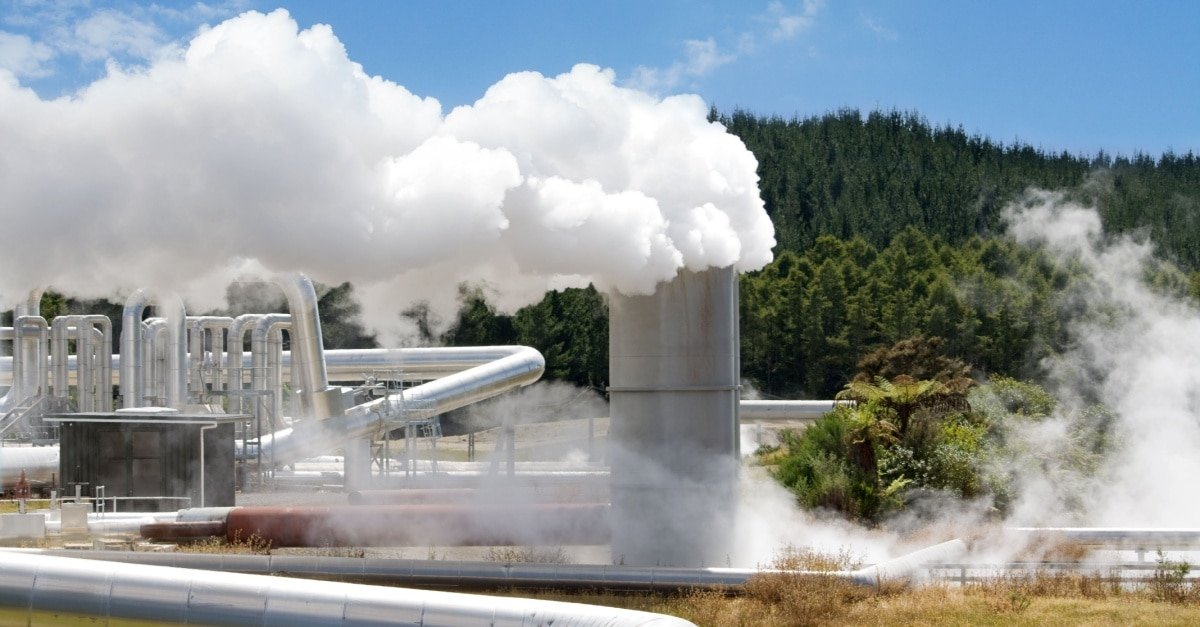
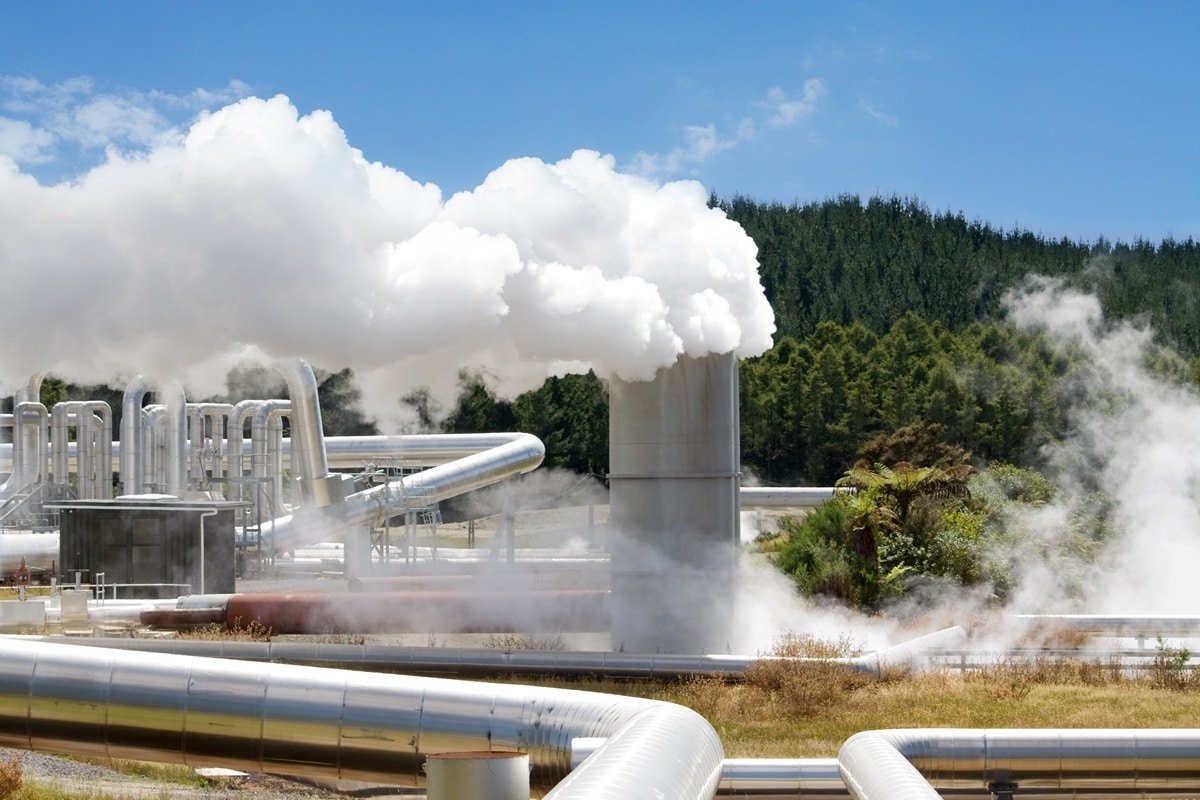
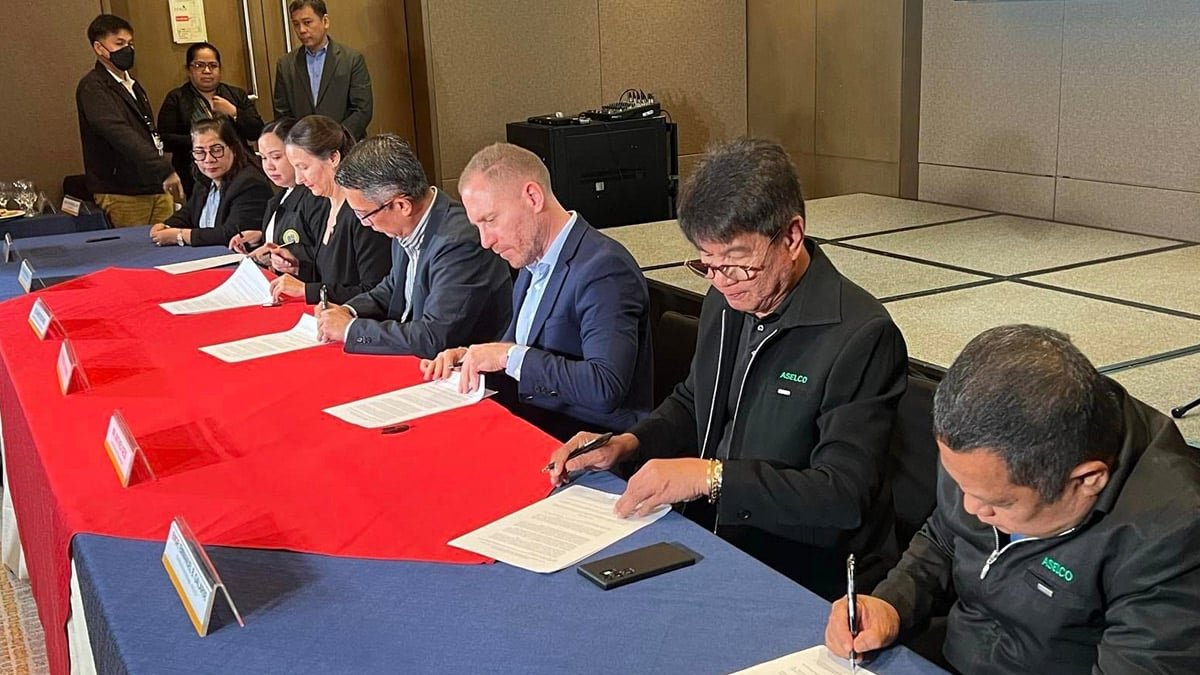
Under this initiative, Capitol University Medical Center (CUMC) in Cagayan de Oro signed an agreement with First Gen Corporation to receive 900 kilowatts (kW) of geothermal power from the Mt. Apo Geothermal Plant, making it the first hospital in Mindanao to run entirely on RE. This arrangement supports its 200‑bed operations, including specialty care facilities.
Private sector participation like this helps stimulate demand for renewables and shows other businesses the feasibility and benefits of switching to cleaner power sources.
Stakeholder engagement
MinDA has proposed to the DOE to reconvene the Mindanao Power Monitoring Committee (MPMC). The request emphasized including broader representation from the private sector and civil society to focus on policies that accelerate RE development.
The MPMC was created in 2012 to improve coordination among government agencies and power sector stakeholders on issues affecting Mindanao’s electricity supply. It is co‑chaired by the MinDA and DOE and includes representatives from the Energy Regulatory Commission (ERC), National Electrification Administration (NEA), NPC, and PSALM. The committee’s role is to monitor the power situation, harmonize policy actions, and support initiatives.
(Also read: Solar Philippines’ P24-Billion Penalties Remain Unsettled As Contract Cancellations Stand, DOE Says)
Powering Forward with Renewables
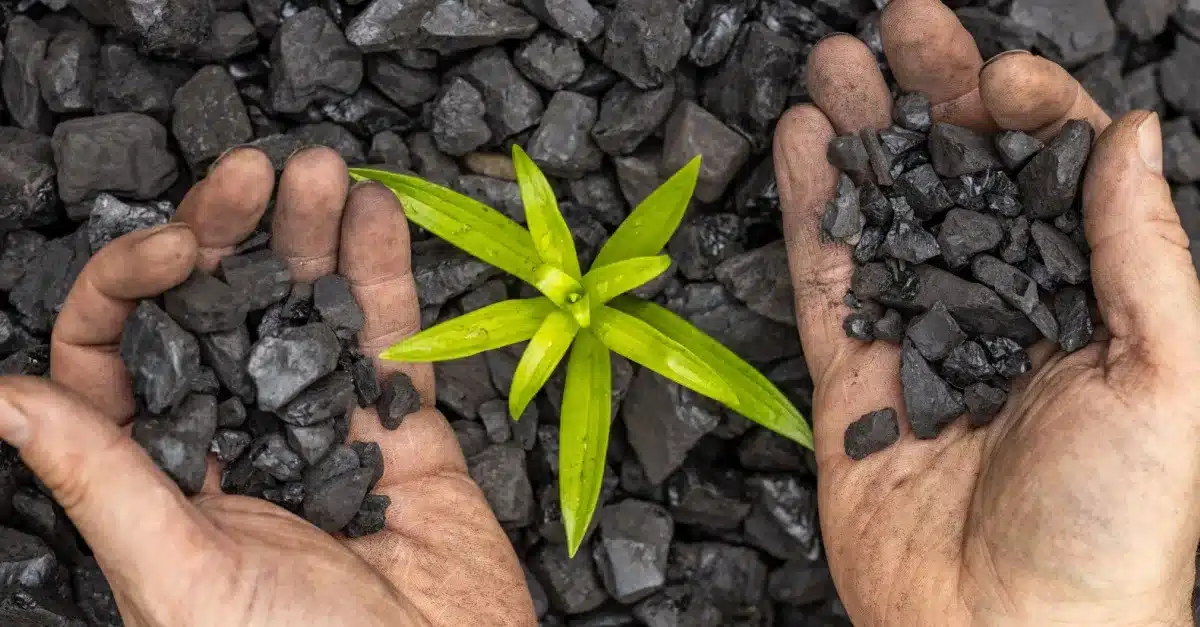
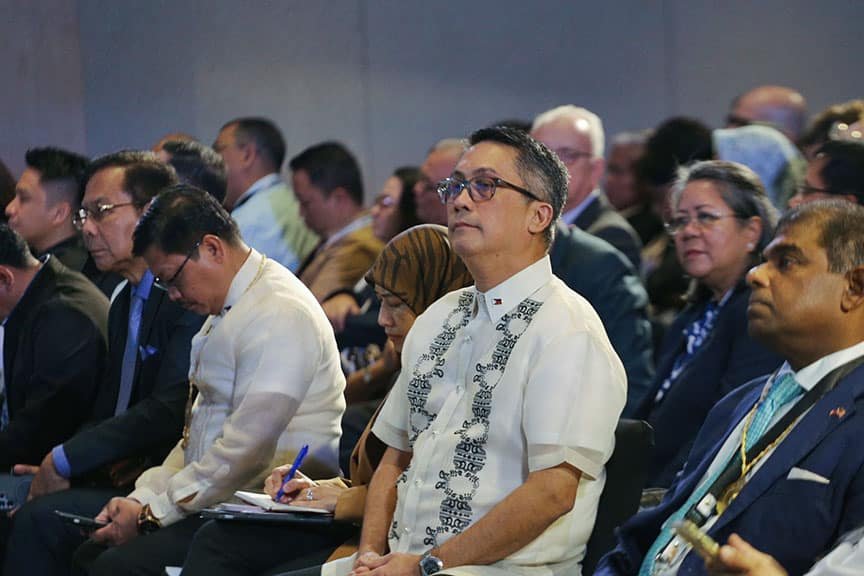
As Mindanao accelerates its green transition, energy stakeholders at the 3rd Mindanao Clean Energy Forum urged the DOE to strengthen the coal moratorium and extend its coverage to include brownfield projects and plant expansions.
BenCyrus G. Ellorin of the Consumers for Renewable Energy Action in Mindanao (CREAM) stated, “The declaration of the DOE further waters down the already nebulous coal moratorium.”
In May 2025, DOE Undersecretary Rowena Guevara emphasized that the energy transition must be carefully calculated and calibrated to avoid disrupting economic growth. “We do not want this to impact the economic growth of the country by suddenly turning off our coal-fired power plants,” she explained. “While renewable energy has made impressive strides in recent years, the country can’t rely on it entirely yet.”
Several countries’ experiences show the risks of accelerating RE without sufficient grid upgrades and backup capacity. In Spain and Portugal, a major blackout in April 2025 exposed grid stability concerns amid high wind and solar penetration and limited system flexibility. In the Netherlands, rapid solar growth has led to severe grid congestion, delaying thousands of new businesses and renewable connections as infrastructure struggles to keep pace. Meanwhile, Germany confronted Dunkelflaute periods in late 2024, when low wind and solar output during colder months increased reliance on backup generation and imports.
However, Mindanao is determined to position itself as a leader in the Philippines’ energy transition — driving down costs and building resilience in the face of climate change and global energy volatility.
“Mindanao is already halfway to its renewable target and, with decisive action on renewables and storage, we can go further. We must halt new coal projects and retire existing ones to protect consumers, fight climate change, and secure a cleaner, more affordable energy future,” said Bencyrus Ellorin, ICSC public engagement and advocacy advisor.
Sources:
https://newsinfo.inquirer.net/2174520/advocates-push-to-hasten-re-transition-in-mindanao
https://caseforsea.org/mindanao-50-renewable-energy-mix-2030
https://mindanaogoldstardaily.com/archives/153936
https://mindanews.com/business/2024/07/government-aiming-for-50-renewable-energy-in-mindanao-by-2030
https://www.sunstar.com.ph/davao/business/mindanao-exports-power-nationwide
https://www.energy.com.ph/geop
https://elibrary.judiciary.gov.ph/thebookshelf/showdocs/5/43900
https://www.reuters.com/world/europe/what-could-be-behind-iberian-power-outage-2025-04-29