Table of Contents
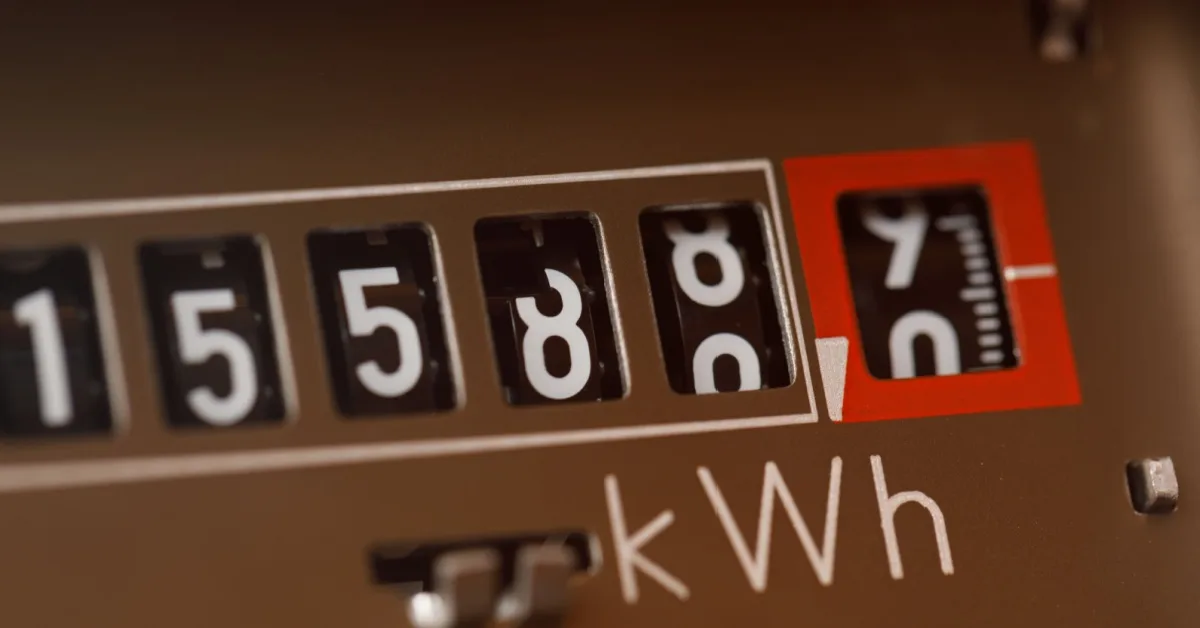
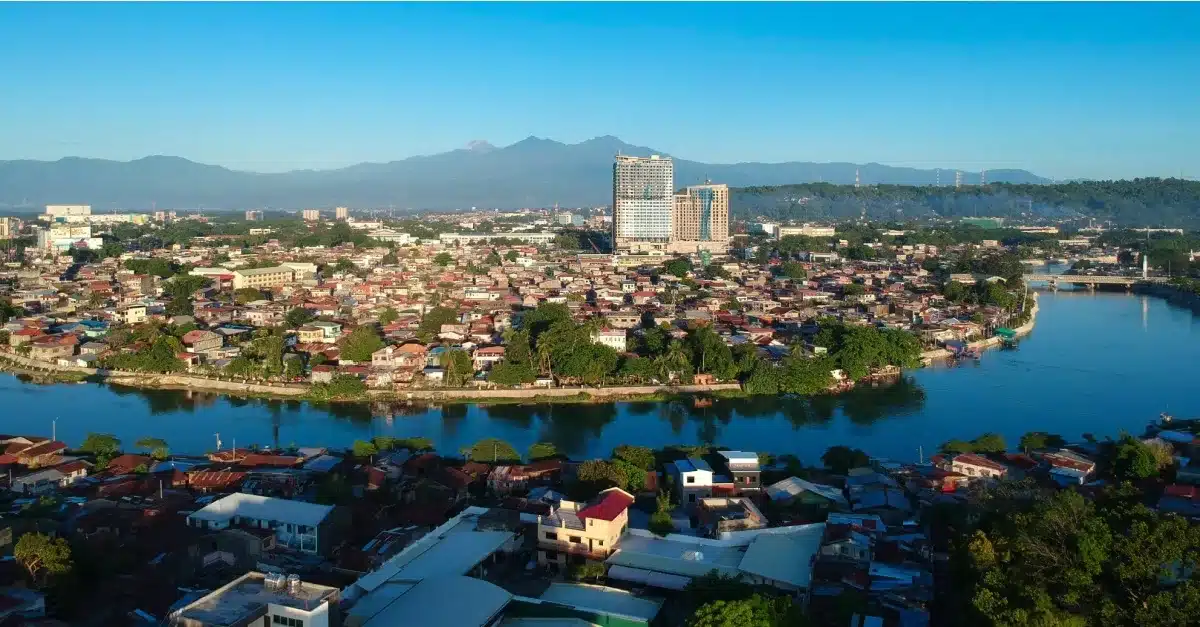
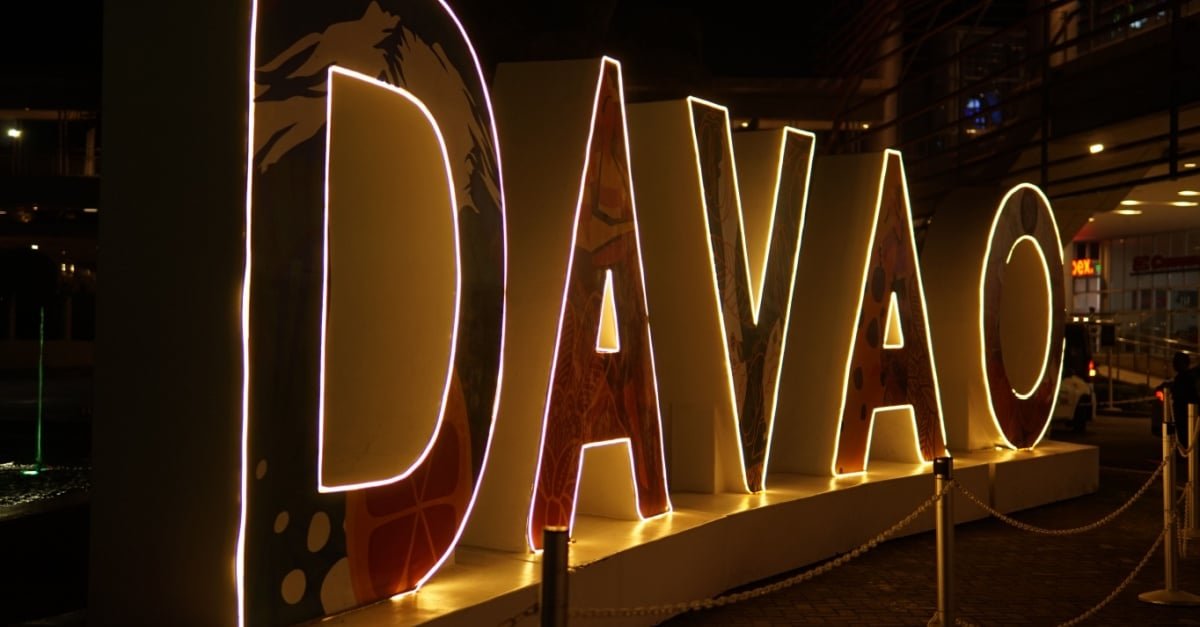
In January 2026, Northern Davao Electric Cooperative (NORDECO) came under heightened consumer scrutiny after electricity bills revealed that its residential rates were highest in the Davao Region and “among the country’s most expensive cooperatives.” NORDECO does not regularly post its monthly rates, prompting members of the Davao Consumer Movement (DCM) to piece together billing data from residents. Based on the bills they gathered and shared, NORDECO’s January 2026 residential rate reached around ₱14.81 per kilowatt-hour (kWh).
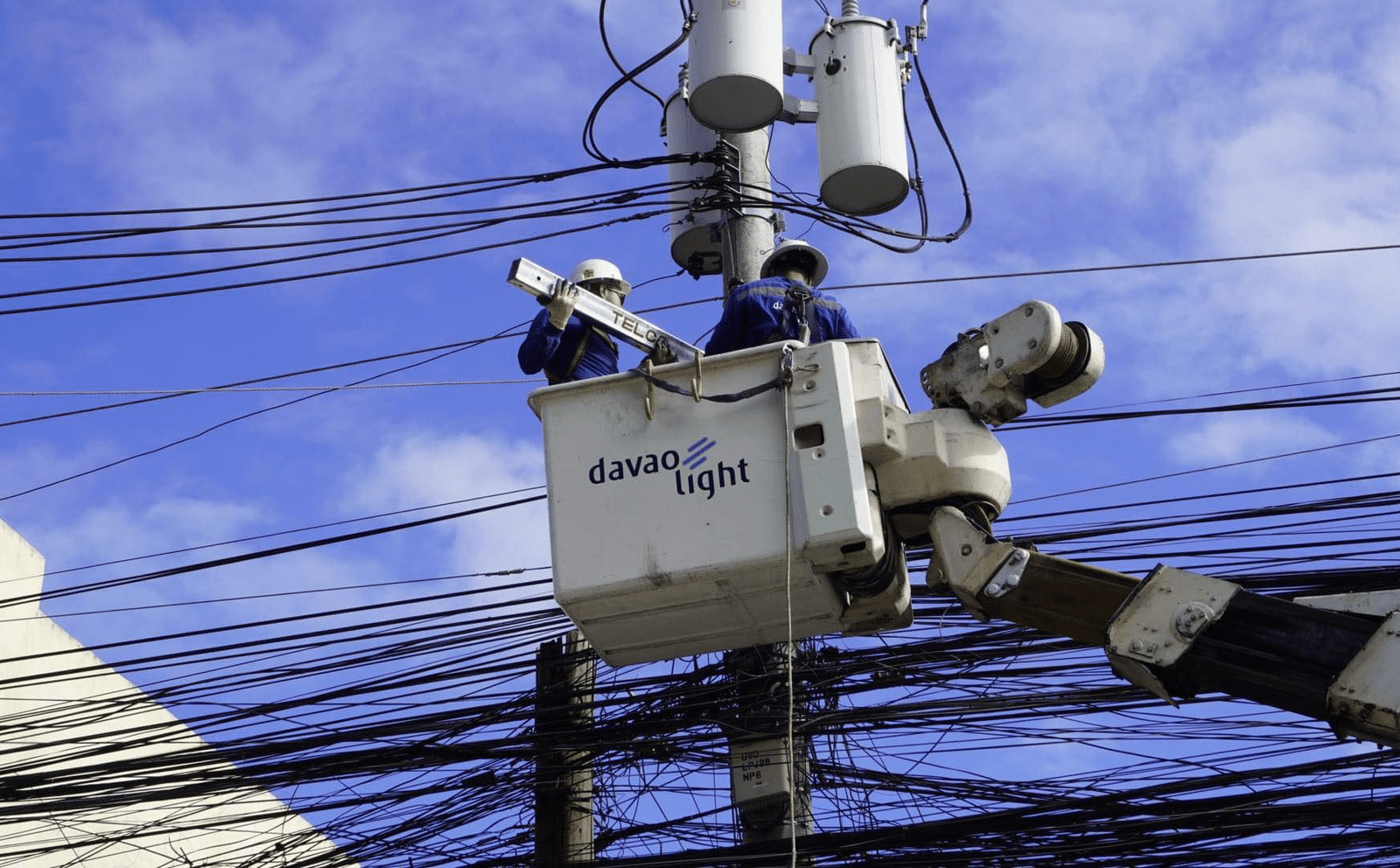
This was markedly higher than the rates charged by the nearby private utility, Davao Light and Power Co. (Davao Light), whose residential rate for the same period stood at about ₱11.72/kWh, even after it implemented a ₱2 per kWh increase due to higher generation costs. The contrast, highlighted by consumer advocates rather than official disclosures, intensified local concerns over transparency, affordability, and service performance.
“We call on NORDEO to fulfill its duty by regularly publishing its rates and providing clear, accessible explanations for changes,” DCM posted. “This is the bare minimum the cooperative can do amid its high power rates. Anything less is a disservice to the very people they are meant to serve.”
(Also read: More Cooperatives Tap NEA Loans as Electrification Drive Accelerates)
NORDECO and the Davao Power Debate
In April 2024, Davao del Norte’s First District representative publicly criticized the electric cooperative’s (EC) performance, describing its electricity service as costly and unreliable and warning that continued underperformance could justify its removal as distributor.
The issue gained national attention during a Senate plenary session in January 2025, when Senate President Juan Miguel Zubiri contrasted NORDECO’s record with that of Davao Light. He cited Department of Energy (DOE) data showing that NORDECO customers paid roughly ₱3 to ₱4 per kWh more than Davao Light customers, while enduring far longer outages.
House Bill 11072 and Senate Bill 2888 were filed to expand Davao Light’s franchise to cover areas previously served by NORDECO. Despite the EC’s objections, the measure lapsed into law as Republic Act 12144 on April 6, 2025, formally extending Davao Light’s coverage to Tagum City, Samal Island, and parts of Davao del Norte and Davao de Oro.
NORDECO’s position further weakened in September 2025 when it was suspended from the Wholesale Electricity Spot Market (WESM) for unpaid bills reportedly totaling ₱318.4 million. Consumer and business groups warned the suspension could limit its access to affordable power.
In December 2025, the Energy Regulatory Commission (ERC) granted Davao Light provisional authority to operate in the expanded franchise areas. Shortly after, a Panabo City court issued a writ of possession allowing Davao Light to take control of distribution facilities in Samal.
More Power vs. Iloilo Electric Cooperatives
The debate over ECs and private utilities is ultimately about affordable and reliable energy. A clear example unfolded in Iloilo Province, where MORE Electric and Power Corporation (MORE Power) moved to expand into areas previously served by the Iloilo Electric Cooperatives (ILECO) I, II, and III. Residents in these areas had long complained of high electricity rates and billing inconsistencies, with some ILECO customers facing extended billing cycles and sharp increases in market-based charges.
The matter reached the Supreme Court, which ruled that ECs do not have a constitutional right to an exclusive franchise, emphasizing that “a franchise … is not the exclusive private property of the franchisee.” The 2024 ruling highlighted that expanding MORE Power’s franchise was lawful and served the public interest by promoting competition, lowering electricity costs, and improving service reliability. Associate Justice Rodil V. Zalameda wrote, “Without competition, ILECOs can easily dictate the price of electricity. Allowing the entry of another player thus benefits consumers, who no longer have to wait until ILECOs’ franchises expire.”
The Supreme Court decision reinforced a central principle: energy affordability and consumer welfare take precedence over exclusive cooperative rights. Where ECs charge higher rates or underperform, allowing a capable private utility to enter the market can provide households with fairer pricing and more dependable service.
(Also read: The Philippines’ Energy Wake-Up Call from Its Southeast Asian Neighbors)
Affordability Challenges Across ECs
EC consumers have long struggled with high costs, unreliable service, and operational inefficiencies.
In 2025, the Alliance of Concerned Consumers in Electricity and Social Services (ACCESS) voiced strong support for the proposed partnership between the Northern Negros Electric Cooperative (NONECO) and Negros Electric and Power Corporation (Negros Power). ACCESS President Wennie Sancho described the collaboration as a “crucial step” to modernize electricity services, reduce high rates, and improve reliability.
That same year, the Ilocos Norte Electric Cooperative (INEC) disclosed that roughly 600 consumers had not been properly registered, inflating system losses that are ultimately passed on to paying members. The EC estimated these inefficiencies cost consumers around ₱10 million monthly, representing about 10% of the average electricity bill.
Looking back, similar concerns have plagued other ECs for years. In 2022, consumers launched a public petition urging the Zamboanga del Norte Electric Cooperative (ZANECO) to address frequent outages, inconsistent bills, and appliance damage from supply fluctuations. Around the same period, the Misamis Oriental Rural Electric Service Cooperative I (MORESCO) faced criticism for successive rate hikes, citing rising coal costs, global supply shortages, and peso depreciation; from 2016 to 2022, average electricity rates in Mindanao doubled from ₱6 to ₱12 per kWh, with peak-hour charges reaching ₱20.
Additionally, the Zamboanga City Electric Cooperative (ZAMCELCO) continues to confront challenges with illegal connections, unmetered households, and unauthorized reconnections, which drain resources, worsen system losses, and shift the cost burden onto paying consumers, according to National Electrification Administration (NEA) Administrator Antonio Mariano Almeda.
Factors Driving EC Rates
There is no one single explanation for why certain ECs charge higher rates. Rather, the reasons tend to be structural, economic, and institutional, reflecting their systemic challenges.
Higher systems loss cap
ECs can currently register system losses up to 12%, while private utilities face a stricter 5.5% cap. Nathaniel Chua of the Cebu Electricity Rights Advocates (CERA) said the gap drives higher bills. “When electricity rates exceed actual consumption levels, it not only becomes unfair for consumers but also discourages quality control measures and fosters complacency among providers,” Chua argued.
Underinvestment in infrastructure
Failing to upgrade infrastructure forces ECs to absorb inefficiencies and higher maintenance costs, which are passed on to consumers. A study by the Institute for Contemporary Economics (ICE) found that seven ECs in Panay and Guimaras spent only ₱2.38 billion of a ₱10.52 billion capital budget from 2022–2024. Most funds went to routine maintenance rather than modernization
Governance Challenges
ECs are governed by locally elected boards and are often subject to local political dynamics. According to a 2024 political-economy analysis, areas with weak political competition tend to correlate with poorer cooperative performance, lower collection efficiency, and larger employee counts relative to consumers — all of which can drive up operational costs and, consequently, electricity rates.
Poor power procurement
In 2024, the Guimaras Electric Cooperative (GUIMELCO) faced a formal complaint with the ERC over soaring electricity bills, which ranked it the second-highest among Western Visayas cooperatives. Petitioners called for the cancellation of GUIMELCO’s power supply agreements and urged that future contracts undergo open, competitive bidding to ensure fair rates and protect consumers.
When Publicly-Funded ECs Fall Short
ECs are largely funded by the very communities they serve and supported by government instruments such as loans, subsidies, and guarantees meant to advance rural electrification. Multiple analyses have underscored that ECs have depended on government support for decades.
In 2025, the NEA provided roughly ₱2.8 billion in government-backed loans to 45 ECs nationwide. Of this, about ₱1.7 billion went to 34 cooperatives for capital expenditures, aimed at maintaining and upgrading aging infrastructure.
Through its Enhanced Lending Program, NEA allows ECs to access short-term and regular loans for system upgrades, renewable energy projects, calamity recovery, and modular generator sets designed to meet varying operational needs.
Despite these programs, inefficiencies persist. The Commission on Audit (CoA) reported that as of December 31, 2023, around ₱992 million in subsidy funds for rural electrification remained unliquidated. State auditors noted that ECs were supposed to settle these funds within three months of project completion.
Such funding gaps and operational delays underscore long-standing challenges in cooperative management and infrastructure investment, which can ultimately affect electricity rates and service reliability.
As noted by the news site DavNor Daily, “When a power provider repeatedly fails to deliver reliable electricity over an extended period, yet continues to charge premium prices, it forfeits the moral right to demand loyalty from its consumers. People have every reason to seek alternatives that can provide what has long been denied to them.”
Sources:
https://www.facebook.com/photo/?fbid=1308662471301862&set=a.446974487470669
https://tribune.net.ph/amp/story/2026/01/28/davao-light-granted-provisional-authority-for-expansion
https://www.facebook.com/photo/?fbid=1308662471301862&set=a.446974487470669
https://www.sunstar.com.ph/davao/cong-alvarez-says-nordeco-must-discontinue-its-unreliable-service
https://opinion.inquirer.net/181574/a-power-sector-alphabet-soup
https://www.sunstar.com.ph/davao/nordeco-appeals-to-pbbm-prevent-passage-of-bill
https://lawphil.net/statutes/repacts/ra2025/ra_12144_2025.html
https://www.sunstar.com.ph/davao/nordeco-suspended-from-wesm
https://www.sunstar.com.ph/davao/davao-light-gets-green-light-to-connect-new-customers
https://dailyguardian.com.ph/ileco-ii-spike-in-billings-due-to-market-power-rates
https://www.panaynews.net/explain-surge-in-power-bills-eleco-1-2-3-told
https://www.pna.gov.ph/articles/1245517
https://www.change.org/p/zaneco-improvement-decrease-electric-bill
https://dailyguardian.com.ph/panay-power-grid-at-risk-due-to-underinvestment-by-electric-coopsys
https://www.sciencedirect.com/science/article/pii/S0957178724001085
https://tribune.net.ph/2023/12/23/electricity-subsidies-to-electric-coops-a-never-ending-burden
https://www.facebook.com/photo/?fbid=1316024030569518&set=a.565841122254483