Table of Contents
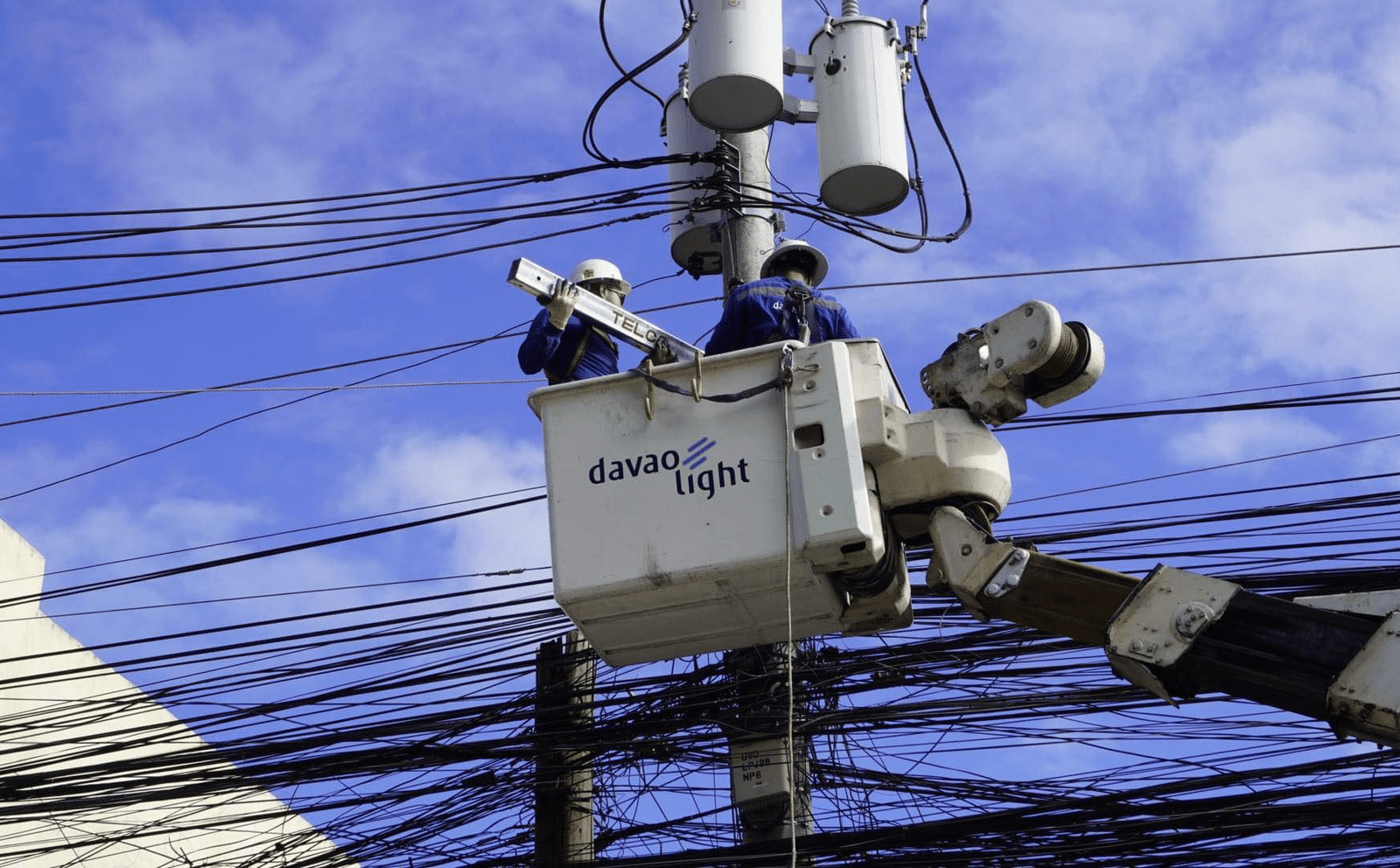
Despite a slight drop in transmission charges from the National Grid Corporation of the Philippines (NGCP), electricity consumers in Davao City will face significantly higher bills this January as rising generation costs, volatile market conditions, and new regulatory fees drive overall rates upward.
NGCP data showed that the average transmission rate for the December 2025 billing period, reflected in January 2026 bills, declined by 0.68 percent to ₱1.3455 per kilowatt-hour (kWh) from ₱1.3547/kWh in the previous month.
Pass-Through Costs
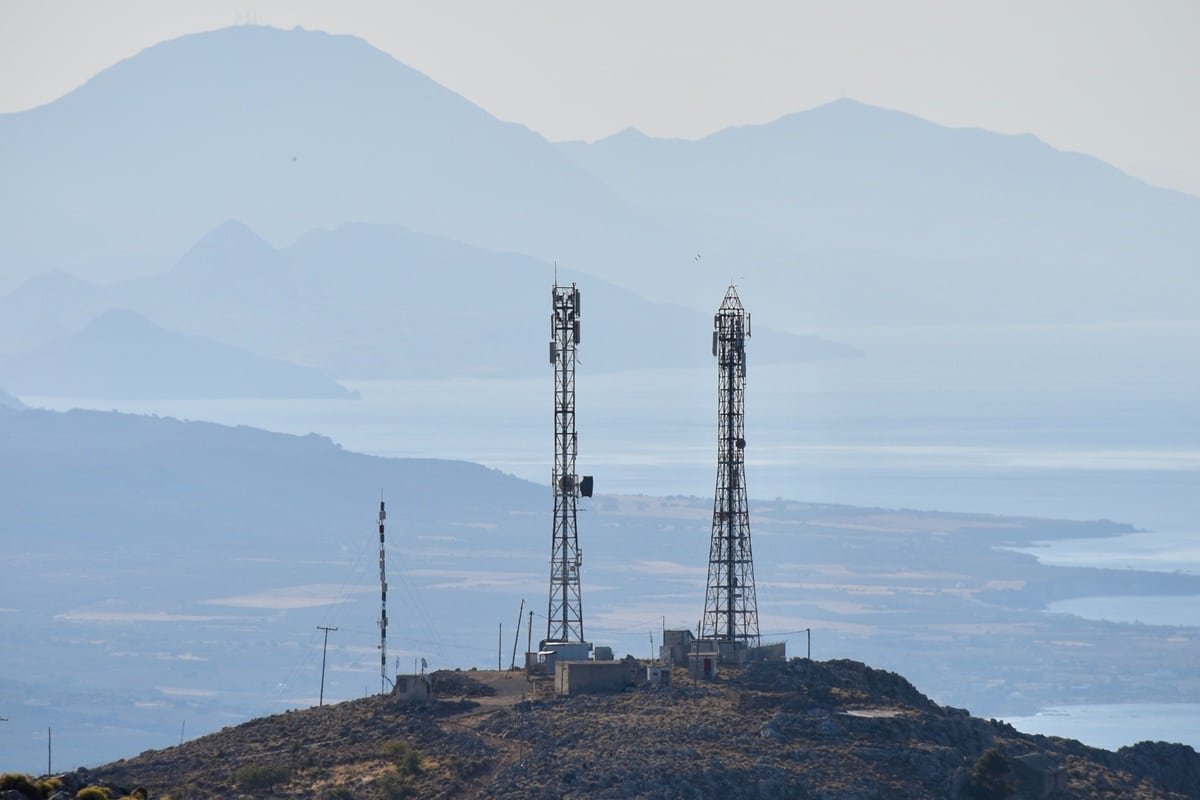
The reduction, however, offered little relief. Of the total transmission rate, ₱0.5971/kWh came from Ancillary Services, which are the reserve power used to stabilize grid operations, while ₱0.6058/kWh represented the transmission wheeling charge, which covers the cost of delivering electricity nationwide.
“For the January 2026 electric bill of end consumers, NGCP charges only 60 centavos per kWh for the delivery of its services,” the company said, emphasizing that its revenues are regulated by the Energy Regulatory Commission (ERC) and capped under existing rate mechanisms.
NGCP reiterated that transmission charges are pass-through costs collected by distribution utilities and cooperatives. The grid operator does not profit from movements in market-driven components like Ancillary Services.
Record Rate Increase
While transmission costs dipped, the generation component of the power bill surged sharply, pushing the overall rate for Davao Light and Power Co., Inc. (Davao Light) customers to ₱11.7187/kWh, up by ₱2.0052/kWh from ₱9.7135/kWh in December 2025.
This marks one of the steepest month-on-month increases in recent years and reflects persistent instability in the Mindanao power supply. Davao Light said the surge was mainly due to higher electricity prices at the Wholesale Electricity Spot Market (WESM), where prices spiked after several power plant outages in December reduced available supply.
New Renewable Energy Charge
Adding to the upward pressure was the implementation of the Green Energy Auction Allowance (GEA-All), a new government-mandated charge introduced under ERC Case No. 2025-127 RC on December 26, 2025.
The GEA-All is intended to support the Department of Energy’s (DOE) renewable energy procurement program, which aims to accelerate the Philippines’ transition to cleaner energy sources. The allowance funds subsidies and mechanisms that encourage renewable generation participation in the wholesale market.
Although the lower Feed-In Tariff Allowance (FIT-All) rate and a Renewable Energy Certificate (REC) refund of –₱0.0070/kWh provided minor offsets, these adjustments were insufficient to counteract the combined effects of soaring WESM prices and the new GEA-All charge.
Davao Light clarified that it does not retain any portion of generation charges, as collections are remitted in full to power suppliers and government agencies responsible for regulatory fees. The company also reminded consumers that total bills depend on both electricity consumption and prevailing rates, encouraging them to use energy prudently during periods of high market volatility.
Residents Urged to Save Energy
Fermin Edillon, head of Davao Light’s Reputation Enhancement Department, urged households to adopt simple conservation habits to mitigate higher costs.
“Let us focus on simple daily habits and maximizing natural resources such as sunlight and air. These may seem insignificant, but once we receive our electric bill, we will see their big impact,” he said.
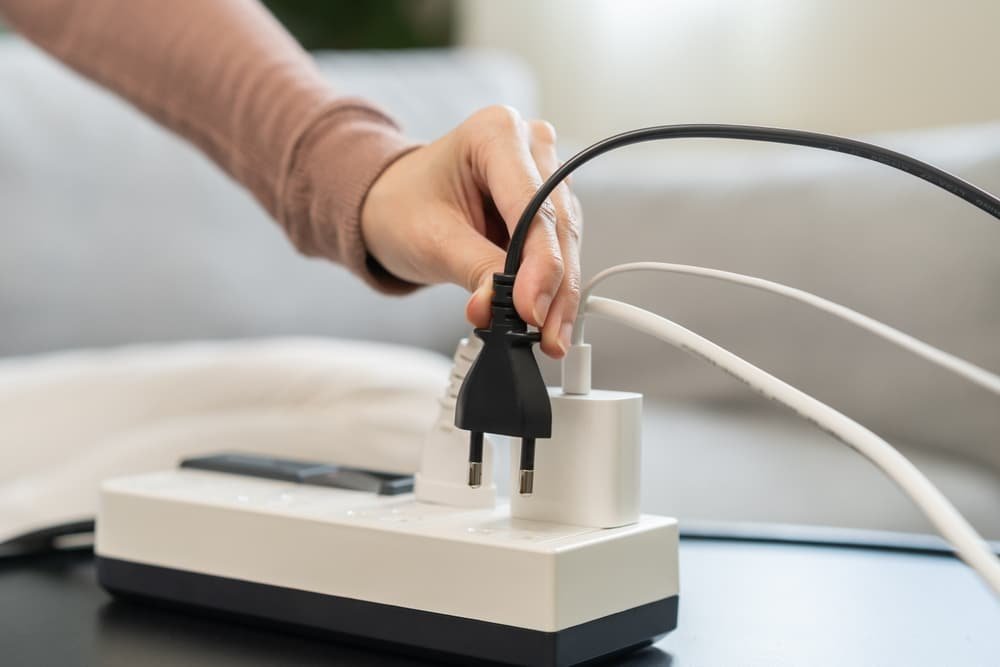
Practical steps include unplugging idle appliances to avoid “phantom load,” using daylight and natural ventilation, ironing clothes in one session, and minimizing the use of energy-intensive devices like electric kettles and water heaters.
Public Concerns Over Nordeco Takeover
The rate increase has revived concerns over power affordability and transparency as Davao Light continues its phased takeover of the Northern Davao Electric Cooperative (Nordeco) service areas.
In late 2025, a newly formed consumer group called on the utility to maintain transparency in rate-setting, citing worries that costs related to Nordeco’s system rehabilitation could be transferred to existing Davao City consumers.
The Mindanao Alliance for Progress (MAP) earlier warned that Dabawenyos should be assured that the billions of pesos needed to modernize Nordeco’s aging network will not be passed on to ratepayers without clear regulatory scrutiny.
The latest ₱2-per-kWh increase follows earlier surges, including a ₱1.5625/kWh hike in November 2025 and a ₱1.6254/kWh spike in May 2024, both attributed to tight supply and elevated spot market prices linked to the El Niño phenomenon.
Source:
https://www.sunstar.com.ph/davao/davao-city-consumers-face-steepest-hike-in-electric-bill
https://www.philstar.com/business/2026/01/05/2498730/wesm-prices-hit-fresh-lows-2025
https://business.inquirer.net/564081/consumers-to-pay-extra-for-renewable-energy
https://www.sunstar.com.ph/davao/nordeco-stands-firm-against-davao-light-entry