Table of Contents
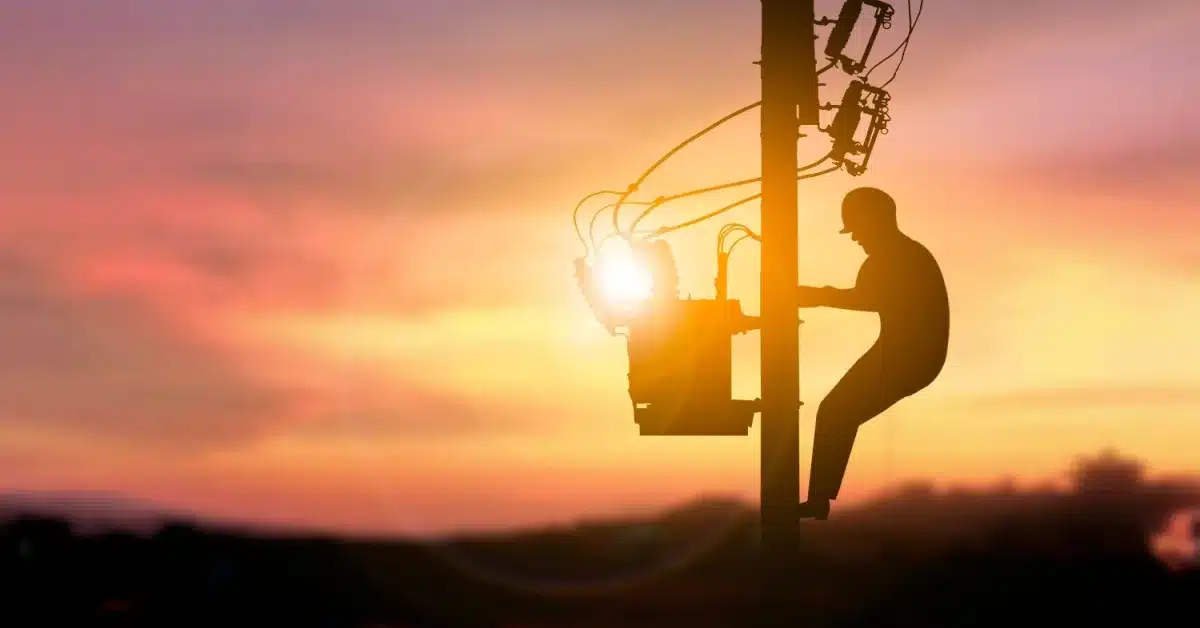
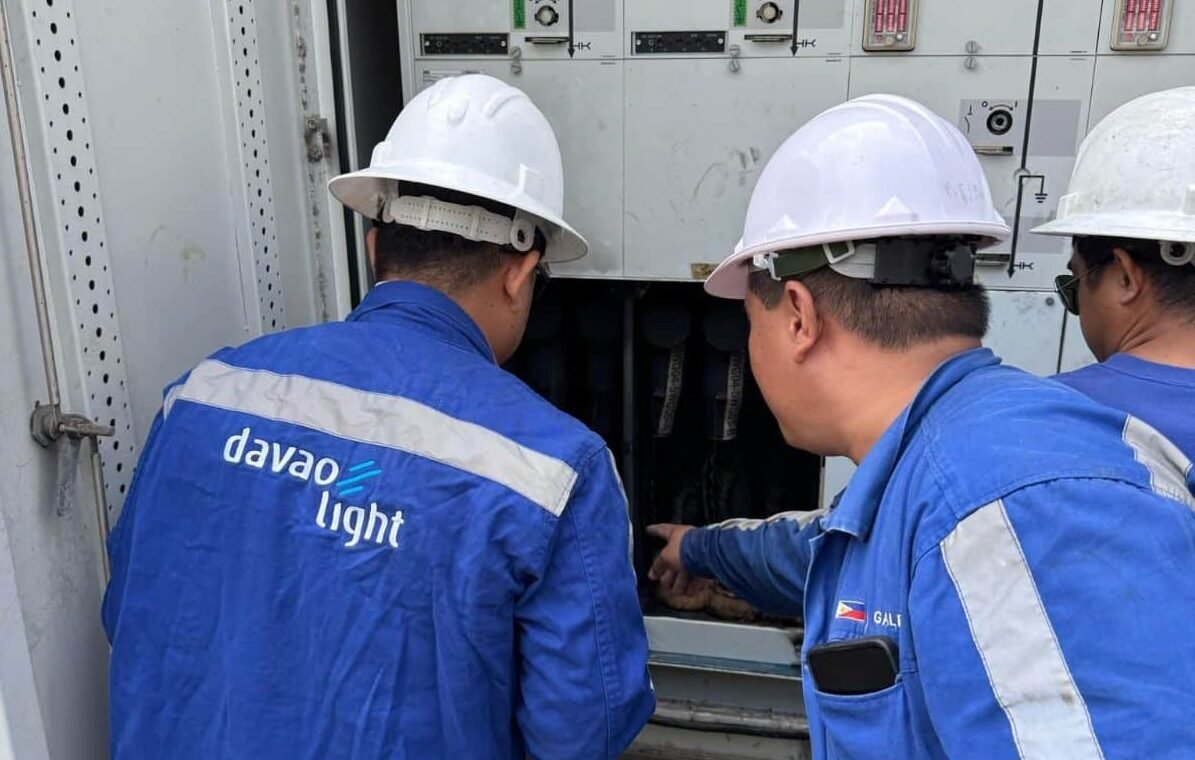
Following a court-mandated transition, the Davao Light and Power Company (Davao Light) officially assumed control of four critical substations from the Northern Davao Electric Cooperative (NORDECO) in March 2026.
This is the justice we have fought for,” asserted Davao del Norte Governor Edwin Jubahib. “Business owners and residents have long endured unstable services and high charges that could not meet the island’s demands. Our petitions to Congress and the Senate led to Republic Act 12144, and now that the Supreme Court has dismissed the TRO, Davao Light’s entry is official and legal.”
The takeover was executed through a writ of possession from the Regional Trial Court (RTC) Branch 2 in Tagum City. This action stems from a February 27, 2026, ruling, which authorized the court sheriff to formally transfer the facilities to Davao Light.
The assets covered by the writ include three substations in Tagum City, located in Barangays Canocotan, Mirafuentes, and Apokon. The transfer also includes a substation in the Municipality of Asuncion and NORDECO’s office in Tipaz, Magugpo, Tagum City.
While the writ secures control over critical substation infrastructure, it excludes the distribution lines serving Tagum City. This distinction highlights that the current transition remains partial.
However, NORDECO is challenging the turnover, maintaining that the legal dispute remains far from resolved. To contest the move, the cooperative escalated the matter to the Supreme Court by filing a Petition for Review and Certiorari, alongside a request for a temporary restraining order.
Yet on the ground in Tagum City, the situation unfolding at the NORDECO office told a starkly different story. Rather than reflecting an ongoing legal battle awaiting resolution, the takeover revealed what critics described as a hollowed-out shell—stripped of the very assets needed to keep the lights on. When authorities enforced the writ of possession, the building was found effectively abandoned, with essential equipment gone and operations already crippled before the handover even began.
Consumer advocates were quick to condemn the move as deliberate and damaging. The Davao Consumer Movement (DCM) said video evidence showed that NORDECO vacated the premises without turning over critical assets—computers, servers, hard drives, and key documents—undermining the transition to new management. “While their voluntary exit may appear cooperative, leaving the office empty shows disregard… for the consumers,” the group said, stressing that these resources were effectively owned by the public.
The criticism went further, framing the act not just as negligence but bad faith. The same group accused the cooperative of “stripping” the office in direct contravention of court directives, arguing that the failure to turn over operational tools delayed improvements and jeopardized reliable electricity service. More pointedly, it described the move as a “betrayal” of consumers, claiming that withholding assets continued to hold communities hostage from accessing better service under a new provider.
“We call on NORDECO to stop these disruptive tactics and prioritize the welfare of its consumers,” DCM added.
(Also read: Nordeco Mounts Legal Defense To Stop Aboitiz Power’s Davao Grid Expansion)
Unreliable Power & Legal Shift
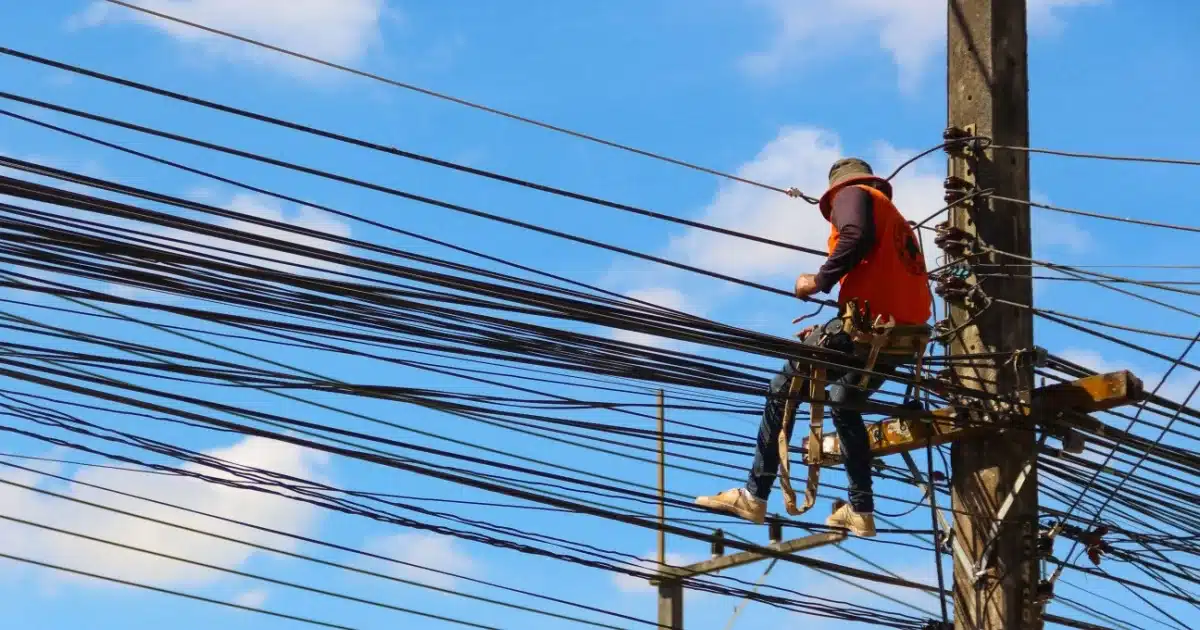
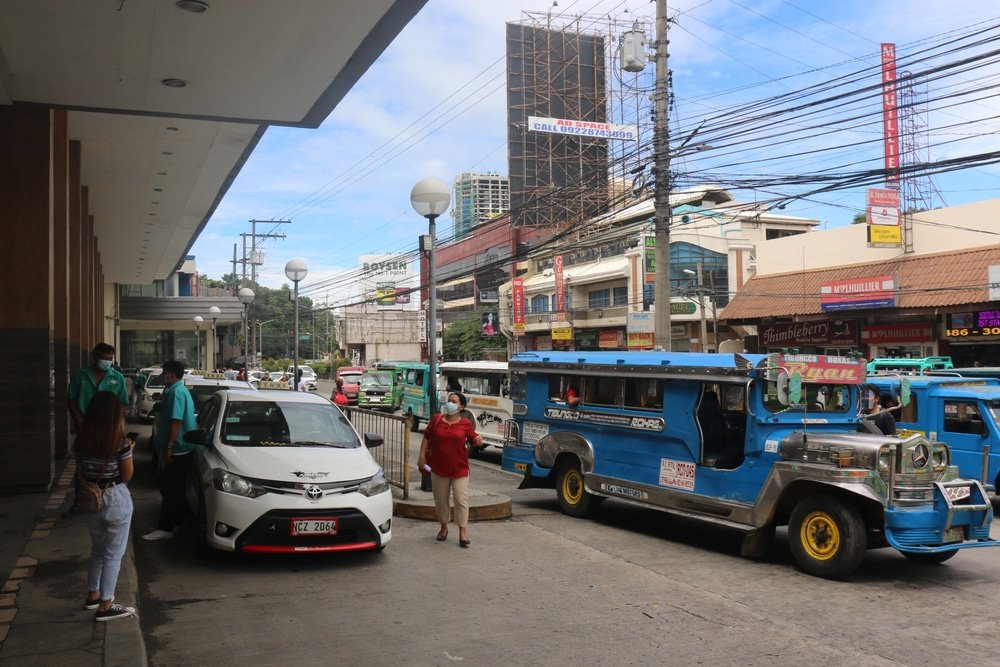
For decades, Tagum City has grappled with unreliable electricity supply under NORDECO, a problem that has significantly affected both daily life and economic activity. Local businesses and consumers have long cited frequent outages, high power costs, and poor service quality as persistent issues. The Tagum City Chamber of Commerce noted that members have endured “recurring outages and unreliable service,” which have damaged equipment and forced businesses to invest in generator sets to stay operational.
In October 2025, the Tagum City Chamber of Commerce and Industry (TCCCII) stated that the business group “backs the recent move of the provincial government of Davao del Norte, led by Governor Edwin Jubahib, to block the franchise renewal bid of the Northern Davao Electric Cooperative. It stressed, “The business community has been petitioning for Nordeco to change and resolve its issues, but it seems like our concerns have fallen on deaf ears.”
Public frustration has also been visible, with thousands of residents staging protests against high electricity rates and poor service back in March 2023. Officials noted that higher electricity rates under NORDECO have increased operating costs for tourism-related businesses such as hotels, restaurants, and resorts in Tagum City and Samal Island. In contrast, nearby areas like Panabo City, which fall under Davao Light, benefit from significantly lower rates.
The issue has persisted, prompting heightened government scrutiny and legislative action. Lawmakers have repeatedly called on NORDECO to address ongoing outages affecting Tagum City and surrounding areas, noting that service interruptions continued despite prior commitments to improve reliability.
More recently, policy shifts such as the expansion of the Davao Light franchise aim to resolve long-standing deficiencies in power delivery, reflecting growing consensus that the status quo has constrained the city’s development.
Davao del Norte’s Economic Rise
Davao del Norte has solidified its position as a powerhouse in the Davao Region (Region XI). As of the latest figures released by the Philippine Statistics Authority (PSA), the province’s economy grew by 5.4%, increasing its Gross Domestic Product (GDP) to ₱188.46 billion in 2024.
This upward trajectory was fueled by gains across all major sectors, with Agriculture, Forestry, and Fishing (AFF), Industry, and Services all posting positive growth. Leading the charge in momentum, the Industry sector surged by 9.9%, adding ₱3.51 billion in value over the previous year.
Meanwhile, the Services sector remained the economy’s heavy lifter, providing the lion’s share of stability by accounting for 51.8% of the province’s total economic output.
Overall, the province is the second-largest contributor to the regional economy, accounting for 17.4% of the total ₱1.08 trillion regional GDP.
Tagum City: The Heart of Growth
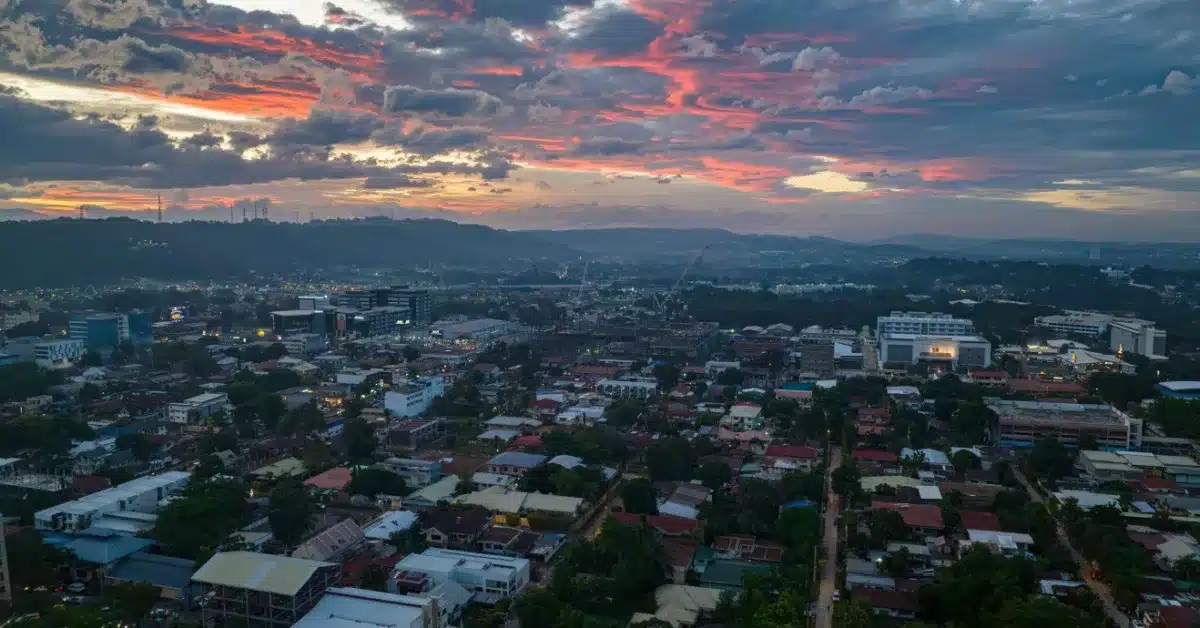
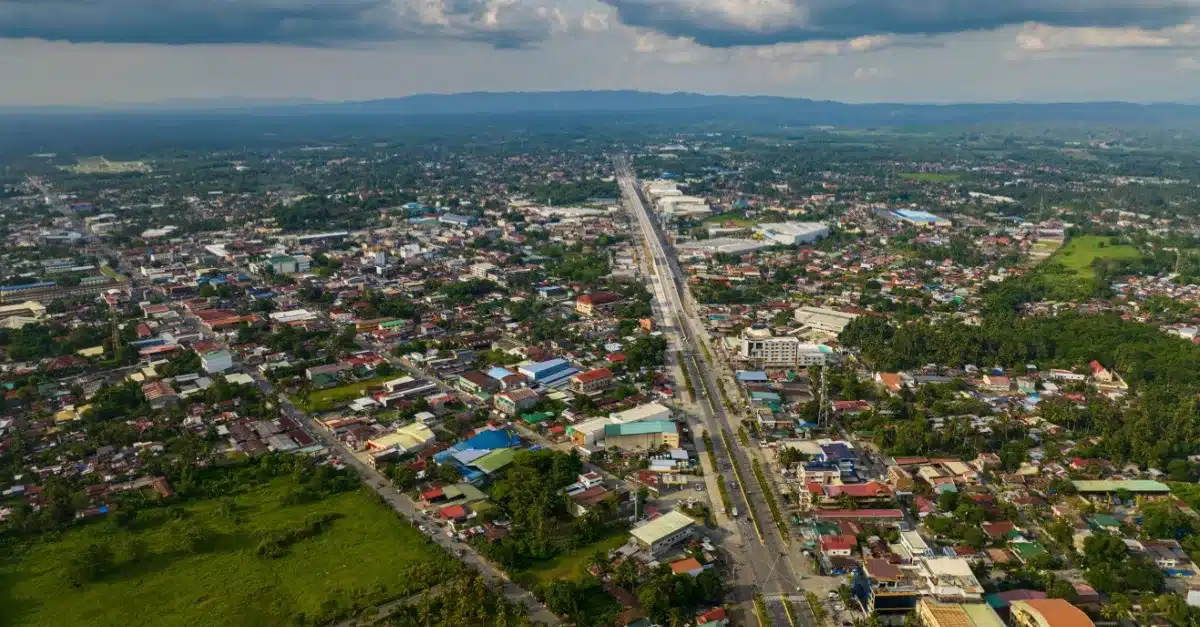
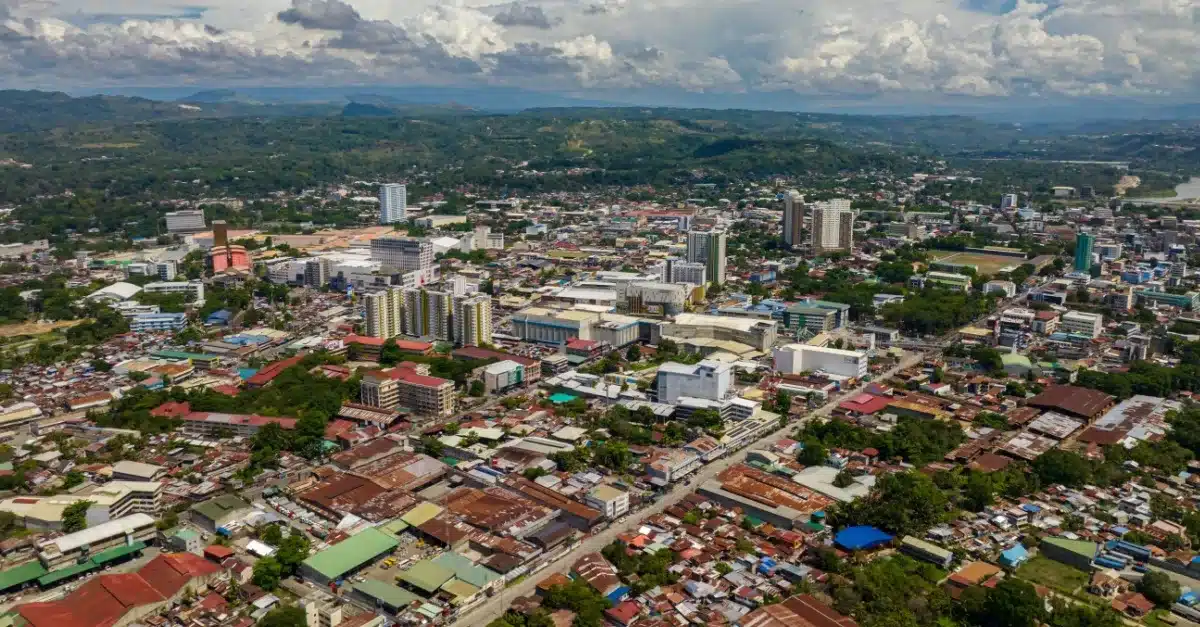
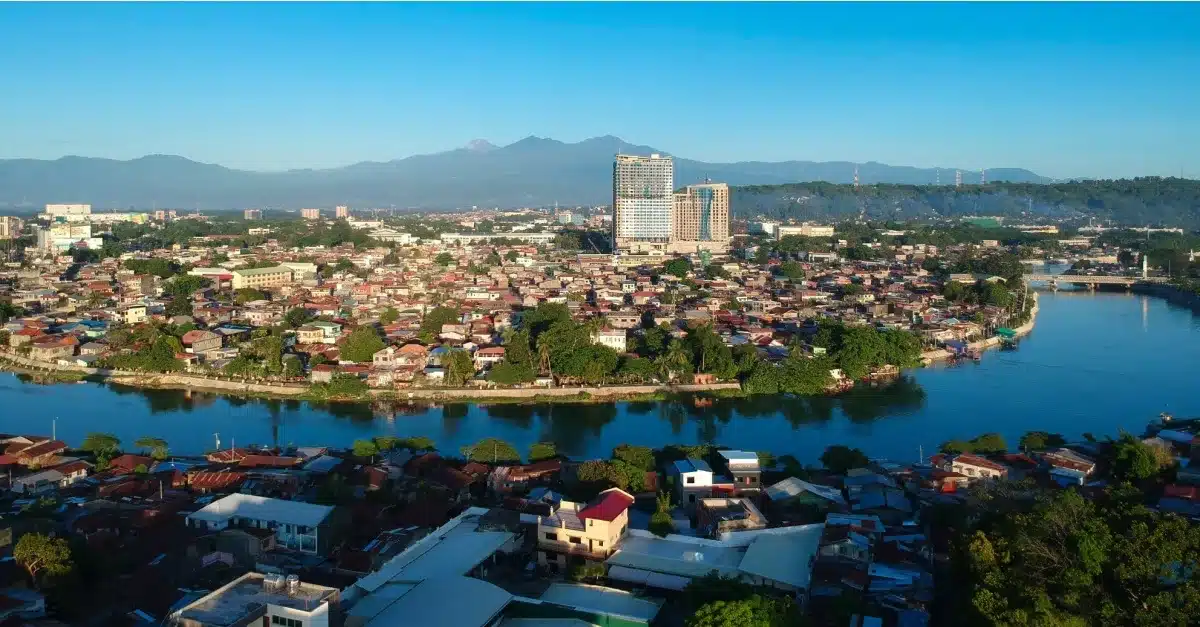
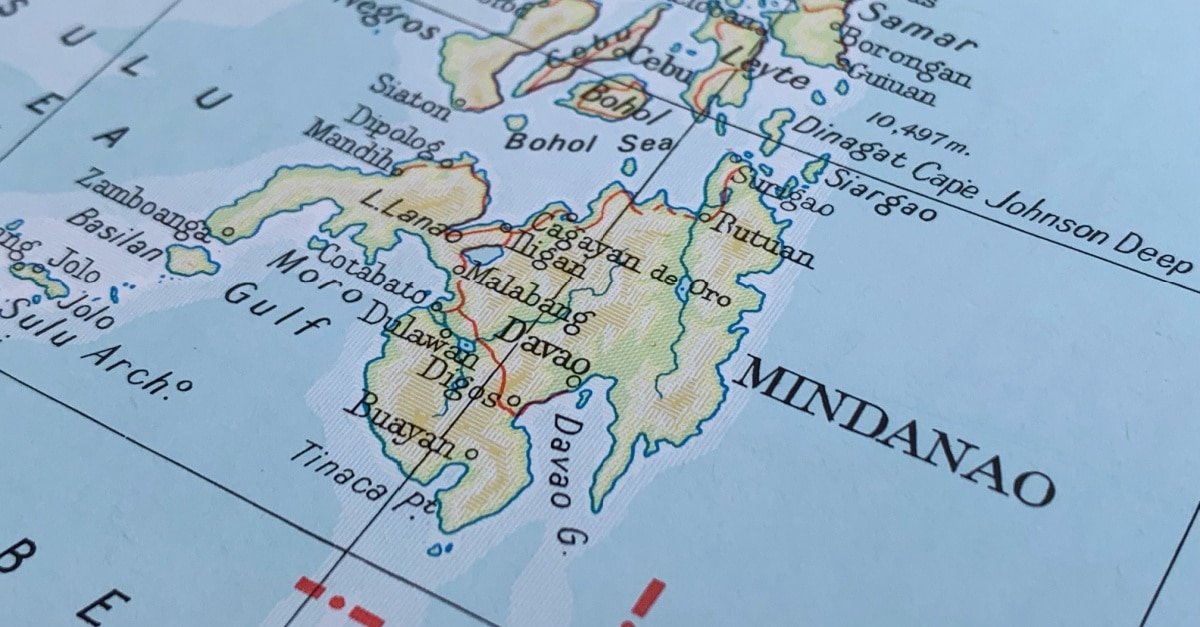
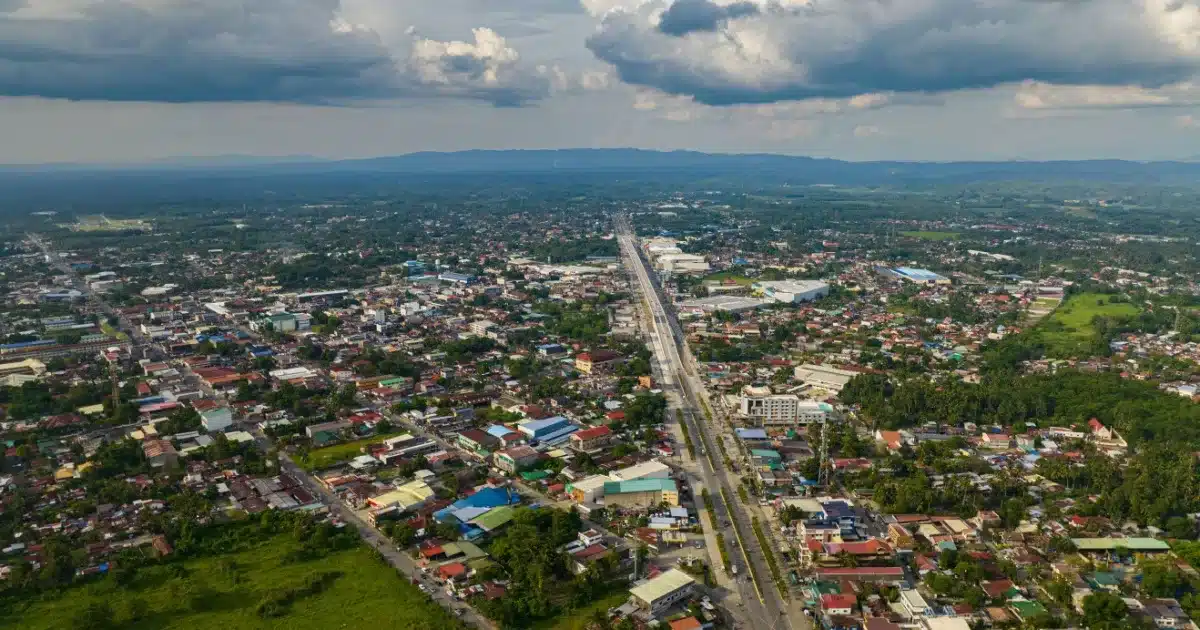
Tagum City serves as the critical economic heartbeat of Davao del Norte, functioning as the province’s primary administrative, commercial, and logistical hub. Tagum is strategically located at the intersection of major road networks, including the Phil-Japan Friendship Highway and the Davao–Mati–Agusan Road, allowing it to function as a vital economic crossroads for the movement of agricultural and industrial goods across Mindanao.
Improved infrastructure has positioned Tagum City as a learning and commercial hub. Visitors from nearby provinces increasingly travel to Tagum for business, government, and personal needs, supported by expanding amenities that help ease congestion in Davao City. This momentum is expected to grow further as new malls, hotels, restaurants, and public facilities continue to rise.
(Also read: The Net Zero Mirage: Why Global Targets Risk Growth & Equity)
Economic Gains Through Grid Stability
The recent transfer of substation infrastructure marks a pivotal, yet unfinished, chapter in the restructuring of Davao del Norte’s energy landscape. While the shift in management signals a move toward modernization, the ultimate success of this transition hinges on the reliability and cost of the province’s power supply. For local businesses and residents, the stakes are high, as the outcome will dictate long-term service quality and the overall stability of regional utility providers.
Provincial leadership, led by Governor Jubahib, views this transition as a potential catalyst for significant economic expansion. A stable energy grid is often the deciding factor for investors in high-growth sectors like manufacturing, agribusiness, and digital services. By mitigating the risks of frequent power disruptions, the entry of Davao Light could sharpen the province’s competitive edge, fostering a more resilient business environment that encourages job creation and local enterprise growth.
However, the path forward remains complex and fluid. With legal challenges still pending in the Supreme Court and the full integration of operational assets incomplete, the immediate focus remains on managing the transition without triggering economic setbacks. Any instability during this phase could ripple through supply chains and daily operations, undermining the very growth the shift is intended to spark.
Ultimately, this period of restructuring represents more than just a change in infrastructure control; it is a critical test of the region’s ability to modernize its essential services. As legal and operational details are finalized, the priority for all stakeholders must be a seamless handoff that ensures electricity remains a reliable driver of progress rather than a source of regional uncertainty.
Sources:
https://pia.gov.ph/news/davao-del-norte-2024-economy-still-grows-by-5-4-percent
https://experiencetagum.weebly.com/roads.html
https://www.sunstar.com.ph/davao/tagum-biz-group-junks-nordeco-renewal
https://legacy.senate.gov.ph/press_release/2023/0715_go1.asp
https://tribune.net.ph/2026/03/04/stop-crucifying-power-users
https://www.sunstar.com.ph/davao/davao-light-takes-over-davao-del-norte
http://edgedavao.net/the-big-news/2026/03/davao-consumer-movement-slams-nordecos-messy-exit/