Table of Contents
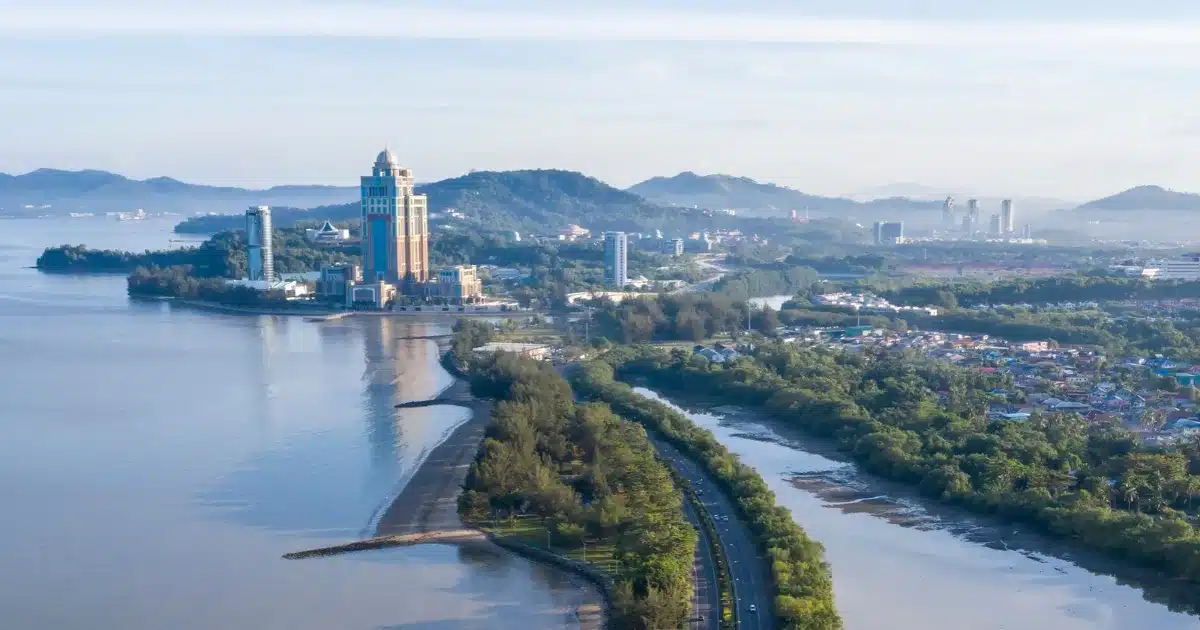
The Philippines is moving toward a new cross-border electricity connection with Malaysia, with President Ferdinand Marcos Jr. announcing plans for an undersea power cable linking Sabah and Mindanao as part of efforts to integrate Southeast Asia’s power networks and strengthen regional energy security.
Marcos made the announcement on Nov. 17 during a press briefing following the conclusion of the three-day 49th Association of Southeast Asian Nations (ASEAN) Summit.
“I am happy to report that the first undersea cable for sharing of energy is going to be laid between Malaysia, Sabah in particular, and the Philippines in Mindanao,” Marcos said.
“The beginnings that were on land are now extending into the sea,” he added.
The proposed link forms part of the ASEAN Power Grid initiative, which seeks to connect the electricity systems of member states and enable cross-border power trading. The arrangement could allow countries with excess electricity to supply neighboring markets facing shortages, potentially giving the Philippines another source of power.
Marcos said ASEAN had been discussing regional electricity interconnection for several years but had recently made significant progress.
All 11 ASEAN member states signed an enhanced memorandum of understanding (MOU) on the ASEAN Power Grid on Nov. 15. The agreement establishes institutional, planning and regulatory arrangements for developing cross-border transmission infrastructure, financing projects and coordinating electricity trading rules.
However, Marcos did not provide a timeline for the Sabah-Mindanao project or disclose details on its proposed route, transmission capacity, cost, or construction schedule.
Growing Power Requirements
The proposed connection comes as the Philippines faces increasing electricity requirements, particularly from industries that depend on uninterrupted power supplies.
Data centers, cloud computing services, and artificial intelligence (AI) operations are expected to add to electricity demand as companies expand their digital infrastructure. These facilities require continuous electricity to operate servers, cooling equipment, and other critical systems.
A January 2026 paper by the Philippine Institute for Development Studies (PIDS) found that electricity consumption in the country increased by about 140% between 2003 and 2024. The study also pointed to slower transmission infrastructure expansion as a contributor to congestion and reliability problems.
An electricity connection with Sabah could broaden the Philippines’ options for sourcing power, particularly during periods of tight domestic supply. However, the availability of imported electricity would also depend on the capacity of the undersea link and the ability of domestic transmission networks to deliver that power to end-users.
Upgrading local transmission infrastructure would therefore remain important in ensuring that additional electricity can reach industrial facilities and other major consumers.
The ASEAN Power Grid is also intended to support a more integrated regional electricity market, allowing member states to share available resources and improve the resilience of their respective power systems.
Strengthening Regional Energy Security
Marcos also highlighted the need for closer coordination among Southeast Asian countries in preparing for disruptions to energy supplies.
At the ASEAN Plus Three Summit, regional leaders adopted a statement on strengthening energy and food security against external shocks and supply-chain disruptions.
The President said measures such as stockpiling energy resources had become increasingly important amid uncertainties affecting global supply chains. He added that ASEAN members were working together to coordinate preparedness efforts.
The proposed undersea cable would represent an expansion of the bloc’s existing land-based electricity interconnections into maritime networks, potentially opening additional opportunities for cross-border power trade.
Marcos also emphasized that regional cooperation should extend beyond energy infrastructure, particularly as Southeast Asia seeks a stronger role in emerging technologies.
“We do not accept that ASEAN should just be customers to the AI revolution, but that we should be part of guiding the directions in which that development will take place,” he said.
The President also cited the conclusion of negotiations on the ASEAN Digital Economy Framework Agreement, which seeks to facilitate cross-border digital trade and payments and strengthen regional cooperation on data flows.
The initiatives reflect ASEAN’s willingness to cooperate for the benefit of its population, including more reliable energy supplies, stronger economic connectivity, and improved preparedness against external disruptions.
Source:
https://newsbytes.ph/2026/11/18/sabah-mindanao-power-link-could-support-ph-data-centers-ai-growth/
https://verafiles.org/articles/marcos-announces-first-undersea-power-link-between-sabah-mindanao