Table of Contents
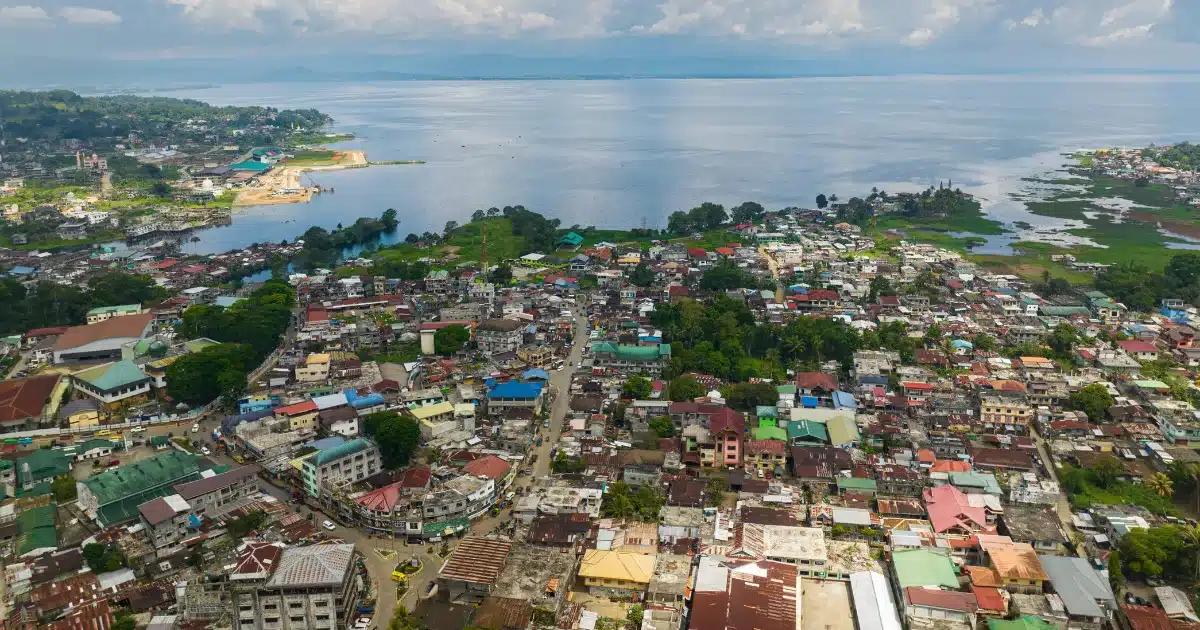
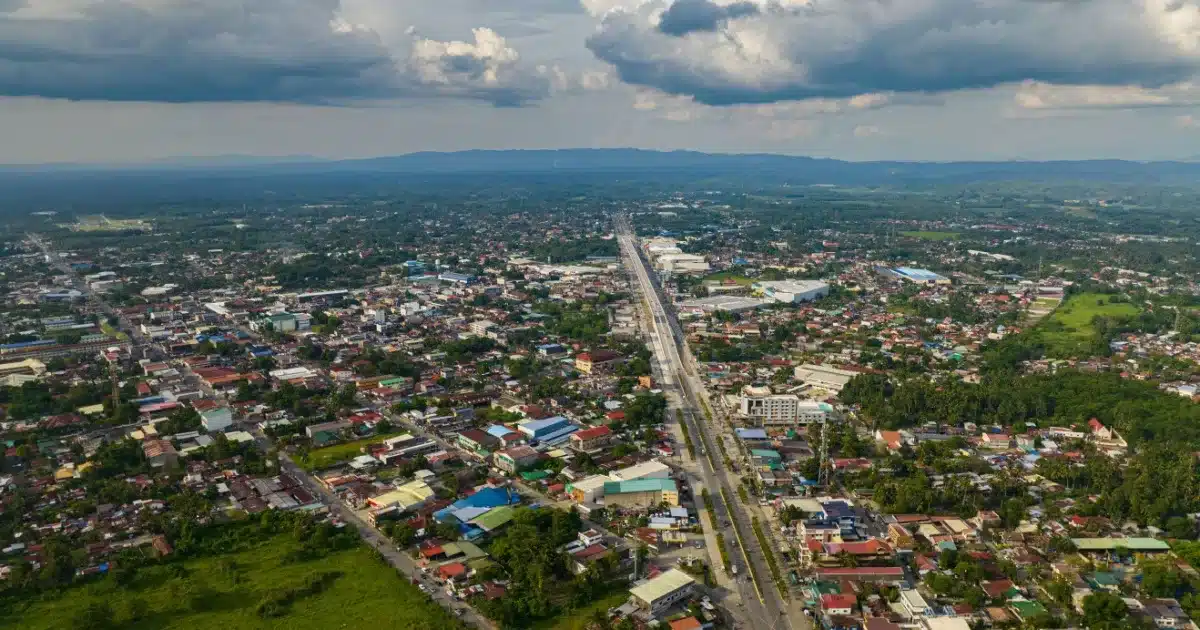
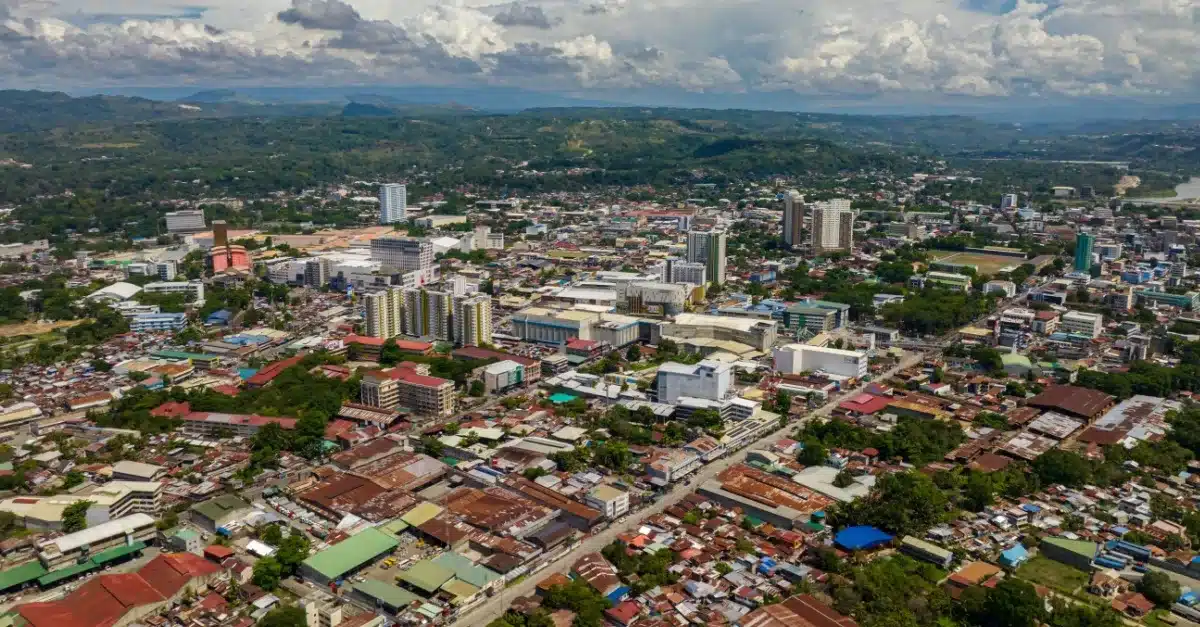
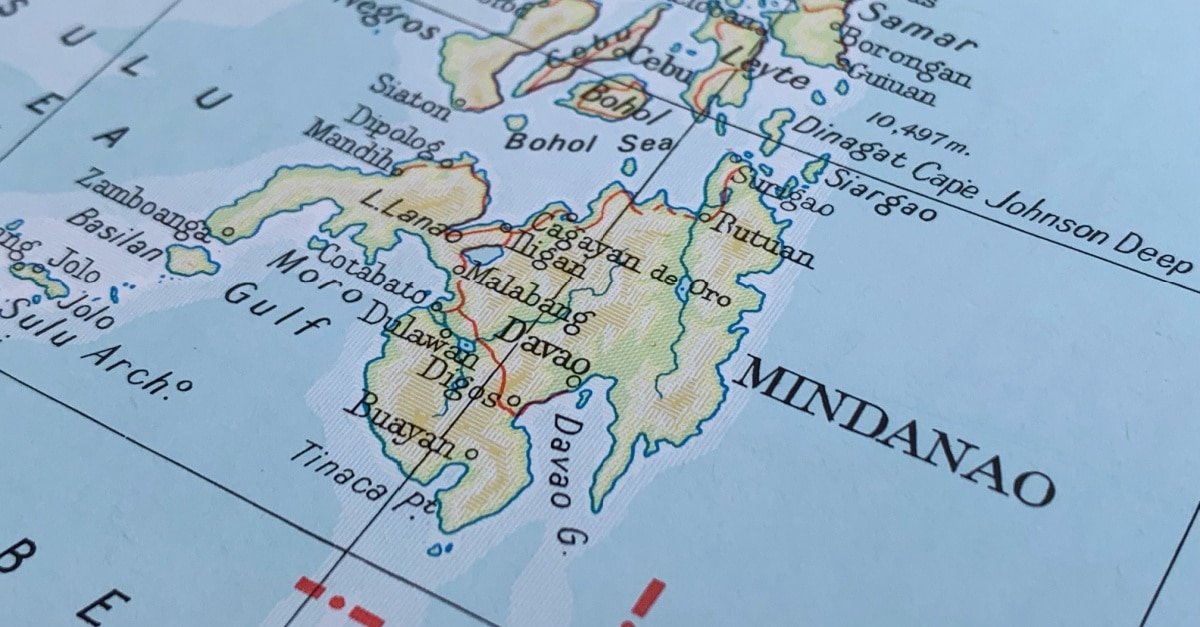
Mindanao, the southernmost island of the Philippines, faces a striking paradox. Despite abundant energy resources, the region continues to struggle with power shortages and frequent blackouts. These interruptions are not just technical issues; they reflect deep-seated challenges within the island’s aging infrastructure, underperforming electric cooperatives (ECs), and systemic inefficiencies that threaten its economic potential.
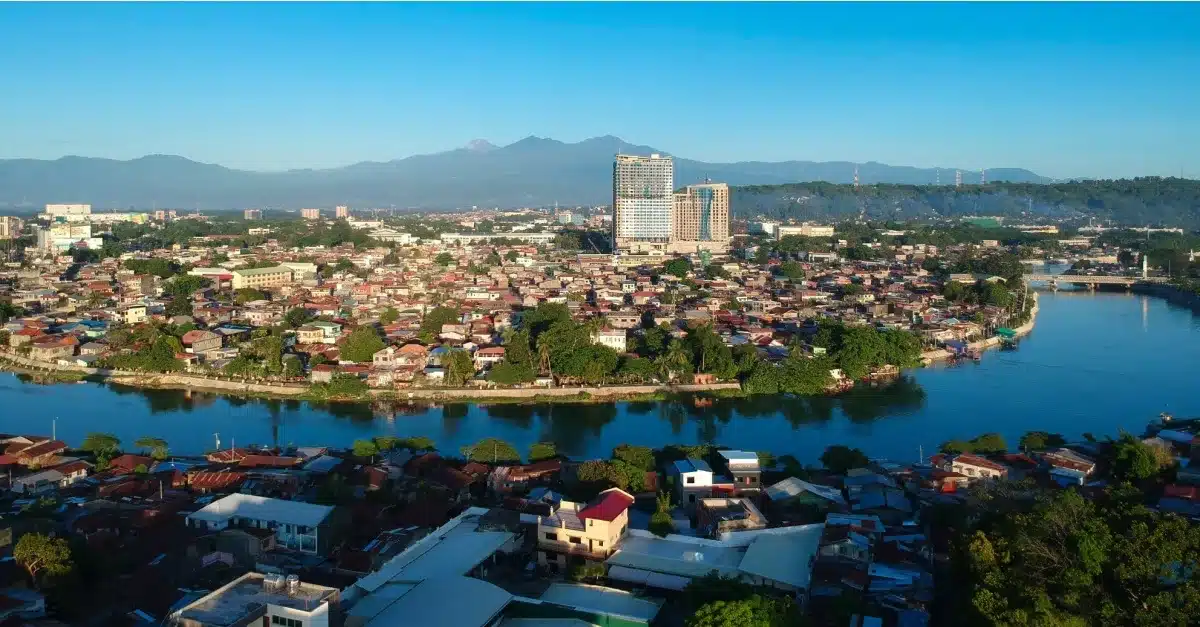
As the country’s second-largest island, Mindanao plays a crucial role in national development. Over the past six years, its economy has grown at an average of about 6.2%, higher than the national average of 4.66%. In 2024, three regions, Northern Mindanao, the Davao Region, and Caraga, reported growth that exceeded the national level, showing the island’s emerging economic strength.
Northern Mindanao, in particular, has stood out as one of the fastest-growing areas. Expanding by 6% in 2024, it officially joined the ranks of trillion-peso economies with a gross regional domestic product (GRDP) of ₱1.04 trillion. Growth was driven by construction, manufacturing, and trade, reflecting a diverse and resilient economy. Meanwhile, the Davao Region maintained steady momentum with 6.3% growth, posting a GRDP of ₱1.08 trillion and confirming its position as the fourth-largest regional economy in the Philippines.
According to Mindanao Development Authority (MinDA) Chair Secretary Leo Tereso A. Magno, the island’s continued growth will depend on agribusiness, renewable energy, infrastructure, and tourism. Agribusiness is shifting toward value-added processing and high-value crops, while solar, hydro, and biomass projects are boosting energy capacity. Major infrastructure upgrades are improving connectivity, and a safer and more accessible environment is helping tourism drive gains in services and local enterprise.
Energy remains the lifeblood of this growth. Just as fuel powers an engine, electricity powers the economy. Without sufficient, reliable, and well-managed power, Mindanao’s economic engine risks stalling or underperforming, no matter how strong its industries or human capital may be.
(Also read: The Net Zero Mirage: Why Global Targets Risk Growth & Equity)
Electric Cooperatives in Mindanao and the Challenges They Face
Electric cooperatives (ECs), which serve as the main distributors of electricity across much of Mindanao, are meant to connect energy supply with consumer demand, but many struggle with outdated networks, financial shortfalls, and management challenges, leaving communities in the dark at critical moments. The following ECs illustrate the systemic issues that continue to hinder growth, highlighting the urgent need for reliable power to support the island’s expanding economy.
Northern Davao Electric Cooperative (NORDECO)
Service areas: Davao del Norte and Davao de Oro
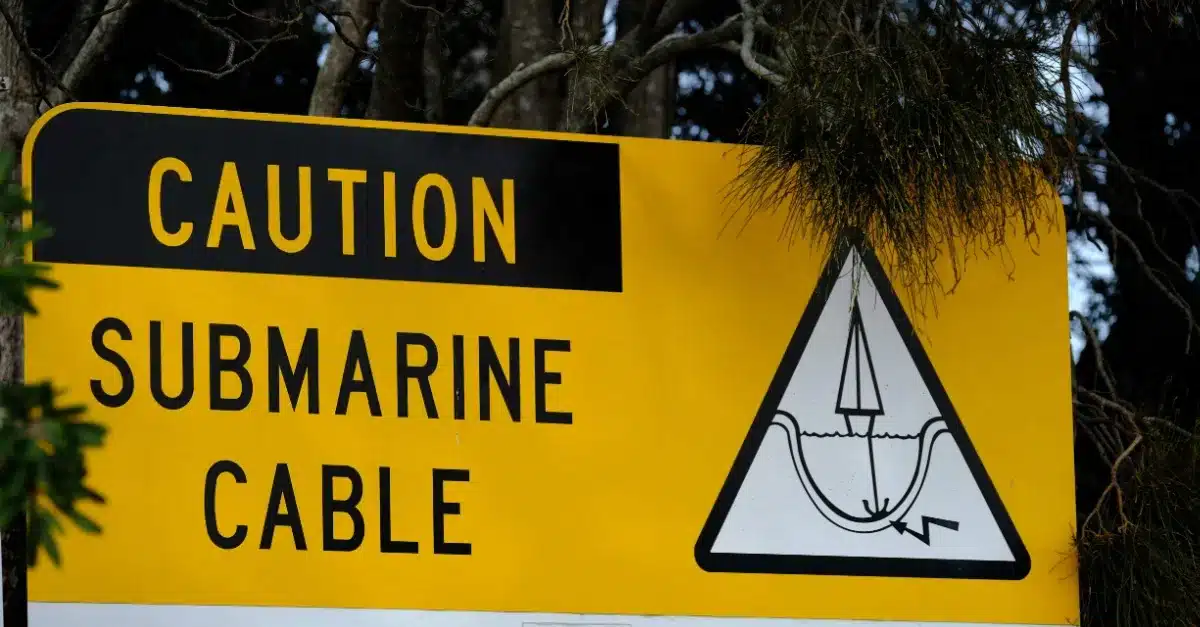
Issues: In 2024, Rep. Pantaleon Alvarez called NORDECO’s service “expensive, not reliable, and unreasonable,” while Samal leaders highlighted the social and economic toll of its frequent power outages. By September, Governor Edwin I. Jubahib got the Provincial Development and Peace and Order Councils to review major projects, including NORDECO and its ₱1-billion submarine cable loan, while urging a Senate investigation.
Amid broader franchise disputes, NORDECO was suspended from the Wholesale Electricity Spot Market (WESM) in September 2025, due to unpaid energy settlement obligations. The Independent Electricity Market Operator (IEOMP) of the Philippines confirmed the suspension, which will remain until rectified. Consumer and business groups reported NORDECO’s unpaid WESM bills had reached ₱318.4 million, warning that losing WESM access could restrict affordable power supply.
Legislative action began in 2025, with House Bill 11072 and Senate Bill 2888 amending electric franchise areas to include NORDECO territories under Davao Light. Despite NORDECO’s objections, Republic Act 12144 lapsed into law in April 2025. In December, the Energy Regulatory Commission (ERC) granted Davao Light provisional approval to begin connecting customers. A Regional Trial Court in Panabo City issued a Writ of Possession, allowing Davao Light to take control of Samal.
On January 28, 2026, the Davao Consumer Movement (DCM) reported that power rates in the Davao Region have risen due to higher generation costs and other charges passed on to consumers. Northern Davao Electric Cooperative (NORDECO) now charges the highest rate at ₱14.90 per kilowatt-hour, despite Davao Light’s recent ₱2 increase, totalling ₱11.72.
In 2023, ECs Mindanao had the country’s highest power rates, according to the Philippine Statistics Authority. The PSA reported an average of ₱10.99 per kWh, above Luzon’s ₱10.49 and the Visayas’ ₱8.50. Within Mindanao, Davao-region cooperatives charged the most at ₱12.09 per kWh, followed by Northern Mindanao at ₱11.56.
Zamboanga City Electric Cooperative, Inc. (ZAMCELCO)
Service area: Zamboanga City
Issues: The Zamboanga City Electric Cooperative, Inc. (ZAMCELCO) continues to face serious challenges in delivering reliable electricity to its consumers. According to National Electrification Administration (NEA) Administrator Antonio Mariano Almeda, illegal connections, unmetered households, and unauthorized reconnections by disconnected users are major problems. These practices drain resources, increase system losses, and unfairly burden paying customers.
By August 2025, a team of thirty skilled personnel from 16 Mindanao ECs joined ZAMCELCO under the NEA’s Task Force Metro Zamboanga. The team, composed of linemen, metering staff, and engineers, conducted inspections, replaced meters on residential and commercial accounts, and corrected databases to reduce system loss, which currently averages 18 to 19% per month. This far exceeds the Energy Regulation Commission (ERC)-allowed 8.25%, costing the EC ₱55 to 60 million monthly in lost revenue.
Beyond technical issues, consumers also reported poor service. In 2012, a Zamboangueño described near-daily outages lasting 30 minutes to half a day, frequent power fluctuations, and damage to appliances. Small business owners also reported significant financial losses. Attempts to contact ZAMCELCO often went unanswered, with customers receiving only general explanations such as transformer repairs or weather disruptions. These ongoing operational and service issues highlight the persistent struggle of ZAMCELCO to provide reliable and equitable electricity to the city’s residents.
Zamboanga del Norte Electric Cooperative (ZANECO)
Service area: Zamboanga del Norte
Issues: In 2022, residents of Zamboanga del Norte initiated a public petition urging ZANECO to address longstanding service issues. Signatories cited electric bills that appeared inflated and inconsistent with actual usage, frequent power outages that disrupted daily life and business operations, and damage to household appliances and equipment resulting from recurring fluctuations in electricity supply.
For many consumers, these recurring problems highlight concerns over the cooperative’s reliability, transparency, and responsiveness, raising questions about how effectively ZANECO is managing resources and maintaining infrastructure. The public appeal also drew attention to the economic impact of inconsistent power, particularly for small businesses and service providers that rely on stable electricity to operate efficiently.
In 2026, ZANECO enhanced customer communication and service reliability through a partnership with PLDT Enterprise. Using iGate internet connectivity and the Smart Messaging Suite, ZANECO strengthened its digital infrastructure to engage consumers even during emergency outages. The systems support online platforms for reporting issues and receiving updates, while enabling real-time notifications on outages, maintenance, and urgent advisories. A digital broadcasting platform further ensures timely alerts to a broad audience.
This collaboration highlights how private sector partnerships can improve ECs’ performance and enhance service transparency and reliability.
Zamboanga del Sur Electric Cooperatives (ZAMSURECO) I and II (ZAMSURECO I and II)
Service areas: ZAMSURECO I: Most of Zamboanga del Sur; ZAMSURECO II: Zamboanga Sibugay, 3 municipalities in Zamboanga del Norte, Vitali District of Zamboanga City
Issues: Over the years, both Zamboanga del Sur’s ECs have faced operational and service challenges that drew public attention. ZAMSURECO‑I has been criticized for frequent brownouts tied to regional supply shortfalls, at times implementing rotational outages when power sources were unable to meet peak demand, leading to service interruptions that frustrated consumers across its coverage area.
In 2022, power interruptions drew attention to systemic vulnerabilities in the region’s grid, including impacts on the ZAMSURECOs. That year, heavy vegetation growth near transmission structures led to the simultaneous failure of two National Grid Corporation of the Philippines (NGCP) lines, triggering widespread outages.
This was followed by another set of disruptions due to NGCP implementing “manual load dropping” protocol after the Baloi‑Aurora transmission line tripped multiple times, a protective measure designed to prevent broader grid collapse.
In October 2024, ZAMSURECO II drew public criticism for a Facebook post regarding power outages caused by strong winds. The post stated, “Many posts have fallen in various places due to the strong winds earlier. Please be patient and don’t get angry because we are working for you; we are not just sitting around like you.” Social media users reacted sharply, with some accusing the ECof “gaslighting” its consumers.
One user commented, “Thank you for doing your JOB. We’ll continue sitting around while waiting for you to finish your job with utmost urgency,” while another wrote, “This is so unsightly and unprofessional coming from an official and supposedly respectable institution.” The incident underscored the importance of clear, professional communication from public institutions during emergencies.
Siargao Electric Cooperative (SIARELCO)
Service areas: 9 municipalities in Surigao del Norte, most of Siargao Island, and Bucas Grande Island
Issues: Recent electricity interruptions in Siargao in January 2026 have revealed persistent weaknesses in the island’s power network, prompting advocacy group ILAW Pilipinas to call for immediate reforms. The outage on January 9 followed a prolonged blackout in December 2025 that affected Siargao and nearby Bucas Grande Island. That earlier disruption occurred when an uprooted tree damaged a 34.5‑kV subtransmission line operated by SIARELCO, triggering its protection system and cutting power across the islands.
The December 2024 blackout, one of the longest in recent memory, lasted two weeks and forced the Provincial Disaster Risk Reduction and Management Office to declare a state of calamity. Investigations later revealed that a 1.6‑kilometer stretch of the island’s 41-year-old submarine cable had failed near sharp coral formations, where constant sea currents eroded its insulation. The outage halted water pumping and daily activities, causing an estimated ₱1.09 billion in economic losses, with tourism businesses reporting ₱10,000 to ₱30,000 in lost daily income.
Focus group discussions by ILAW rated SIARELCO’s service at 4.6 out of 10, highlighting frequent outages, voltage fluctuations, and damaged equipment. While the ERC recently approved the ₱11.86-billion Claver–Siargao Interconnection Project to establish a new 69‑kV line, the transmission upgrade is not expected until June 2030, leaving the island dependent on aging infrastructure. Unless maintenance and replacements are accelerated, similar breakdowns are inevitable, threatening both local livelihoods and the island’s growing tourism economy.
Sultan Kudarat Electric Cooperative, Inc. (SUKELCO)
Service areas: Sultan Kudarat and parts of Maguindanao del Sur
Issues: In 2022, power shortages threatened the coastal towns of Kalamansig and Lebak in Sultan Kudarat when the National Power Corporation–Small Power Utilities Group (Napocor‑SPUG) ran low on fuel for its diesel plants. Deliveries from Petron were halted due to an unpaid balance of ₱1.2 billion, forcing rolling outages that left tens of thousands in darkness for 12 hours at a time.
Napocor‑SPUG explained that the shutdown of all six diesel engines was necessary to ration remaining fuel. The looming blackouts alarmed residents and local officials, who warned of the economic impact on businesses and questioned how the debt had ballooned to such a staggering amount. The incident highlighted the vulnerability of off-grid communities dependent on aging diesel infrastructure.
In 2024, the Sultan Kudarat Electric Cooperative (SUKELCO) clarified an emergency two-hour plant shutdown that affected the towns of Lebak and Kalamansig. The reported cause was a conductor that overheated, triggering a safety shutdown to prevent further damage.
SUKELCO urged all Municipal Coordinating Offices (MCOs) to take proactive measures, such as clearing vegetation and trimming tree branches near power lines, to help prevent similar incidents. The EC stressed that these emergency actions, while brief, were necessary to safeguard both equipment and service reliability. However, SUKELCO also has the chief responsibility of maintaining its infrastructure, monitoring lines, and ensuring an uninterrupted power supply to prevent future outages.
Misamis Oriental Rural Electric Service Cooperatives I & II (MORESCO I & II)
Service areas: MORESCO I: Western portion of Misamis Oriental, parts of Cagayan de Oro hinterlands, select barangays in Talakag, Bukidnon; MORESCO II: Eastern part of Misamis Oriental & nearby municipalities
Issues: In 2022, Moresco I faced scrutiny over a series of power-rate hikes. The EC cited rising coal costs, supply shortages linked to the Ukraine‑Russia war, and the peso’s depreciation as key factors driving higher electricity prices.
But consumer group Mindanao Coalition of Power Consumers (MCPC) argued that MORESCO I and other local distributors were also responsible, pointing to “take-or-pay” contracts with coal-powered generators that bypassed competitive bidding. MCPC warned that these agreements forced consumers to pay for unused electricity. From 2016 to 2022, Mindanao rates doubled, with average charges rising from ₱6 to ₱12 per kWh, and peak-hour rates reaching ₱20 per kWh, prompting calls for government review and intervention.
Meanwhile, 2025 found MORESCO II under increasing pressure to address frequent power interruptions in eastern Misamis Oriental. Towns such as Talisayan and Gingoog City have faced both scheduled and unscheduled brownouts multiple times a week, disrupting businesses and daily life. Mayor Ciriaco Talines stressed that local enterprises rely heavily on electricity and called on MORESCO II to implement real solutions to stabilize supply.
First District Representative Jennifer “Karen” Lagbas also highlighted the issue on Facebook, noting that the problem was discussed during a House Committee on Energy meeting.
Lawmakers emphasized the need for the EC to prioritize upgrades to its aging distribution lines and infrastructure to prevent recurring outages and support economic activity across the region.
Lanao del Sur Electric Cooperative, Inc. (LASURECO) & Maguindanao Electric Cooperative, Inc. (MAGELCO)
Service areas: LASURECO: Lanao del Sur & portions of Lanao del Norte; MAGELCO: Maguindanao
Issues: In 2022, LASURECO and MAGELCO underwent financial investigation after accumulating over ₱16 billion in unpaid power obligations. The Department of Finance (DOF) directed the Power Sector Assets and Liabilities Management Corp. (PSALM) to disconnect LASURECO from the grid and curtail MAGELCO’s supply, warning against providing “free electricity” amid the cooperatives’ failure to settle debts.
DOF cited alleged financial mismanagement and poor collection efficiency as the primary causes of the unpaid bills, which forced PSALM to borrow more funds to cover shortfalls. By April 2022, MAGELCO had paid only ₱45.5 million of its obligations, leaving ₱3.8 billion outstanding, while LASURECO owed ₱12.9 billion with no stated plan for repayment.
Both ECs also failed to remit universal charges collected from consumers, totaling ₱29 million for MAGELCO and ₱9.5 million for LASURECO. PSALM was further instructed to disconnect LASURECO from the Agus 1 hydroelectric plant to prevent continued losses.
Created by legislation, PSALM is a government-controlled entity tasked with managing and privatizing the nation’s power generation assets in an organized manner.
(Also read: Baseload Power: The Backbone of a Future-Ready Energy System)
Mindanao’s Energy Imperative
Mindanao’s energy challenges reveal a stark contradiction: despite abundant resources, the island continues to suffer frequent outages that disrupt households, businesses, and economic growth. ECs, which serve as the main distributors, are meant to connect supply with demand, yet many remain hindered by outdated infrastructure, financial mismanagement, and poor collection performance. Sustained by taxpayer money, these inefficiencies are glaring; without decisive reforms, outages and lost opportunities will continue to impede the island’s potential.
Mindanao’s vast energy resources, however, could be transformed into a springboard for growth rather than a recurring source of frustration. Expanding transmission and distribution networks, modernizing infrastructure, and enforcing accountability among ECs are crucial steps. Public-private partnerships, legislative oversight, and regulatory intervention will also be essential in ensuring financial discipline and operational efficiency.
Addressing these deep-seated issues is imperative to building a power system that can sustain Mindanao’s ambitions. A reliable electricity network will not only support economic expansion and attract investment but also improve the daily lives of millions, turning chronic outages into a challenge of the past and enabling the island to fully realize its potential.
Sources:
https://www.youtube.com/watch?v=L3dS-kM0L2o&t=139s
https://psa.gov.ph/statistics/grde/highlights
https://www.bworldonline.com/the-nation/2025/01/05/644784/minda-cites-key-drivers-for-growth/
https://rsso11.psa.gov.ph/content/davao-regions-economy-posts-63-percent-growth-2024
https://www.sunstar.com.ph/davao/cong-alvarez-says-nordeco-must-discontinue-its-unreliable-service
https://www.sunstar.com.ph/davao/nordeco-suspended-from-wesm
https://www.iemop.ph/notices/notice-of-suspension-3
https://www.sunstar.com.ph/davao/nordeco-appeals-to-pbbm-prevent-passage-of-bill
https://lawphil.net/statutes/repacts/ra2025/ra_12144_2025.html
https://www.sunstar.com.ph/davao/davao-light-gets-green-light-to-connect-new-customers
https://www.pna.gov.ph/articles/1257448
https://opinion.inquirer.net/20873/zamcelco%E2%80%99s-poor-service
https://www.change.org/p/zaneco-improvement-decrease-electric-bill
https://www.philstar.com/nation/2014/08/16/1358240/rotational-blackouts-extend-zamboanga-del-sur
https://www.pna.gov.ph/articles/1188598
https://powerphilippines.com/ilaw-calls-for-urgent-power-reforms-after-another-siargao-blackout
https://cebudailynews.inquirer.net/611573/siargao-fault-in-submarine-cable-causes-power-outage
https://www.ohohleo.ph/2025/03/cultureph-power-struggles-how-electric.html
https://www.philstar.com/business/2026/01/22/2502543/erc-oks-p119-billion-ngcp-line-siargao
https://businessmirror.com.ph/2026/01/22/ngcp-siargao-project-gets-approval
https://www.brigadanews.ph/emergency-plant-shutdown-binigyang-linaw-ng-sukelco