Table of Contents
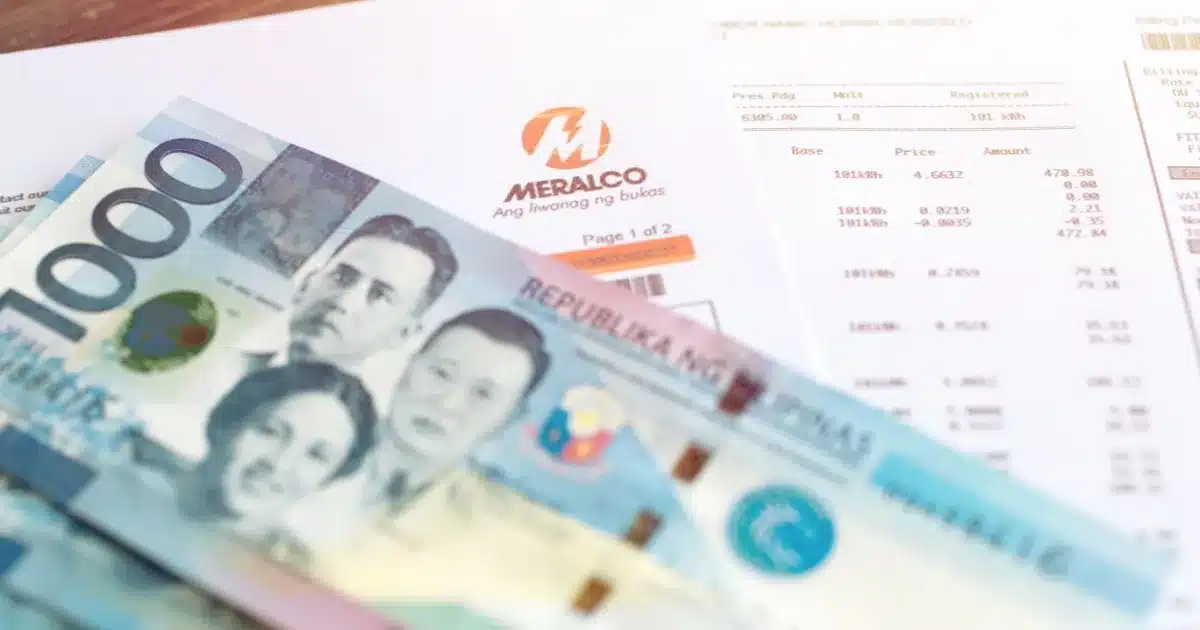
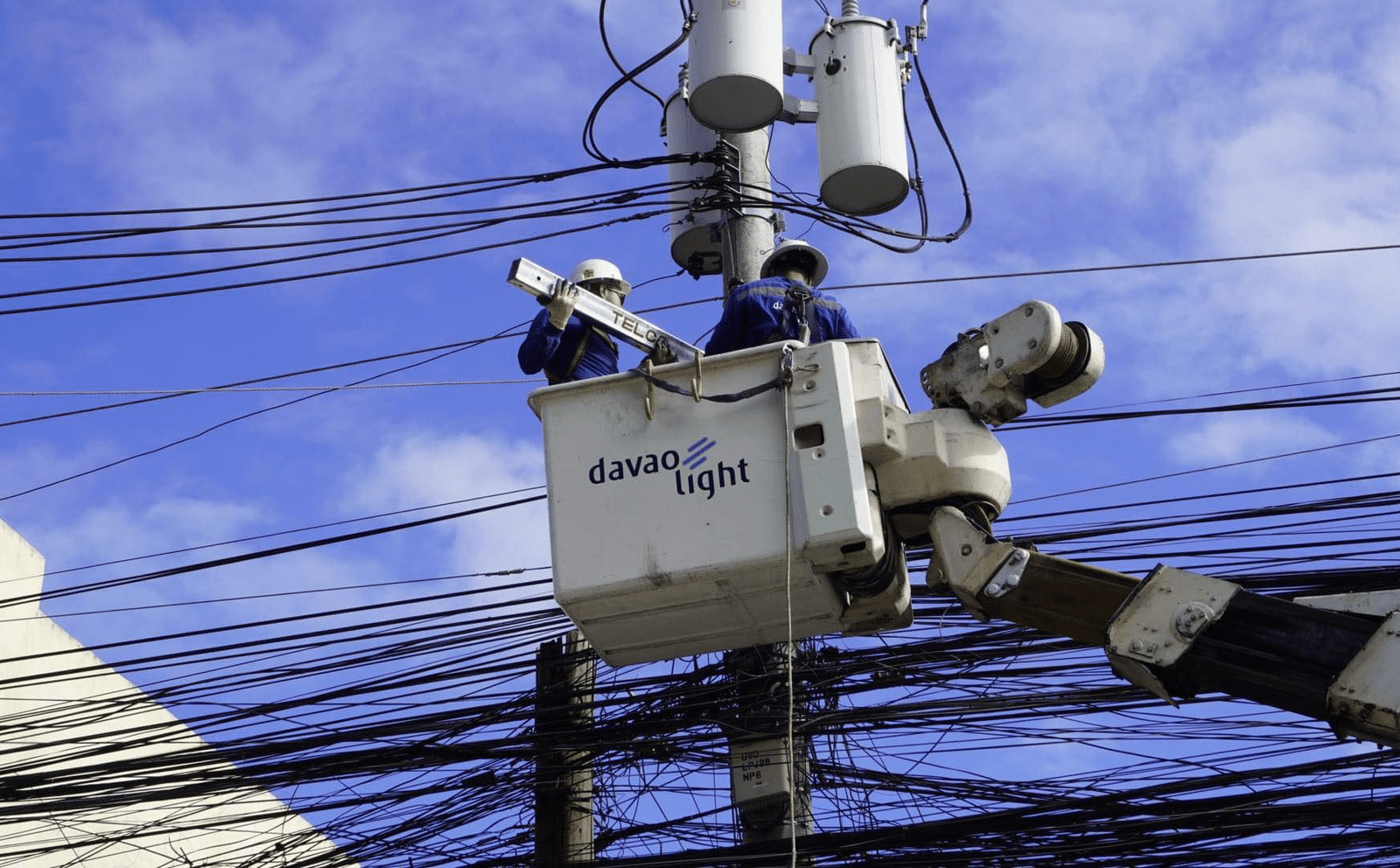
A consumer advocacy group has raised concerns anew over the more than ₱2 per kilowatt-hour (kWh) increase in electricity rates implemented by Davao Light and Power Company in January 2026, warning that the hike places additional pressure on households already struggling with rising costs of living.
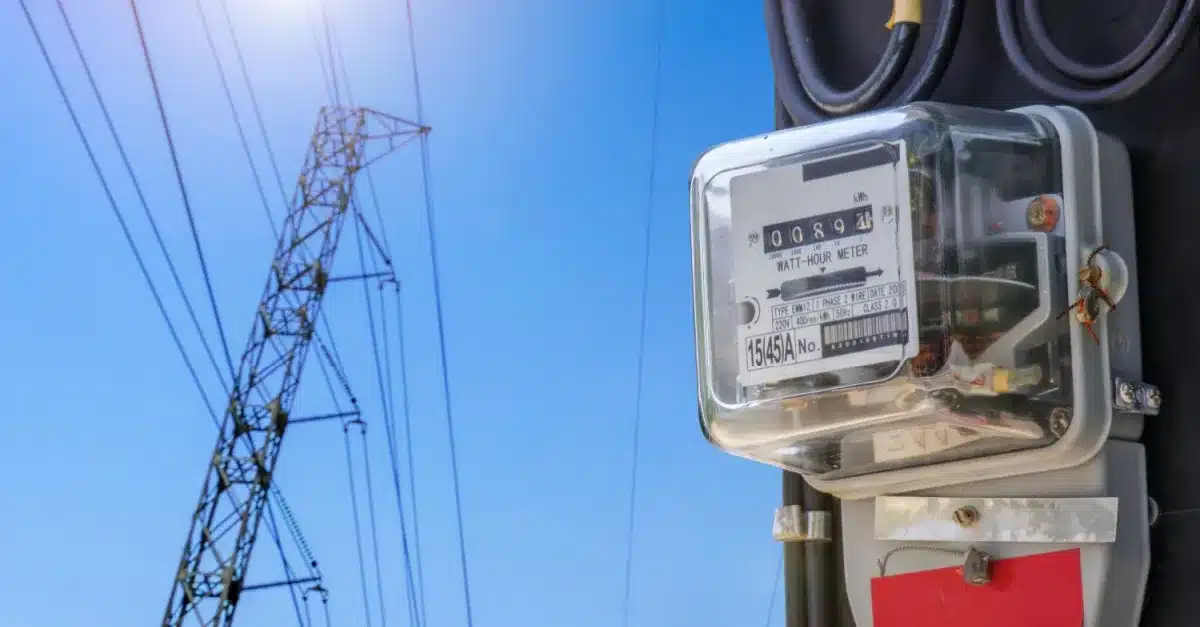
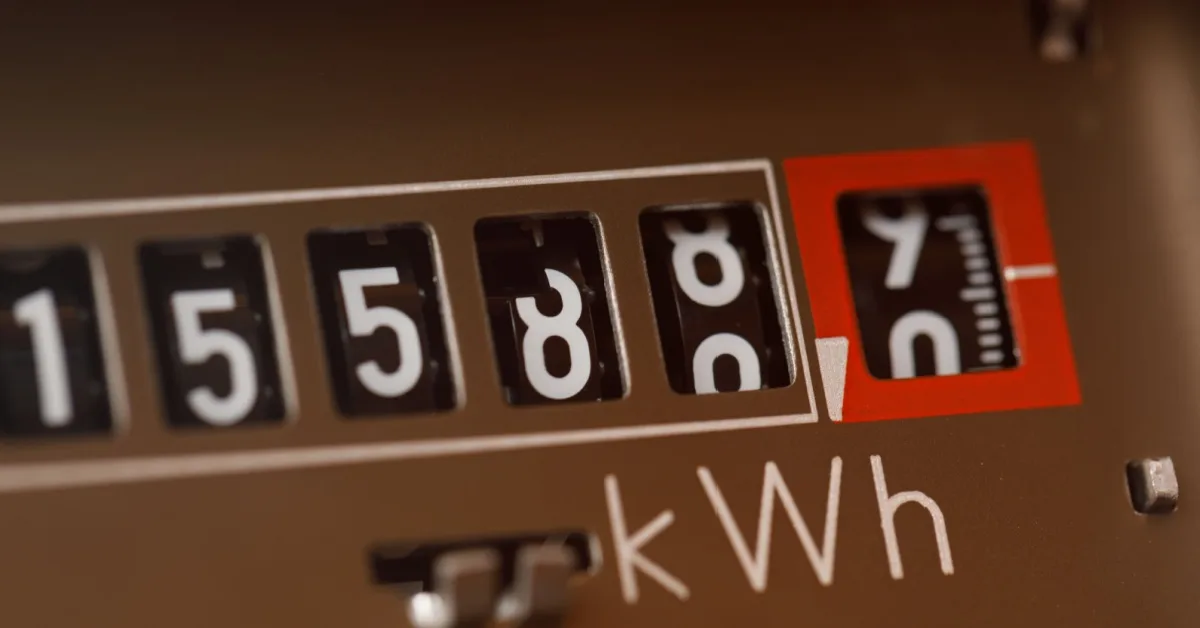
In an advisory, Davao Light said its January 2026 residential electricity rate climbed to ₱11.7187 per kWh, up from ₱9.7135 per kWh in December 2025. The ₱2.0052 per kWh increase translates to roughly ₱400 more per month for an average household consuming about 200 kWh.
The increase immediately drew criticism from the Davao Consumer Movement (DCM), which said the higher rates would further burden consumers, particularly minimum wage earners.
Volatile Cycle
DCM convenor Ryan Amper said the recurring volatility in electricity prices continues to disadvantage consumers, who have little capacity to absorb frequent increases in basic expenses.
“Kanunay ra man gud ning gabalik-balik ang market, volatile, matag karon ug unya, taas ang presyo, dili ba mahimong himuan na kining pamaagi daan sa distribution utility ug mga kooperatiba nga ingon ani man gyud ang cycle,” Amper said. (“The market keeps repeating this volatile cycle, prices keep going up every now and then. Shouldn’t distribution utilities and cooperatives already have measures in place, knowing that this is how the cycle works?”)
He stressed that consumers ultimately shoulder the impact of these price movements. “Kita man gyud ang pinakaapektado ani, ang mga konsumer,” he said. (“Consumers are really the ones most affected by this.”)
Unaffordable Increase
Amper questioned whether households have the financial capacity to cope with repeated increases in utility bills, especially as wages remain unchanged. “Ang concern man gyud nato ani, unsa-unsa ba ang kapasidad sa mga consumer nga moapas aning matag-karon-ug-unya nga pagsaka sa mga bayrunon,” he said. (“Our real concern is the capacity of consumers to keep up with these frequent increases in expenses.”)
He added that higher electricity rates come on top of other rising costs. “Misaka ba ang sahod sa minimum wage earners? Wala. Nagtaas kanunay ang presyo sa gasolina, modugang pa gyud ang presyo sa kuryente,” Amper said. (“Have the wages of minimum wage earners increased? No. Gasoline prices keep rising, and now electricity prices are going up as well.”)
Higher WESM Prices
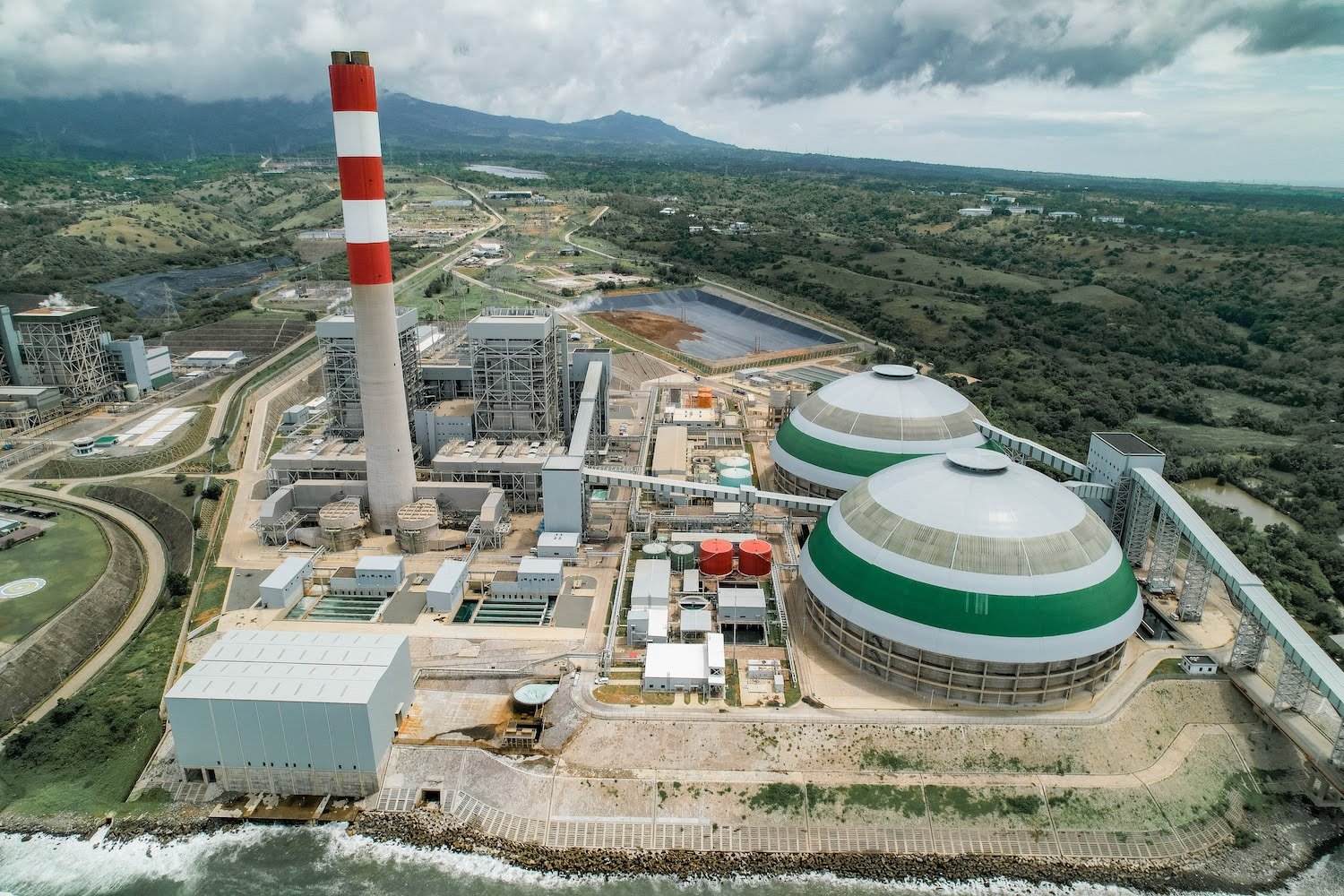
Davao Light attributed the January rate hike largely to higher generation costs that are passed on to consumers. The utility said prices at the Wholesale Electricity Spot Market (WESM) rose sharply in December 2025 due to several power plant outages, pushing supply costs upward.
The company also pointed to the implementation of the Green Energy Auction Allowance (GEA-All), a new government charge approved by the Energy Regulatory Commission (ERC) on December 26, 2025, as a contributing factor.
Davao Light spokesperson Fermin Edillon said the increase consists mainly of pass-through charges, particularly on generation, which fluctuate depending on market conditions. “Kini man gud, pass on charges kining generation man gud mao ni naga saka naog kay daghan factors ang gina-consider,” Edillon said. (“These are pass-through charges, particularly on generation, which go up and down because many factors are considered.”)
He added that the higher rate is expected to ease in the coming month. “Ang kining rate, temporary lang ni siya. Muubos na ni siya sa February mobalik na online ang mga planta nga naay maintenance work niadtong December,” Edillon said. (“This rate is only temporary. It should go down in February when the plants that were under maintenance in December come back online.”)
Holiday Consumption
Several consumers have complained that their electricity bills nearly doubled in January compared with the previous billing period. Davao Light said consumption levels, not just the rate increase, should be taken into account.
Edillon noted that January bills reflect electricity usage in December, when households typically spend more time at home due to the holidays.
“Daghan og holidays meaning naa ka sa imong balay. Kung naa kay aircon, mosaka pud ang oras sa paggamit,” he said. (“There were many holidays, meaning you’re at home more. If you have an air conditioner, the hours of use also increase.”)
Demand For More Transparency
The Davao Consumer Movement said in a statement that while WESM prices and government charges may explain part of the increase, they do not fully address consumer concerns. The group questioned whether Davao Light’s expansion into Davao del Norte and Davao de Oro may also be contributing to higher rates.
DCM also recalled assurances made during congressional and Senate hearings on Republic Act 12144, where Davao Light pledged to keep electricity rates low despite its expansion. The group called on the utility to be more transparent and accountable, stressing that power rates should not become another source of anxiety for already burdened households.
Source:
https://www.sunstar.com.ph/davao/wegotmail-davao-lights-rate-increase-burdens-consumers