
Table of Contents
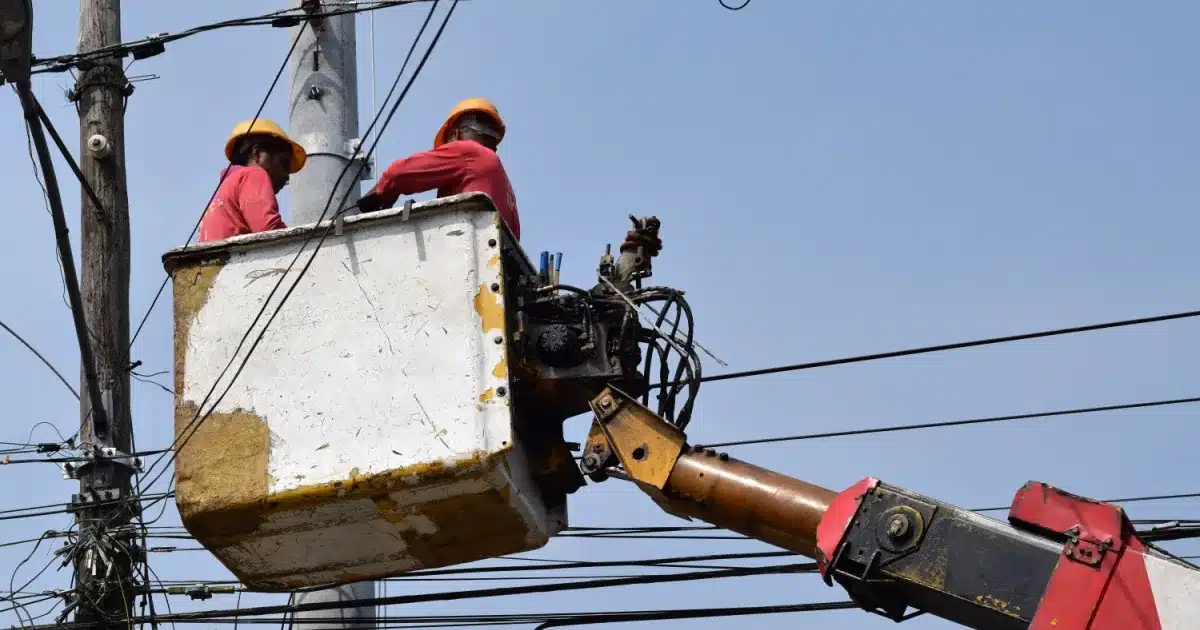
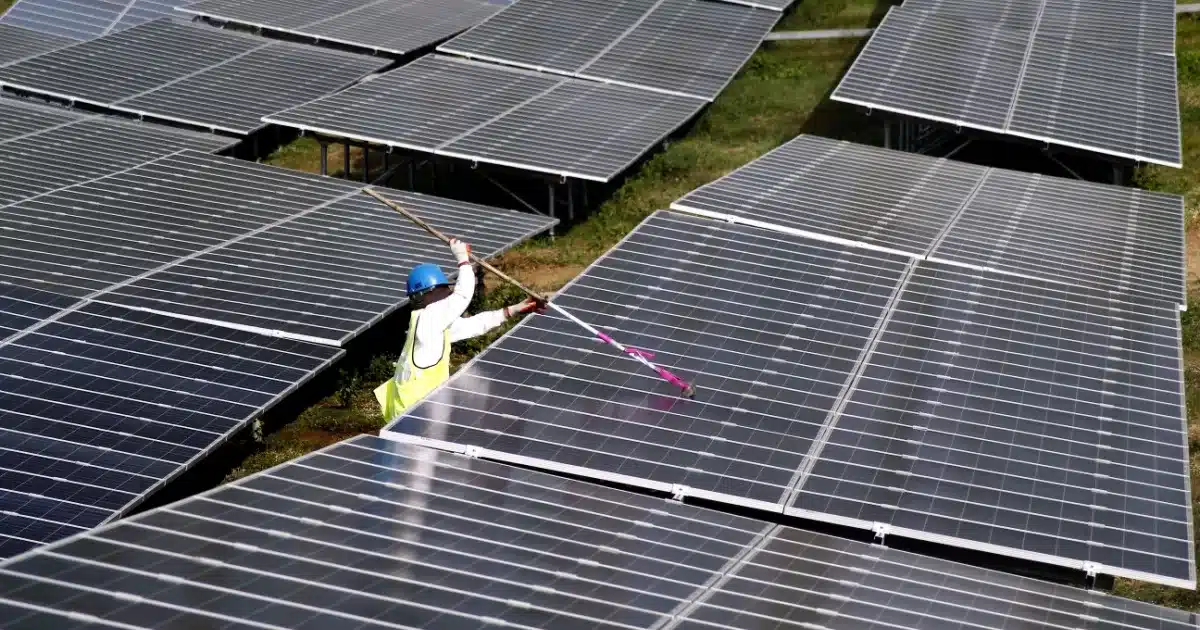
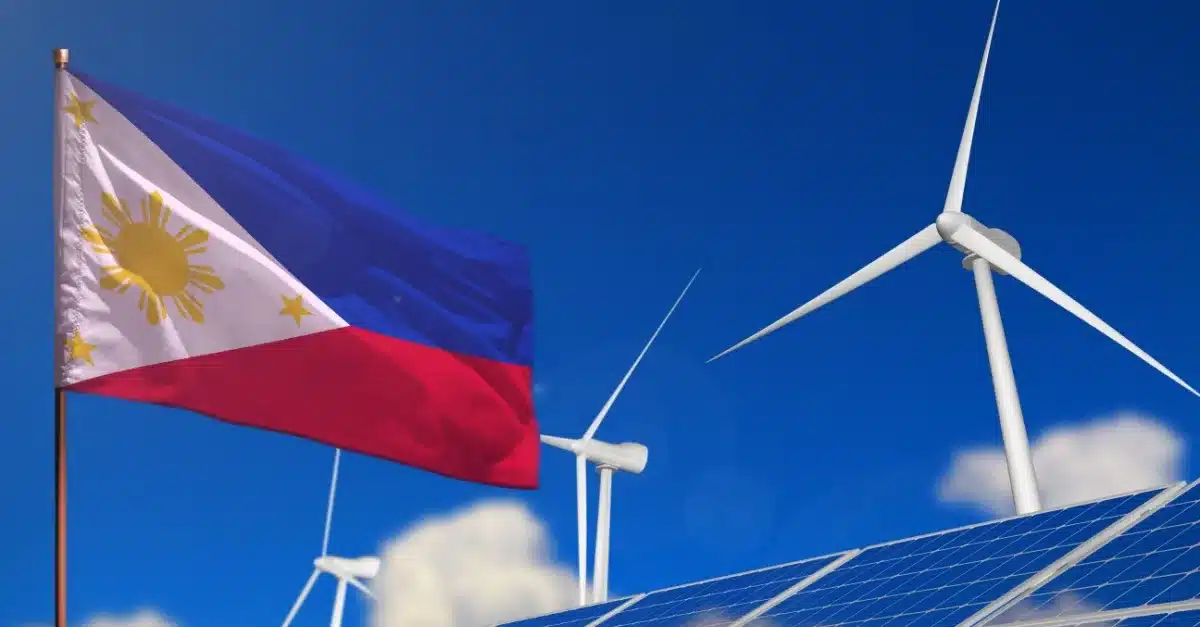
The Philippines’ renewable energy (RE) sector is facing a critical shake-up as the Department of Energy (DOE) revoked 84 service contracts this year, citing widespread noncompliance by developers. The terminations, covering a total potential capacity of 5,372.209 megawatts (MW), reflect the government’s intensified effort to ensure that renewable projects deliver on their promises and contribute meaningfully to the country’s clean energy goals.
Energy Secretary Sharon Garin underscored the need for accountability in renewable development. “Renewable energy development must be fast, but it must also be accountable. The DOE will not compromise on contract discipline,” she said. “Service contracts are performance commitments, and renewable energy projects must deliver real, reliable power for Filipino consumers.”
(Also read: CUMC Becomes First Mindanao Hospital Fully Powered by Renewable Energy)
Enforcing Compliance in RE Development
The DOE attributed the contract revocations to a comprehensive technical and legal review, which revealed that developers had failed to meet critical contractual obligations. Common violations included failure to execute work programs, disregard of terms under the Green Energy Auction Program (GEAP), and non-adherence to established DOE standards.
The latest terminations bring the total number of RE contracts scrapped in 2025 to 84, with 43 additional projects already under scrutiny and potentially facing similar enforcement actions. In 2024, the DOE terminated at least 105 contracts, signaling a consistent crackdown on underperforming or stalled projects.
The department emphasized that service contracts are performance-based commitments. By enforcing these rules, the DOE aims to clear the development pipeline of noncompliant projects, making way for capable developers who can deliver reliable power to the grid. Those found violating contracts could face further sanctions, including blacklisting and forfeiture of performance bonds.
Facing significant gaps in projected capacity, the DOE stated it is “actively revisiting supply-demand scenarios and undertaking further system planning to determine appropriate next steps toward meeting established generation targets.”
(Also read: Mindanao Courts Global Capital for Clean Energy and Digital Growth)
Balancing Accountability with Growth Potential
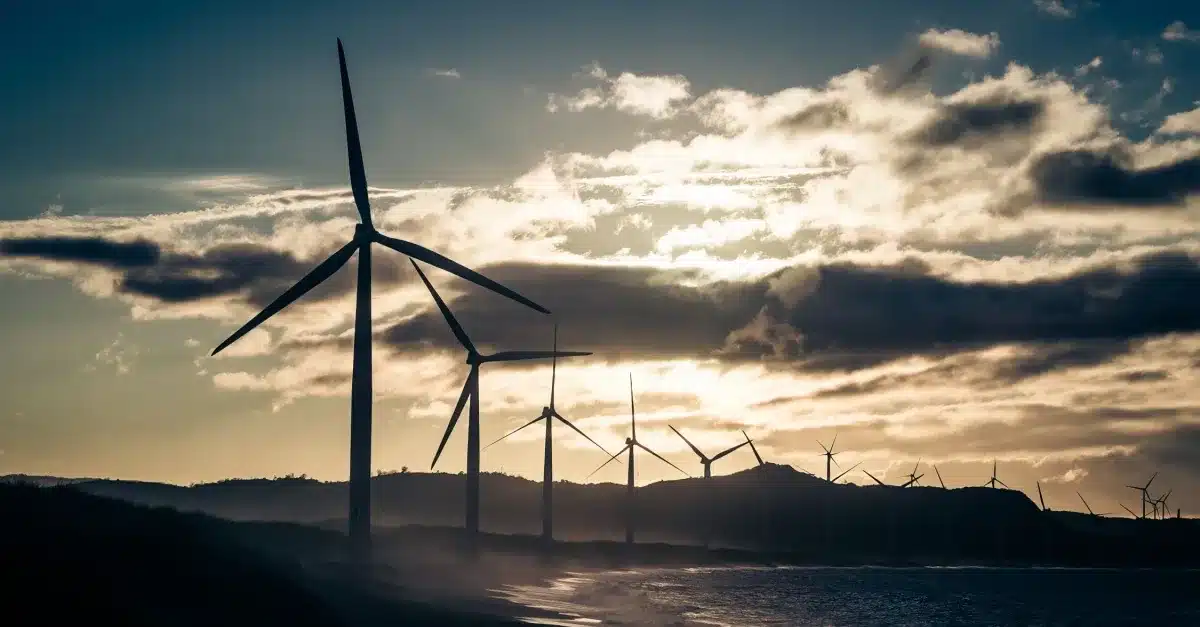
Despite the recent terminations, the Philippines remains a key driver of Southeast Asia’s RE growth. According to the International Energy Agency (IEA), the Philippines is set to expand its RE capacity by about 15 gigawatts by 2030, with onshore wind and solar expected to account for nearly 90 percent of the growth.
Through the fourth Green Energy Auction (GEA-4), the DOE secured commitments for more than 9,400 MW of renewable capacity, with projects scheduled for completion between 2026 and 2029. These projects include ground-mounted and roof-mounted solar, floating solar, onshore wind, and hybrid solar-energy storage systems. The previous GEA-3 round successfully secured over 6,000 MW in hydro, pumped storage hydro, and geothermal contracts.
The IEA report highlighted that overcoming obstacles like grid delays, costly financing, land access issues, and permitting hurdles could boost RE growth by up to 90 percent, potentially enabling the Philippines to surpass its 35 percent clean energy target by 2030.
Currently, renewable sources make up 22 percent of the nation’s energy mix, while coal continues to dominate at about 63 percent.
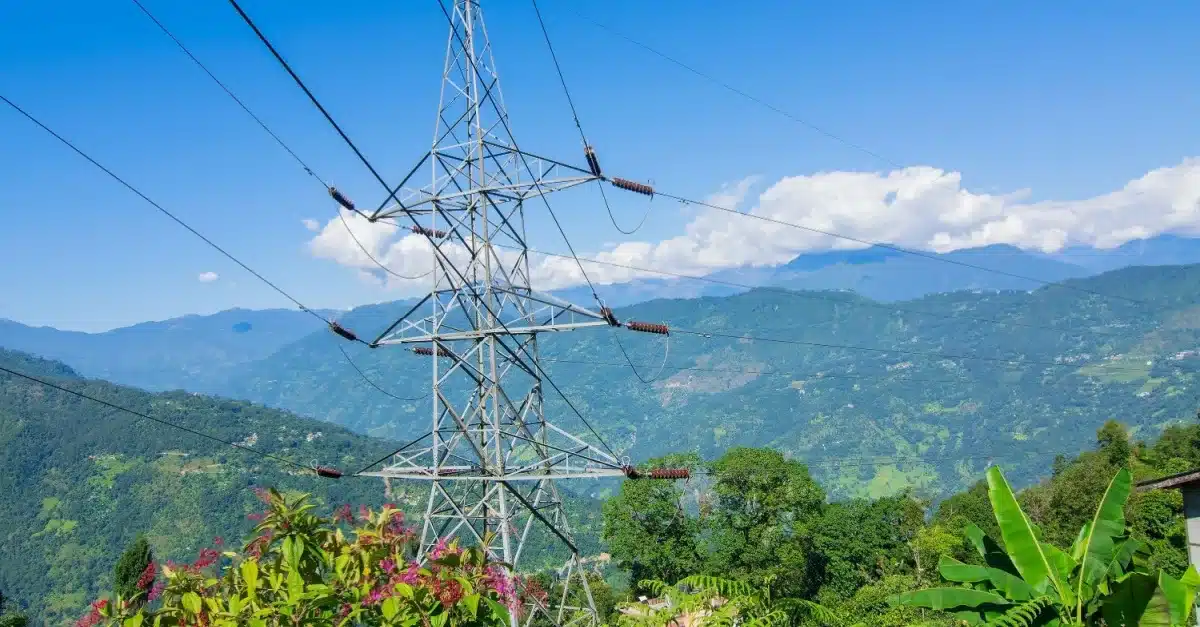
To facilitate timely project delivery, the DOE is considering permitting power producers to build related power transmission infrastructure, a measure aimed at overcoming grid limitations and enabling smoother integration of new renewable capacity.
Over the next five years, the ASEAN region is set to contribute more than 95 GW of new clean energy capacity, with solar photovoltaic projects representing more than half of the additions. Vietnam drives the growth, contributing over 40 percent of the new capacity, with Indonesia contributing 20 percent.
The DOE’s firm stance on contract compliance signals a turning point for the Philippines’ RE sector. While enforcement actions have temporarily reduced projected capacity, they are designed to strengthen the sector by ensuring that only developers who can deliver on commitments move forward. By combining rigorous oversight with ambitious development targets, the country aims to accelerate its transition toward a cleaner, more reliable, and sustainable energy future.
This dual approach — prioritizing accountability while fostering growth — may ultimately enhance investor confidence and help the Philippines secure its position as a leading RE hub in Southeast Asia.
Sources:
https://business.inquirer.net/566132/84-renewable-energy-deals-revoked-in-2025