Table of Contents
Repower Energy Development Corp. (REDC) is accelerating its role in Mindanao’s clean energy transition, anchoring its expansion strategy on hydropower assets that combine scale, reliability, and long-term regional impact. The company’s recent acquisition and groundbreaking of a P6.3-billion hydropower project in Bukidnon signals not only confidence in renewable energy (RE), but also a sustained commitment to supporting Mindanao’s growing power needs through indigenous resources.
At the center of this momentum is REDC’s purchase of a 95-percent equity stake in Maramag Hydropower Corp. (MHC), which developed the 25-megawatt (MW) Pulangi IV Hydropower Project. The transaction involved the acquisition of more than 32 million common shares, consolidating REDC’s control of the project and strengthening its footprint along the Pulangi River system, one of Mindanao’s most vital RE corridors.
“Our acquisition of MHC’s Pulangi project marks our second investment in the area and a significant step in REDC’s mission to expand clean, renewable, and indigenous hydropower for Mindanao,” REDC president Eric Roxas said.
(Also read: Tagum Businesses Eye Stronger Investment Climate With Davao Light’s Power Transition)
Anchoring Growth Along the Pulangi River
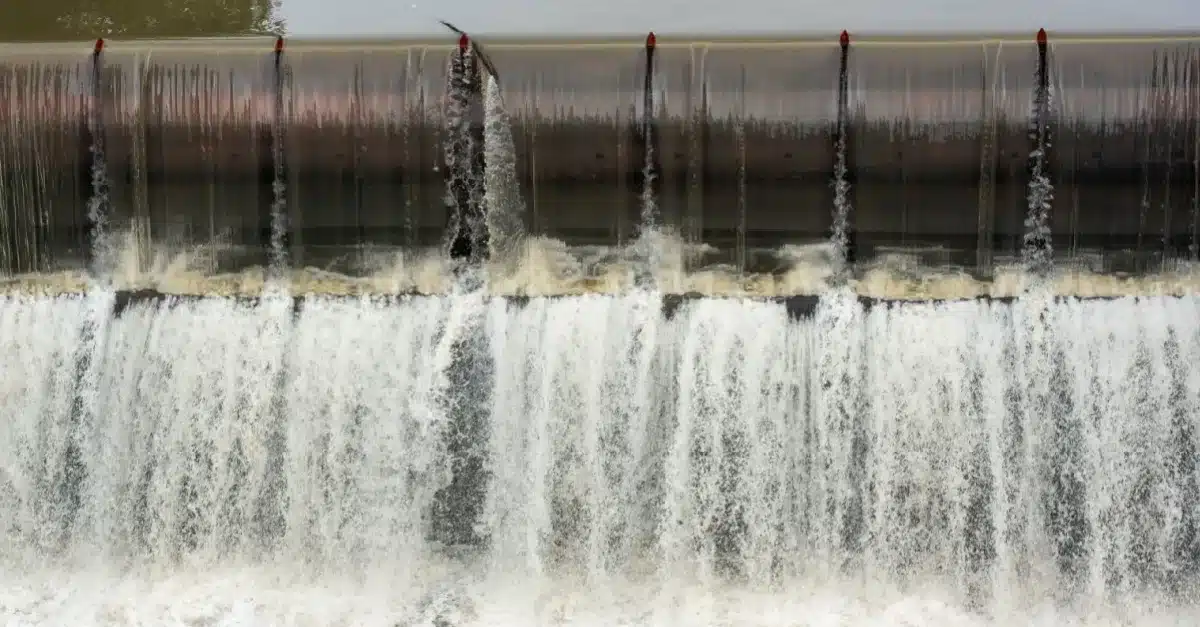
The Pulangi IV facility is designed as a run-of-river hydropower plant, tapping the downstream portion of the Pulangi River. This is the same river system that supports REDC’s recently commissioned 18.2-MW hydropower facility located between Valencia City and the municipality of San Fernando in Bukidnon. That upstream plant,developed through Cabanglasan Hydropower Corp., represents REDC’s first operating asset in Mindanao and itsninth hydropower facility nationwide.
With an investment of approximately P4 billion, the 18.2-MW plant is projected to generate around 130 gigawatt-hours of clean electricity each year. Once fully operational, it is expected to supply power to more than54,000 households, contributing to grid stability while reducing reliance on fossil fuels.
“Harnessing the Pulangi River’s potential through responsible hydropower development allows us to deliver dependable energy generation while creating meaningful opportunities for the communities of Bukidnon,” Roxas noted.
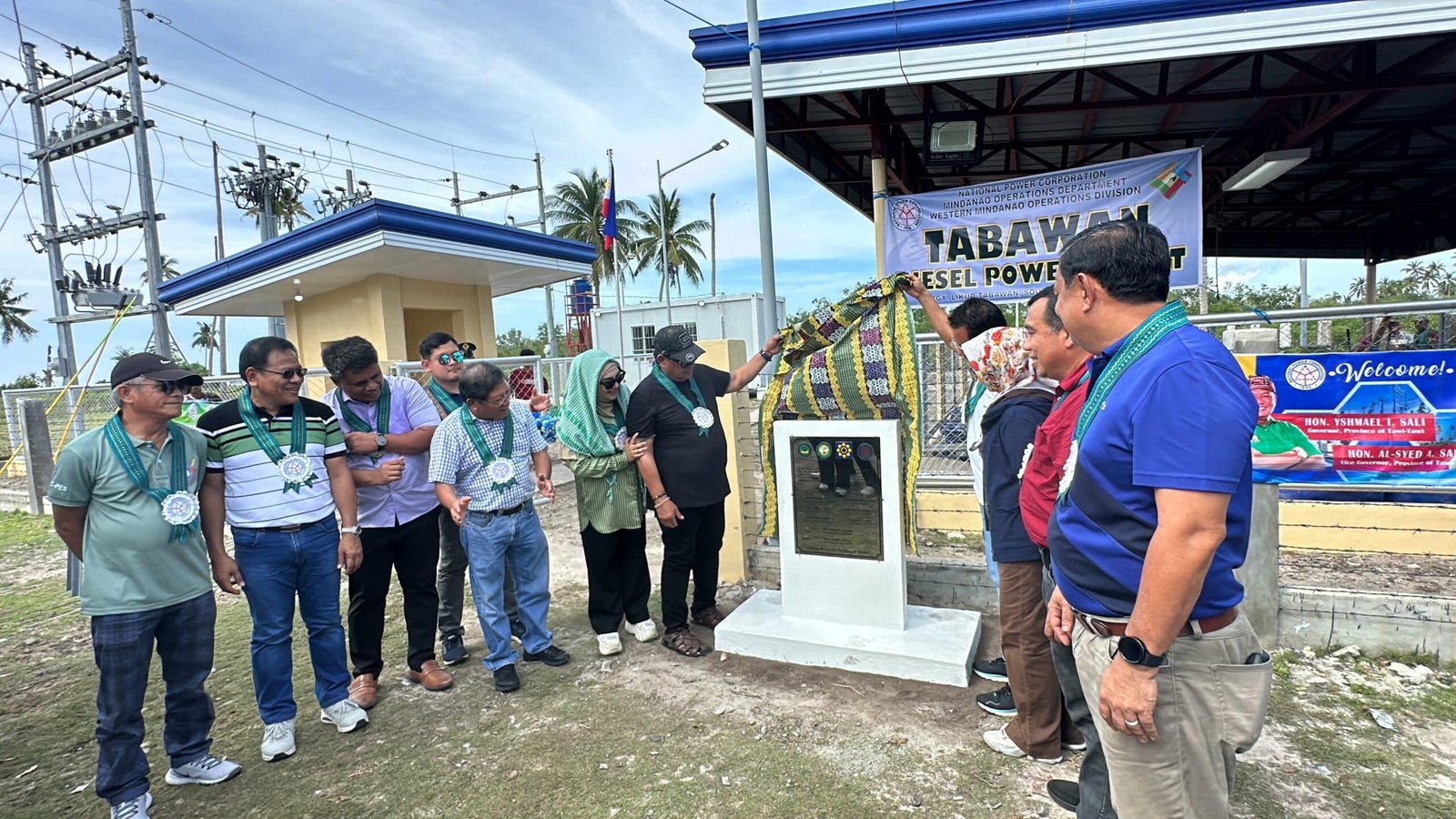
The Pulangi IV project builds on this foundation, positioning REDC to maximize operational synergies across adjacent facilities while expanding renewable capacity for the Mindanao grid. The company formallymarked the start of construction with a groundbreaking ceremony attended by senior government officials, energy sector leaders, and local stakeholders, underscoring the project’s national and regional importance.
“This groundbreaking represents the start of our second of several hydropower projects here, which will not only contribute clean and reliable energy to the Mindanao grid but also support long-term regional development in line with national energy goals,” Roxas explained.
(Also read: Discarded Solar Panels: The Hidden Threat to Our Planet)
Building a Broader Renewable Pipeline
Beyond Bukidnon, REDC is laying the groundwork for further growth across multiple provinces. The company is currently advancing the 4.5-MW Piapi hydropower project in Quezon Province, with commercial operations targeted for completion by the end of 2027. This project forms part of a broader pipeline that reflects REDC’s long-term view of hydropower as a reliable, scalable, and community-aligned energy solution.
In total, REDC has earmarked P10.3 billion to develop four additional hydropower facilities in the coming months. This investment plan reflects a dual strategy ofacquiring majority stakes in promising projects whilepursuing greenfield developments that can be integrated into its expanding portfolio.
REDC operates under Pure Energy Holdings Corporation. The company’s performance figures underscore the momentum behind this approach. For the nine months ending September, REDC posted a 42-percent year-on-year increase in net income to P167 million, while revenues climbed 33 percent to P526.7 million. Other disclosuresshowed even stronger growth, with net income more than doubling over the same period.
The Pulangi projects, in particular, highlight how hydropower investments can drive local development while contributing to national energy security. As Mindanao continues to experience rising electricity demand, projects that leverage indigenous resources such as rivers and watersheds are increasingly seen as critical to balancing growth, resilience, and sustainability.
Sources: