
Table of Contents
Mindanao is stepping into a more ambitious phase of its development journey as national and local leaders actively court high-impact investments in advanced energy systems and digital infrastructure.
Through a strategic engagement with South Korean engineering giant Hyundai Engineering and Construction, the Mindanao Development Authority (MinDA) and the provincial government of Davao del Norte are positioning the region as a competitive destination for future-ready industries that support both economic growth and sustainability.
The discussions, held during a recent Mindanao Investment Mission to Korea, focused on two critical pillars of modern development: data center infrastructure and small modular reactor (SMR) technologies. These sectors are central to strengthening energy security, supporting digitalization, and ensuring Mindanao’s long-term competitiveness within the national and regional economy.
“This initiative is consistent with President Ferdinand R. Marcos Jr.’s directive to accelerate investments in energy security and digital infrastructure, ensuring that Mindanao contributes to national development goals,” MinDA Chairperson Secretary Leo Tereso Magno noted. He underscored that Mindanao’s improving peace and security situation, especially in areas within the Bangsamoro region, has created a more attractive environment for large-scale, technology-driven investments.
(Also read: Consumers Demand Faster Davao Light Expansion)
Hyundai engagement signals investor confidence
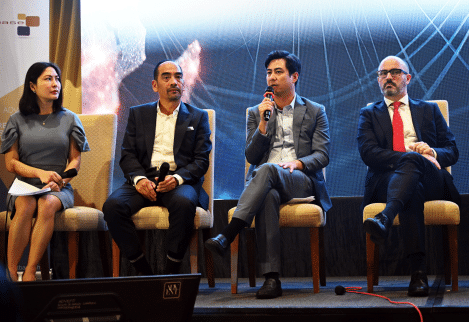
The visit to Hyundai’s facilities in Yeouido-dong brought together key decision-makers from both sides. Davao del Norte Governor Edwin Jubahib joined the MinDA delegation in meetings with Hyundai executives, including senior managers overseeing the firm’s SMR and global data center businesses. The engagement included briefings and facility tours that showcased Hyundai’s expertise in advanced construction, nuclear technologies, and digital infrastructure development.
For Mindanao officials, the discussions went beyond exploratory talks. They were an opportunity to present the region’s economic momentum, expanding infrastructure base, and growing integration into global value chains. Governor Jubahib highlighted the Davao Region’s steady growth and its ability to attract international locators, noting that Mindanao is no longer on the periphery of economic activity but increasingly part of global production and services networks.
“If Hyundai explores potential sites for a data center and small modular reactor (SMR) in the Davao Region, we stand ready to collaborate—working closely with national regulators, local communities, and other stakeholders—to ensure your projects are viable, compliant, and broadly supported,” Gov. Jubahib stated.
Hyundai’s ongoing expansion across Asia has placed the Philippines on its radar as a potential next destination. MinDA officials said Mindanao’s strategic positioning, combined with a supportive investment climate, strengthens its case as a hub for advanced industries that require stable power, skilled labor, and long-term policy support.
(Also read: Southeast Asia Races Toward Solar-Wind Integration, Yet Hard Realities Remain)
Powering the energy transition and digital future
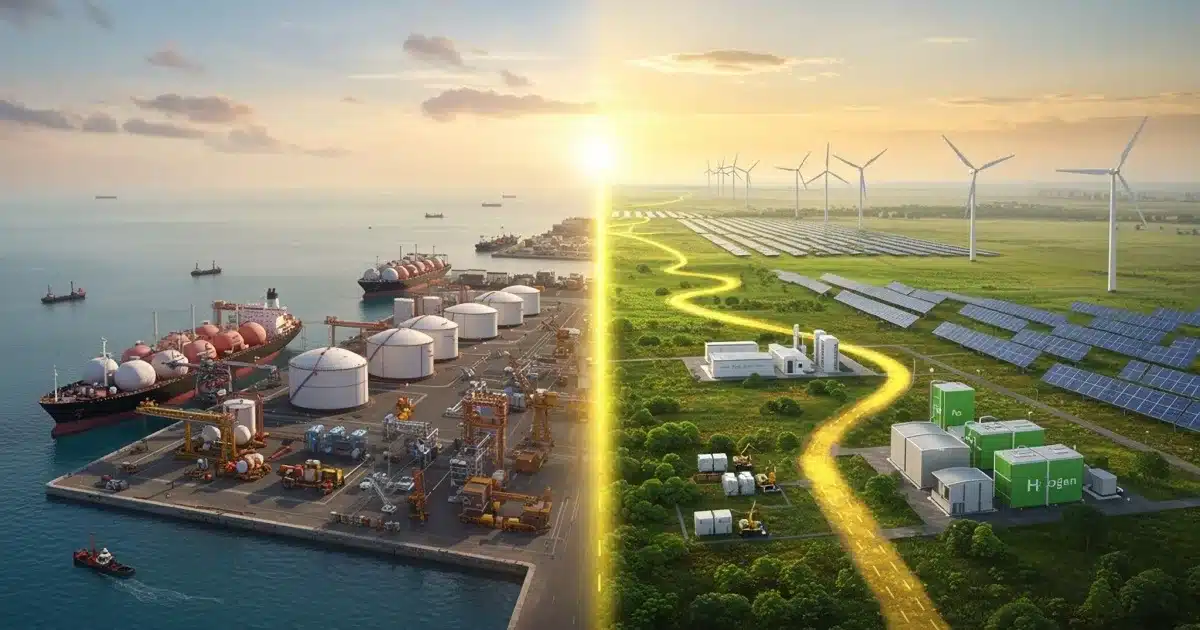
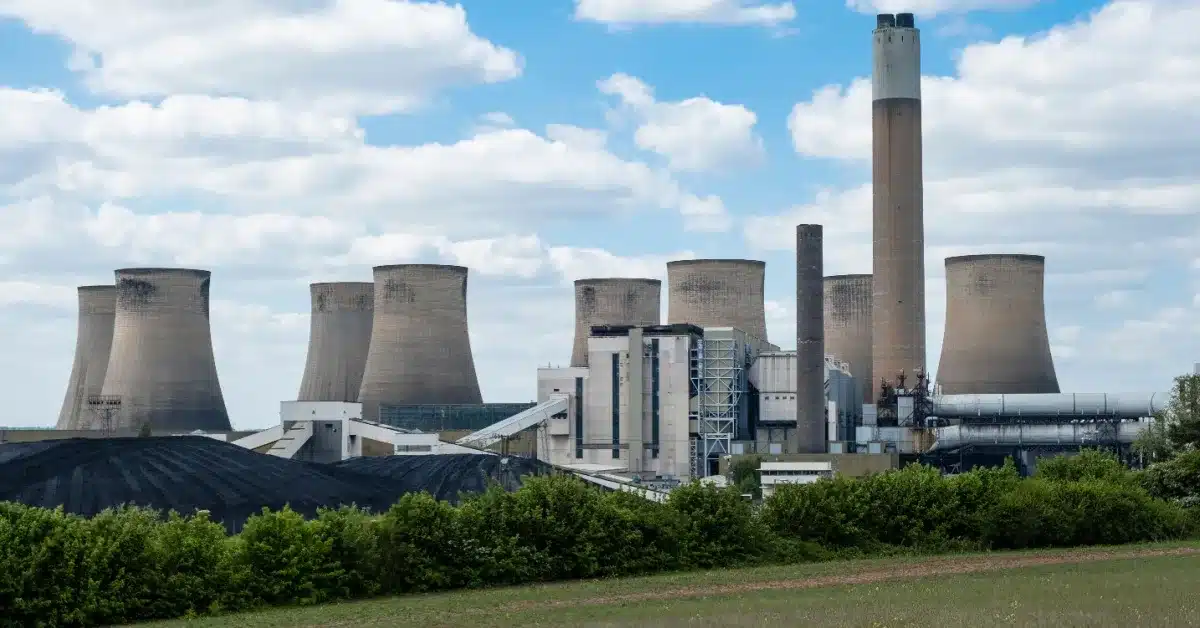
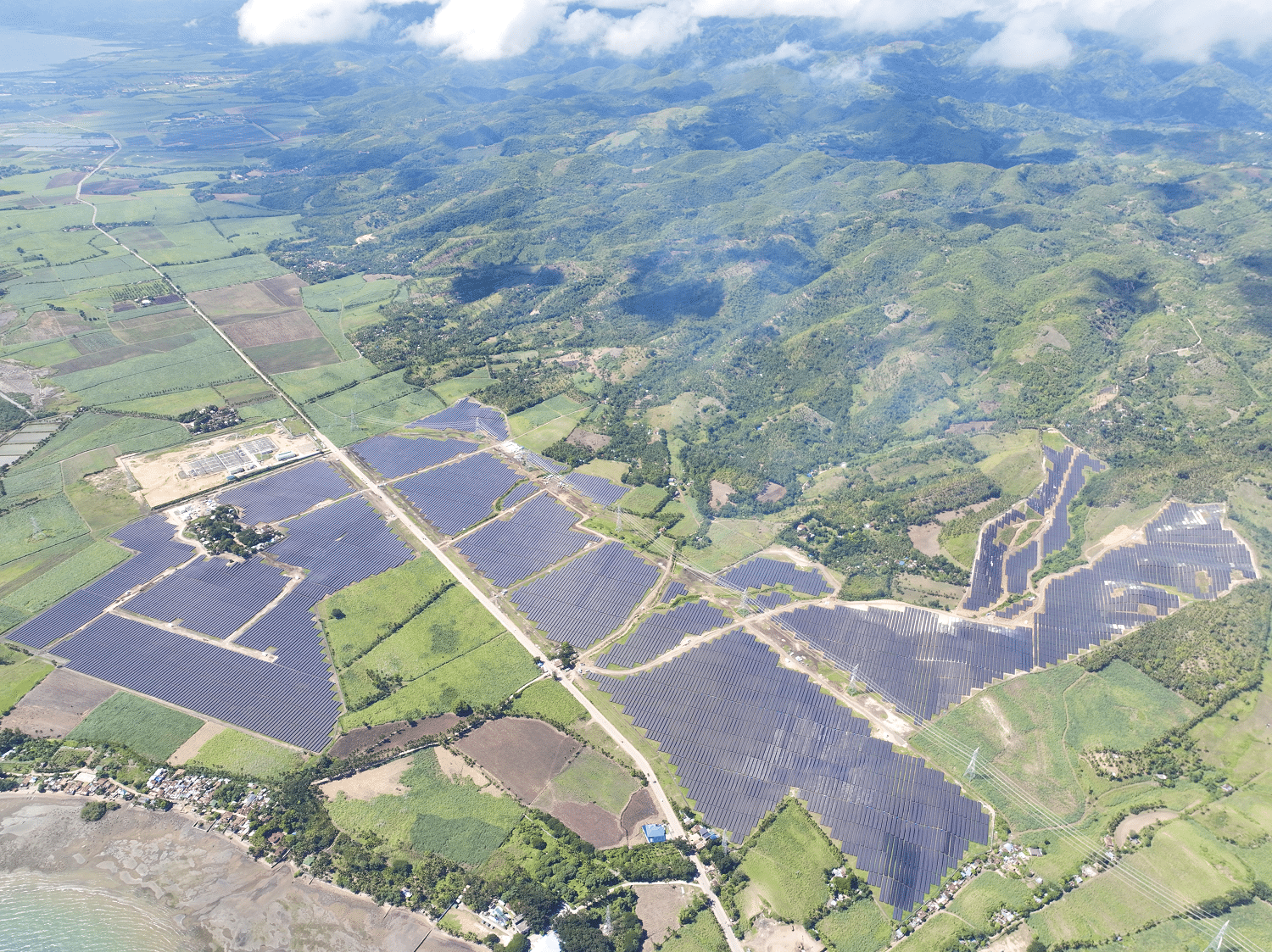
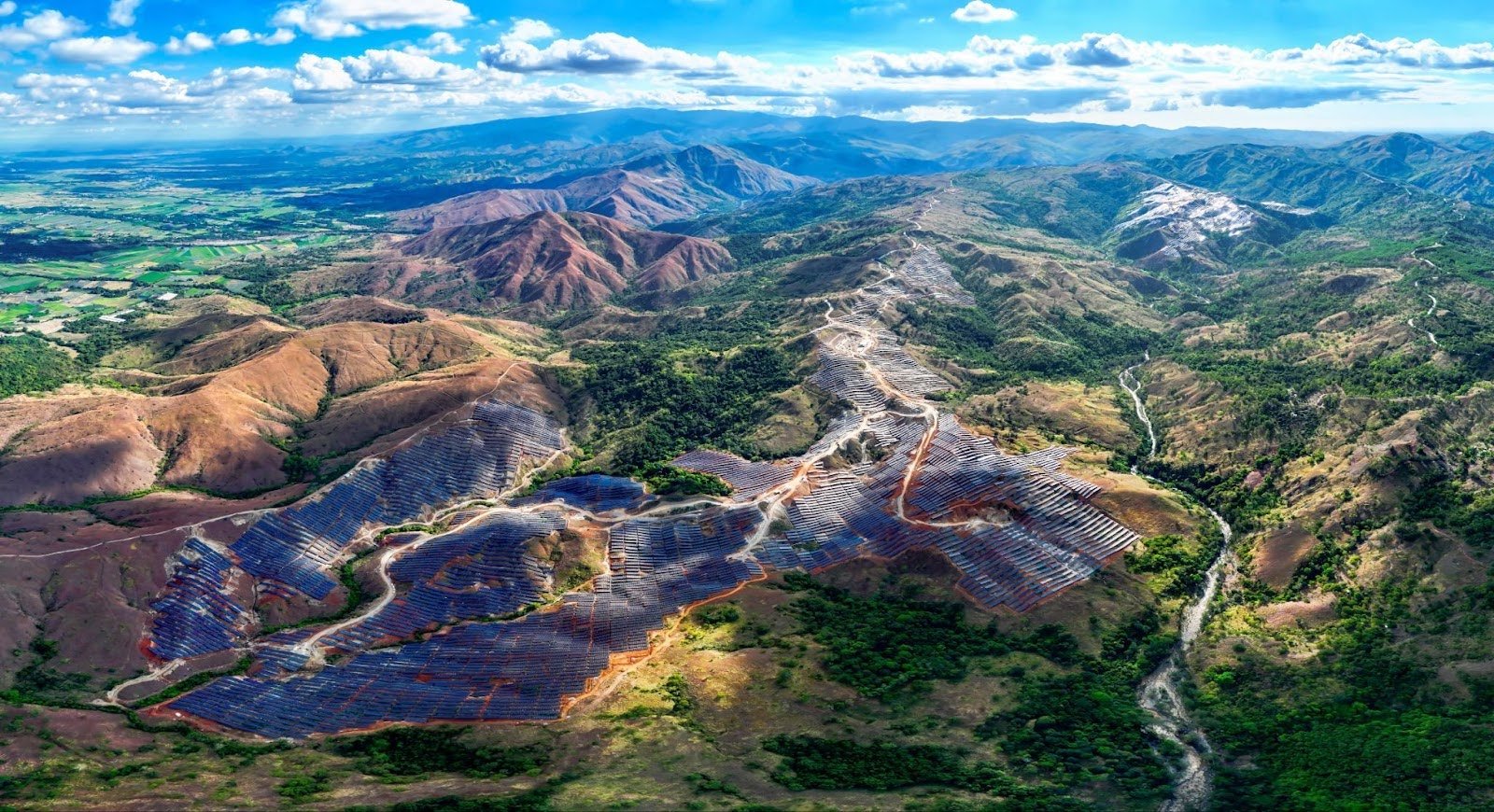
At the heart of the discussions is Mindanao’s energy transition strategy, which targets a balanced 50:50 mix between renewable and conventional energy sources. While the island has significant renewable capacity from hydro and solar, officials acknowledge the need for stable baseload power to support economic expansion and digital infrastructure such as data centers.
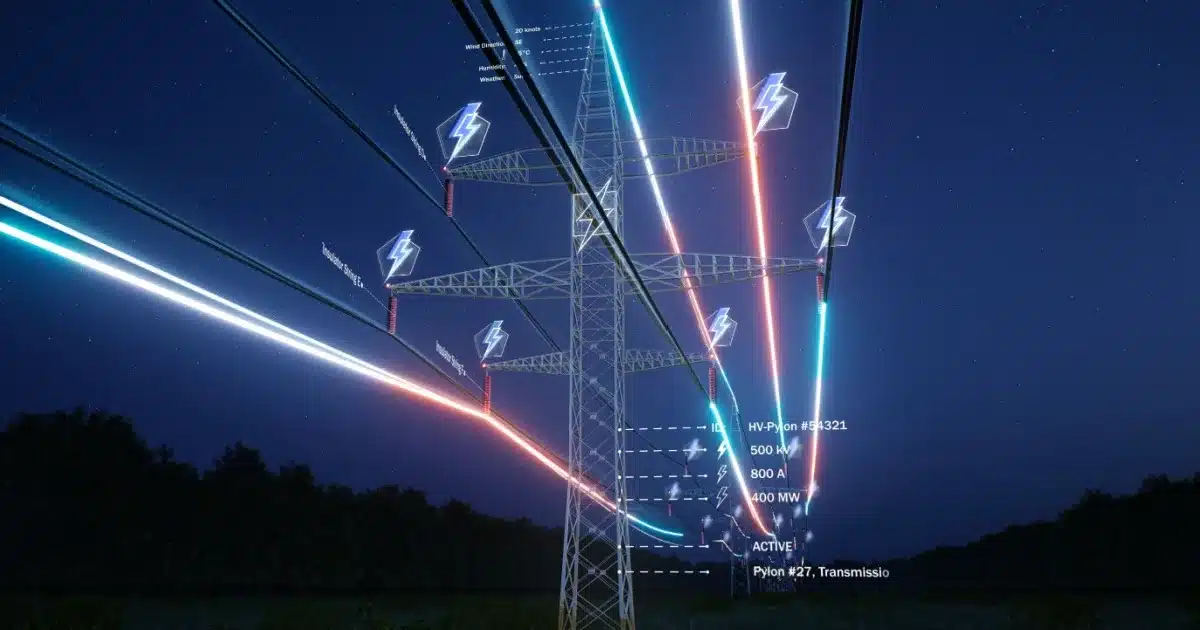
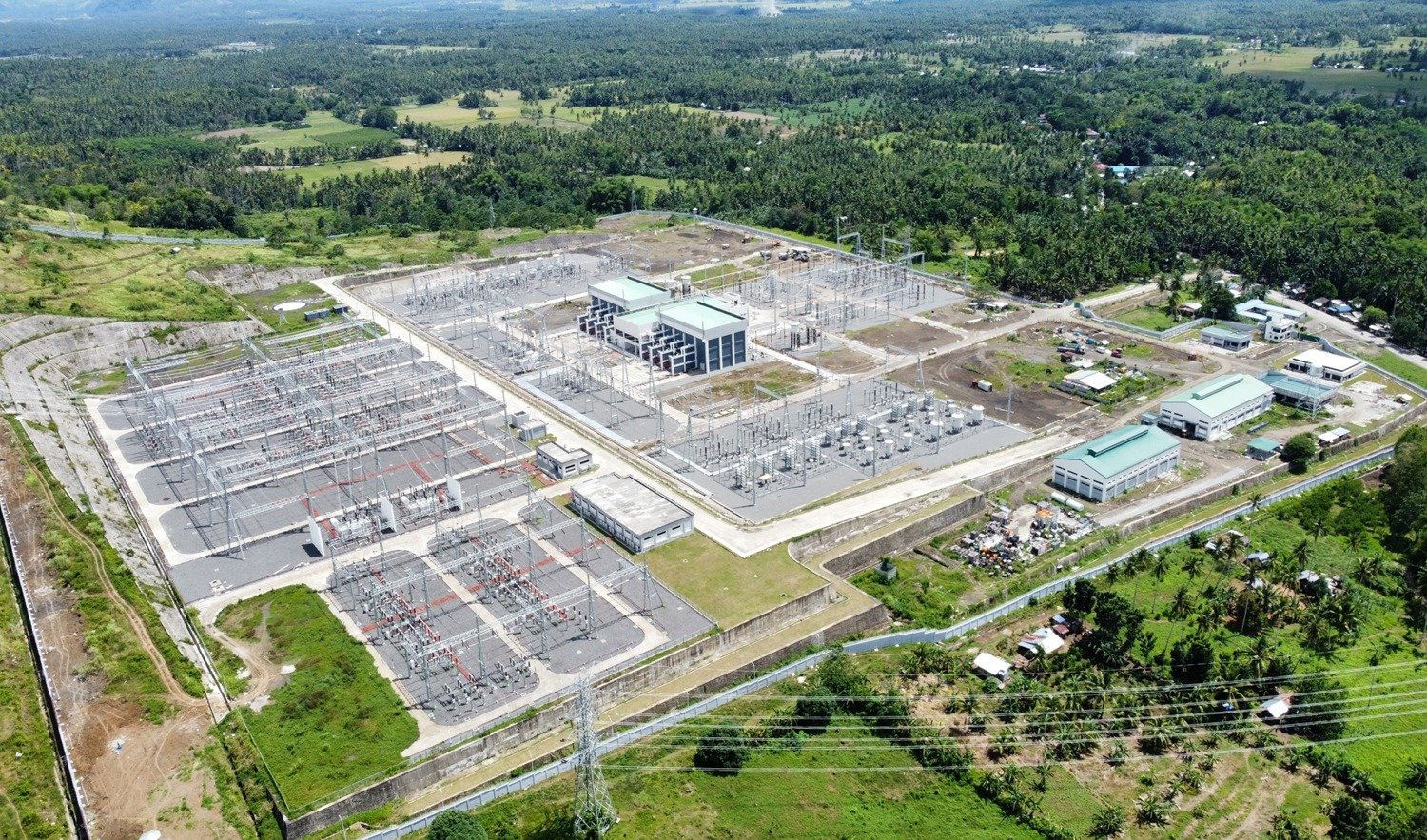
Small modular reactors are being explored as a possible solution. As compact, low-carbon power systems, SMRs offer the potential to provide reliable electricity while complementing intermittent renewable sources. By reducing dependence on imported fossil fuels, SMRs could also help stabilize power costs and enhance energy security over the long term.
Secretary Magno said the engagement with Hyundai reflects the broader policy direction of the Marcos administration to attract technology-driven investments that generate jobs, strengthen regional competitiveness, and support inclusive growth. By aligning national priorities with regional capabilities, Mindanao aims to play a more prominent role in achieving the country’s development goals.
For MinDA, the Korea mission reinforces its mandate to promote sustainable and high-impact investments while projecting Mindanao as a forward-looking and globally connected region. Continued engagement with international partners will be critical as the region works to transform its energy landscape and secure its place in the next wave of economic growth.
Sources:
https://www.pna.gov.ph/articles/1265230
https://www.sunstar.com.ph/davao/business/minda-davnor-eye-data-center-energy-investments