Table of Contents
The year 2026 has brought a stark awakening for the global energy sector. The outbreak of the Iran War on February 28, 2026, has fundamentally destabilized the Middle East, sending shockwaves through a global economy that remains precariously balanced between its traditional energy foundations and a long-term transition to renewables.
For an import-dependent nation like the Philippines, the conflict is a vivid demonstration of how geopolitical volatility in one corner of the world can dictate the price of electricity and basic goods thousands of miles away.
The Spark: Geopolitical Escalation and the Strait of Hormuz
The conflict was ignited by a series of precision military strikes by U.S. and Israeli forces targeting Iranian strategic infrastructure. In a swift countermove, Tehran initiated a partial blockade of the Strait of Hormuz—the world’s most critical maritime chokepoint.
The Strait of Hormuz facilitates the transit of roughly 20 million barrels of oil daily, representing nearly 20% of global consumption. By March 1, the deployment of naval mines and drone swarms effectively halted commercial traffic. Two days later, an estimated 150 tankers were reported stranded or anchored outside the Gulf of Oman, refusing to enter the Strait without government-backed insurance or naval escorts. Major shipping lines announced a total suspension of transits through the area.
The immediate result was a historic surge in prices; international Brent crude spiked near $120 per barrel, marking a level of volatility not seen in years.
Global Energy Market: The Tension Between Transition and Reality
The Iran War has underscored a persistent global dilemma: while the transition to low-carbon energy is accelerating, the world’s immediate industrial and economic stability still rests heavily on fossil fuels.
The financial fallout has been most visible in the violent volatility of natural gas markets, specifically within the Liquefied Natural Gas (LNG) sector. Within the first week of March 2026, European benchmark gas prices, measured by the Dutch TTF, skyrocketed by 67%. This represented the largest weekly gain since the 2022 energy crisis, and by March 9, prices had effectively doubled from their pre-war levels recorded on February 27.
The National Institute of Economic and Social Research (NIESR) warns that a prolonged conflict could shave 0.2% off economic growth across the UK and the Eurozone this year. For the UK specifically, this disruption would likely drag GDP growth down to 0.9%, falling short of the 1.1% initially projected by the Office for Budget Responsibility.
This sudden removal of a massive supply pillar sent shockwaves through the Japan-Korea-Marker, pushing Asian gas benchmarks to one-year highs as buyers scrambled for “flexible” cargoes to replace lost Qatari volumes.
The disruption is particularly critical for India, which derives a staggering 58% of its power-sector inputs from Middle Eastern sources, leaving its national grid highly susceptible to supply shocks. Similarly, Singapore remains exposed, with 27% of its energy requirements tied to the region, while China still relies on the Middle East for 26.6% of its energy imports.
Other Asia-Pacific nations maintain a collective dependency of approximately37%, with Japan, India, and Malaysia positioned among the most at-risk economies in the region.
As a result, international coal prices have climbed toward $140 per ton, hovering near their highest levels since November 2024. With many Asian economies heavily reliant on Qatari LNG, the region may be forced to ramp up coal-fired power generation if the current disruptions persist. Beyond power generation, coal resources are also gaining renewed strategic importance for China. The country is increasingly utilizing coal both as a critical energy buffer against external shocks and as a key feedstock for its massive chemical industry.
The repercussions of the Iran War extend well beyond electricity, striking the core of global industry and agriculture. Since natural gas drives roughly 80% of the cost for urea and ammonia, the recent price surges threaten to reduce global yields for staples like rice and wheat just as the 2026 planting season begins.
Economists warn that the Iran War is triggering a “contagion effect” where skyrocketing energy prices bleed into every sector of the global economy. The International Monetary Fund (IMF) estimates that a sustained 10% increase in energy costs typically pushes global inflation up by 40 basis points.
(Also read: Scientists Identify Breakthrough Potential For Ocean Renewable Energy In Southern Philippine Sea)
The Philippines: Facing an Immediate Energy Squeeze
The Philippines is particularly vulnerable to these shifts, as it imports approximately 98% of its crude oil requirements, much of it from the Middle East.
By March 10, 2026, Filipino motorists faced the single largest weekly fuel price hike in the country’s history. Diesel prices are projected to rise by as much as P24.25 from P17.50 per liter, while kerosene, a fuel vital for many rural households, could jump by P38.50 from P32.00 per liter. To ease the impact on consumers, the Department of Energy (DOE) is coordinating with oil companies to implement these increases on a staggered basis throughout the week.
Additionally, the DOE has mobilized a multi-agency task force, including the Philippine National Police (PNP), local government units, and the Department of Information and Communications Technology (DICT), to monitor gas stations nationwide. This aims to enforce a staggered rollout of fuel price hikes, ensuring that retailers do not implement the full increase all at once.
“We are trying to police this. The problem is we have 14,000 gas stations. Half of that are independent,” Garin explained. “So the ones with the big companies are easier to direct, but the independent ones, we had to go gas station to gas station.”
Garin also assured the public that the Philippines maintains sufficient fuel stocks to last through the end of April, with forward orders already arriving to replenish current reserves. Because of this, the DOE sees no immediate need for fuel rationing. Garin noted that if the regional conflict concludes within a four-week timeline, the country’s energy situation will remain in a good state.
Electricity rates could surge by as much as 16% if oil prices continue to climb due to the conflict. Garin stated that any sustained increase in petroleum prices will directly result in higher electricity rates.
“If petroleum products increase, power will also increase, not by the same rate, probably, but it will increase,” she said.
Power stability for 1.2 million Filipino households in off-grid and island communities is also threatened. Because 99% of the National Power Corporation’s (NPC) 79 Small Power Utilities Group (SPUG) plants run on diesel, these areas are uniquely vulnerable to price volatility and supply chain disruptions. With the Philippines importing over 73% of its diesel, even minor shifts in global markets can lead to severe operational challenges for isolated grids.
Matthew Carpio of Climate Smart Ventures warns that a prolonged crisis could rapidly deplete the Universal Charge for Missionary Electrification (UCME) fund, which subsidizes fuel for these remote areas. “This, in turn, could lead to an increase in UCME Rates being collected from all on-grid electricity consumers. Similar to what happened during the 2022 Ukraine-Russia crisis, a prolonged conflict can also lead to 8- to 16-hour blackouts in some off-grid areas if fuel subsidies and diesel stocks are depleted,” he explained.
Crisis Management: The Philippine Government’s Response
The Philippine government has mobilized a multi-agency strategy to stabilize domestic fuel prices and ensure energy security amid the escalating Middle East conflict.
Reducing Middle Eastern oil reliance
To mitigate the risks of a worst-case scenario, the DOE is urging oil companies to diversify their supply chains and reduce reliance on Middle Eastern crude. Garin emphasized that by securing alternative contracts now, the Philippines aims to create an inventory buffer that protects domestic prices from extreme volatility if regional shipments are paralyzed.
Oil Industry Management Bureau Director Rino Abad identified the US, Canada, and emerging markets in South America and Africa as primary targets for these non-traditional sourcing efforts. Although shifting logistics to these distant regions is currently viewed as a bridge measure, the DOE considers it a critical strategic pivot. Strengthening ties with Western and Atlantic producers would provide a vital buffer, ensuring that the Philippine economy remains functional even if traditional Persian Gulf routes face long-term disruptions.
Policy shifts
The government is evaluating several fiscal interventions to buffer the economy against rising energy costs. Department of Finance (DOF) Undersecretary Karlo Fermin S. Adriano noted that suspending or entirely scrapping fuel excise taxes could result in a P136 billion revenue loss for the state between May and December 2026.
A fuel excise tax is a fixed, “per-unit” charge imposed by the government on petroleum products at the point of production or importation. Unlike the 12% Value-Added Tax (VAT), which is a percentage of the final selling price, the excise tax remains a constant peso amount regardless of how high or low global oil prices fluctuate.
Despite the potential impact on the national budget, proposals to temporarily cut these levies are gaining momentum in Congress. Lawmakers are looking to revive the logic of a 2017 provision that allowed for the automatic suspension of excise duties when global crude prices remained above $80 per barrel for three consecutive months—a mechanism that expired in 2020 but is being reconsidered as a vital emergency tool for the current crisis.
The provision was designed as a safety valve to protect consumers from high inflation. Senator Bam Aquino is credited with pushing for this specific safeguard during the Senate deliberations to ensure the poor and middle class were shielded from global oil shocks.
“This suspension will help reduce the burden of the anticipated increase in oil prices due to the conflict in the Middle East,” Aquino recently declared.
He also argued that suspending these levies would provide immediate relief to the transport sector, specifically for jeepney, bus, and delivery drivers.
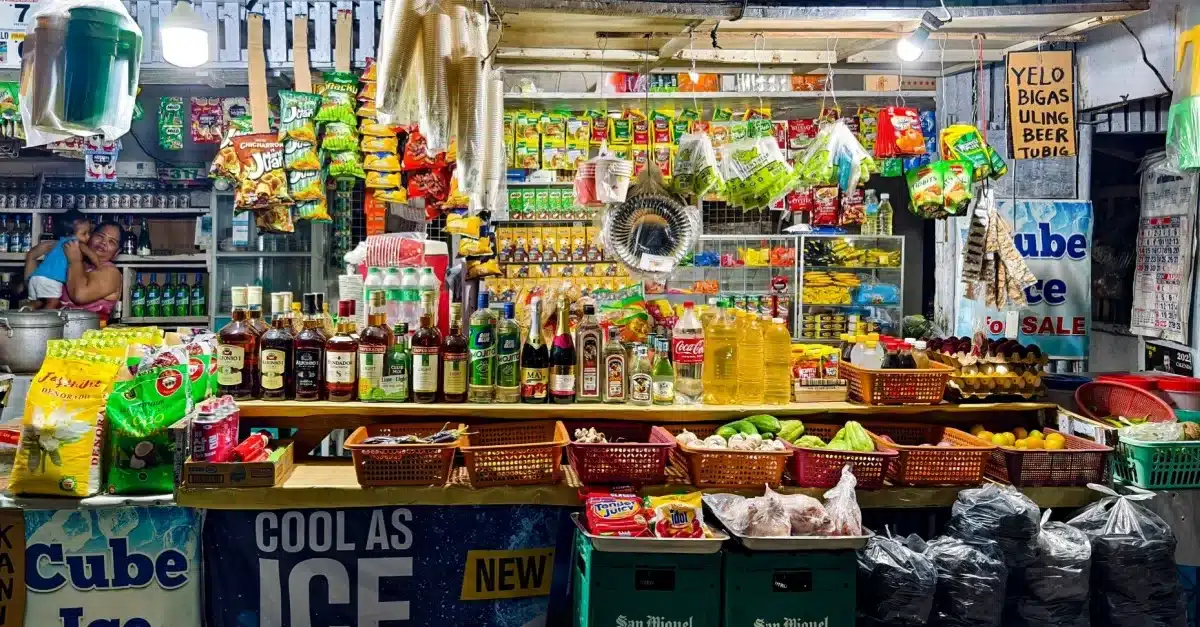
Beyond transportation, the measure would lower household expenses for cooking and lighting in impoverished or off-grid areas. By reducing logistics costs for small businesses, the suspension aims to stabilize the prices of basic commodities against persistent inflationary pressures.
Energy conservation
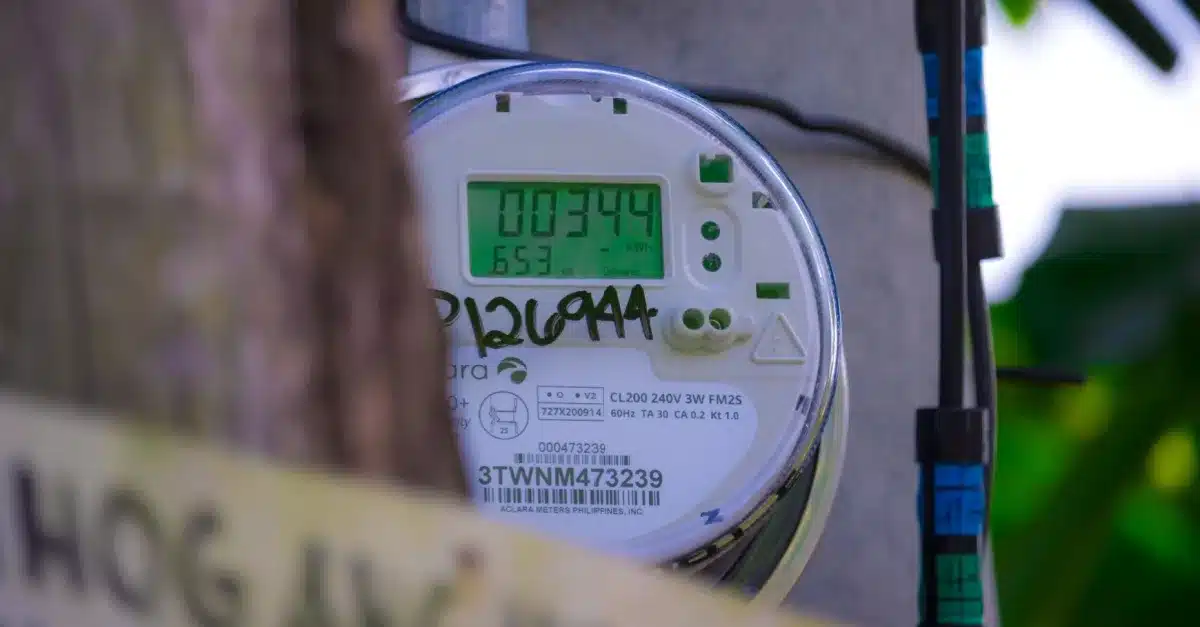
Meralco spokesperson Joe Zaldarriaga confirmed that while the utility is managing fuel stocks to ensure continuous service, higher rates are expected. He urged the public to practice strict energy efficiency to mitigate the impact of these hikes.
“Patuloy tayo na magpatupad ng energy efficiency. Let’s ensure na matalino at masinop ‘yung paggamit natin sa kuryente sapagkat kapag nama-manage natin ‘yung ating consumption, at the end of the day, mama-manage din natin kahit papano ‘yung ating electricity bill,” Zaldarriaga stated. (Let us continue to implement energy efficiency. Let’s ensure that our electricity use is smart and prudent because when we manage our consumption, at the end of the day, we can somehow manage our electricity bill.)
In response to potential fuel price hikes caused by Middle East tensions, President Ferdinand Marcos Jr. implemented a temporary four-day workweek for select government offices beginning March 9. The directive excludes agencies providing essential and emergency services, such as the police and fire departments, which will maintain their standard schedules. This move aims to help the government achieve a mandatory 10% to 20% reduction in fuel and electricity consumption across all departments.
Marcos also appealed to the public and government officials to eliminate non-essential travel and adopt carpooling practices to help reduce overall fuel consumption.
Pivot to green energy
Energy experts like Carpio stress that accelerating the adoption of renewable energy and storage systems is essential to shielding Philippine island grids from global price shocks. “As a major oil importer, the Philippines is exposed to price shocks. However, current safeguards and a faster shift to more Renewable Energy (RE) and Energy Storage Systems (ESS) can make our island communities and off-grid areas—and even National Power Corporation (NPC)—more resilient against significant oil price volatility due to geopolitical conflicts,” he explained. “This is a reminder why a fast RE transition is not a negotiation but a necessary hedge, especially for off-grid,” he added.
In 2023, the government put into motion the Accelerated Hybridization Program to deploy solar-diesel battery hybrid systems across multiple off-grid sites. This initiative seeks to reduce diesel consumption by at least 20% as part of a broader mandate to transition all SPUG areas to 100% renewable energy by 2030.
Additionally, Marcos proposed amending the existing Biofuels Act to permit the integration of more affordable bioethanol into petroleum blends. By updating these regulations, the government hopes to leverage lower-cost fuel alternatives and reduce the country’s overall reliance on imported oil.
(Also read: Mindanao Brightens Its Future: Racing Toward a 50-50 Renewable Energy Mix by 2030)
The Path to Resilience: Balancing the Energy Mix
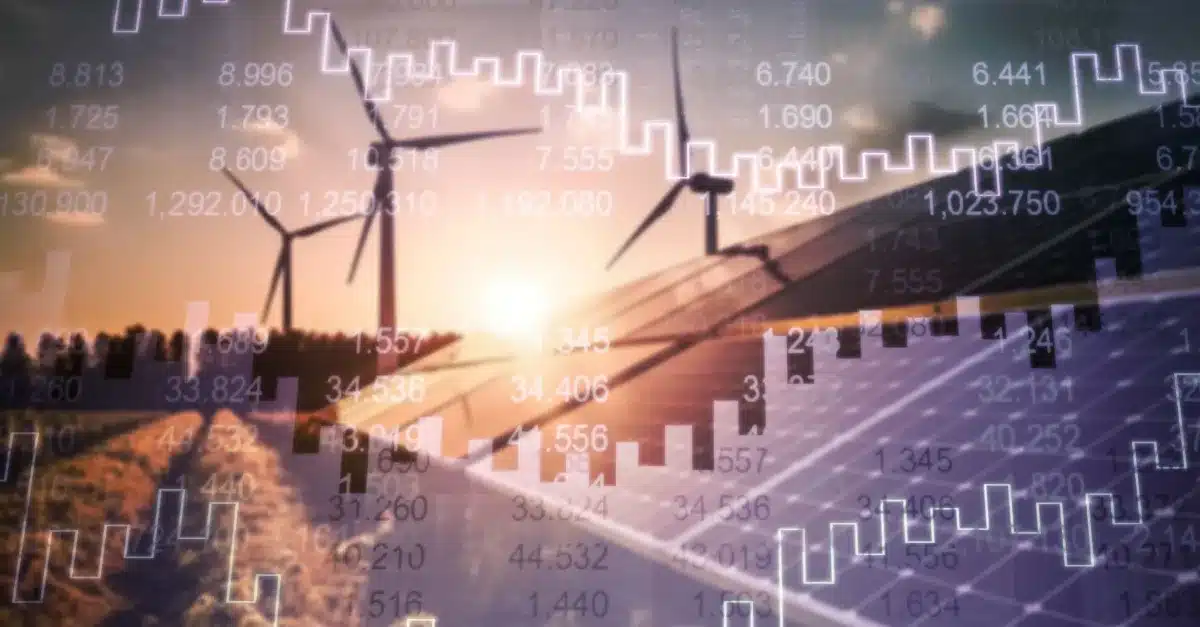
While renewable energy is worth pursuing as a vital component of the national grid, the current global energy crisis serves as a stark reminder that true resilience requires a confrontation with material reality. Recent data reveals a sobering trend: as Middle East tensions escalated, crude oil and natural gas prices surged significantly, yet renewable energy indices remained stagnant. This decoupling highlights a persistent structural reliance on traditional fuel sources that cannot be bridged by intermittent sources alone in the immediate term.
BusinessWorld columnist Bienvenido Oplas Jr. frames this as an “inconvenient truth,” noting that when supply from one region is threatened, the primary substitutes remain other hydrocarbons. Oplas argues that it is “delusional to think that solar and wind can substitute for fossil fuels” entirely, especially given the ubiquity of oil.
“Even if people use fully electric vehicles like those of BYD or Tesla, they still using oil-based products in the car paint, the dashboard, ceiling, and interiors, the leather seats, the electrical wiring insulation, the synthetic rubber tires, polymers, and carbon fiber, etc., even the road asphalt,” he declared.
Moving forward, a pragmatic strategy for the Philippines must prioritize domestic resource sovereignty without abandoning its green goals. A balanced approach recognizes that fossil fuels play a fundamental role in maintaining industrial stability and providing a reliable baseload.
True resilience lies in a diversified energy mix that acknowledges the indispensable role of hydrocarbons today while incrementally building the infrastructure for tomorrow.
Sources:
https://en.wikipedia.org/wiki/2026_Iran_war
https://www.bbc.com/news/articles/c78n6p09pzno
https://tradingeconomics.com/commodity/coal
https://www.qyresearch.com/reports/6001240/gas-based-urea
https://www.ifpri.org/blog/the-iran-war-potential-food-security-impacts/
https://mb.com.ph/2026/03/03/philippines-eyes-us-canada-oil-to-break-middle-east-dependence
https://www.gmanetwork.com/news/money/companies/979276/oil-price-hike-march-10-2026/story
https://tnt.abante.com.ph/2026/03/09/doe-electricity-rate-hike-warning-middle-east-tension/news/
https://insiderph.com/oil-price-surge-threatens-philippine-off-grid-power-supply
https://mb.com.ph/2026/03/03/philippines-eyes-us-canada-oil-to-break-middle-east-dependence
https://philstarlife.com/news-and-views/571458-small-habits-to-save-electricity?page=2
https://globalnation.inquirer.net/312077/save-energy-as-mideast-conflict-threatens-oil-supply-marcos